

Apple India Revenue Crosses ₹1 Lakh Crore in FY26, Net Profit Jumps 66% Amid Strong iPhone Demand

NPS Central Launches Unified Pension Services
The new digital platform allows National Pension System subscribers to manage pension accounts, track investments, access retirement services and complete onboarding through a single interface. Highlights NPS Central Goes Live, Unifies Pension Services Across Three Agencies New Delhi, October 20: The Pension Fund Regulatory and Development Authority (PFRDA) has launched NPS Central, a unified digital platform designed to simplify pension management for National Pension System (NPS) subscribers across India. The platform brings together services provided by three Central Recordkeeping Agencies (CRAs)—Protean, KFintech and CAMS—allowing subscribers to access their pension accounts, investments and retirement-related services through a single digital interface. According to a Financial Express report dated October 19, the initiative aims to improve accessibility, transparency and convenience for millions of pension subscribers. Single Platform for Pension Management NPS Central allows subscribers to manage their pension accounts regardless of the CRA maintaining their records. Users can log in using their registered mobile number and complete authentication through a one-time password (OTP), without depending exclusively on their Permanent Retirement Account Number (PRAN). The platform provides a consolidated dashboard where subscribers can view their pension accounts, investment portfolios and contribution details. This unified approach is expected to reduce the complexity of managing retirement savings across different service providers. AI-Assisted Digital Onboarding One of the major features of NPS Central is its simplified digital onboarding process. New subscribers can register through an AI-assisted onboarding system that uses Aadhaar, DigiLocker and identity verification services. The platform also includes an AI-enabled assistant that helps subscribers understand investment schemes, review fund performance and select suitable pension options. Subscribers can explore investment alternatives, compare schemes and review charges before making financial decisions. The digital process is intended to make NPS registration faster and more accessible, particularly for first-time investors. Investment Tracking and Additional Services NPS Central provides access to investment portfolios, contribution records and retirement planning information through a consolidated interface. The platform also offers investment-related services, including systematic investment plans (SIPs), investment calculators and information about pension schemes. Subscribers can use the dashboard to monitor their investments and review their retirement savings. PFRDA is also planning additional features, including corporate onboarding, NPS Vatsalya services for minors, SIP mandates and integration with the broader digital pension ecosystem. Expansion of Digital Pension Services The new platform is expected to strengthen digital pension infrastructure by making retirement services more convenient for subscribers. By bringing multiple recordkeeping agencies together, NPS Central aims to reduce operational complexity and improve the overall user experience. The initiative also supports the government’s broader push towards digital financial services and improved access to retirement planning tools. With more services expected to be added in the coming months, NPS Central could become an important platform for managing pension investments and retirement savings in India.

India’s Freight Costs Surge to $120
India’s Freight Costs Surge as West Asia Oil Prices Hit $120 Per Barrel, Exporters Face Rising Pressure

Indian Pharma Firms Rethink US Expansion
Indian Drugmakers Redraw Global Expansion Plans Amid Trump’s Tariff Threats and US Market Uncertainty

Jio Plans Global Expansion
Reliance Jio Eyes US, Germany Markets, Plans 12 Global Partnerships to Reach 1.5 Billion Customers

Pakistan to Chair IMF, World Bank Boards
Pakistan has described its selection to chair the IMF and World Bank Boards of Governors in 2027 as a historic achievement, even as the country continues to face economic challenges and depends on external financial support.

Festival Airfares Surge to ₹35,000
Festival Airfares Skyrocket to ₹35,000 on Domestic Routes as Holiday Demand and Fuel Costs Rise
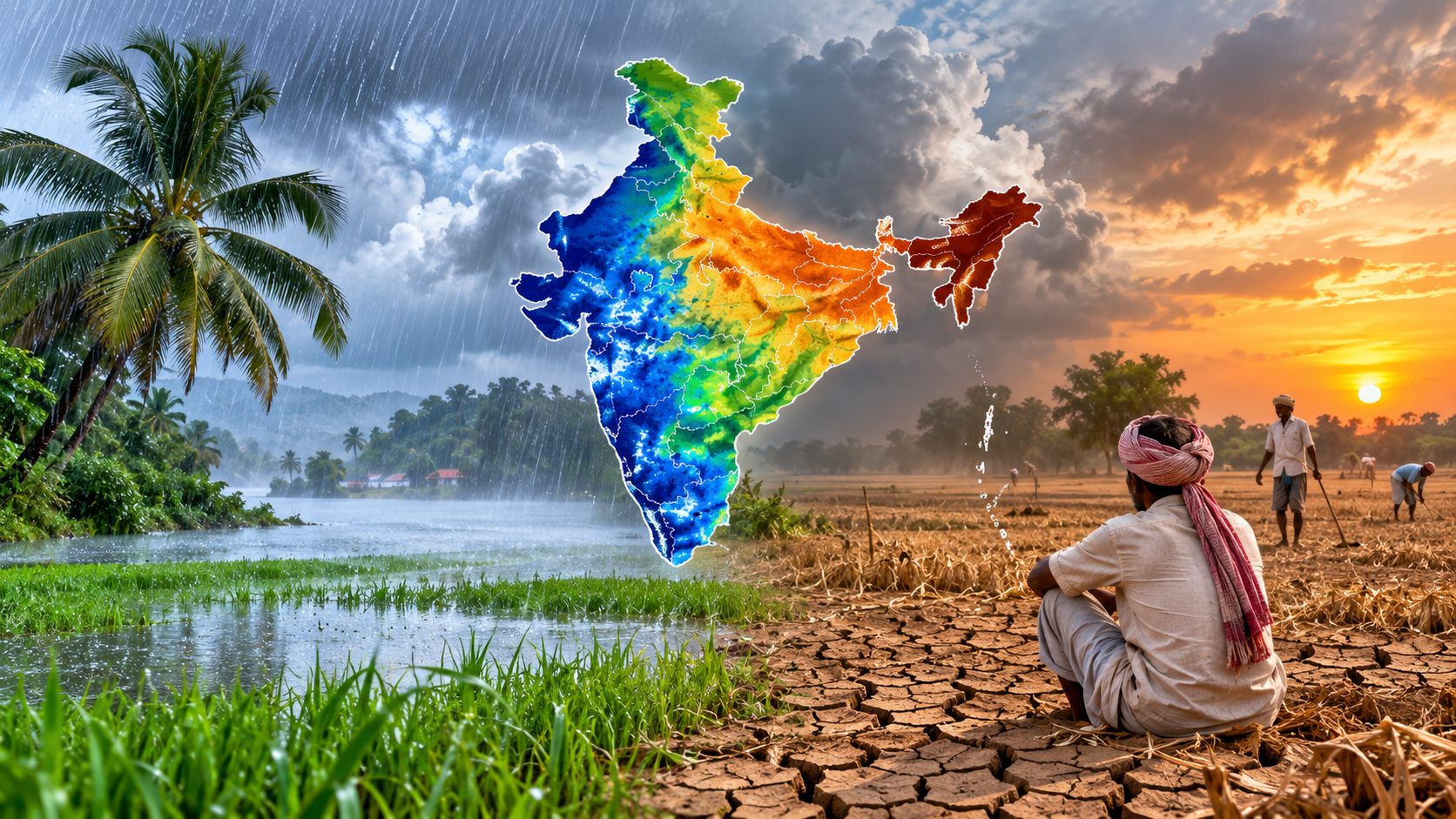
Southwest Monsoon Ends 15% Below Normal
Sub-Headline: India received 76.8 cm of rainfall during the June–September monsoon season, with major deficits in northeastern and northern states despite excess rainfall in central and southern regions. Highlights Southwest Monsoon Withdraws With 15% Rainfall Deficit, Northeast India Worst Affected India’s southwest monsoon has officially withdrawn from the country, leaving behind a rainfall deficit of 15% during the June–September season. According to data from the India Meteorological Department (IMD), the country received 76.8 centimetres of rainfall during the four-month monsoon period, compared with the long-period average of approximately 90 cm. The monsoon showed significant regional variations, with some states experiencing heavy rainfall while others faced severe shortages. Goa Records Highest Rainfall, Punjab Lowest Goa received the highest rainfall in the country at 196.68 cm during the monsoon season. Punjab, meanwhile, recorded the lowest rainfall at just 28 cm. The uneven distribution of rainfall highlights the contrasting weather conditions experienced across different parts of India. Although several regions received above-normal rainfall, large deficits in northern and northeastern states affected the national average. Punjab, Haryana and Rajasthan Face Rainfall Shortages Northern India witnessed significant rainfall shortages during the southwest monsoon. Punjab recorded a rainfall deficit of 37%, while Haryana received 21% less rainfall than normal. Rajasthan also experienced a 24% shortfall. These deficits could affect agricultural activities, particularly in regions dependent on seasonal rainfall for irrigation and crop development. Northeast India Records Severe Deficit The northeastern region emerged as the worst affected, recording rainfall 61% below normal. Among individual states, Meghalaya reported a 40% deficit, while Assam received 29% less rainfall than normal. Bihar also experienced a substantial shortfall of 32%. The lower rainfall across these regions raises concerns about agricultural productivity, groundwater recharge and water availability. Central and Southern India Receive Excess Rainfall In contrast, central and southern India received above-normal rainfall during the season. Central India recorded 6% excess rainfall, while the southern region received 23% more rainfall than normal. Odisha recorded 23% excess rainfall, while Maharashtra received 7% above-normal rainfall. Chhattisgarh and Madhya Pradesh also reported rainfall above their seasonal averages. These regional differences demonstrate how monsoon performance varied significantly across the country. IMD Confirms Complete Monsoon Withdrawal The India Meteorological Department confirmed that the southwest monsoon has withdrawn from the entire country. The withdrawal marks the end of the main rainy season, which plays a crucial role in India’s agricultural production and water resources. The monsoon supplies a substantial share of the country’s annual rainfall and supports farming activities across several states. With the season now over, attention will shift towards the northeast monsoon and its potential impact on southern India.

FSSAI Flags Cattle Feed in Priyagold
India’s food safety regulator has initiated prosecution proceedings against Surya Food & Agro, Dodla Dairy and UEIR Organic Foods over serious food safety violations involving biscuits, milk and raisins.

MP Leads India in Stubble Burning
Madhya Pradesh Tops Stubble Burning Cases With 153% Surge; Incidents Decline Sharply in Haryana and Uttar Pradesh
