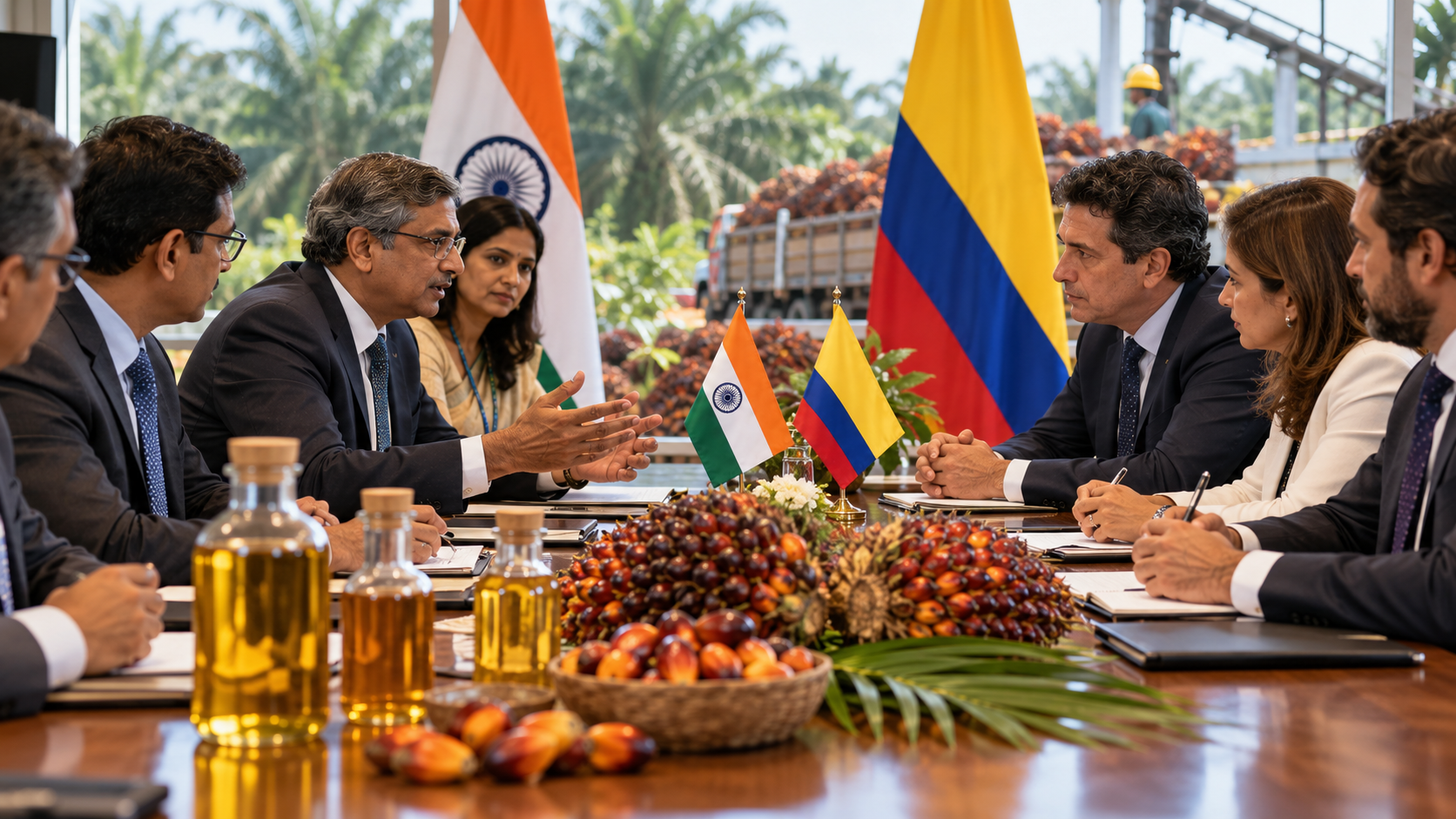
SEA signs MoU with Colombia’s Fedepalma to explore new sourcing, trade and cooperation opportunities.
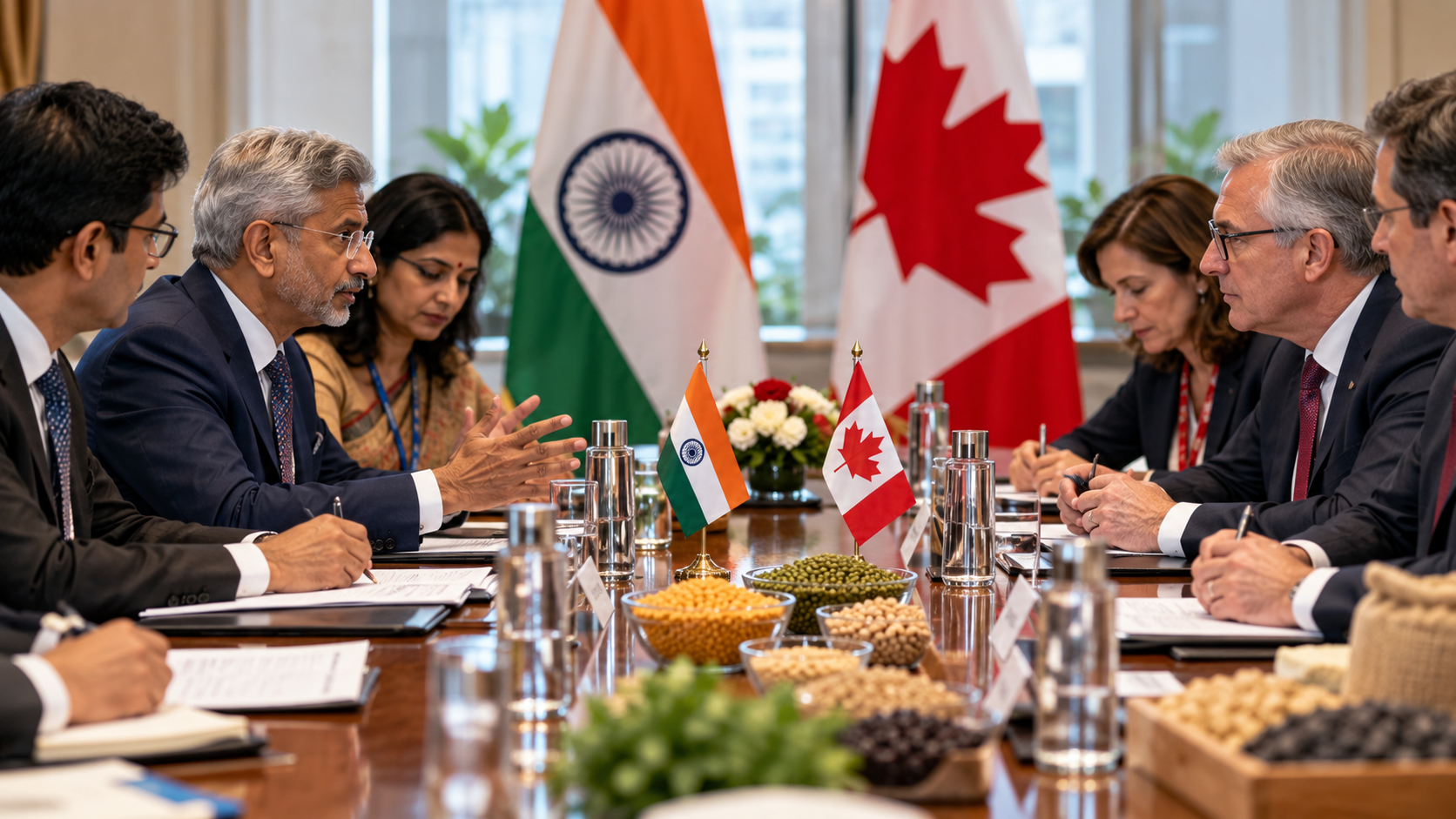
The Solvent Extractors’ Association of India (SEA) has signed a memorandum of understanding (MoU) with Colombia’s National Federation of Oil Palm Growers (Fedepalma) to explore new avenues for palm oil sourcing, trade and cooperation.
The initiative follows a high-level interaction between the SEA delegation and representatives of Fedepalma during a recent visit to Colombia. The two organisations are seeking to strengthen cooperation between India’s edible-oil sector and Colombia’s growing palm-oil industry.
Colombia has emerged as an important palm-oil producer in Latin America, with the country producing around 2.3 million tonnes of palm oil annually. The growing output provides opportunities for Indian buyers to diversify sourcing beyond traditional markets.
SEA Executive Director Anshul Mallick said the engagement with Colombia could create new opportunities for India in edible-oil sourcing. The initiative is also expected to help Indian importers explore alternative supply channels as global edible-oil markets continue to experience changes in availability and pricing.
The proposed cooperation comes as India remains heavily dependent on imports to meet its edible-oil requirements. Diversifying sourcing destinations has become increasingly important as global supply chains face geopolitical disruptions, changing production patterns and freight-related challenges.
The MoU is expected to facilitate greater exchange of information between the two organisations and encourage closer engagement on palm-oil production, trade and supply-chain opportunities.
Colombia’s palm-oil sector has also been expanding its international presence, supported by increasing production and efforts to develop new export markets. For India, stronger engagement with Colombian producers could provide another potential source of palm oil.
The collaboration reflects the Indian edible-oil industry’s broader effort to identify alternative suppliers and strengthen international trade relationships as it seeks to manage supply risks and meet domestic consumption requirements.