The move could protect domestic sugar supplies as lower production raises concerns for the 2026-27 season.
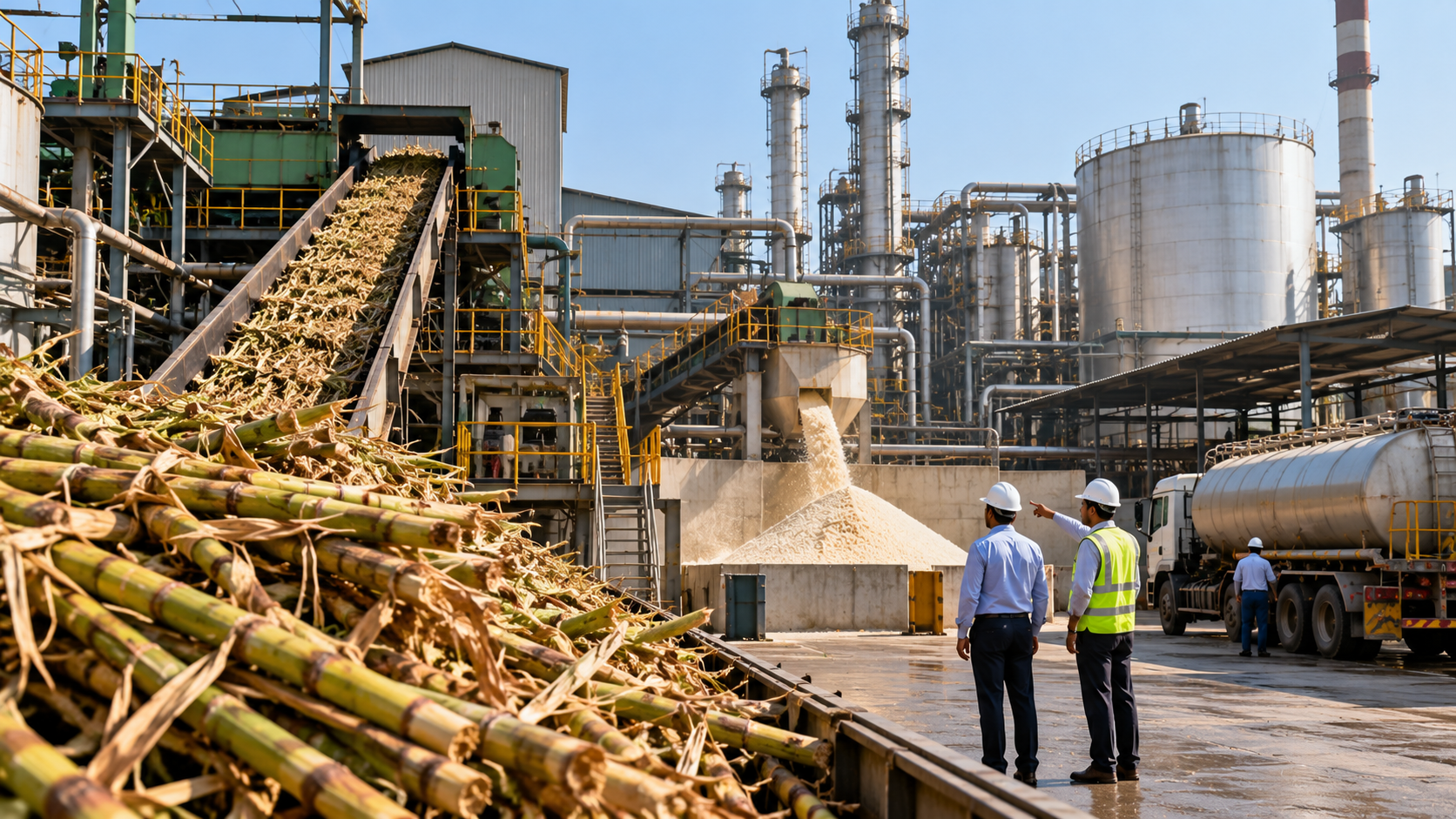
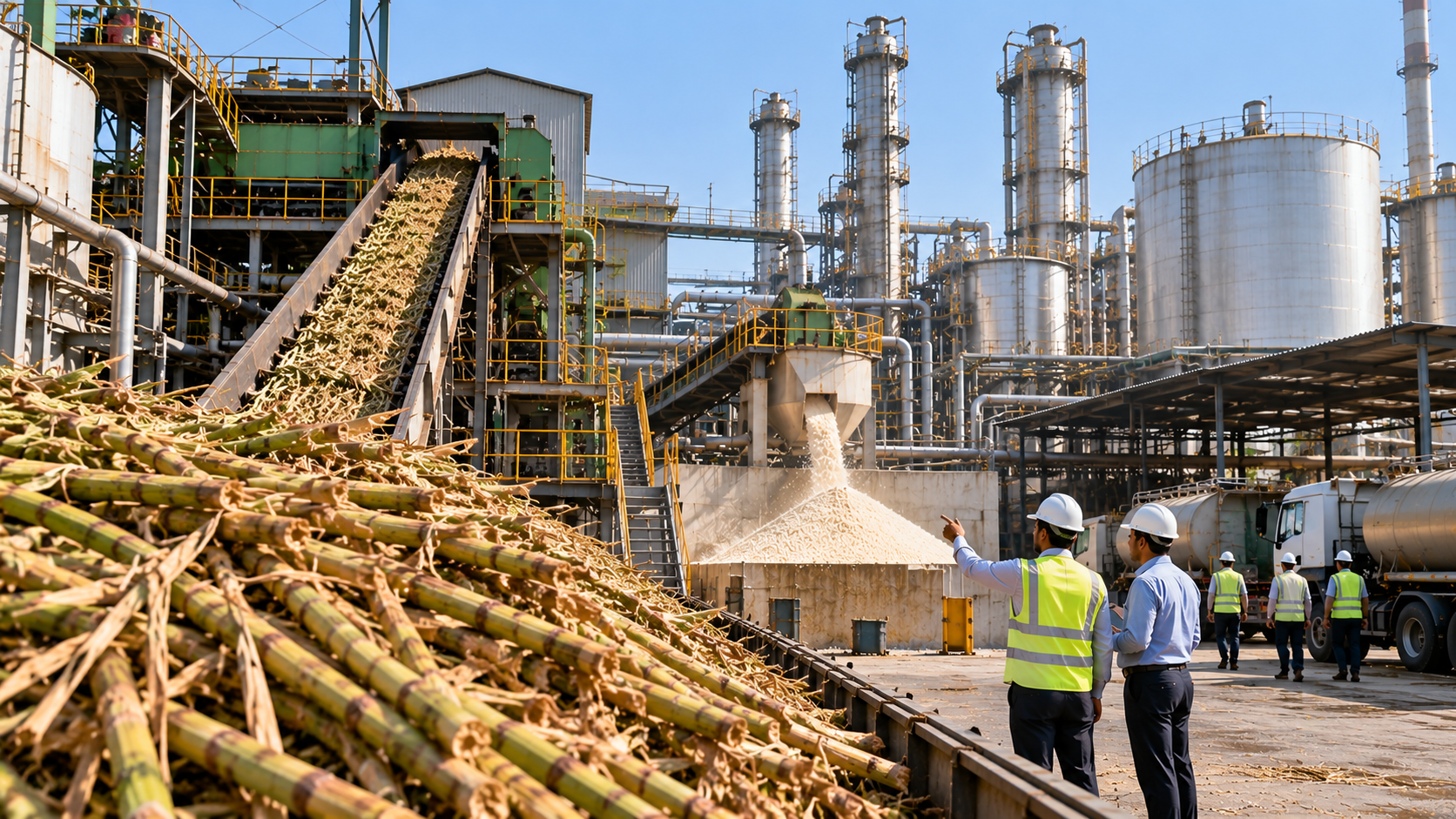
The government may restrict the diversion of sugarcane juice and heavy molasses towards ethanol production to ensure adequate domestic sugar supplies for the 2026-27 season, according to industry sources.
The move is being considered amid expectations of lower sugar production in the coming season. Deficient monsoon conditions in major sugar-producing states, including Maharashtra and Karnataka, are expected to affect sugarcane yields and could reduce overall sugar output.
The government is likely to examine the extent to which mills can divert sugar-based feedstocks towards ethanol while ensuring that sufficient sugar remains available for domestic consumption.
Sugarcane juice and heavy molasses have become important feedstocks for ethanol production as India has expanded its ethanol-blending programme. However, greater diversion of these materials towards ethanol can reduce the quantity of sugar produced by mills.
Industry estimates indicate that sugar-based feedstocks accounted for a significant portion of ethanol production in the 2025-26 ethanol supply year, while grain-based feedstocks, led by maize, also contributed substantially.
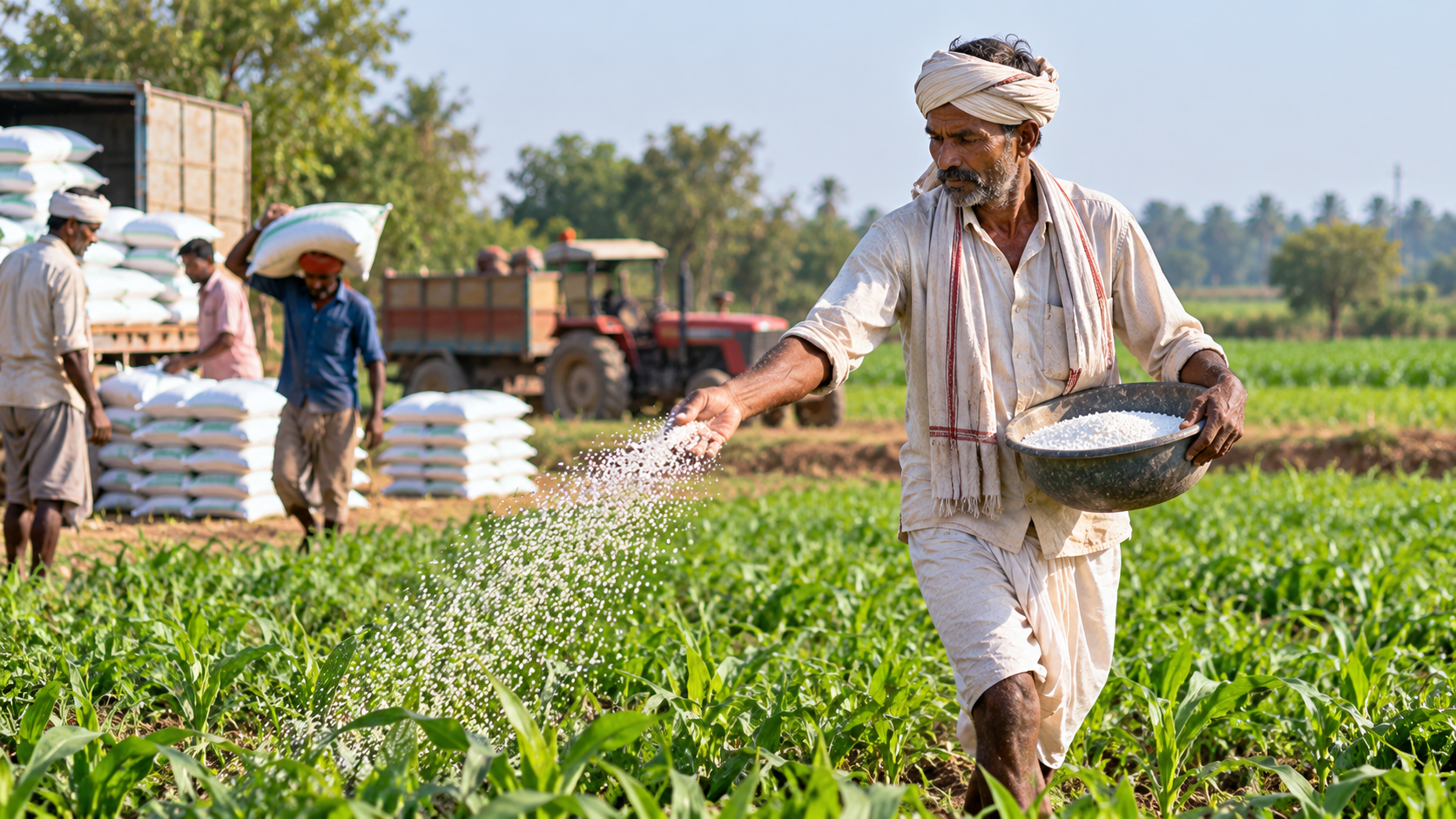
The proposed restriction could therefore alter the feedstock mix used by ethanol producers. Mills may increasingly depend on grain-based feedstocks if restrictions are imposed on the diversion of sugarcane-derived material.
The development comes as the government seeks to maintain momentum towards higher ethanol blending while also ensuring that the domestic sugar market remains adequately supplied.
Sugar production is expected to face pressure from weaker cane yields in some major producing regions. Maharashtra and Karnataka, in particular, have experienced deficient rainfall, raising concerns over sugarcane availability for the next crushing season.
The potential policy change could affect both sugar mills and ethanol producers. Sugar mills may have to balance their earnings from ethanol production against the need to maintain sugar output, while ethanol producers could face changes in the availability of key feedstocks.
The government is also monitoring sugar consumption and stock levels as it assesses the outlook for the next season.
The situation highlights the continuing challenge of balancing India’s ethanol-blending ambitions with domestic food and sugar security as weather conditions and agricultural output remain uncertain.