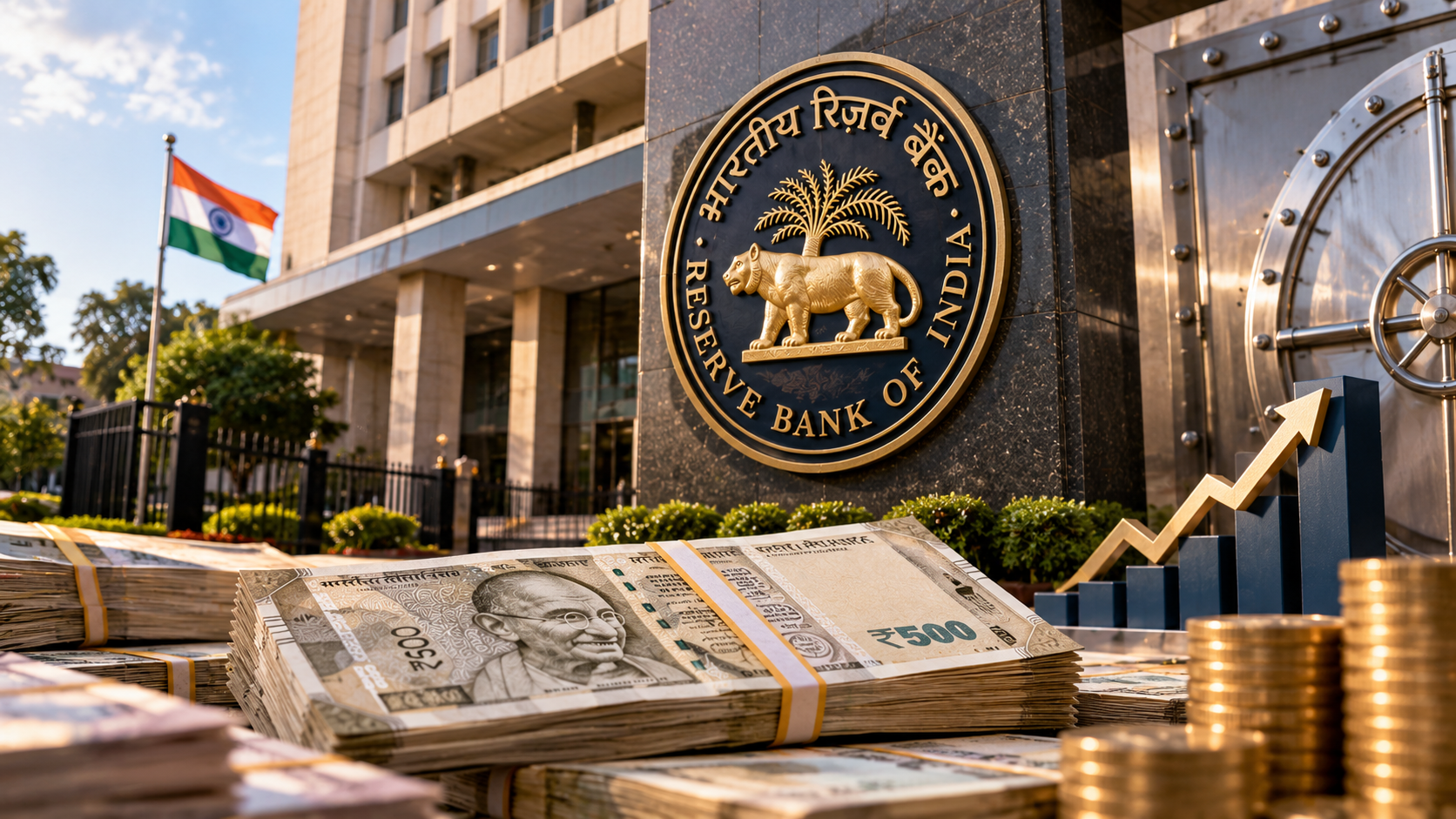
RBI Unveils New Forex Measures, Opens Special Dollar Window for Oil PSUs
The Reserve Bank of India has announced a series of measures for the foreign exchange market, including a special dollar supply window for state-owned oil companies and tighter rules for rupee derivative contracts.
Mumbai, October 10 — The Reserve Bank of India has introduced fresh regulatory measures aimed at easing pressure in the foreign exchange market and improving risk management as the rupee remains under pressure against the US dollar.
As part of the measures, the central bank will open a special dollar supply window from Monday to meet the entire daily dollar requirements of three state-run oil marketing companies. Under the facility, the RBI will sell dollars to the oil companies through designated banks.
Oil marketing companies are among the biggest buyers of foreign currency in India because crude oil imports are largely paid for in dollars. A dedicated supply window could reduce their need to purchase large quantities of dollars directly from the open market and potentially ease pressure on the rupee.
The RBI has also tightened rules related to foreign exchange derivative contracts involving the Indian rupee. Once a rupee forex derivative contract is cancelled, market participants will no longer be allowed to re-book the same contract.
Another major change relates to hedging contracted exposures. The existing threshold under which transactions could be undertaken without establishing the existence of an underlying exposure has been sharply reduced from $100 million to $5 million equivalent.
The central bank has also introduced a new foreign exchange risk reserve requirement for banks. Banks will have to maintain cash with the RBI equal to 20% of the rupee equivalent of the notional amount of each qualifying transaction exceeding $2 million.
The regulatory changes come after the rupee moved close to record-low levels in recent sessions. The RBI has already been intervening in the foreign exchange market by selling dollars in an effort to contain excessive volatility.
The latest steps indicate a more targeted approach by the central bank, combining direct dollar supply to major importers with tighter derivative-market rules. The measures are expected to reduce speculative pressure, strengthen risk controls and improve stability in the domestic foreign exchange market.