High upfront vehicle costs and inadequate charging infrastructure are emerging as major barriers to electric vehicle adoption in India’s two-wheeler taxi segment, according to Rapido co-founder Pavan Guntupalli, who called for affordable electric models designed specifically for passenger-carrying services.
Highlights:
- High EV purchase costs and inadequate charging infrastructure remain major challenges for bike-taxi electrification.
- Electric vehicles account for approximately 7% of vehicles on Rapido’s platform.
- A good-range electric two-wheeler currently costs ₹1.3 lakh to ₹1.6 lakh.
- Many delivery-focused electric scooters are unsuitable for passenger-carrying operations.
- Bike-taxi vehicles need to support a payload of approximately 170–200 kg.
- Rapido handles more than 5 million rides daily across vehicle categories.
- The company operates bike taxis in over 400 cities and aims to expand to 5,000 cities.
India’s electric vehicle transition in the two-wheeler taxi segment continues to face significant challenges, with high vehicle acquisition costs and inadequate charging infrastructure limiting adoption, according to Rapido co-founder Pavan Guntupalli.
Speaking to PTI on Monday, Guntupalli said the market needs affordable electric two-wheelers specifically designed for passenger-carrying applications rather than vehicles primarily developed for delivery and logistics operations.
Electric vehicles currently account for approximately 7 per cent of the vehicles operating on Rapido’s ride-hailing platform across two-wheelers, three-wheelers and four-wheelers.
High Purchase Costs Discourage Driver Adoption
Guntupalli said the upfront cost of electric vehicles remains one of the biggest obstacles for drivers considering a switch from petrol-powered motorcycles.
According to him, a good-range electric two-wheeler currently costs between ₹1.3 lakh and ₹1.6 lakh.
For drivers earning approximately ₹20,000–22,000 per month, purchasing an electric vehicle at this price can be difficult, particularly when they lack a strong credit history.
Although drivers recognise the potential savings associated with electric mobility, the initial investment remains a significant financial barrier.
Charging Infrastructure Creates Operational Challenges
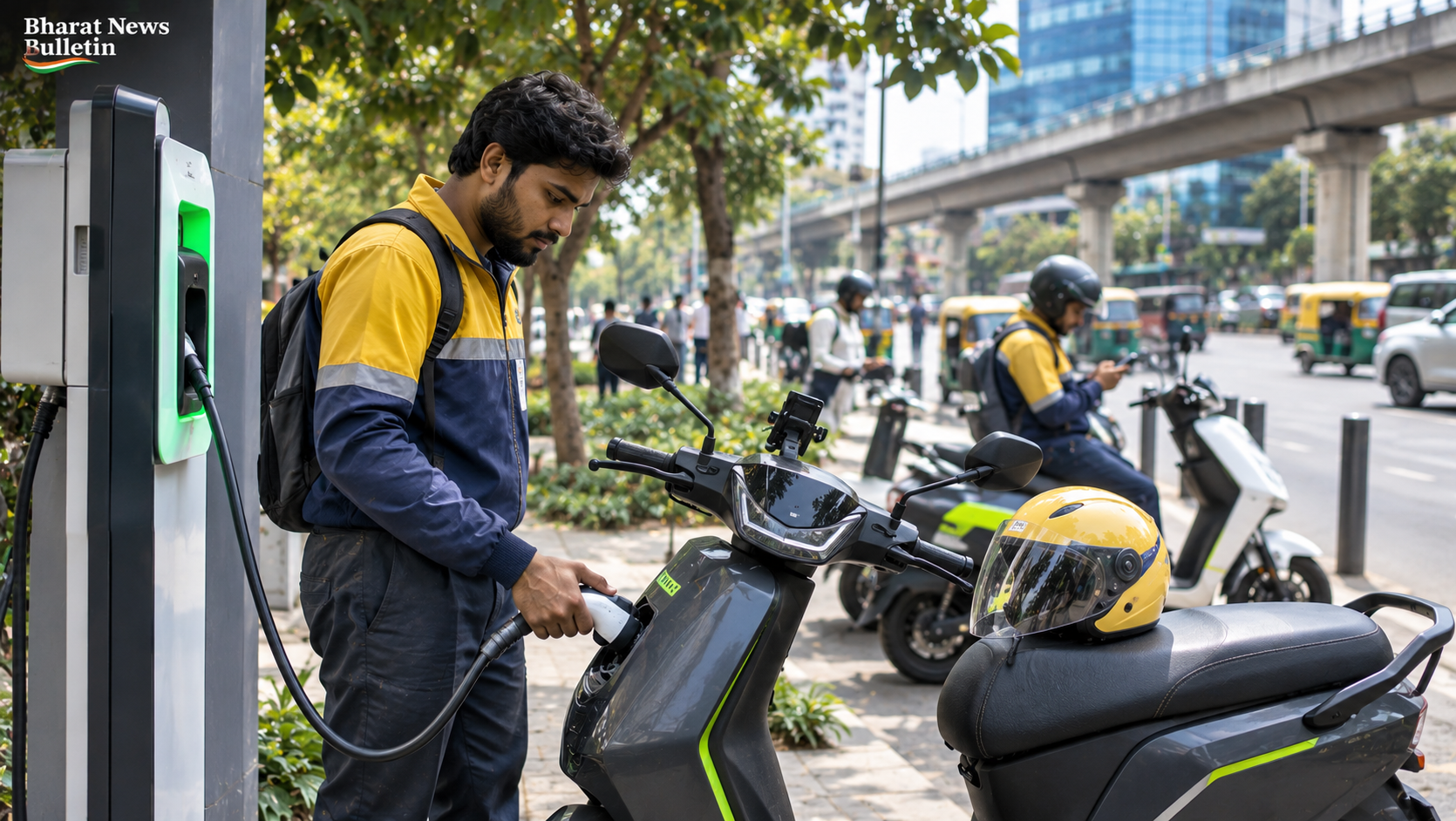
The availability of reliable charging infrastructure is another major concern for two-wheeler taxi operators.
Guntupalli explained that drivers depend on the time they spend on the road to generate income. Long charging requirements can reduce their working hours and directly affect their earnings.
He emphasised that without large-scale and reliable charging infrastructure, drivers could lose valuable business opportunities while waiting for their vehicles to recharge.
The company believes that improving charging accessibility will be essential to accelerating electric vehicle adoption in the ride-hailing industry.
Electric Two-Wheelers Need Passenger-Specific Designs
Another challenge highlighted by Rapido is the lack of electric two-wheelers specifically designed for bike-taxi operations.
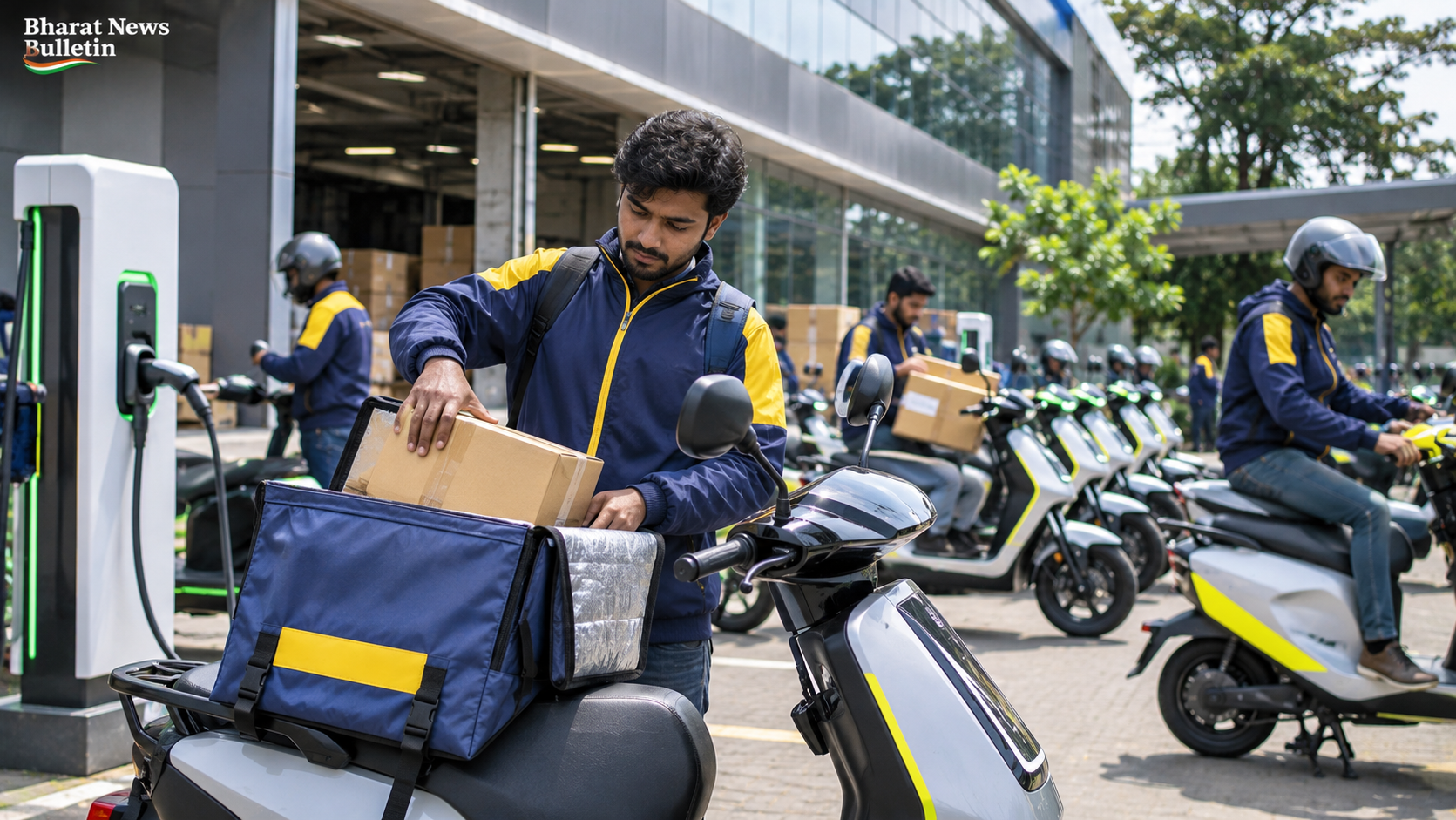
Most electric scooters currently used in delivery and logistics services are customised for carrying goods rather than passengers.
Guntupalli said bike-taxi vehicles must accommodate a combined payload of approximately 170–200 kg, including the rider and passenger.
They must also be capable of handling flyovers and operating in hilly areas while maintaining adequate driving range and performance.
He called for automobile manufacturers to develop affordable electric models that meet the operational requirements of passenger transportation.
Rapido Rules Out Operating Its Own EV Fleet
When asked whether Rapido would consider purchasing and operating its own electric vehicle fleet to accelerate electrification, Guntupalli said the company does not plan to own vehicles.
Instead, the platform expects vehicle adoption to be driven by its delivery and mobility partners, supported by better vehicle availability, affordability and charging infrastructure.
Rapido Seeks Regulatory Clarity for Bike Taxis
Guntupalli welcomed the Supreme Court’s recent decision allowing bike taxis in Karnataka, stating that it provides greater regulatory clarity and gives states a stronger foundation to develop clear policies for the segment.
Rapido currently facilitates more than 5 million rides daily across two-wheelers, three-wheelers and four-wheelers, with two-wheelers accounting for more than half of its total rides.
The company provides bike-taxi services in over 400 cities and has a long-term vision of expanding its presence to 5,000 cities.
Guntupalli also said bike taxis have the potential to generate employment opportunities for 8 crore people across India.
The company is working with certain state governments on a daily permit mechanism that would allow privately registered motorcycles with white number plates to operate as bike taxis.
The developments highlight the importance of affordable electric vehicles, charging infrastructure and regulatory clarity in supporting the next phase of India’s shared mobility industry.