India has created more than 11 crore Farmer IDs under the Digital Agriculture Mission, reaching the milestone around five months ahead of the March 31, 2027 target.
New Delhi, October 24 — India has created more than 11 crore Farmer IDs under the Digital Agriculture Mission, marking a major milestone in the government’s effort to build a digital identity system for farmers.
Agriculture Minister Shivraj Singh Chouhan announced the achievement on October 24, saying the target had been reached around five months ahead of the March 31, 2027 deadline.
The Farmer ID forms a key part of AgriStack, the government’s digital agriculture infrastructure.
It functions as an Aadhaar-like digital identity for farmers and is linked with information such as land records, helping government agencies identify eligible beneficiaries more accurately.
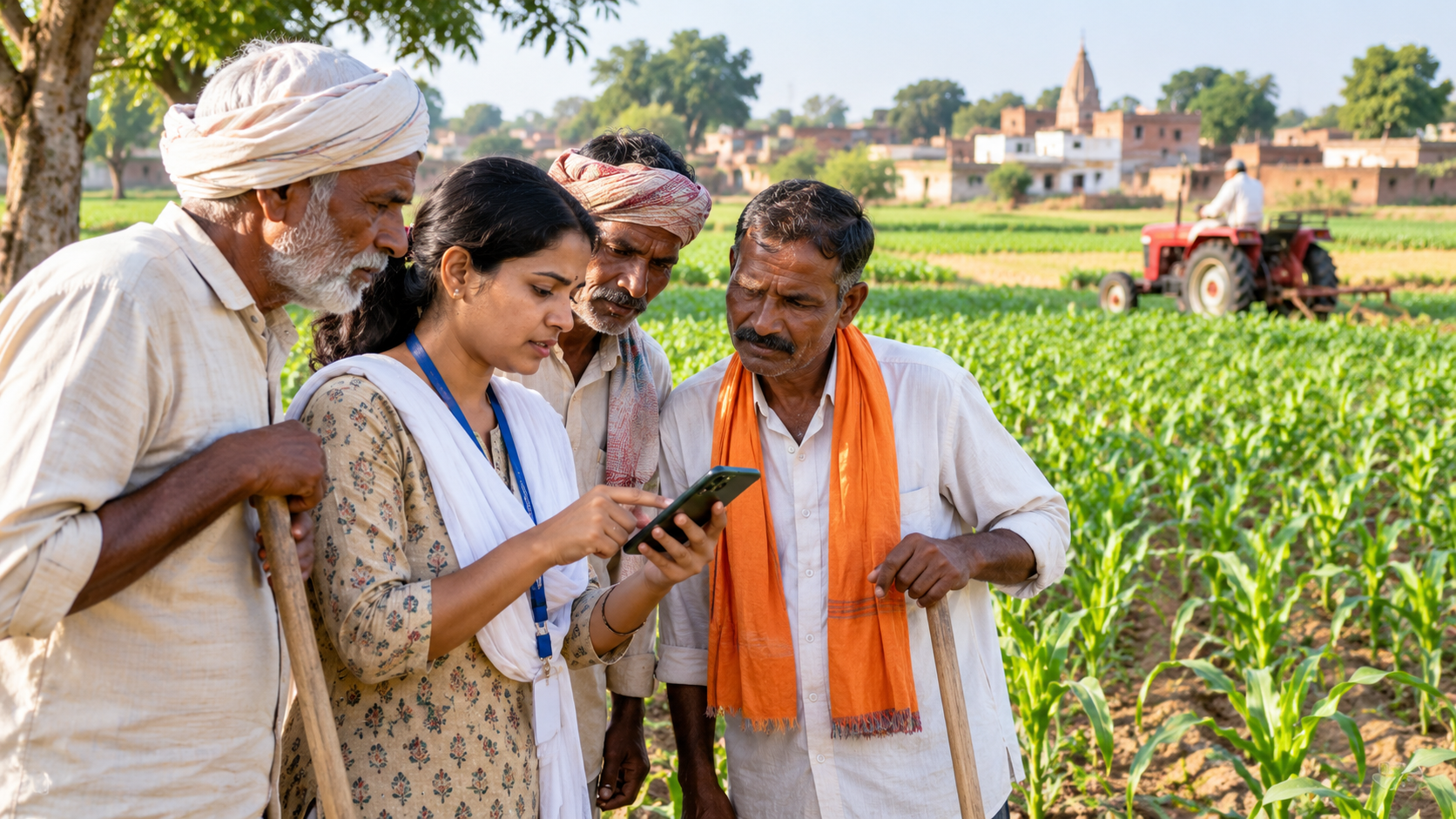
The system is intended to make it easier for farmers to access government schemes, agricultural services and benefits without repeatedly submitting the same documents.
By linking farmer identity with verified agricultural information, the platform can also help reduce duplication and improve targeting of subsidies and welfare programmes.
The milestone reflects the rapid expansion of India’s digital agriculture ecosystem.
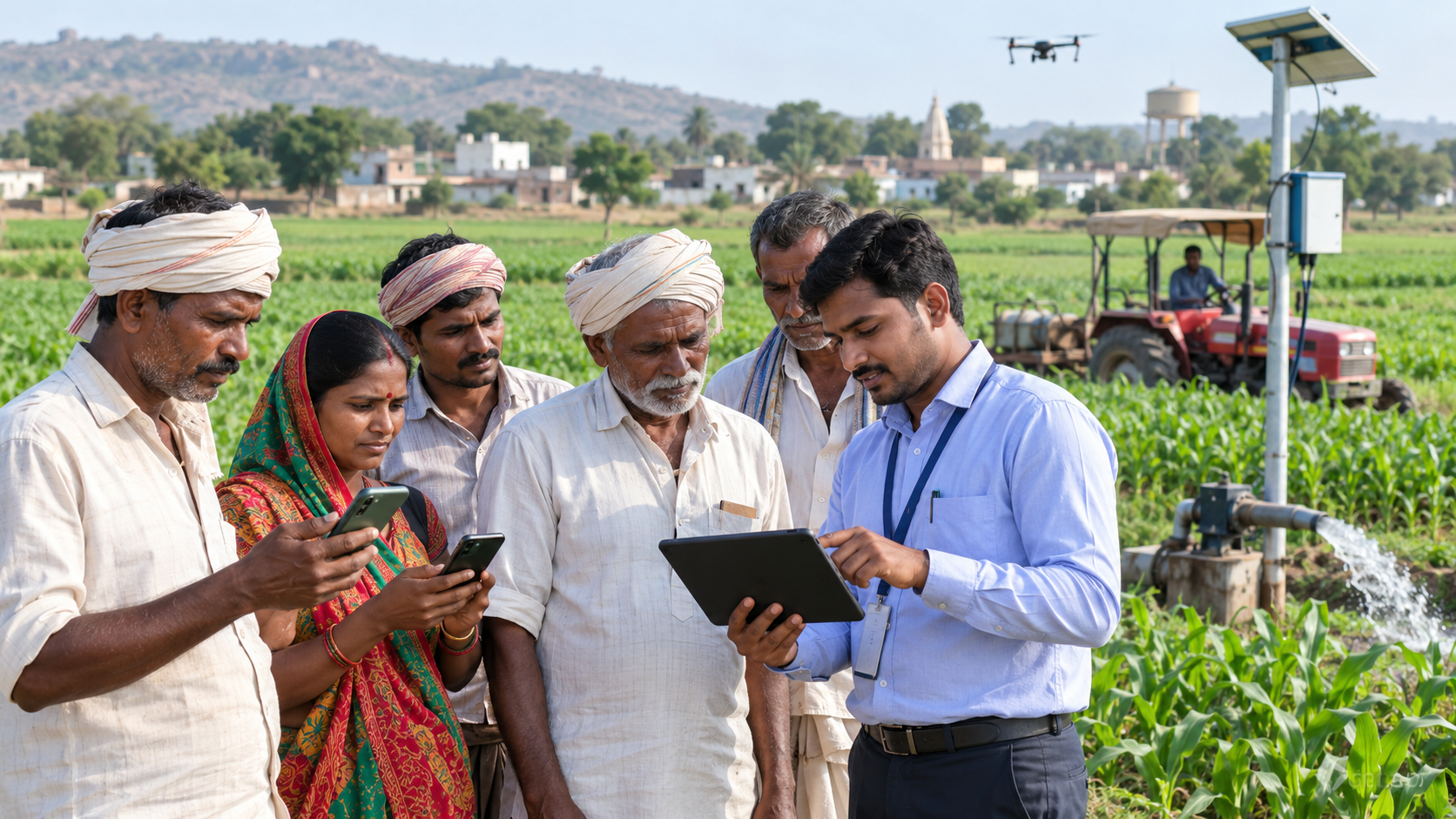
The government has been working to create interoperable digital databases that can support services such as crop planning, agricultural credit, insurance, subsidies and other farmer-focused programmes.
Farmer IDs are expected to become an important building block for delivering these services directly and efficiently.
The Digital Agriculture Mission also aims to improve the availability and quality of agricultural data, enabling more data-driven policymaking and potentially supporting private-sector innovation in areas such as agri-tech and farm advisory services.
The government has increasingly used digital systems to improve direct benefit transfers and reduce administrative delays across welfare schemes.
The Farmer ID initiative extends this approach to agriculture, where land ownership, tenancy and crop-related information have traditionally been maintained across different state-level systems.
Reaching the 11 crore mark ahead of schedule suggests that implementation has accelerated substantially across states.
The government expects the system to make access to farm-related services more seamless while creating a stronger digital foundation for future agriculture reforms.