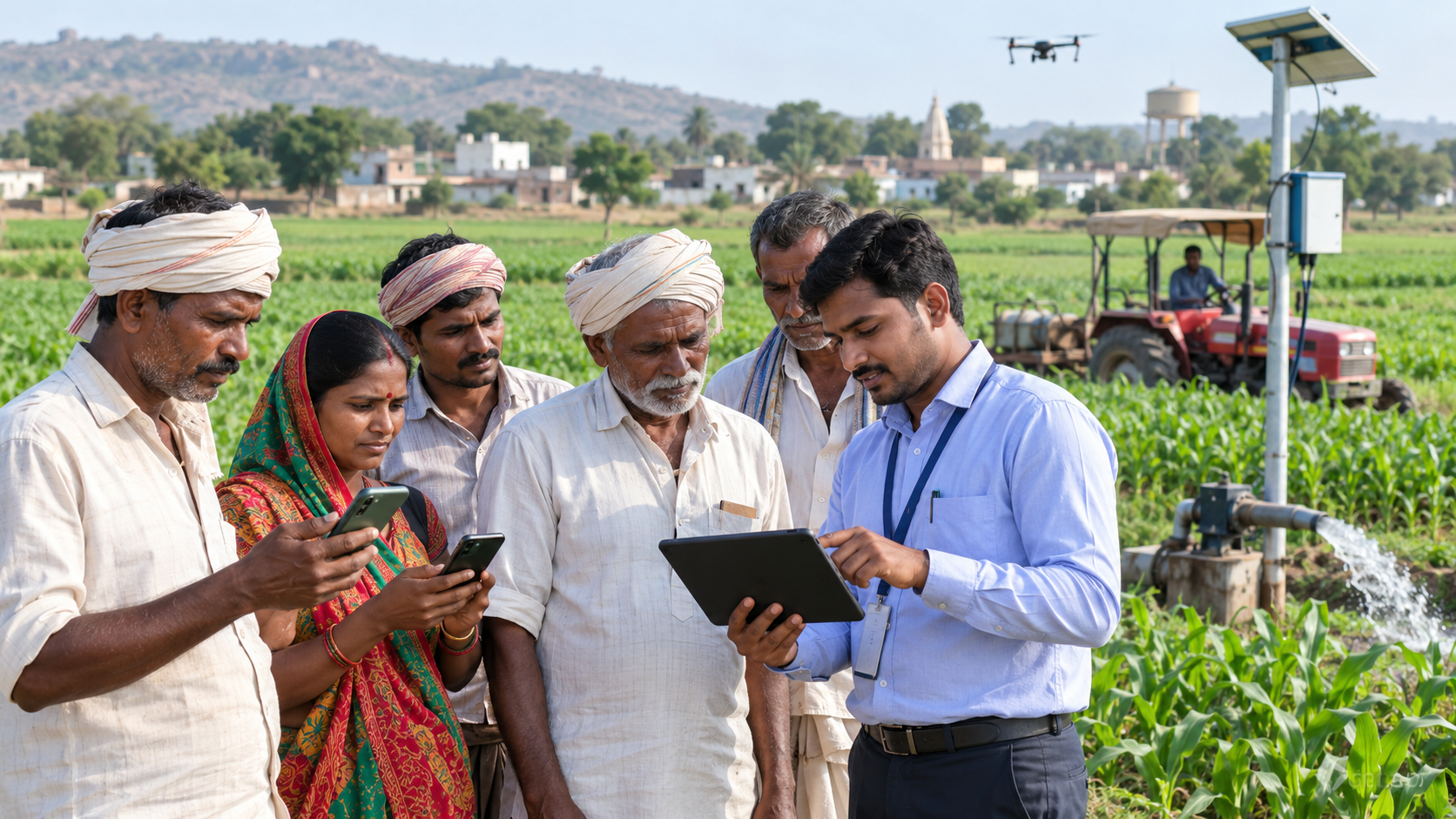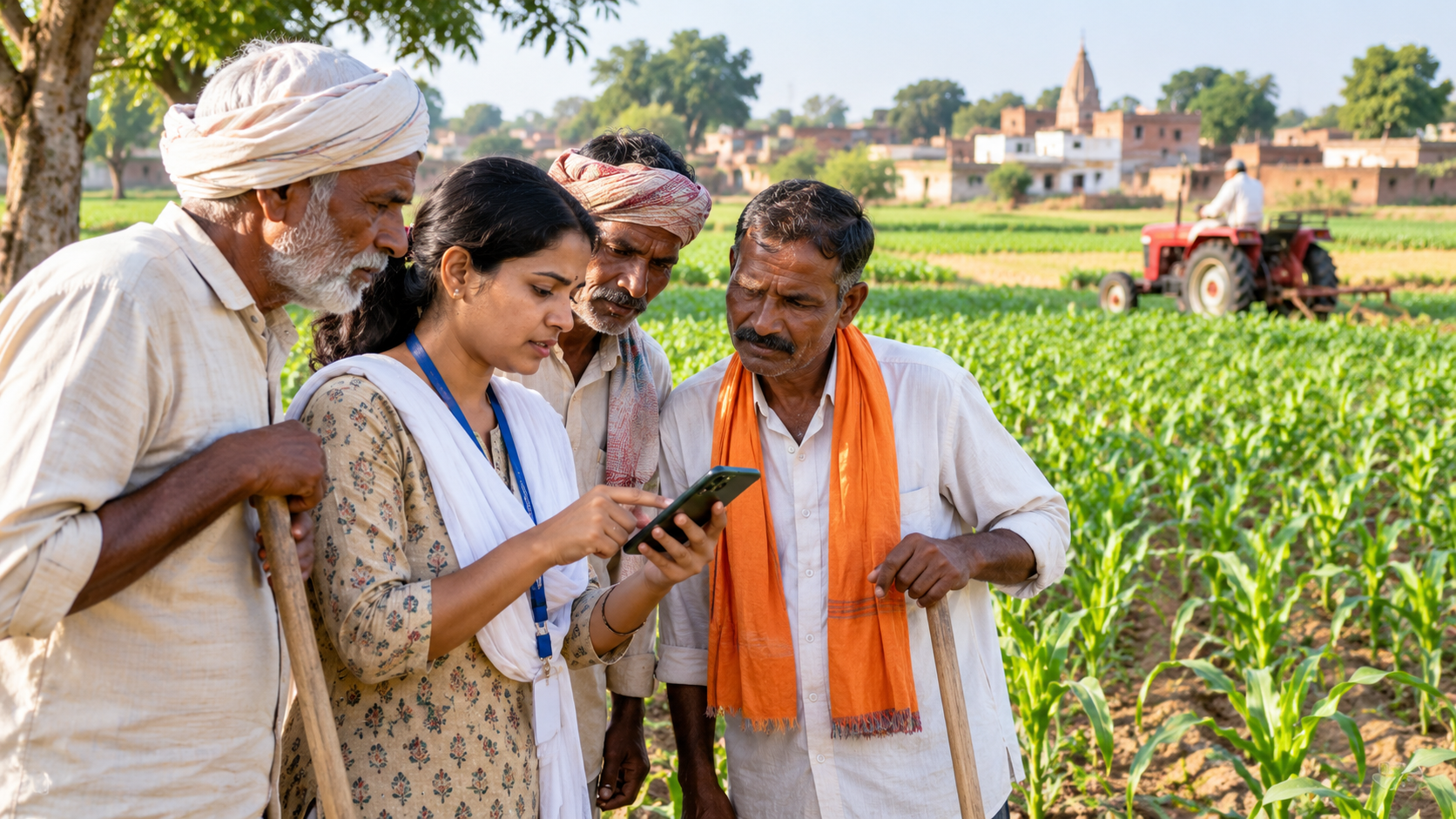
India has created 11 crore Farmer IDs under the Digital Agriculture Mission, achieving its target five months ahead of schedule. The milestone was announced by Union Agriculture and Farmers’ Welfare Minister Shivraj Singh Chouhan on October 24, 2026, after the target was completed by the night of October 23, ahead of the March 31, 2027 deadline.
The Farmer ID initiative is designed to give farmers a unique digital identity linked to verified agricultural records. The system aims to simplify access to government schemes, bank loans, crop insurance and disaster relief while reducing repeated paperwork and verification requirements.
According to the Agriculture Ministry, more than six crore farmers have already received direct benefits through Farmer ID-based service delivery. By connecting verified farmer records with agricultural services, the government aims to improve coordination between departments, strengthen transparency and reduce duplication in beneficiary databases.
The digital identity is expected to make processes such as obtaining agricultural credit and accessing the Kisan Credit Card scheme more efficient. It could also support the implementation of the Pradhan Mantri Fasal Bima Yojana by improving the verification of eligible farmers and facilitating the processing of claims following crop losses.
The system is also intended to improve access to disaster relief and agricultural procurement at minimum support prices. A verified database could help authorities identify eligible beneficiaries more efficiently, although the actual benefits will depend on the accuracy of records, implementation across states and the accessibility of services to farmers.
The Digital Agriculture Mission received Union Cabinet approval on September 2, 2024. It forms part of the government’s broader effort to develop digital public infrastructure for agriculture and integrate technology into agricultural service delivery.
The Agriculture Ministry has also highlighted efforts by states and Union Territories to bring tenant farmers and actual cultivators onto the platform in accordance with applicable rules. Their inclusion remains important because land ownership records alone may not always reflect the person actively cultivating a field.
Reaching the 11 crore milestone ahead of schedule marks progress in building a national digital farmer registry. The next challenge will be ensuring that the system remains accurate, protects farmers’ information and translates digital identification into timely access to services and support across rural India.