India has raised the windfall tax on petrol exports to ₹2.5 per litre from ₹0.5, while cutting the duty on diesel exports to ₹8.5 per litre from ₹16. The revised rates take effect from October 16.
New Delhi, October 16 — The Indian government has raised the windfall tax on petrol exports while sharply reducing the levy on diesel exports, according to a government order issued late Thursday.
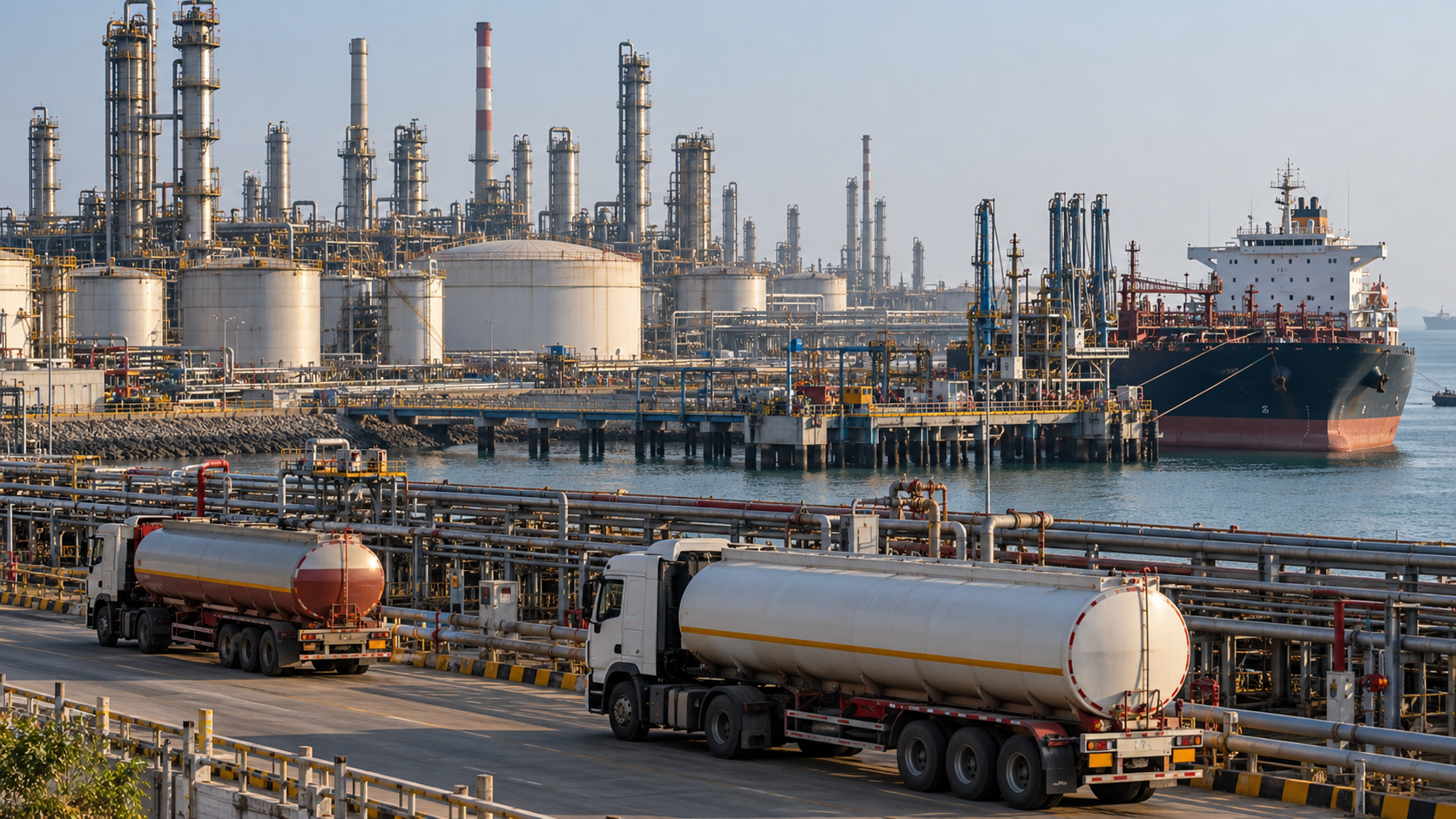
The export duty on petrol has been increased to ₹2.5 per litre from ₹0.5 per litre. At the same time, the duty on diesel exports has been cut to ₹8.5 per litre from ₹16 per litre. The revised rates are effective from October 16, 2026.
The move is part of the government’s mechanism for adjusting windfall taxes on petroleum products in response to movements in international crude oil and refined fuel prices.
India first introduced windfall taxes on fuel exports in July 2022, when global energy prices had surged and refiners were earning unusually high margins by exporting petroleum products. The levies were withdrawn around two years later.
However, the government reintroduced the tax in March 2026 after crude oil prices climbed sharply amid the conflict involving the United States, Israel and Iran.
The export duties are currently reviewed every fortnight, allowing the government to raise or lower the rates depending on changes in international crude oil prices and petroleum product prices.
The latest revision shows a different direction for the two major transport fuels. While the government has increased the levy on petrol exports, the significant reduction in the diesel duty could improve export economics for refiners shipping diesel to overseas markets.
Windfall taxes are generally used when producers or refiners earn unusually high profits because of sharp increases in global commodity prices. For India, such duties can also help balance incentives for exports with the need to maintain adequate fuel availability in the domestic market.
The revised rates could therefore influence export decisions by Indian refiners, particularly if global refining margins remain volatile.
The government is expected to continue reviewing the levies at regular intervals and make further changes depending on international oil and fuel price trends.