India and Canada will hold the next round of negotiations on their proposed Comprehensive Economic Partnership Agreement in early November, with both sides aiming to conclude the talks by the end of 2026.
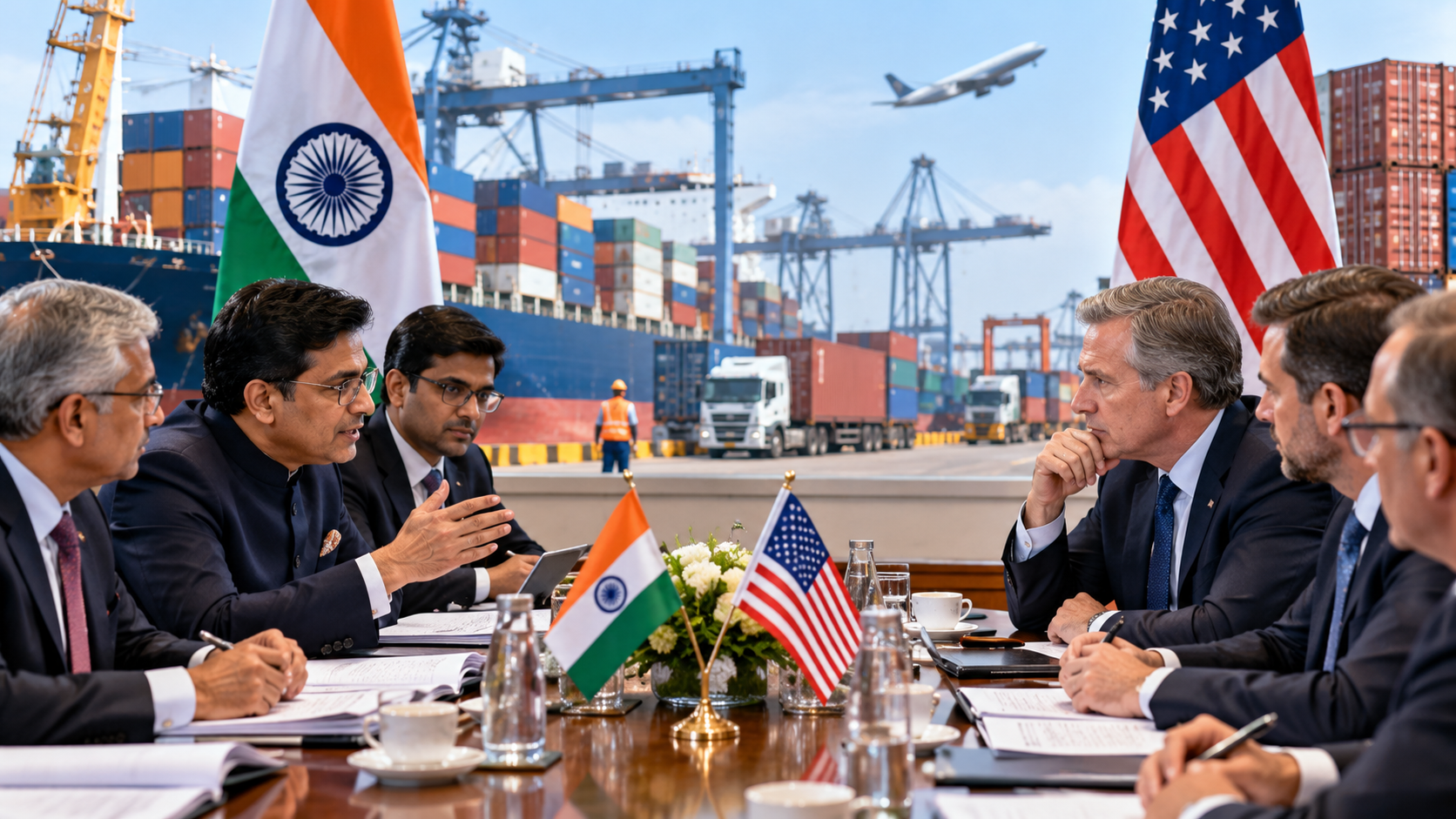
New Delhi, October 15 — India and Canada are set to hold the next round of negotiations on their proposed Comprehensive Economic Partnership Agreement (CEPA) in New Delhi in early November, according to the Commerce Ministry.
Chief negotiators from the two countries concluded the fifth round of negotiations on October 9 in Canada, and the next round will continue efforts to narrow differences and move the trade pact closer to completion.
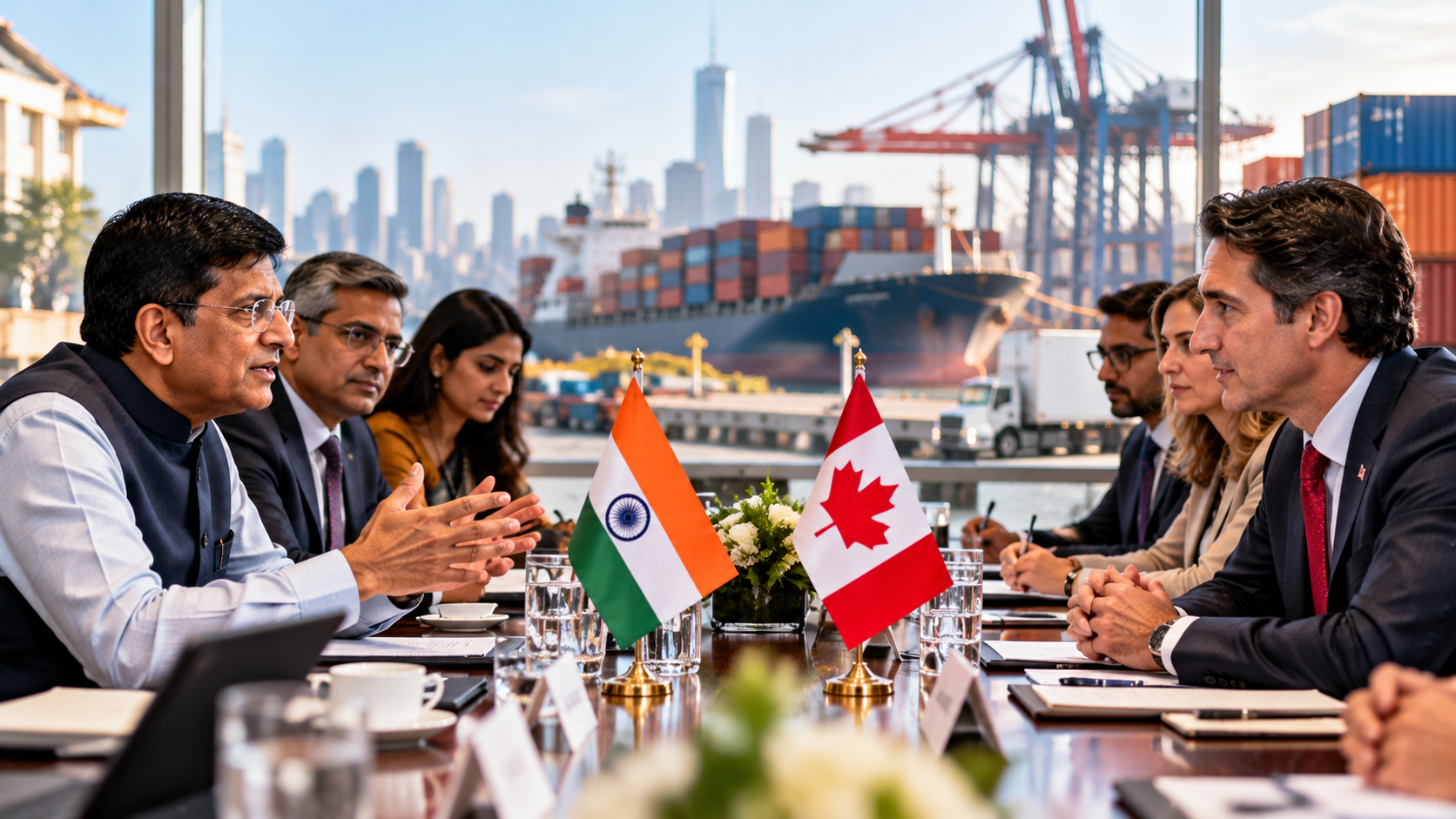
On October 13, Commerce and Industry Minister Piyush Goyal and his Canadian counterpart Maninder Sidhu discussed the agreement and agreed to advance negotiations.
A CEPA is a broader form of free trade agreement under which two countries reduce or eliminate import duties on a large number of goods while also easing rules related to services and investment.
Both sides are aiming to conclude the negotiations by the end of this year.
India-Canada bilateral trade in goods declined 8.23% to $7.95 billion in 2025-26, compared with $8.7 billion in the previous financial year.
The Commerce Ministry is also moving ahead on a separate preferential trade agreement with Mexico. Commerce Secretary Rajesh Agarwal said the two countries have finalised the terms of reference for formal negotiations and expect to sign them this month.
India-Mexico bilateral trade fell 9.11% to $7.83 billion in 2025-26, including Indian exports of $5.72 billion and imports of $2.1 billion. India recorded a trade surplus of $3.62 billion with Mexico during the year.
The ministry is also conducting workshops across the country to improve awareness and utilisation of existing free trade agreements among businesses and exporters.
Separately, Goyal launched the National Strategic Trade Command Centre (NSTCC), designed to support data-driven and evidence-based decisions on international trade.
The centre will provide policymakers with an integrated view of trade performance, export promotion schemes, regulatory approvals and operational indicators, with plans to eventually extend access to ministries, states and export promotion bodies.