“Fixing the farm supply chain will reduce price spikes and crop wastage”

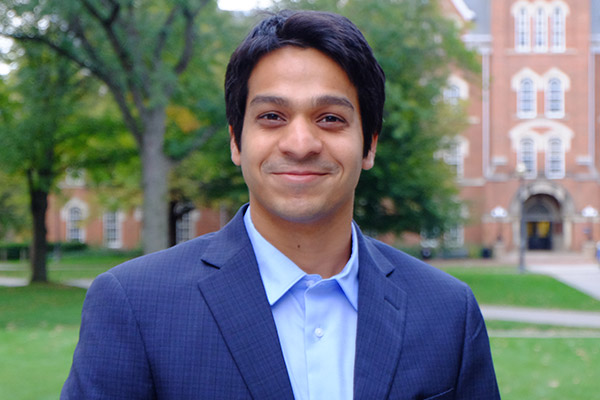
Jeevant Rampal, Assistant Professor of Economics, IIM Ahmedabad, feels that farmers must be encouraged to diversify from rice and wheat. Morever farm produce must be aligned to the demands of urban markets and inefficiencies be removed to minimise price hikes and crop wastage.

TPCI: What, in your opinion, are the reasons for the large scale exodus of migrants from cities to villages? How do you see the near term impact of this on India’s urban economy after the lockdown is lifted?

Prof. Jeevant Rampal (JR): There are strong incentives for migrants to go back to villages. They have dependable PDS, shelter, and a more general social safety net in their village. In particular, migrants cannot avail PDS in locations other than the address on their ration card. If the government wants to stop the reverse migration, then the migrants have to be reassured of food and shelter in their current location for the entire duration of the lockdown.

There will be a severe negative near-term impact of this reverse migration on India’s urban economy. The impact will be far more severe in the unorganized sector. There will be labour shortages since migrants in villages will be uncertain if the firm they worked for has resumed operations or not. That is, labourers will be uncertain if they will find work again. There may also be uncertainty about whether the lockdown will be imposed again, in which case, rather than make multiple trips, the labourers will prefer staying in their home villages. To overcome this, government and firms will have to keep communicating with their migrant workers, and incentivize them to join back. This may mean additional costs for the firms at a time when demand is down. Thus, many urban firms may be hit by short to medium term losses.

TPCI: Large-scale migration appears to support the view in favour of large-scale decentralisation of the Indian economy, so that people in remote areas need not migrate to cities. What is your perspective on this?

JR: I agree that industries should be spread throughout the country. While the spread of industry can be encouraged and facilitated (e.g. by providing infrastructure), it is an organic process, and drastic interventions to spread industries to remote places may place distortionary burdens on these industries. Labour goes to where it is in high demand, i.e. where capital is present. Urban India, due to its infrastructure and trade ties, has had a natural historical advantage in establishing industry and attracting labour. But as cities become crowded and land and capital rentals go up in cities, capital will spread to cheaper locations and slowly grow closer to villages. State governments should be prepared to take advantage of this by being flexible with policy and active in infrastructure provision.

TPCI: How can rural India’s contribution to current GVA be augmented? And what role do you see for rural India in the development of the economy, in farm and non-farm sectors?

JR: Let’s take the non-farm sector first. While rural India supplies a lot of labour to industry, the majority of this labour is non-skilled. If we can provide a significant boost to health, nutrition, and education in rural India, then rural India can provide skilled and qualified labour to rest of India. The boost to education needs to come from the government, and it needs to be an increase in access to education (primary, secondary, and higher education) as well as its quality.

In the farm sector, the government needs to encourage farmers to diversify from rice and wheat, possibly through effective minimum support prices for other crops. Rice, especially, is devastating for water tables as well as air quality. Further, the government, working with private industry, needs to remedy India’s leaky farm-to-consumer supply chain. This would reduce food wastage, and make farmers more responsive to urban demand. Fixing the supply chain will partially remedy the scenarios of vegetable price spikes with simultaneous wastage of these crops. Last, urban consumers are diversifying what they eat: from diverse foodstuffs to organic produce. Domestic farmers should be aware and responsive to this. We shouldn’t rely on imports while FCI’s stocks of rice and wheat overflow.

TPCI: What should be done to facilitate the industrialisation and development of rural regions in India? What are the key sectors that should be developed to promote gainful employment?

JR: The most important investment requirements from the government would be to provide infrastructure and education in rural regions. Construction and manufacturing are sectors that yield a high number of employment opportunities. These sectors can be incentivized by providing ample infrastructure, appropriate tax benefits, and ease of government dealing. Services sector, a significant employment generator in India, can also flourish once a strong manufacturing base is established and appropriate infrastructure is available.

TPCI: What suggestions would you like to offer to the government or private players to make sure that the rural economy becomes as vibrant and attractive for jobseekers?

JR: This is somewhat a chicken and egg problem. When will rural economy become vibrant for job seekers? When there will be jobs available. When will the job-providing firms come? When they have ample supply of quality labour, coupled with good infrastructure to operate in. So for governments, the aim should be to provide infrastructure, to make it easy for industries to locate in rural regions, i.e. make electricity, roads, telecommunication, and water easily available. Further, government should focus on providing education, which will provide a robust supply of educated potential workers who can be gainfully employed while providing value to industry as well. For private players, I would suggest that they be creative in negotiating deals with state governments. Several state governments are inviting investments from the private sector. Private players should take advantage of these invitations, and not be afraid to be creative in tailoring investment agreements to the mutual advantage of themselves and the government.

TPCI: Is there an international model of rural development that can be emulated by India? Please elaborate?

JR: The model of east Asian tigers comes to mind. While one often hears about their financial infrastructure and import restrictions, one forgets that these economies are all built on the solid bedrock of almost 100% literacy. They are reaping the returns from investing heavily in health and education. They have transitioned from being predominantly agricultural economies to powerful export centres for manufacturing and other products. India’s investment in healthcare has been less than 2% of GDP, while India’s investment in education is about 4% of GDP. These are much lower than other middle- or lower-income countries. Further, a disproportionate amount of the education expenditure of India is at the top of higher education. The quality of primary and secondary education needs to be urgently remedied.

This long-term strategy of education needs to be supplemented with a short term boost from the government. Again, learning from, the east Asian tigers, what can be fixed immediately is that the process of investment in rural setting can be made more efficient and creative from the end of state governments. Further, state government policies should be stable across successive governments to inspire confidence among potential investors.


Jeevant Rampal is an Assistant Professor at Indian Institute of Management, Ahmedabad. He has done his PhD from the Ohio State University. His research interests include My research interests are Behavioral and Experimental Economics, Game Theory, Mechanism Design, and Agricultural Economics.


Previous Post
Next Post

Most Recent Posts

  • All Post
  • 8th Pay Commission
  • Aadhar
  • Aditya Birla Capital
  • Advertising Standards
  • Affordable Housing
  • Agriculture
  • Agriculture & Food
  • AI in Healthcare
  • AI Technology
  • Airlines
  • alcohol industry
  • Android
  • APEDA
  • Apple
  • Artificial Intelligence
  • Ashwini Vaishnaw
  • asian para games
  • Asset Management
  • Atmanirbhar Bharat
  • Audio Devices
  • Audio Products
  • Auto Industry
  • Automobile
  • Automobiles
  • Automotive
  • Automotive Industry
  • Aviation
  • Bain Healthcare Report 2026
  • Bank
  • Banking
  • Banking Technology
  • Battery Industry
  • Beverage Industry
  • Beverages
  • Bihar
  • biotechnology
  • Bitcoin
  • BMW Group India
  • Brand Insight
  • BRICS
  • Bullion Market
  • Business
  • Business & Economy
  • Business & Trade
  • Business Leadership Post COVID-19
  • Business News
  • Business Terminology
  • Business Utilities
  • Buyback
  • Capital Goods
  • Capital Markets
  • CarsBusiness
  • CBIC
  • CCI
  • chemicals
  • Child Investment
  • China
  • China technology news
  • Citizen Services
  • Clean Energy
  • Clean Technology
  • Cloud Computing
  • coal
  • Commerce
  • Commerce and Industry
  • Commercial Real Estate
  • Commercial Vehicles
  • Commodities
  • Communications
  • Companies
  • Competition Law
  • Compliance
  • Computer Accessories
  • connected cars
  • Consumer
  • Consumer Affairs
  • Consumer Electronics
  • Consumer Finance
  • Consumer Goods
  • Consumer Health
  • Consumer Markets
  • Consumer News
  • Consumer Protection,
  • Consumer Rights
  • Consumer Spending
  • Consumer Trends
  • Content Creation
  • Copper
  • Corporate
  • corporate affairs
  • Corporate Earnings
  • Corporate Governance
  • Corporate News
  • Corporate Social Responsibility
  • Cost of Living
  • Country
  • CRED
  • Credit Cards
  • CREDIT RATING
  • crime
  • Crude Oil
  • Cryptocurrency
  • CSR
  • Culture
  • Currency
  • Customs Duty
  • Cyber Security
  • Cybersecurity
  • Dairy Industry
  • Data & Analytics
  • Defence
  • Delhi Government
  • Delhi-NCR
  • Demographics
  • Derivatives
  • DGCA
  • DGFT
  • DigiLocker
  • Digital Assets
  • Digital Economy
  • Digital Health India
  • Digital Identity
  • Digital India
  • Digital Infrastructure
  • Digital passport for robots
  • Digital Payments
  • Digital Platforms
  • digital services
  • Diplomacy
  • Dixon Technologies
  • DPIIT
  • E Commerce
  • E-commerce
  • E-Governance
  • Ease of Doing Business
  • Economic Growth
  • Economy
  • Edible Oil Industry
  • Editor Choice
  • EdTech
  • Education
  • Electric Mobility
  • Electric Vehicles
  • Electronics
  • Employment
  • ENERGY
  • Engineering
  • Entertainment
  • Environment
  • EPFO
  • Ethanol Economy
  • EV Industry
  • EV Technology
  • Exports
  • EXTER
  • Farmers
  • Fashion
  • festive offers
  • FINANCE
  • Finance Ministry,
  • Financial Marketing
  • Financial Markets
  • Financial News
  • Financial Planning
  • Financial Results
  • Financial Services
  • Fintech
  • FnTech
  • Food & Beverage
  • Food & Beverages
  • Food Exports
  • Food Industry
  • Food Manufacturing
  • Food Processing
  • Food Regulations
  • food safety
  • Foreign Exchange
  • Foreign Investment
  • Foreign Policy
  • Foreign Trade
  • Forex Reserves
  • fssai
  • FTA
  • Fuel
  • Fuel Prices
  • Future Energy
  • Gadgets
  • Gadgets & Apps
  • Gaming
  • GDP
  • Generative AI Healthcare
  • Geopolitics
  • GI Products
  • Global Brand Alliance
  • Global Economy
  • Global Markets
  • Global Politics
  • Global Tech
  • Global Trade Policy
  • Global Trends\
  • Gold
  • Gold Market
  • Gold Prices
  • Gols & Silver
  • Government
  • Government & Policy
  • Government Affairs
  • Government Bonds
  • Government Data
  • Government Initiatives
  • Government Policy
  • Government Policy & Regulation
  • Government Scheme
  • Government Schemes
  • Government Services
  • Green Energy
  • Green Mobility
  • GroupGlobal
  • GST
  • GST Council
  • GST Counsil
  • Hair Care
  • Hardware
  • Hatchback Segment
  • Health Supplements,
  • Horticulture
  • Housing
  • HSBC
  • Human Resources
  • humanoid robot market
  • Hyundai
  • IBT Infographics
  • iinvestment
  • Imports & Exports
  • Income Tax
  • India
  • India Auto Market
  • India Business News
  • India Inc
  • India News
  • India Retail
  • India-Canada Relations
  • India-China
  • India-Japan Relations
  • India-Russia Relations
  • India-South Korea Relations
  • India-US Relations
  • Indian Economy
  • Indian Navy
  • Industrial Pollution
  • Inflation
  • Infra
  • Infrastructure
  • Innovation
  • Instagram
  • Insurance
  • international
  • International Affairs
  • International Cooperation
  • International Relations
  • International Trade
  • Internet & Connectivity
  • Internet Policy
  • Internet Regulation
  • Interview
  • Investing
  • Investment News
  • Investments
  • iPhone News
  • IPO
  • IT Industry
  • Jewellery
  • Jio Platforms
  • JioBlackRock
  • Jobs & Careers
  • Joint Ventures
  • Kim Kardashian
  • Labour
  • Latest
  • Launches
  • Leadership
  • Leaderspeak
  • Lending
  • Lifestyle
  • Lifestyle Tech
  • List
  • Loans & Credit
  • Local News
  • Logistics
  • LPG
  • Luxury Cars
  • Machinery
  • Macroeconomics
  • Macroeconomy
  • maharashtra
  • Maharashtra News
  • Make in India
  • Makhana
  • Manufacturing
  • Market Outlook
  • Markets
  • Maruti Suzuki
  • Mergers & Acquisitions
  • Meta
  • Microsoft
  • Middle East
  • Mobile Apps
  • Mobile Industry
  • Mobile Launch
  • Mobility
  • Monetary Policy
  • Monsoon
  • MoSPI
  • MSME
  • Mutual Funds
  • Nano Tech
  • National
  • National news
  • NEET 2026
  • NewsElectric
  • NewsTata
  • NPCI
  • NPS Vatsalya
  • Office Market
  • Oil & Gas
  • Oil and Gas
  • Others
  • OTT
  • Packaged Drinking Water
  • Packaged Foods
  • Packaging Industry
  • Packaging Innovation
  • para archery
  • Passenger Vehicles
  • Paytm
  • Pension & Retirement
  • Pensions
  • Personal Care
  • Personal Finance
  • Perspectives
  • Petroleum
  • PFRDA
  • Pharmaceuticals
  • PM Modi
  • PMAY-G
  • PMAY-U
  • PMAY,
  • PMI
  • policy
  • Population
  • PORTS
  • Positive News
  • PPF
  • Precious Metals
  • Pricing
  • Product Labeling
  • Product Labelling
  • Product Launch
  • Property Market
  • PSU
  • PSU Banks
  • Public Health
  • Public Policy
  • Public Safety
  • Public Sector
  • Public Services
  • Public Welfare
  • Quarterly Results
  • Railways
  • Rajasthan
  • Raksha Bandhan
  • Raksha Bandhan Gifts
  • Rare Earths
  • RBI
  • Real Estate & Realty Sector
  • Recycling
  • Regulation
  • Regulatory Action
  • Regulatory Affairs
  • Regulatory Updates
  • REIT
  • Reliance Industries
  • Renewable Energy
  • RERA
  • Research
  • Retail
  • Retirement Planning
  • Road Infrastructure
  • Robotics & Automation
  • robotics standards
  • Rupee
  • Rural Development
  • Rural Housing
  • SAIL
  • Salaries
  • Samsung
  • Savings
  • Science & Technology
  • Sebi
  • Security
  • Semiconductor
  • Services Sector,
  • SHIPPING
  • Silver Prices
  • Skill Development
  • Skills Development
  • Small Business
  • Smart Devices
  • Smart Home
  • Smart Mobility
  • Smartphones
  • Social Impact
  • Social Media
  • Society
  • Software Development
  • Solar Energy
  • Space Technology
  • sports
  • Startups
  • Statistics
  • Steel Industry
  • Stock Market
  • stocks
  • streaming
  • Sugar Industry
  • Sukanya Samriddhi Yojana
  • Sustainability
  • SUV
  • Tamil Nadu Pollution Board
  • Tariffs
  • Tariffs & Duties
  • Tata Group
  • Tata Motors
  • Tata Sons
  • Tax Planning
  • Taxation
  • Tech
  • Tech Branding
  • Technology
  • Telecom & Technology
  • Telecom Industry
  • television
  • Top Story
  • Tourism
  • Trade
  • Trade Agreement
  • Trade Basket
  • Trade Partner
  • Trade Policy,
  • Transportation
  • Travel
  • Trending
  • Two-Wheelers
  • UIDAI
  • UPI
  • Urban Development
  • US-Iran Conflict Economic Impact
  • US–India Relations
  • Uttar Pradesh
  • VehiclesLuxury
  • vivo
  • Wastewater Management
  • Water Quality,
  • Wealth Management
  • Wearables
  • Wellness
  • WhatsApp
  • Wheat
  • Workplace
  • World
  • World News
  • Worldview
  • Yamaha
  • zLead Slider
    •   Back
    • Healthcare
    • Auto
    • Fmcg
    • Hospitality
    •   Back
    • Cash Crop
    • Organic
    • New Era Agri
    • Processed Food
    •   Back
    • Construction
    • Power
    • Mining
    • Telecom
    •   Back
    • ENERGY
    •   Back
    • Export/Import
    • Trade Deal
    • Trade Fair
    •   Back
    • Policies
    • Industry
    • Finance
    •   Back
    • Others technology
    • Mobile phone
    • Gadgets
    •   Back
    • Manufacturing
    • Services
    • Startup

India Business & Trade is a national media platform decoding the ideas, decisions and shifts shaping India’s growth story—across plicy, business, global commerce and a rapidly evolving marketplace.

Reach Us

India Business & Trade
M-62, Saket, New Delhi-110064, India

Subscribe To Newsletter

Stay ahead in the dynamic world of trade and commerce with India Business & Trade’s weekly newsletter.

Copyright © 2026 India Business & Trade. All Rights Reserved