

Pilot Targets Dormant Accounts Key Highlights The Employees’ Provident Fund Organisation (EPFO) is working on a new technology-driven initiative that will allow eligible members to receive money from dormant Provident Fund (PF) accounts directly into their linked bank accounts without submitting a claim application. As part of the pilot project, EPFO has already identified and verified around 1.18 lakh inactive PF accounts and linked them with the respective members’ active bank accounts. The initiative is designed to simplify the withdrawal process for accounts that have remained inactive for a long period and still contain unclaimed balances. In the initial phase, the project covers 7.11 lakh dormant PF accounts with balances of ₹1,000 or less, where a total of ₹30.52 crore remains unclaimed. Under the proposed system, eligible account holders will not be required to submit claim forms or visit EPFO offices. Instead, the system will automatically transfer the eligible amount, including applicable interest, to the verified bank account. To implement this automated settlement mechanism, EPFO is upgrading its digital infrastructure with technical support from the Centre for Development of Advanced Computing (C-DAC). The organization is developing a system-generated claim process that will eliminate manual intervention for eligible cases. According to the Ministry of Labour and Employment, the technology development is expected to be completed by the end of August. Once operational, payments under the pilot project could begin soon afterward. If the pilot proves successful, EPFO plans to extend the facility to an additional 24.76 lakh dormant PF accounts with balances exceeding ₹1,000. Official data shows that nearly 31.86 lakh inactive PF accounts have accumulated approximately ₹10,903 crore in unclaimed funds over the past two decades. The new initiative aims to ensure that genuine beneficiaries receive their pending PF savings quickly and without unnecessary paperwork.

Paytm, Dr Lal PathLabs Top Weekly Picks
Analysts See Up To 7% Upside Key Highlights Technical analysts have identified Paytm (One97 Communications) and Dr Lal PathLabs as attractive short-term trading opportunities for the week, citing strong breakout formations and improving momentum on price charts. According to technical market experts, Dr Lal PathLabs is showing positive signs after forming a strong support base. Traders are advised to consider buying the stock around ₹1,750, with a target price of ₹1,855. A stop-loss has been placed below ₹1,687 to limit downside risk. Based on the current technical setup, the stock offers a potential upside of around 6%. Meanwhile, Paytm (One97 Communications) has also generated bullish technical signals. Analysts recommend accumulating the stock in the ₹1,279–₹1,280 range, with a short-term target of ₹1,370 and a stop-loss at ₹1,227. The projected upside for the stock is approximately 7%. Market experts emphasize that these recommendations are based purely on technical chart analysis, including price action, breakout patterns, and momentum indicators. They are designed for short-term trading strategies rather than long-term investing. Analysts also caution traders to maintain strict discipline by following stop-loss levels, as protecting capital remains equally important as capturing potential gains in volatile market conditions.

Lodha Targets Higher Profit
Housing Demand Supports Growth Key Highlights New Delhi: Lodha Developers has set a target of achieving around ₹4,100 crore in net profit during FY27, driven by sustained demand in the residential real estate market and strong project execution. The company reported a record quarterly profit of ₹1,373.1 crore during the April-June quarter, more than double the ₹675 crore posted in the same period last year. Total income increased to ₹5,096.7 crore, while profit margins improved significantly to 26.9%. Sales bookings rose 4% year-on-year to ₹4,630 crore during the quarter, reflecting continued demand across the company’s residential portfolio. Managing Director Abhishek Lodha said the company remains confident of delivering around 20% long-term profit growth, supported by strong structural housing demand and growing preference for established real estate brands. Lodha Developers also plans to enter the Delhi-NCR housing market during the current financial year, further expanding its national presence.
AI+ Bets On India
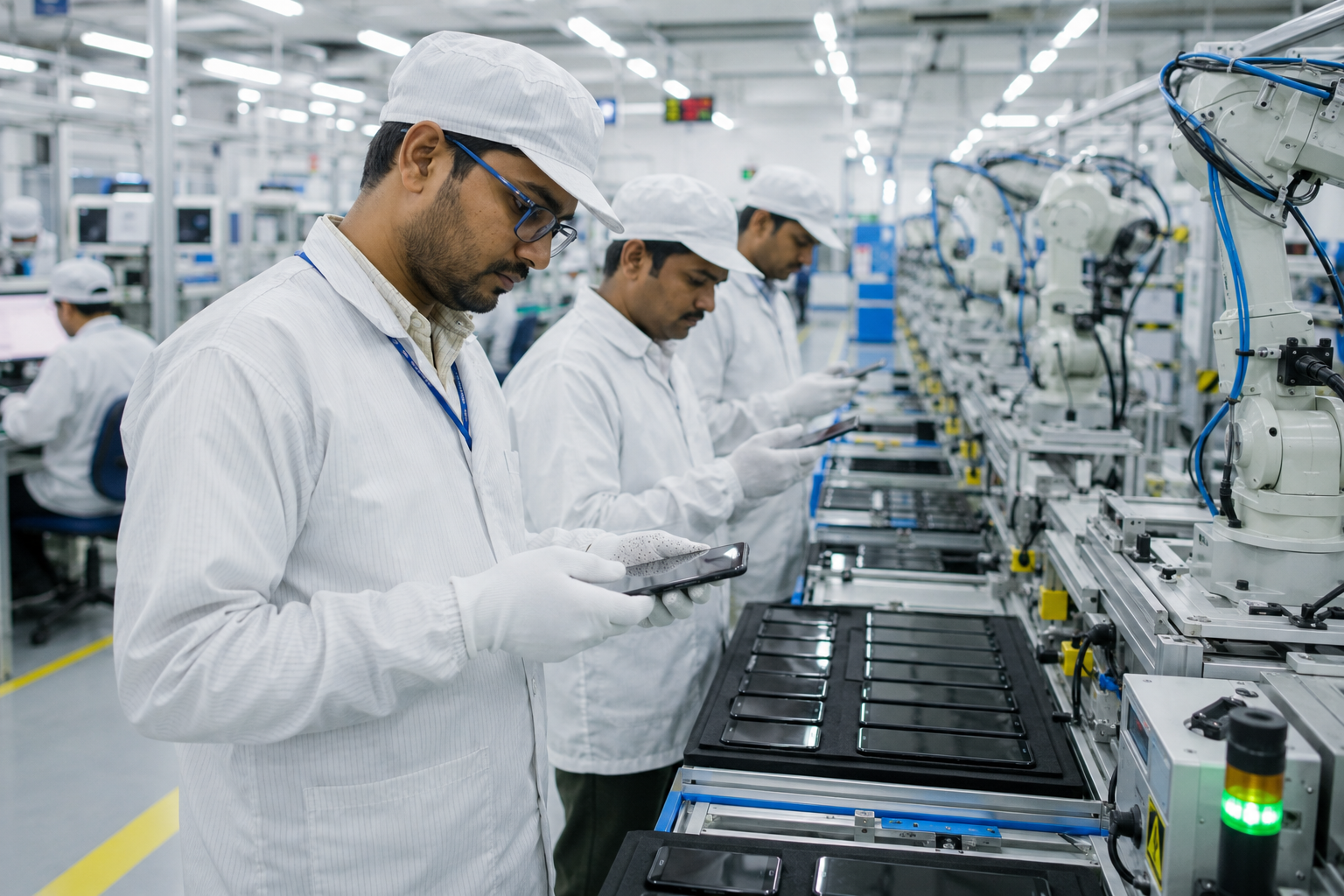
Local Smartphone Push Key Highlights New Delhi: AI+ smartphone maker NxtQuantum is accelerating its efforts to build a globally competitive Indian smartphone brand by investing heavily in research, local manufacturing, and domestic supply chains. Founder Madhav Sheth said the company has drawn on more than two decades of experience in the smartphone industry, including work with Realme, Oppo, and Honor, to create a fully homegrown technology ecosystem. The company generated ₹965 crore in revenue during its first fiscal year and expects revenue to exceed ₹7,500 crore in FY27. AI+ has already invested significantly in software development, server infrastructure, and research facilities within India. The company also plans to expand its R&D workforce to over 150 engineers while strengthening component development under the government’s Mobile Phone Manufacturing Scheme (MPMS). Currently, AI+ offers five smartphone models across multiple price segments and aims to establish itself as India’s leading domestic smartphone brand.

Shriram Eyes Gold Expansion
Loan Share To Double Key Highlights Mumbai: Shriram Finance has announced plans to double the share of gold loans in its overall lending portfolio from around 2.5% to 5% over the next three years, as the company strengthens its presence in one of India’s fastest-growing secured lending segments. As of June 2026, the company’s gold loan portfolio stood at ₹7,514 crore, accounting for 2.39% of its ₹3.13 lakh crore loan book. During the first quarter of FY27, the segment recorded a 46% year-on-year growth. Executive Vice Chairman Umesh Revankar said the company intends to grow the business organically through its nationwide network of more than 3,200 branches rather than pursuing acquisitions. Apart from gold loans, the lender also plans to expand its MSME portfolio, which currently stands at ₹41,962 crore, as it sees significant long-term growth opportunities in the segment. The company believes rising gold prices and strong household gold holdings in India will continue supporting demand for secured retail loans.
FSSAI Suspends Westend Licence
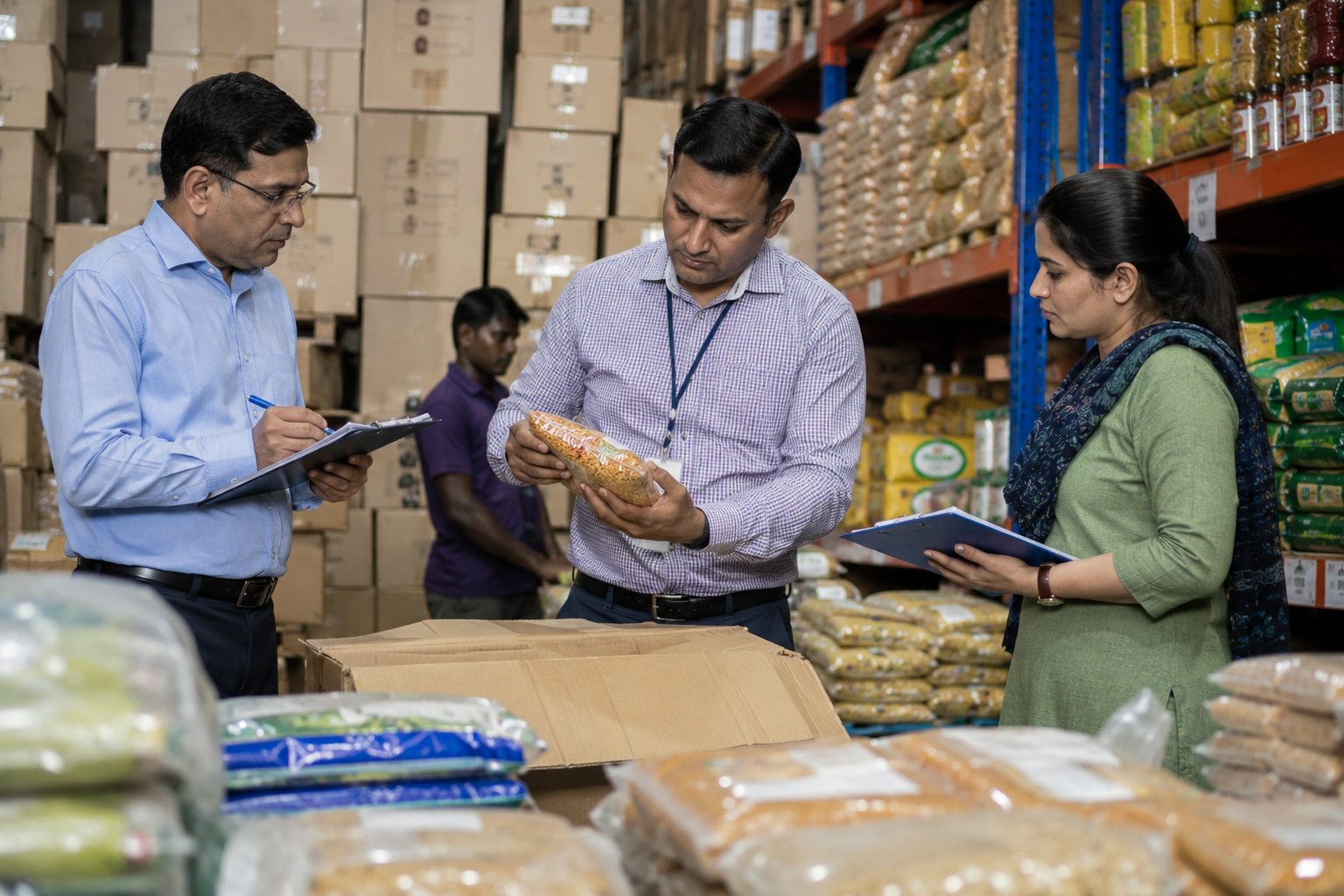
Label Fraud Detected Key Highlights New Delhi: The Food Safety and Standards Authority of India (FSSAI) has suspended the food licence of Westend Agro Products Pvt Ltd after an inspection uncovered multiple violations of food safety regulations. According to the regulator, the inspection was initiated following complaints regarding alteration of manufacturing dates, expiry dates, batch numbers, and fraudulent relabelling of food products. Officials found that Westend Agro Products and Westend Corporation were operating from the same premises. During the inspection, FSSAI discovered several products carrying altered labels, misleading declarations, and packaging claiming “organic” status. Authorities also recovered printing machinery, stamps, solvents, labels, and wrappers allegedly used to manipulate mandatory food information. The regulator stated that such deliberate alteration of food labels poses a direct threat to consumer health and public safety, making the products prima facie unsafe. The licence suspension takes immediate effect until further notice. The action is part of FSSAI’s ongoing enforcement drive against misleading food labels, substandard products, and regulatory violations across the food industry.
ITR Without Form 16
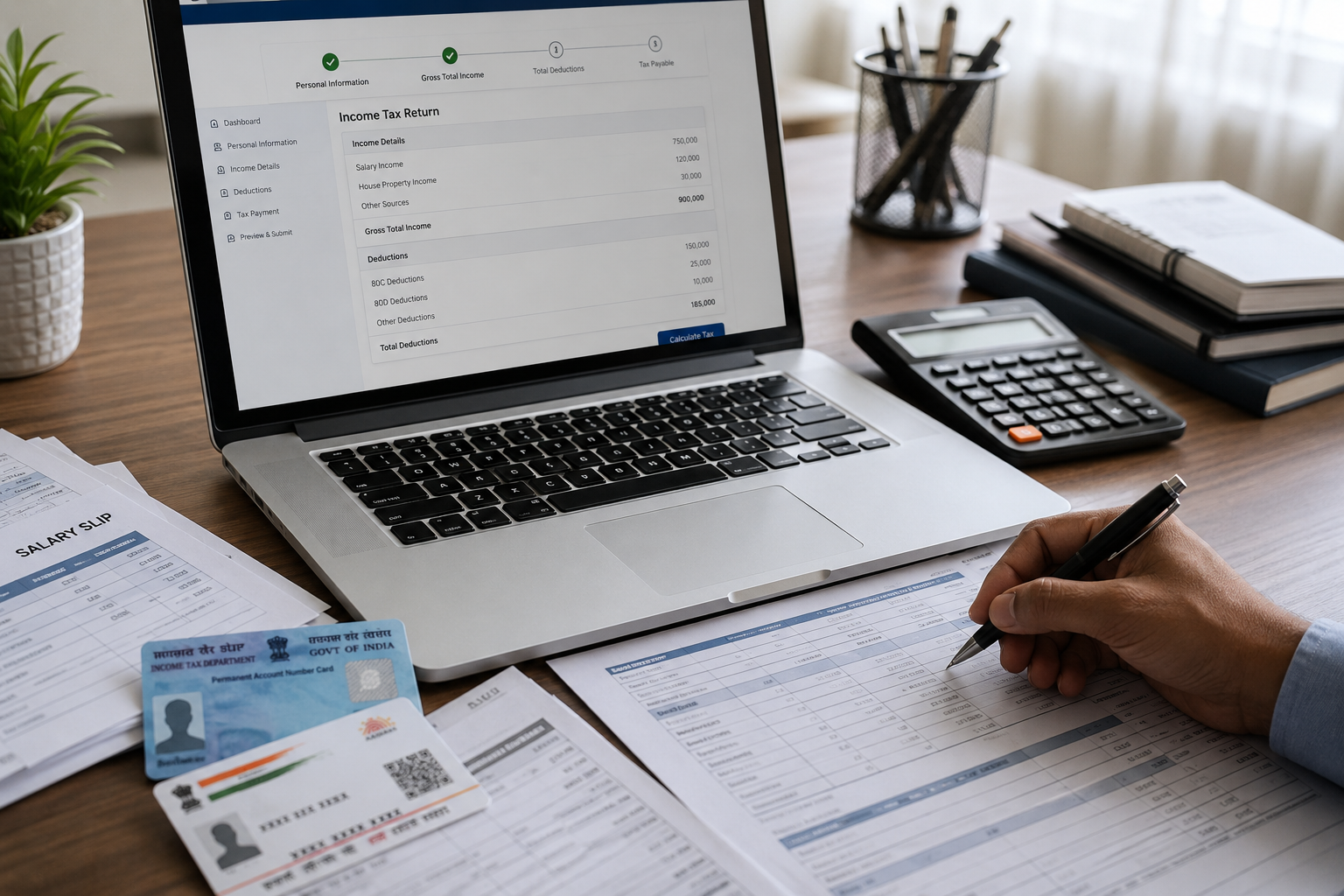
Easy Filing Before Deadline Key Highlights New Delhi: Salaried taxpayers who have not yet received Form 16 from their employer can still file their Income Tax Return (ITR) before the 31 July 2026 deadline. Tax experts say Form 16 is a useful document, but it is not mandatory for filing an income tax return if all the required financial information is available through other official documents. Taxpayers can prepare and file their ITR using documents such as salary slips, Form 26AS, Annual Information Statement (AIS), Taxpayer Information Summary (TIS), bank statements, interest certificates and investment proofs. These records help calculate total income, tax deductions and tax liability accurately. The process begins by downloading Form 26AS and AIS from the Income Tax portal and verifying the information with salary slips and bank records. Taxpayers should also include interest earned from savings accounts, fixed deposits and other investments while calculating their gross total income. After applying deductions and selecting the applicable tax regime, the taxable income can be calculated before filing the return online. While filing the return, taxpayers should carefully verify the pre-filled information available on the Income Tax portal and ensure that PAN, Aadhaar, bank account details and income figures match their documents. After submitting the return, e-verification must be completed to make the filing valid. Although waiting for Form 16 is generally recommended because it contains employer-reported salary and TDS details, taxpayers do not need to delay filing if the document has not been issued. Accurate calculation using official records can help avoid errors, reduce the chances of receiving tax notices and ensure timely processing of refunds. For those who still wish to obtain Form 16, it can also be downloaded through the TRACES portal, subject to availability.

EPFO Interest Check Guide
Check Balance Via UMANG Key Highlights New Delhi: The Employees’ Provident Fund Organisation (EPFO) has started crediting 8.25% annual interest for the financial year 2025-26 into members’ Provident Fund (PF) accounts. While many account holders have already received the updated balance, others can easily check whether the interest has been credited using the UMANG App or other digital services. The UMANG App offers one of the easiest ways to check PF balance and interest status from home. Members need to download the app from the Google Play Store or Apple App Store and log in using the mobile number registered with their EPFO account. After logging in, users should open the Service Directory, select EPFO, and click on the View Passbook option. Entering the Universal Account Number (UAN) and verifying the OTP sent to the registered mobile number will display the updated PF balance, including the credited interest. Apart from the UMANG App, EPFO members can also check their balance through SMS, missed call services and the e-Passbook portal. For the SMS service, users must send “EPFOHO UAN HIN” to 7738299899 from their registered mobile number. The system then sends the latest PF balance details via SMS. Members can also log in to the EPFO portal using their UAN and password to access the e-Passbook, which provides a detailed record of contributions, interest credited and current account balance. According to EPFO, interest is calculated on the monthly running balance in members’ accounts and is credited annually. With multiple online options now available, account holders can conveniently verify whether the latest interest amount has been deposited without visiting an EPFO office.

US Lowers India Tariff
Section 301 Duty Reduced Key Highlights New Delhi: The United States has reduced the proposed additional tariff on Indian imports under its Section 301 investigation, placing India in the lower tariff category with an additional 10% duty, down from the 12.5% initially proposed in June 2026. The revised measures were announced by the U.S. Trade Representative (USTR) on July 23. The decision follows a USTR investigation into the policies and enforcement of forced labour import restrictions across 60 economies, including India. According to the Government of India, continuous engagement through written submissions, public hearings and bilateral consultations helped secure a lower tariff rate for Indian exports. A significant portion of India’s exports to the United States will remain unaffected by the new duty. Products such as generic pharmaceuticals, smartphones and several other specified goods continue to be exempt from the additional tariff. Similarly, steel, aluminium and auto parts, which are already covered under separate Section 232 measures, will not attract the new 10% duty. The government estimates that nearly 45% of India’s exports to the U.S. will remain outside the scope of the Section 301 tariff. The remaining 55% of exports will be subject to the additional 10% duty, though India will continue to enjoy a comparatively lower tariff burden than many other countries covered under the investigation. The USTR has also proposed a separate textile-specific mechanism, but the framework has not yet been finalised or implemented. India said discussions on the issue are continuing as part of the ongoing negotiations for the India-U.S. Bilateral Trade Agreement (BTA). The Government of India reaffirmed its commitment to strengthening trade ties with the United States and stated that efforts are underway to conclude the Bilateral Trade Agreement at the earliest. Officials believe the lower tariff rate provides Indian exporters with a competitive advantage while broader trade negotiations continue between the two countries.
India’s Hydrogen Train Milestone
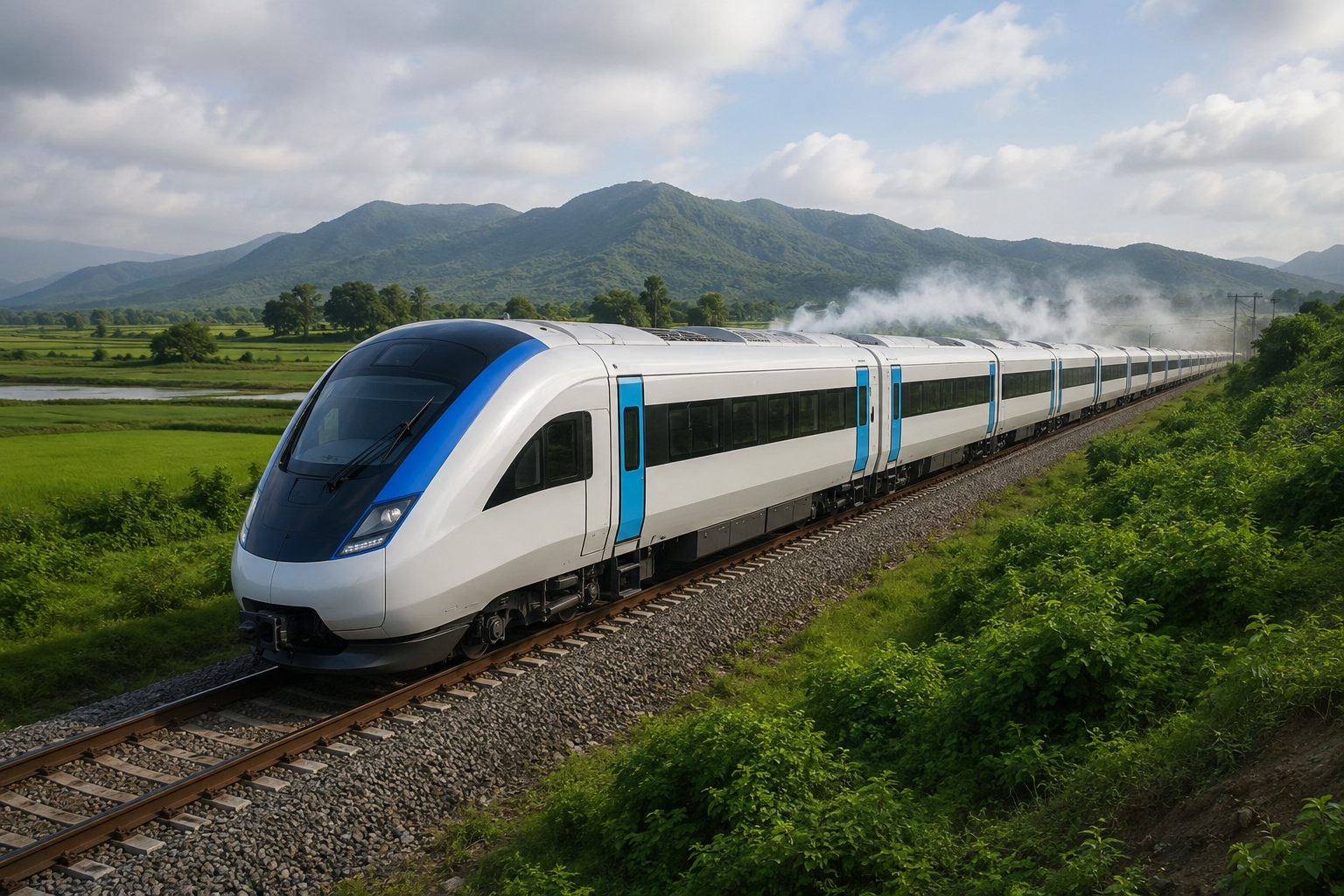
Diesel Replaced By Hydrogen Key Highlights New Delhi: India has achieved a major milestone in sustainable transportation as the country’s first hydrogen-powered train successfully completed more than 1,200 kilometres of operations between Jind and Sonipat after being flagged off on July 17, 2026. The project has already replaced the use of over 3,200 litres of diesel, showcasing the potential of hydrogen-powered rail transport in reducing fossil fuel consumption and emissions. Unlike conventional diesel locomotives, the hydrogen train generates electricity onboard through a chemical reaction between hydrogen and oxygen inside fuel cells. The electricity produced powers the train, while the only by-product released into the atmosphere is water vapour, making it one of the cleanest rail technologies currently available. The system produces no smoke and no direct carbon emissions during operation. Developed entirely by Indian Railways, the indigenous hydrogen train consists of 10 coaches and is powered by two Hydrogen Driving Power Cars capable of producing a combined 2,400 kW of power. The propulsion system is supported by advanced lithium iron phosphate batteries and high-pressure hydrogen cylinders, ensuring efficient and reliable performance throughout the journey. To support the project, Indian Railways has established its first dedicated green hydrogen storage facility at Jind. The facility can store nearly 3,000 kilograms of hydrogen, with storage pressure reaching up to 500 bar and dispensing pressure of 350 bar, ensuring a continuous fuel supply for train operations. Safety has been a key focus of the project. The train is equipped with multiple independent monitoring systems capable of detecting hydrogen leaks, excessive heat, flames and smoke. Automatic shut-off mechanisms, continuous ventilation systems and internationally compliant safety standards have been integrated to ensure secure operation under all conditions. Following the successful completion of the Jind-Sonipat operations, Indian Railways plans to begin trial runs on the Delhi route, marking the next phase of the country’s hydrogen rail programme. Officials believe the project will lay the foundation for a complete indigenous hydrogen rail ecosystem while strengthening India’s commitment to clean, sustainable and zero-emission transportation. The successful deployment of the hydrogen train is expected to play a crucial role in reducing dependence on diesel-powered locomotives, promoting green hydrogen adoption and positioning India among the global leaders in clean railway technology.