
The Government of India is preparing major policy easing across key sectors to simplify Foreign Direct Investment (FDI) norms, reduce regulatory friction, and attract long-term global capital.
Ashok Leyland Joins UCO Bank
CV Financing Partnership Signed Key Highlights Commercial vehicle manufacturer Ashok Leyland has entered into a strategic partnership with UCO Bank to provide customized financing solutions for customers purchasing its trucks and buses. The two organizations have signed a Memorandum of Understanding (MoU) that will enable businesses and fleet operators to access flexible financing options while buying Ashok Leyland commercial vehicles. Ashok Leyland Whole-Time Director and CFO K. M. Balaji said the partnership will strengthen the company’s market presence by making its range of commercial vehicles more accessible to customers across India. UCO Bank Deputy General Manager and Zonal Head R. S. Ajith said the collaboration reinforces the bank’s commitment to supporting businesses through tailored financing solutions that simplify vehicle ownership. The partnership is expected to improve financing accessibility for transport operators, logistics companies and commercial fleet owners, supporting the growth of India’s transportation sector.
Government Summons Meta
PM Post Removal Queried Key Highlights The Ministry of Electronics and Information Technology (MeitY) has summoned Meta’s Global Head of Public Policy after a Facebook post by Prime Minister Narendra Modi was temporarily removed from the platform. According to government sources, the ministry has sought an explanation from Meta regarding the incident involving the Prime Minister’s post, which was published on July 23 and addressed India’s youth while highlighting measures against examination paper leaks. A Meta spokesperson acknowledged the incident and said the removal occurred due to an operational error. The company stated that the content was removed mistakenly and has since been restored on Facebook. The government is expected to seek further clarification regarding the circumstances that led to the removal and the safeguards in place to prevent similar incidents in the future.

Ampere Partners Muthoot Capital
EV Financing Gets Easier Key Highlights Greaves Electric Mobility Ltd has announced a strategic partnership between its electric two-wheeler brand Ampere and Muthoot Capital Services to offer convenient retail financing solutions for customers across India. The collaboration is aimed at making electric two-wheelers more affordable by providing flexible repayment options suited to salaried employees, self-employed professionals, gig workers and small business owners. Greaves Electric Mobility Chief Business Officer Manoj MP said the partnership combines trusted brands to offer seamless ownership experiences while accelerating electric mobility adoption across Bharat. Muthoot Capital Services CEO Mathews Markose said financing will play a crucial role in expanding EV adoption beyond metropolitan cities and into smaller towns and rural markets. The companies expect the financing partnership to reduce affordability barriers and encourage more consumers to switch to sustainable transportation.
HUL Q1 Profit Slips 3.2%
Revenue Hits 13-Quarter High Key Highlights FMCG giant Hindustan Unilever Ltd (HUL) reported a 3.17% year-on-year decline in consolidated net profit to ₹2,680 crore for the June quarter of FY27, primarily due to exceptional expenses and a sharp increase in tax costs. The company had posted a net profit of ₹2,768 crore during the same quarter last year. During the quarter, HUL recorded an exceptional loss of ₹75 crore, including restructuring expenses of ₹115 crore, partially offset by a ₹45 crore gain from the disposal of surplus assets. Tax expenses also surged to ₹952 crore, compared with ₹526 crore a year earlier. Despite lower profit, HUL delivered its highest revenue growth in 13 quarters, with revenue from product sales increasing 10.26% to ₹17,149 crore. Total income rose 9.84% to ₹17,529 crore, while EBITDA increased 8% to ₹3,947 crore, maintaining an EBITDA margin of 23%. CEO and Managing Director Priya Nair said the company achieved 10% Underlying Sales Growth (USG), driven equally by volume and pricing, despite a volatile operating environment. Among business segments, Home Care led growth with revenue rising 13.4% to ₹6,554 crore, supported by strong demand for brands such as Surf Excel, Rin and Vim. Beauty & Wellbeing also delivered robust growth of 12.4%, driven by premium skincare, haircare and the recently acquired Minimalist brand. The Food segment grew 6.8%, supported by strong demand for coffee, lifestyle nutrition and packaged foods, while Personal Care recorded a 3.3% increase amid continued inflation in palm oil prices. HUL said it remains focused on volume-led growth while strengthening its premium product portfolio and innovation pipeline.
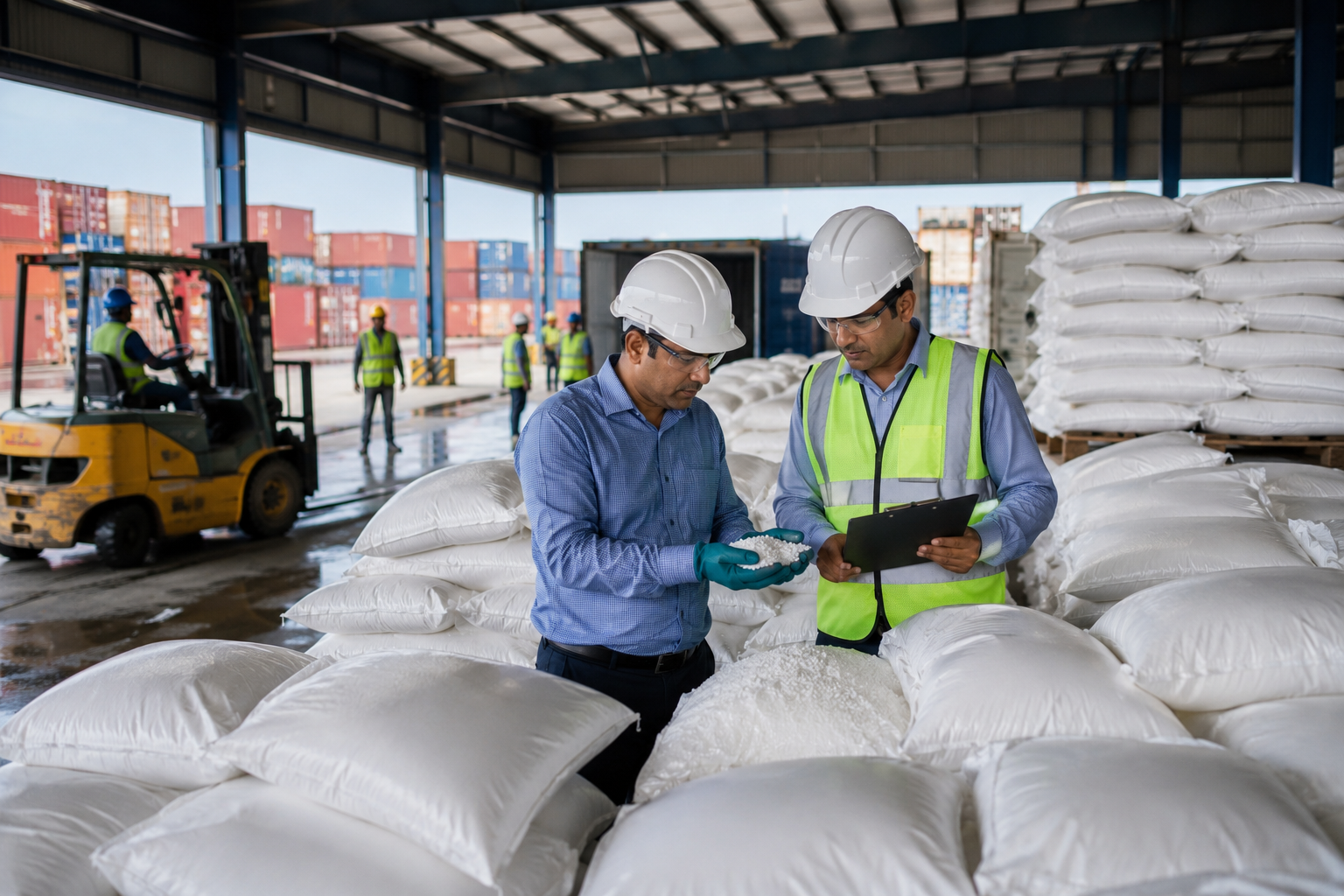
DGFT Restricts PVC Resin Imports
Minimum Import Price Imposed Key Highlights The Directorate General of Foreign Trade (DGFT) has imposed a Minimum Import Price (MIP) on Suspension Grade Polyvinyl Chloride (S-PVC) resin, a key raw material widely used in manufacturing PVC pipes, fittings, electrical cables, films, footwear and several industrial products. Under Notification No. 25/2026-27, imports of S-PVC resin with a CIF value of US$0.766 per kilogram or below have been shifted from the “Free” category to the “Restricted” category. Importers bringing in material below this price will now require a DGFT import licence in addition to paying applicable customs duties. The measure will remain effective for six months. Imports priced above the prescribed threshold will continue under the free import regime during the notification period. However, the notification has raised legal uncertainty over whether all S-PVC imports could become restricted after six months if no further clarification is issued. The policy exempts imports made by 100% Export Oriented Units (EOUs), Special Economic Zones (SEZs) and shipments under the Advance Authorisation Scheme, provided the imported material is used for export production. India remains heavily dependent on imported PVC resin, importing nearly 64% of its annual requirement. The country consumes around 4.7 million metric tonnes (MMT) of PVC annually, while domestic production capacity stands at only about 1.7 MMT. Major domestic manufacturers include Reliance Industries, Chemplast Sanmar, and DCM Shriram. The notification is expected to affect virtually every major exporting country, including China, Japan, Taiwan, South Korea, the United States, Mexico, Indonesia, Thailand, Singapore and Vietnam, as their average export prices currently remain below the new MIP threshold. Industry experts believe the measure is unlikely to significantly reduce imports because domestic production cannot meet demand. Instead, the higher import cost is expected to push up domestic PVC resin prices, improving margins for Indian producers while increasing production costs for downstream industries. Thousands of MSMEs manufacturing PVC pipes, irrigation equipment, plumbing products, electrical cables, packaging materials, footwear and medical products may experience higher raw material costs. These increased costs could eventually be passed on to consumers, affecting sectors such as agriculture, housing and public infrastructure. The MIP replaces the anti-dumping duties earlier recommended by the Directorate General of Trade Remedies (DGTR), which were not implemented by the Ministry of Finance due to concerns over their impact on downstream industries. Looking ahead, India’s dependence on imports could gradually decline as new domestic capacity comes online. Reliance Industries continues expanding its PVC operations, while the Adani Group is developing a 2.0 MMT integrated PVC manufacturing complex at Mundra, with the first phase expected to begin production in FY2027-28. Analysts estimate that if import volumes remain unchanged and overseas suppliers raise prices to comply with the new MIP, India’s annual S-PVC import bill could increase by approximately US$200 million.
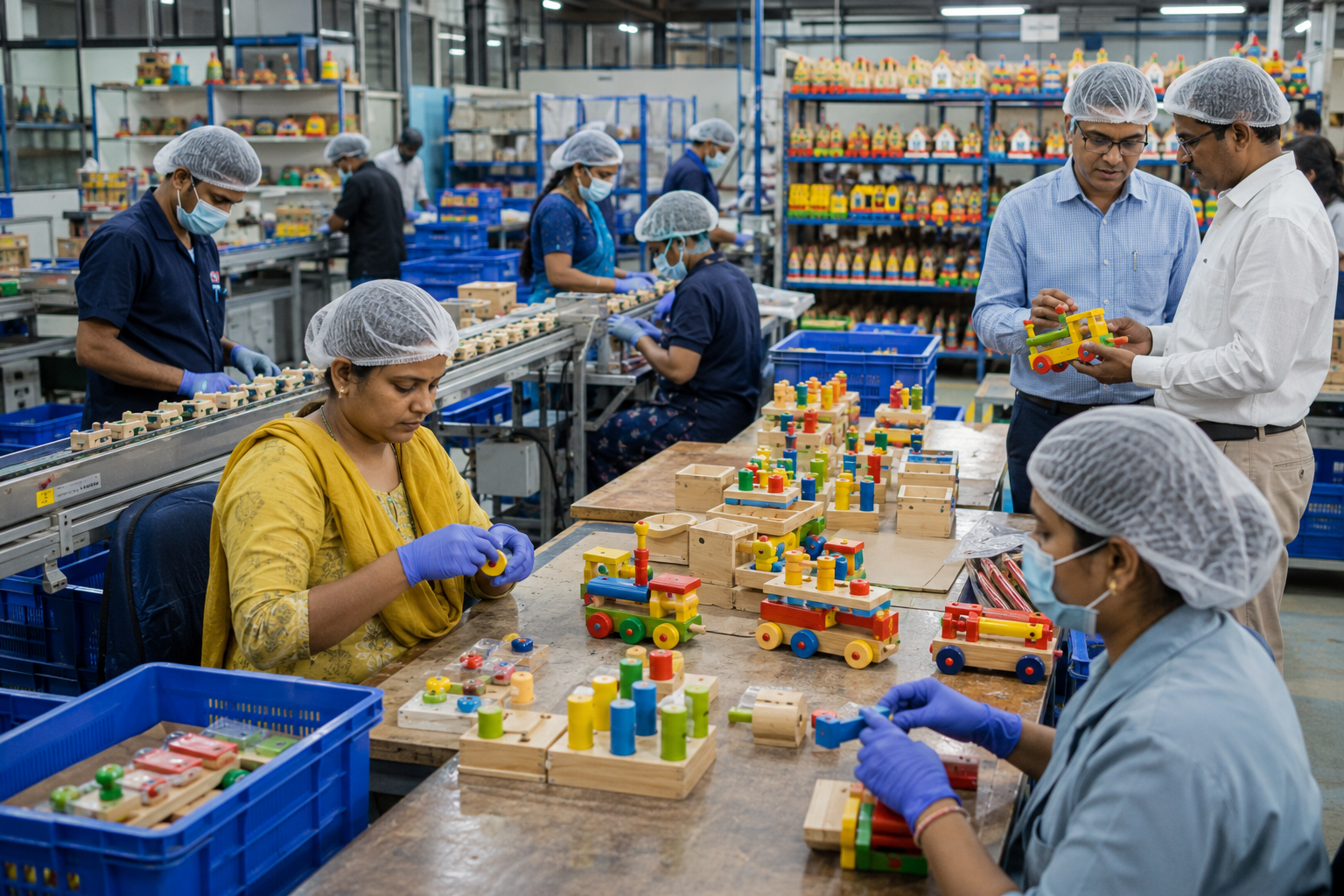
Task Force For Toy Industry
India Eyes 5% Share Key Highlights The Central Government has announced the formation of a dedicated task force to strengthen India’s toy manufacturing industry and help the country secure a 5% share of the global toy market by 2032. The announcement was made by Union Commerce and Industry Minister Piyush Goyal during the stakeholder meeting titled “Team Up for Toys: Driving SCALE, Innovation and Exports”, organized by the Department for Promotion of Industry and Internal Trade (DPIIT) at Vanijya Bhawan in New Delhi. The newly formed task force will focus on six strategic priorities: integrating Indian manufacturers into global value chains, strengthening domestic manufacturing capabilities, removing value chain bottlenecks, creating a skilled workforce, promoting product design and innovation, and improving the ease of doing business. During the event, the government also launched the Toy Sector Playbook, a comprehensive roadmap designed for manufacturers, startups, MSMEs, entrepreneurs, and investors. The playbook provides practical guidance on manufacturing ecosystems, quality standards, compliance, product innovation, intellectual property, exports, and emerging market opportunities. Addressing industry representatives, Piyush Goyal said the rapid progress of India’s toy industry reflects the country’s broader vision of becoming a developed nation under the Viksit Bharat initiative. He encouraged stakeholders to build a complete domestic manufacturing ecosystem powered by advanced technologies, stronger localization, high-quality standards, and globally competitive branding. The minister also highlighted several government initiatives supporting the sector, including BIS quality certification, MSME support schemes, startup promotion, and cluster development programs. He urged companies to prioritize innovation, sustainability, design excellence, and exports to establish globally recognized Indian toy brands. According to DPIIT, India’s toy ecosystem has expanded significantly, now comprising more than 21,000 MSMEs, over 770 DPIIT-recognized toy startups, nearly 50 toy manufacturing clusters, and more than 1,800 BIS-certified manufacturers. SCALE Chairman Dr. Pawan Goenka emphasized that India is well-positioned to become a preferred global manufacturing hub as international supply chains continue to diversify. He noted that increasing manufacturing scale, innovation, and export competitiveness will be key to achieving the country’s 2032 target.
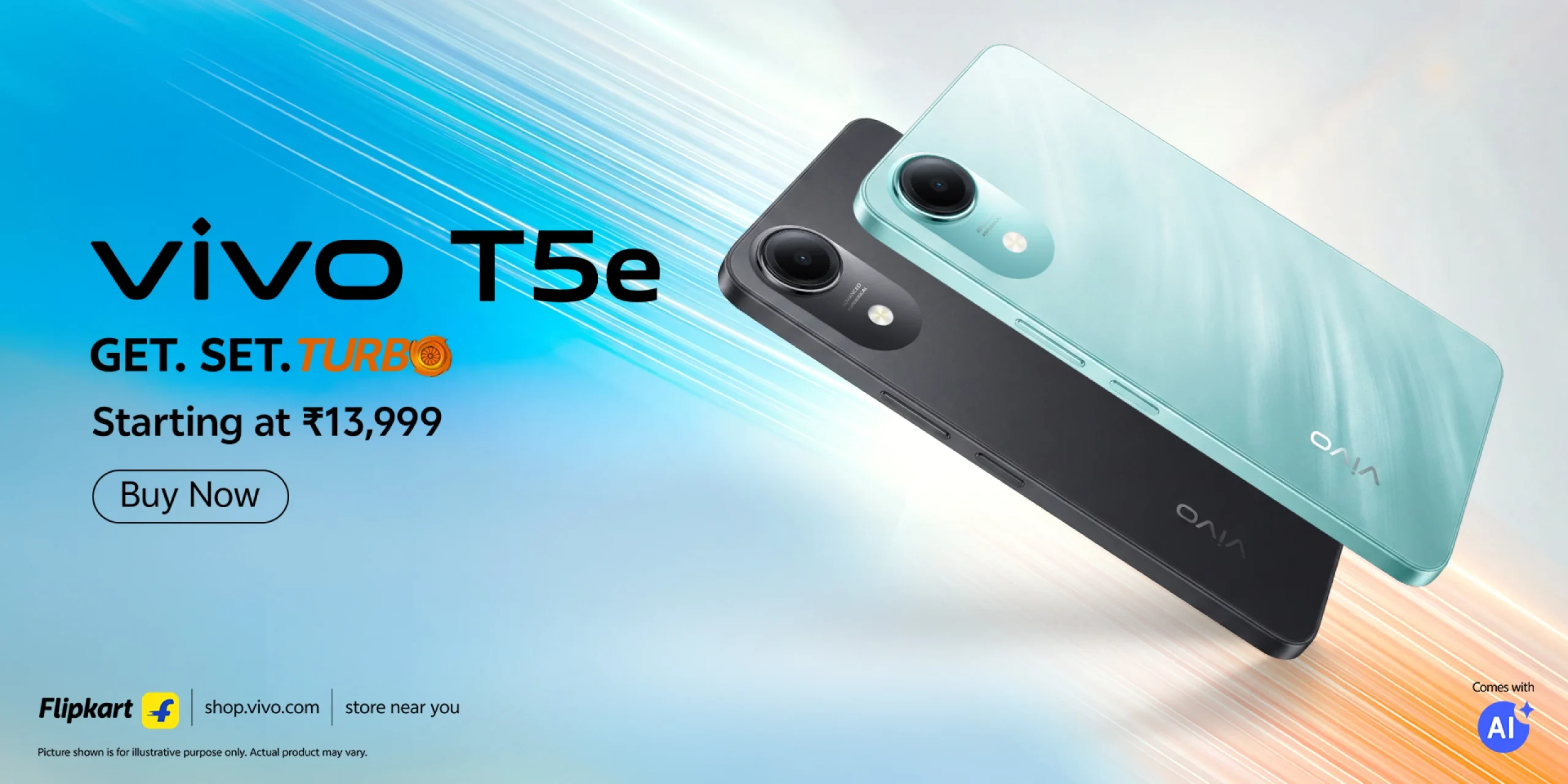
vivo Launches Budget T5e
5500mAh Battery, Android 16 Key Highlights vivo has expanded its affordable smartphone lineup in India with the launch of the vivo T5e, a new device aimed at students, first-time smartphone buyers, and young professionals seeking reliable performance and long battery life. Priced at ₹13,999 for the 4GB RAM + 64GB storage variant, the smartphone is now available for purchase through the vivo India online store, Flipkart, and authorized retail outlets. The standout feature of the vivo T5e is its 5,500mAh battery, designed to provide all-day usage across entertainment, social media, communication, and productivity. The device supports 15W fast charging, reverse charging, and includes battery optimization features designed to maintain battery health for up to four years. The smartphone sports a 6.74-inch HD+ display with a 90Hz refresh rate, offering smoother scrolling and an improved viewing experience. Eye comfort features and adaptive brightness are also included to reduce eye strain during extended use. Under the hood, the vivo T5e is powered by the UNISOC T7225 octa-core processor, paired with 4GB RAM and up to 4GB Extended RAM, while storage can be expanded up to 2TB via a microSD card. Running OriginOS 6 based on Android 16, the phone introduces AI-powered productivity tools such as AI Creation, Cutout, and vivo DocMaster, helping users summarize content, edit documents, and enhance productivity. For durability, the device features IP64-rated dust and splash resistance, military-grade durability certification, and supports wet-hand and greasy-hand touch functionality. It also includes a side-mounted fingerprint sensor for quick unlocking. On the camera front, the vivo T5e houses an 8MP rear camera and a 5MP front camera, supported by AI-based editing tools for everyday photography. The smartphone is available in Shadow Grey and Aero Blue color options and is manufactured at vivo’s Greater Noida facility as part of the company’s Make in India initiative.
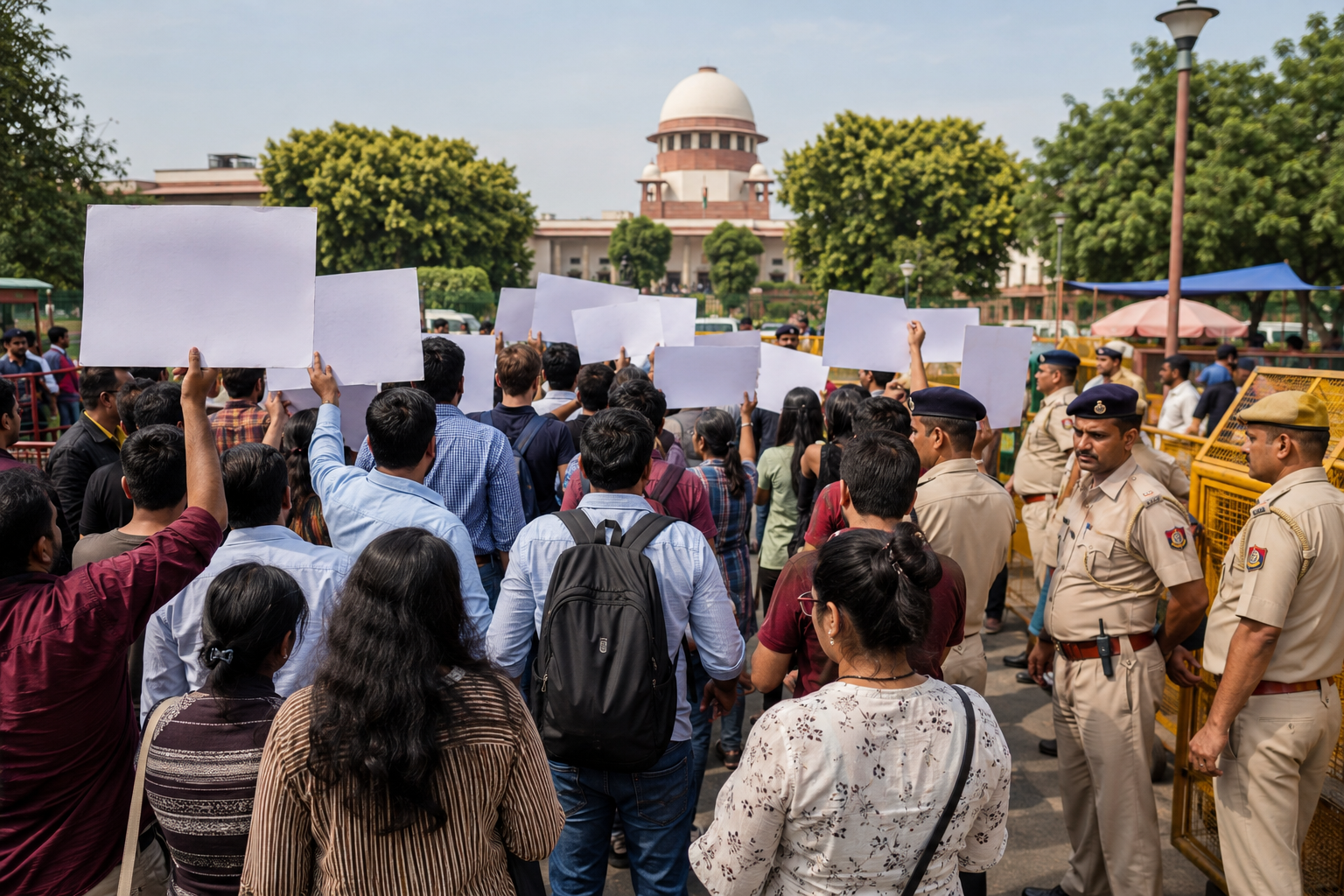
SC Backs Peaceful Protests
Seeks Uniform Protest Rules Key Highlights The Supreme Court on Monday reiterated that the right to hold peaceful protests is a fundamental constitutional guarantee and observed that police excesses cannot be justified simply because a public demonstration is taking place. A Bench led by the Chief Justice of India, along with two other judges, made the observations while hearing a batch of petitions seeking uniform nationwide guidelines to ensure peaceful protests can be conducted without unnecessary restrictions or excessive use of force. During the proceedings, the Bench emphasized that democratic societies require both the protection of citizens’ rights and responsible conduct during public demonstrations. The court noted that while maintaining law and order is essential, the use of force should not become the default response to protests. The judges also underlined that every human life carries equal value, including that of protesters and police personnel deployed to maintain public order. The Bench stressed that peaceful assemblies should be managed through well-defined procedures rather than ad hoc responses. The petitions before the court referred to allegations of excessive police action during recent protests in Delhi and Bihar. Petitioners argued that a uniform national framework is needed to ensure that citizens can exercise their constitutional rights while allowing authorities to address genuine security concerns and prevent violence by anti-social elements. The Supreme Court observed that there should be a clear and consistent protocol governing public protests across the country, including designated spaces, crowd management procedures, and safeguards against unnecessary restrictions or excessive force. Representing the Union government, the Solicitor General assured the court that the Centre would assist in the matter objectively. The Bench directed that all petitions related to the issue be heard together during the next hearing. The case is expected to play an important role in shaping future guidelines on balancing the constitutional right to peaceful protest with public order and law enforcement responsibilities.
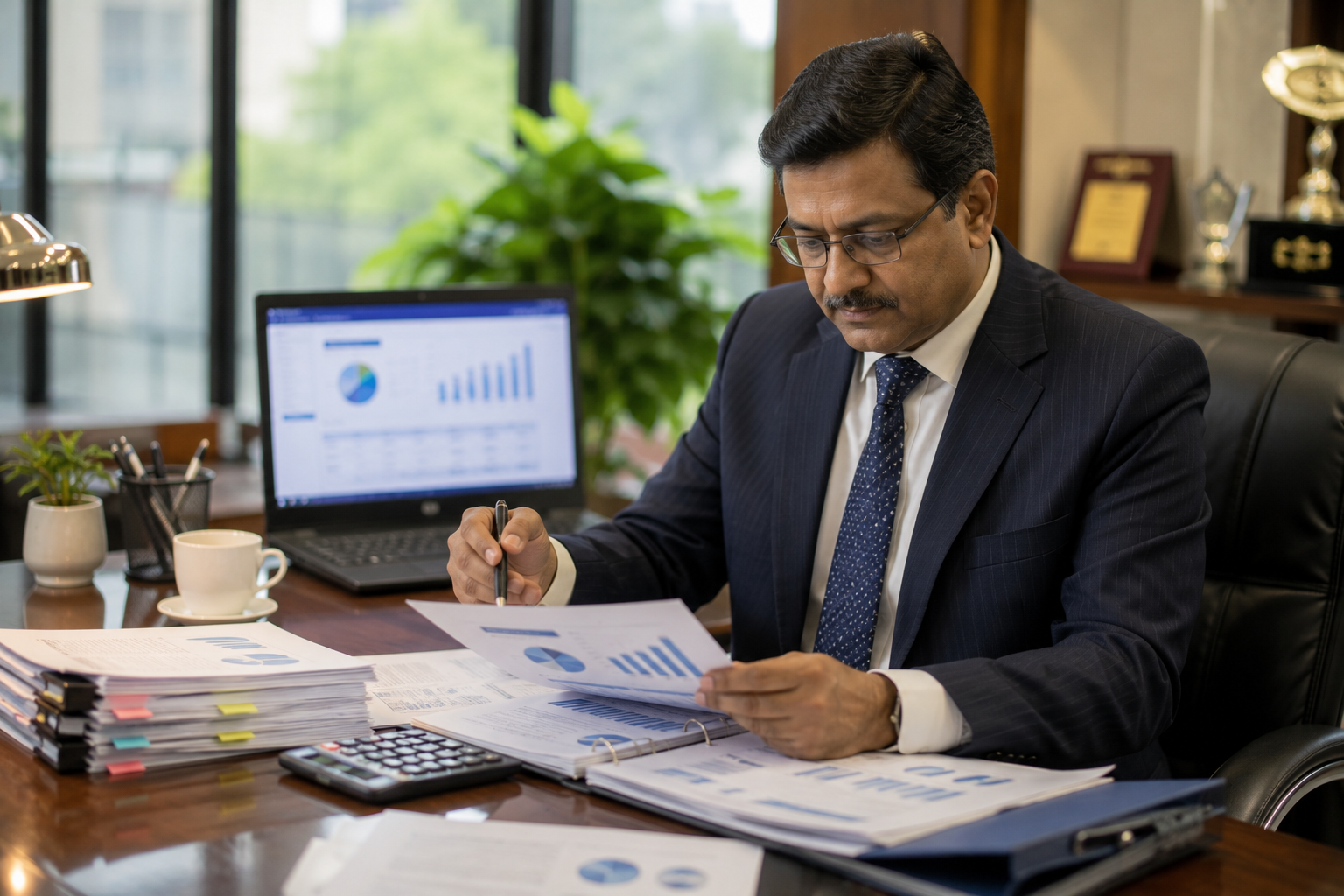
Canara Bank Q1 Profit Rises
NII Up, NPAs Improve Key Highlights Canara Bank reported a steady financial performance for the first quarter of FY27, with its standalone net profit rising 2.2% year-on-year to ₹4,855.82 crore for the quarter ended June 30, 2026. The growth was supported by a healthy increase in net interest income and continued improvement in the bank’s asset quality. The bank’s Net Interest Income (NII), a key measure of core lending performance, climbed 13.4% to ₹10,215.27 crore, compared with ₹9,008.76 crore in the corresponding quarter last year. Interest earned during the quarter increased 6.3% to ₹32,957.04 crore, while interest expenses rose at a slower pace of 3.4% to ₹22,741.77 crore. Total income for the quarter grew 4.3% to ₹39,684.26 crore. However, other income declined 4.7% to ₹6,727.22 crore, reflecting lower non-interest earnings. Operating expenses increased 10.5% to ₹8,306.63 crore, resulting in a modest 1% rise in operating profit before provisions and contingencies to ₹8,635.86 crore. The bank’s operating margin narrowed slightly to 21.76% from 22.47% a year earlier. On the asset quality front, Canara Bank continued to strengthen its balance sheet. The Gross Non-Performing Asset (GNPA) ratio improved significantly to 1.57%, down 112 basis points from the previous year. The Net NPA ratio also declined to 0.36%, indicating better recovery and lower stressed assets. The bank also reduced provisions for bad loans, with NPA-related provisions falling 24.2% to ₹1,399.33 crore, helping support profitability during the quarter. The results reflect Canara Bank’s continued focus on improving asset quality, maintaining lending growth, and strengthening its overall financial performance despite a rise in operating costs.
