
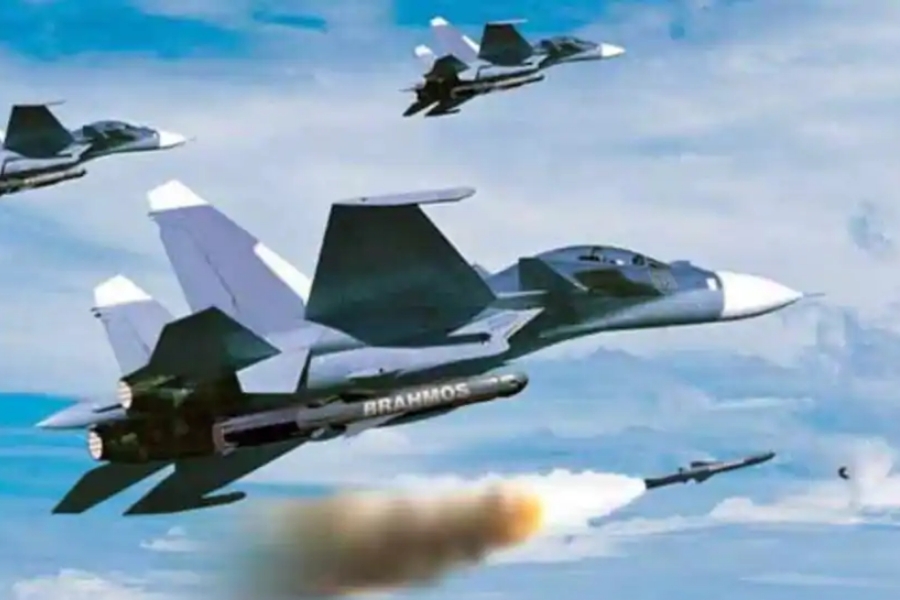
India must be more strategic with its goals for self-reliance in the defence sector, with careful planning of future needs and effective participation from the industry. This can be ensured through a more streamlined acquisition process, addressing concerns of foreign OEMs, developing private sector innovation and manufacturing capability and building a vibrant export market. India was the second largest arms importer globally during 2015-19, accounting for 9.2% of total arms imports during the period. Improving India’s self-reliance in defence has been integral to the policy framework of successive governments. Recently, the government announced a list of 101 items where imports will be progressively banned. Even as India attempts to strengthen indigenous capability through such a decision, it is important to give due consideration to factors like ability to deliver within the cost, timeliness and quality parameters. Private players also need an assurance of certain business, either through government or via the export market. Further, there is a need to be more strategic with our goals for self-reliance, through careful selection of weapons and platforms for our future needs, along with desired efforts towards a robust R&D ecosystem. Image Credit: Zee News When it comes to self-defence, it is better to have the power and not need it than to need it and not have it. – Kevin Shearer Despite being fundamentally averse to war as a nation, the subject of self-defence is of critical importance to India, especially given the unfriendly neighbourhood on both its eastern and western land borders. Having the requisite self-defence capability and preparedness at all times will keep the country in good stead for any military conflict, or even better, act as an effective deterrent for conflicts altogether. In an ideal situation, India’s own defence industry should be up to the task to be able to meet all the current and future needs of our armed forces. Of course, the reality is that India’s defence imports will not practically come to zero in any foreseeable scenario in the immediate future. But enhancing India’s indigenous defence capability to the extent possible serves to reduce the fiscal deficit, keeps critical technology expertise within the country to counter threats and aids in employment generation. This requires a holistic and self-propagating ecosystem with multiple elements coming together. Lt Gen J S Bajwa, Editor, India Defence Review, elucidates: An indigenous defence industrial base cannot be established on borrowed or handed down technology. Integrated R&D is a pre-requisite for an independent defence industry. This in turn, implies that an equally vibrant and technologically advanced network of ancillary units in the MSME sector co-exists in the ecosystem. These together knitted with a competent skilled workforce are perquisites to produce goods of highest precision and quality to compete with similar products produced in advanced industrial economies. So unsurprisingly, defence indigenisation has been a key focus area of successive governments. India was the second largest arms importer in the world during 2015-19, accounting for 9.2% of all arms imports during the period (SIPRI). Defence expenditure accounts for around 2.4% of GDP and India depends heavily on Russia, US, France and Israel for vital platforms and weapons. Around 86% of all weapons, equipment and platforms deployed in India are of Russian origin. Besides the commercial dealings, weapon purchases are equally part of a delicate geopolitical balancing act between India and these crucial allies. Recently, India took a major step to promote indigenisation, by finalising a list of 101 items where imports of defence equipment will be banned in a phased manner up to 2024. The list includes major armaments such as artillery guns, assault rifles, corvettes, sonar systems, transport aircraft, light combat helicopters, ammunition, radars, conventional diesel-electric submarines, communication satellites and shipborne cruise missiles. The total value of the items on the list is estimated at Rs 4 trillion, which includes Rs 1.3 trillion each for the Army and Airforce and Rs 1.4 trillion for the navy. Industry stakeholders hail it as a great step towards self-reliance, considering that the domestic industry will be in the driver’s seat, even as foreign OEMs stay engaged via direct orders/technology transfer/collaboration with Indian companies. Interestingly, foreign players can set up JVs with Indian companies with a majority control of up to 74%, to be considered Indian entities and be eligible to manufacture these items. While some industry people are confident that the announcement will bolster the Indian defence industry, others caution that the import content of many of these items is still high even though they are already made/assembled in India. Brahmos cruise missile has quite a significant share of critical Russian components. This is true for most items assembled in India by defence PSUs. The embargo on 69 of these 101 items will come into effect in December 2020. For these items, the domestic industry is already tuned to the needs of the armed forces, including the light combat aircraft (LCA) and the Pinaka Multi Barrel Rocket Launchers. But for some others, experts point out that the Indian industry lacks the capacity to design and develop them, both due to the limited time and lack of visibility on the qualitative specifications laid down by the armed forces, which are typically disclosed only when the tender is issued. Some items like the light transport aircraft and light combat helicopter are made exclusively by India, while some others like the AK-203 rifle are stuck over pricing issues. Moreover, these items are built from well established and proven technologies, thereby not requiring critical or cutting edge technology. Source: Stockholm International Peace Research Institute (SIPRI) The crux is whether domestic industry is capable of providing high levels of indigenisation for defence equipment with competitive costs, timelines and quality. A report cites the examples of HAL’s light combat aircraft, Arjun battle tank, air independent propulsion systems for the navy’s Scorpene submarine and weapons locating radar for the Army (acquired before Kargil) to illustrate many instances of mismanagement, delays, late stage design modifications and cost escalations with indigenous development. On the other hand, army
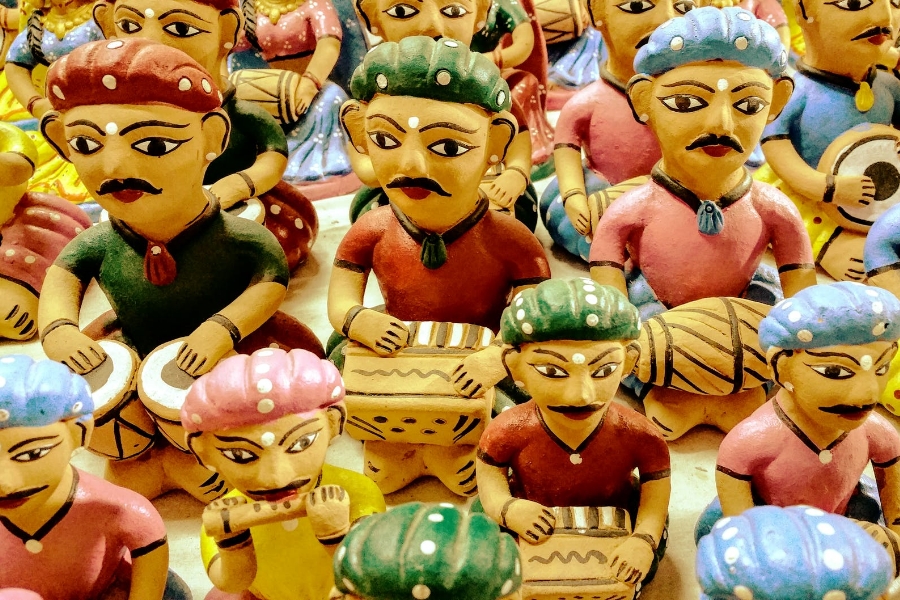
India’s toy story: Time to write a new chapter?
• Estimated to be to the tune of around US$ 38.1 billion as of 2020, toy industry in India not as significant as some of the other major toy markets in the world. • However, there are quite a few factors that can work to India’s advantage such as a young demographic dividend and favourable government initiatives. • Despite this the industry faces hurdles vis-a-vis the dominance of Chinese toys in the domestic market, the impact of COVID-19 & imposition of quality standards. • Focusing on design and innovation, especially with an emphasis on synergising fun and learning, holds the key for India. But this will be incomplete without enhancing scale and speed of execution in manufacturing, with the support of world class infrastructure. Image credit: Moneycontrol The roots of the Indian toy industry can be traced back to one of the world’s first civilizations – the Indus Valley Civilization. The level of craftsmanship of the people in those days was reflected in the dexterity with which terracotta toys for children were intricately crafted. This labour-intensive industry has witnessed a lot of changes over time in terms of toy categories, innovations, eye-catching design and other aspects. Estimated to be to the tune of around US$ 38.1 billion as of 2020, according to Statista, this market is expected to grow at a compounded annual growth rate (CAGR) of 9.6% till 2023. Exuding confidence in the domestic toy industry, Prime Minister Narendra Modi has encouraged start-ups to work towards making India a global hub for toy production. Given the manner in which the Indian toy industry has been impacted by the influx of cheap imports, this sector does indeed require urgent policy attention. Growth drivers for the Indian toy industry Contrary to what those reports would have you believe, India is not a really major importer of toys, at least as far as value is concerned. The top importers of toys, games & sports requisites… (HS Code 95) for 2019 are US (US$ 34.1 billion), Germany (US$ 8 billion), Japan (US$ 6.1 billion), United Kingdom (US$ 6.1 billion), Netherlands (US$ 5.5 billion), France (US$ 5.3 billion) and Canada (US$ 4.2 billion). India imported just around US$ 606.5 million during the year. In terms of exports China is a clear leader (US$ 62.7 billion), followed by United States of America (US$ 6.4 billion), Germany (US$ 5.5 billion), Netherlands (US$ 5.4 billion), Czech Republic (US$ 3.3 billion), Japan (US$ 3.3 billion) and Vietnam (US$ 2.9 billion) are the top exporters of toys in the world. Top importers of toys in the world Value imported in 2019 (US$ billion) United States of America 34.12 Germany 8.09 Japan 6.14 United Kingdom 6.10 Netherlands 5.5 France 5.34 Canada 4.2 Hong Kong, China 4.2 Spain 3.2 Poland 3.2 Source: ITC Trade Map (HS Code 95) Top exporters of toys in the world Value exported in 2019 (US$ billion) China 62.8 United States of America 6.4 Germany 5.5 Netherlands 5.5 Hong Kong, China 5.5 Czech Republic 3.4 Japan 3.3 Viet Nam 2.9 Poland 2.7 Taipei, Chinese 2.4 Source: ITC Trade Map (HS Code 95) However, there are quite a few factors that can work to India’s advantage and help the country’s toy industry establish its presence on the world map. On the demand side, India has a rich demographic dividend. According to Census 2011, the population of children (0-6 years) in the country is 158.7 million and that of adolescents is 236.5 million. Therefore, India’s domestic market presents an excellent opportunity for the country’s indigenous toy manufacturers. In addition to this huge consumer base, the industry is also being driven by the pester-power or ‘nag factor’ in kids, that is, the tendency of children to unrelentingly request for advertised items. What makes parents budge is their guilt factor due to the inability to devote quality time to their kids as double income households in the country rise. This rise in dual career households has enhanced the disposable income & purchasing power of these couples, who end up giving in to the demands of their kids. The diversity of products offered by the industry has also fuelled consumption. The portfolio of toys in India comprises of three broad categories of products: (a) Global best toy brands – Constituting about 15-20% to India’s market size, these innovative & high-priced toys include sound, light, artificial intelligence, augmented reality, and other electronic and robotic features. (b) Indian-made brands – Comprising 15-20% of the market, these are simpler and cheaper toys with very simple functionality. (c) Unbranded cheap imports – They make up for 60-70% of the Indian toy market. These toys are imported mainly from China. They form the bulk of the unorganised wholesale toy market. On the supply side, India has a large pool of unskilled labour, which can be employed by these factories. Further, the Government of India is planning to link clusters and artisans to producers’ companies. Karnataka has already announced a Rs 5,000-crore toy cluster in Koppal. Similarly, the Uttar Pradesh government is planning to set up units at the upcoming toy manufacturing hub in Greater Noida. According to reports, 92 domestic toy manufacturers have already applied for the same. Further, the Department for Promotion of Industry and Internal Trade (DPIIT) has reached out to large manufacturers as it seeks to lure investment in the country’s toy industry. Also in the pipeline is a national toy fair for children. Further, the government is planning to establish networks of toy labs like the Atal Tinkering Lab. This is being done to provide support for physical toys for children to learn, play and also to keep a check the quality of these toys. This is a significant move because as per a survey by the Quality Council of India (QCI), 67% of imported toys have failed testing. Tarnished by the dragon effect One of the major issues that plagues the country’s toy industry is its reliance (90%) on China (world’s largest manufacturer and exporter of toys) & Taiwan. As pointed out above,

Top-end Indian malt whisky compares well to Scotch
Vinod Giri, Director General, Confederation of Indian Alcoholic Beverage Companies believes that while there are clear GI opportunities in India due to raw material (local grains, sugarcane, Kashmir hops, spices), climatic conditions, geographic provenance (e.g. Himalaya, Nilgiris), product (fenny, toddy) etc., it needs strong support from the Government. GIs are difficult to build without consistent and vocal Government support in world trade bodies and on regulatory matters. Photo Credit: NDTV IBT: How do you view the size and potential of the Indian alcohol market? Which are the most lucrative segments for alcohol companies and why? Vinod Giri: The current annual Indian alcoholic beverages market is around 680 million cases (9 litres each) including spirits, beer and wines, out of which the market accounts for 220 million cases (Source: IWSR 2020). Over the next 4-5 years, the Indian alcoholic beverage market could achieve an annual sales volume of 800 to 850 million cases. The COVID-19 pandemic could, however, play spoilsport with any forecasting. In terms of volume, the regular (Officer’s Choice) and deluxe (McDowell’s No 1) are the largest segments (in the price range of ₹250 to ₹400 per 750 ml bottle) comprising over 40% of the spirit alcohol volumes though the margins are relatively thinner. Many companies consider the middle segment (Rs 500 – 700 per 750 ml bottle) as a good balance between margins and volume. *Price reference are for Delhi IBT: India is regarded as the largest consumer of whisky in the world? What are the factors driving the growth in the market? Vinod Giri: The tradition of whisky goes back to colonial times and British influence. While it has remained the most prominent segment, its offer of wider product quality and pricing choices to consumers has helped it retain the top position. Whisky has developed a widely perceived quality association due to frequent and visible use of experience enhancement measures such as ageing and maturing. India has currently over 850 million people in the legal drinking age. There is growing acceptability in society with respect to consumption of alcohol that has been brought to the fore by greater international exposure and the growing population of millennials. The proliferation of nuclear families has increased consumption in urban areas and also contributed to a significant increase in women consumers in the metros. Certain state governments have liberalised excise rules and have made available liquor in malls and departmental stores, thereby allowing discerning consumers to shop in ambient environments. All this has contributed to sustained growth of the industry. IBT: How does IMFL fare in comparison to scotch in India? What is the potential of malt spirit in India? Vinod Giri: IMFL is an umbrella term and covers a wide range of spirits from very high quality aged malt whiskies to entry level and highly accessible products. The bulk of the segment is a blend of Indian spirits and imported whiskies and is cheaper than Scotch in India. It also is massive in size compared to scotch, being over 240 million cases compared to little over 4 million for Scotch (both imported and bottled in India). Top end IMFL products like malt whiskies, are in relatively early days of product cycle and whilst they compare very well with leading Scotch products in quality, they are yet to build the demand traction that Scotch whiskies have built over decades. Malt whiskies are picking up well in India with the rise in incomes, upward social mobility and increased availability of new malt-based whiskies of good quality. Both imported and Indian malt spirits are growing very well, though from a relatively small base. IBT: Origin whiskies like Bourbon and Scotch have made a strong mark in the international market. What are the key factors behind their success and firmly established premium value proposition in the market? Vinod Giri: Bourbon, Scotch or some other such origin products are helped by a long history, good product quality, consistent marketing highlighting quality and provenance, and low cost of production due to scale that their operations and local laws permit. They are also consistently and overtly supported by their Governments as we see in trade negotiations. IBT: What are the unique origin characteristics of Indian whiskies that set them apart in the international market? How can they be branded better as GIs, and what are the challenges to be addressed in this regard? Vinod Giri: Unlike European and American whiskies which are made entirely from grain, Indian whiskies are made both from distillation of grains as well as molasses, a readily available product in the country due to a large sugar industry. Many Indian whiskies offer significant price advantage in global markets, which make them very popular, especially in relatively lesser income countries. Premium Indian whiskies, including single malts, are defined by their high quality and distinct tastes due to unique maturation conditions in India, which has a higher average temperature compared to Scotland or America. Some Indian brands like Amrut, Paul John, Rampur and now Solan are rapidly building reputation in more discerning western markets. Many prominent Western whisky markets that argue for easy access to Indian markets, ironically, themselves put non-tariff barriers for Indian products. For example, EU does not recognise whisky made from molasses, which is accepted practice in India. It also insists on a minimum 3 years of maturing despite the fact that in warm Indian conditions, rate of maturing is three times faster compared to Europe. Whilst there are clear GI opportunities in India due to raw material (local grains, sugarcane, Kashmir hops, spices), climatic conditions, geographic provenance (e.g. Himalaya, Nilgiris), product (fenny, toddy) etc., it needs strong support from the Government. GIs are difficult to build without consistent and vocal Government support in world trade bodies and on regulatory matters. IBT: What is the growth potential of Indian origin whiskey in the international market in your view? Which product areas/markets hold better potential in the coming years? Vinod Giri: Indian origin whiskies have a significant growth potential. Entry level products
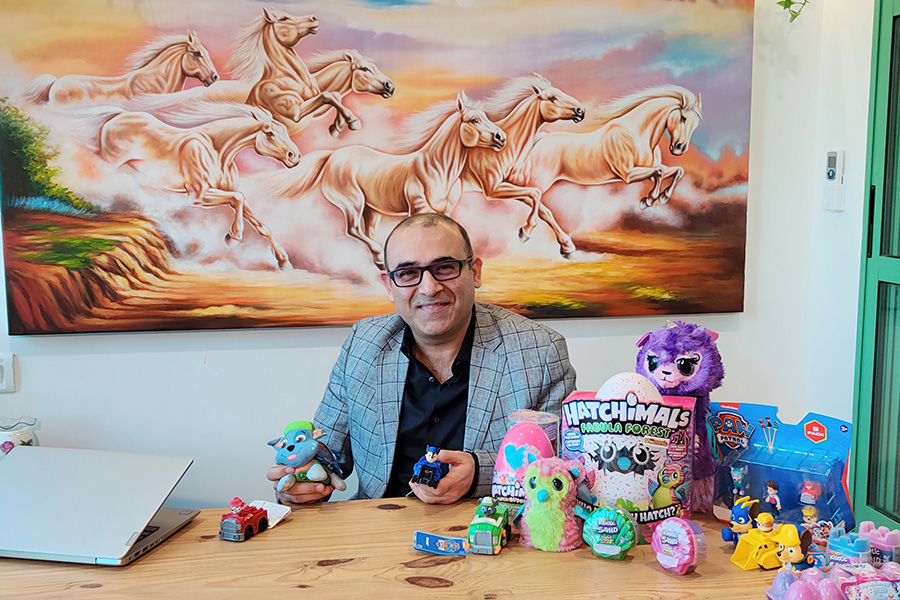
Indian toy makers must embrace speed, scale & innovation
Mukesh Jagwani, CEO & Managing Director, WinMagic Toys Pvt Ltd, opines that to build India’s credibility as a quality manufacturing hub for toys would attract foreign investment into the sector & boost domestic production capability. This would encompass a gamut of reforms such as setting up of more SEZs, holistic reforms like relaxed labour laws that encourage the local manufacturers, decentralization of FDI approvals, superior infrastructure and connectivity and focus on technology & quality. IBT: What is the current status of the toy industry in India? What are the different types of toys that dominate the domestic toy market? Mukesh Jagwani: India’s toy market stands at US$ 1.7 billion, which is approximately 1.5% of the global toys market of around US$ 100 billion and is growing at a CAGR of about 14%. As compared to rest of the key toy markets in the world – USA (US$ 27 billion), Canada (US$ 2 billion), UK (US$ 7.6 billion), Germany (US$ 6 billion), France (US$ 3.8 billion), Italy (US$ 2.2 billion), Spain (US$ 2.1 billion), Russia (US$ 2.8 billion), China (US$ 13.4 billion), Japan (US$ 12.2 billion) and Australia (US$ 3.7 billion) – India is the smallest market in terms of size. However, it is growing at the fastest rate and with the largest population of kids. 35% of India’s population is under the age of 14 years. India therefore represents the highest head room for growth as compared to any of the other key and mature markets, and the global toy industry recognises India as a preferred market for their products. China is the other big growth market along with India. The portfolio of toys in India can be looked at as comprising of three broad type of products: i) Global best toy brands These are mainly very high featured and inspirational toys across generic and licensed or entertainment categories for all age-groups and sub-categories of toys & games. The features include sound, light, artificial intelligence, augmented reality, and other electronic and robotic innovative features. These toys are the core brands of the global toy market, but only contribute to about 15%-20% to India’s market size, being imported and high price points, sold at a premium of at least 100% over Indian made simpler and cheaper toys. These are the toys that have satisfied the needs of the aware Indian consumer who wants the very best in class and quality as well as toys & games based on their favourite characters or entertainment properties. A few examples of these toy brands are Paw Patrol, Peppa Pig, P.J Masks, Fisher-Price, Barbie, L.O.L Surprise! Dolls, Hatchimals, Lego, Hot-Wheels, Monster Jam, Nerf, Transformers, Monopoly, Scrabble, Pictionary, UNO, PlayDoh, Movie/Entertainment Character toys: Disney, Marvel, StarWars, BatMan, Minions, Spider-Man, Iron Man, Pokemon. These brands are made mostly in China, few in Vietnam and fewer in other markets across the world. They are mainly associated with mature toy designing & brand owning markets like the US, UK, Europe and Australia to name a few. These toys are also the safest in the world and tested on the highest global quality standards. These toy brands are owned by large and small MNCs and brought into India either by the companies themselves who have a presence in the country through a subsidiary or through authorised distributors and partners like WinMagic, who then work as brand custodians and representatives for such brands. Some of the multi-national companies who are directly present in India include: Mattel, Hasbro and Lego. Other big companies present in India through distributors include Spin Master, Moose Toys, Just Play, Jakks Pacific etc. ii) Indian made brands These are simpler and cheaper toys with very simple functionality. Almost all of these are non-electronic (without sound, light, or robotic features). They constitute around 15-20% of the market. All these toys are yet untested as there was no regulation in place for Indian made toys and may be unsafe for use. iii) Unbranded cheap imports This category constitutes around 60-70% of the market. These toys are imported mainly from China. They form the bulk of the unorganised wholesale toy market. In a recent survey by government, it may have been mostly the Indian made and cheap Chinese brands, which were found to be unsafe and did not comply to the standard quality parameters under which they were tested. Many importers of such toys have been known to use unscrupulous means to bring them into India without declaring the full value of the toys. This is done to avoid duty and by falsely declaring such toys as safe or complying with global standards. These are the toys which are sometimes cheaper than the toys produced in the country and are cannibalising the Indian toy industry. IBT: What are the major sources of import for Indian toys? How can India reduce its dependence on these countries? What should be done to create an enabling ecosystem for toy makers in the country to ramp up production? Mukesh Jagwani: Annual imports of toys in India are estimated at around US$ 750 million, whereas China exports toys worth US$ 60 billion worldwide, out of which US$ 28 billion is to America alone. China mainly and to some extent Vietnam are the major source countries for import of toys coming into India. The best way to reduce dependence on China is to make a distinction between global best toy brands and the unbranded cheap imports and place tariff and non-tariff curbs on the latter. Unfortunately, the Government of India’s move of placing curbs on all toy imports as a blanket policy have hit global best toy brands too and the very multinational companies whose products were inspiring Indians, without cannibalising the Indian made toys and who are also the potential collaboration partners for growth & development of Indian toy industry. Promoting exports from India, world-wide is a big opportunity apart from domestic consumption. Therefore, steps must be taken to invite such global multinational players to manufacture toys with Indian entities and encourage & incentivize
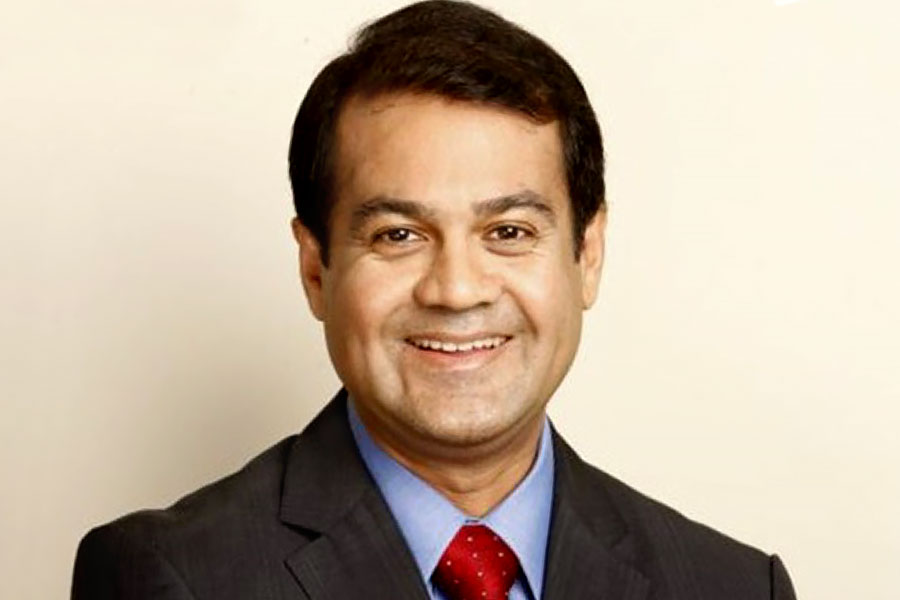
We expect a fair deal of consolidation for MSMEs in gems & jewellery sector
Colin Shah, Chairman, Gems & Jewellery Export Promotion Council, asserts that while MSMEs in the sector are benefiting from the redefinition and Aatma Nirbhar Bharat Scheme, banks are not extending loans under CGTMSE scheme, which is hampering business. IBT: The lockdown has led to a complete washout for the gems and jewellery sector in Q1. To what extent has the sector been able to return to business as usual when it comes to essential operations? Colin Shah: The industry has been able to recover quite well. And going forward, the Indian gems & jewellery industry is hopeful that things would further improve as now factories and units are working with 50% capacity from August. Moreover, orders have been coming in from markets like the US, China and parts of Europe. Also, demand is expected to grow further in the coming months owing to the holiday season in the Western countries. IBT: On the other hand how are the growth trends looking in the domestic and key export markets post-Q1? What are the most encouraging signs/concerns for you from the market perspective? Colin Shah: Post Q1, in terms of exports we are seeing a gradual recovery, and in the coming months, there would be a further boost in seasonal demand for gems and jewellery. In India, the Government has started to lift the lockdown; the smaller cities other than the metros have started doing business as usual, which is a good sign for the industry. IBT: How has the pandemic changed customer outlook towards purchasing jewellery? Do you see a strong possibility of improved buyer sentiment in the festive season? Why or why not? Colin Shah: Although retail sales during the pandemic were down, most of the brands have experienced a rise in their online sales. And to an extent, this shift in behaviour will continue post the Covid era too. We are expecting a strong demand for gems and jewellery during the festive season. Consumers now have disposable income, which was earlier being spent on travelling and vacations, some of it will be diverted towards jewellery. IBT: The pandemic has compelled trade show organisers across the world to cancel shows. What steps is GJEPC taking to ensure that member exporters are able to engage with buyers? Colin Shah: GJEPC is organising its flagship show IIJS in a virtual format in October this year, and we have got an overwhelming response from exhibitors interested in participating. IIJS will be conducted on a specially built virtual platform exclusive to GJEPC, which will be safe, secure and dynamic with all features like appointment scheduler, live chat, product catalogue and company brochure, video, meeting rooms, seminars, feedback, etc. Moreover, starting from September, we have organised a series of Virtual Buyer-Seller Meets for loose diamonds, coloured gemstones, gold-studded jewellery, platinum jewellery, and costume jewellery. IBT: What are the challenges and benefits of digital engagement platforms in your view? Colin Shah: The only challenge is that products cannot be viewed in the same manner that we do at a real exhibition, but with the help of the latest technology available, we are making sure our buyers can view the smallest of product details through digital enhancements. Moreover, this platform will have built-in security features, making all communication between the buyer and seller completely confidential. IBT: How has COVID-19 impacted the SMEs in the gems & jewellery space (accounting for 85% of GJEPC members)? To what extent are the government initiatives for MSMEs under Aatma Nirbhar Bharat Package helping the gems & jewellery sector? Colin Shah: SMEs in every industry, including gems and jewellery, have been hit the hardest by the pandemic. While we don’t have official data yet, one can expect to see a fair amount of consolidation to occur in the SME space. The MSMEs in gem and jewellery industry are benefiting from the revised MSME definition and a host of other schemes under Aatma Nirbhar Bharat. For the benefit of MSMEs in the short term, we requested the Government to look into the financial issues concerning them, namely, financial institutions not sanctioning loans under the Credit Guarantee Fund Trust for Micro and Small Enterprises (CGTMSE) scheme to the gems and jewellery sector. As announced under the Aatma Nirbhar Bharat Package by the FM, all banks are not extending credit in the form of automatic collateral-free loans to eligible MSMEs; as per the RBI regulatory policy dated March 27, 2020, to carry out reassessment of working capital cycle for affected businesses. The banks are extremely reluctant in doing the same, which is hampering business due to cashflow mismatch, etc. IBT: Gems & jewellery has been identified as a champion sector by the Government. What is GJEPC’s view on the sector’s growth potential? What is the vision you have set for exports and what critical interventions are needed to achieve this vision? Colin Shah: Our vision is to double the exports to US$ 70 billion by the year 2025. To achieve this, a comprehensive financial package of Rs. 900 crore has been proposed to the Government of India. The fund will be used for infrastructure development like the Jewellery Park in Mumbai, a Gem Bourse in Jaipur, the development of Common Facility Centres (CFCs), and setting up of Model Karigar Workshops. The fund will also be used for skill development, technology development, and brand promotion. Colin Shah is the Chairman of Gems & Jewellery Export Promotion Council (GJEPC). He founded Kama Jewelry in 1996 at the age of 26. Eleven years later, in 2007, Kama Schachter was formed in a joint venture with Leo Schachter Diamonds in an effort to become vertically integrated. Today, Kama Schachter ranks amongst the top ten manufacturers and exporters of diamond jewelry in Asia. Kama’s talented, flexible, multi-cultural workforce numbering 800 in three factories in India and in sales offices in the diamond bourse in Mumbai, Chennai and New York, serves the major markets of India, USA, Europe, Middle East and Australia. Colin is the recipient of many industry accolades
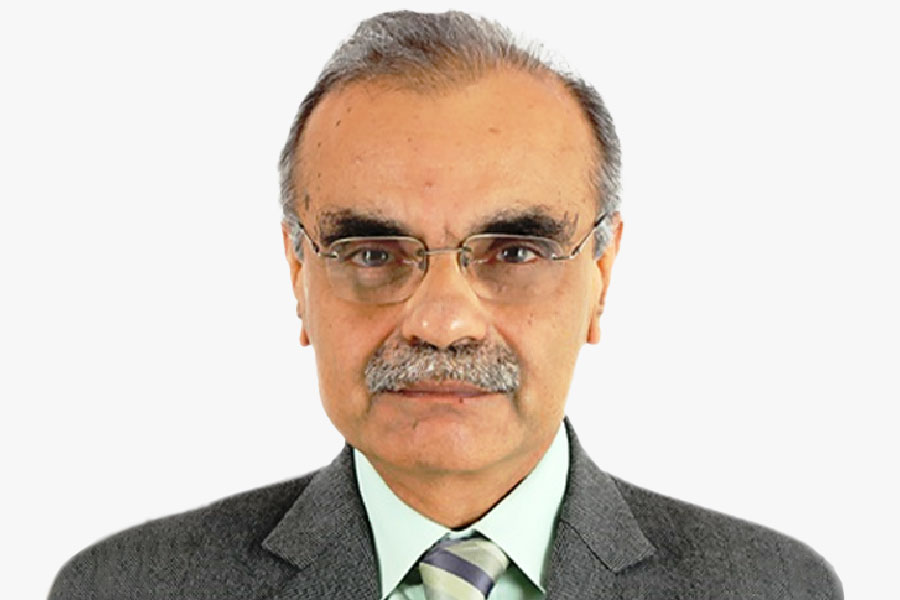
Greater synchronisation must for Atmanirbharta in defence production
Amit Cowshish, Consultant, Manohar-Parrikar Institute for Defence Studies and Analysis, feels that the draft Defence Production & Export Promotion Policy (DPEPP) 2020 has all the necessary ingredients in place. But implementable roadmaps must be prepared for meeting each one of the stated objectives of the policy and an overarching institution should be tasked with the responsibility of coordinating the efforts of each constituent of the Ministry of Defence. To give a fresh impetus to Atmanirbharta, or self-reliance, in defence, the Ministry of Defence (MoD) has decided to disallow imports of 101 items listed in its press release of August 9, 2020. Beginning December 2020, the embargo will come into effect in phases over the next five years. These items, identified in consultation with the armed forces and the industry, include not just simple components, but also high technology weapon systems, aircrafts, helicopters, corvettes, radars, sonar systems, just to mention a few. The release proclaims that this steps provides an opportunity to the Indian defence industry to manufacture the embargoed items ‘by using their own design and development capabilities or adopting the technologies designed and developed by Defence Research and Development Organisation (DRDO) to meet the requirements of the Armed Forces in the coming years’. This proclamation sounds familiar. The Technology Perspective and Capability Roadmap (TPCR) of 2013, and its revised version of 2018, were issued with the same objective in mind, but these had a limited impact on indigenisation of defence production. It seems, that is why the MoD has now gone a step further and stipulated the cut-off dates, beyond which it will not import the embargoed items, thereby putting itself and the Indian industry under pressure. The embargo on 69 of these 101 items will come into effect in December 2020, which may not pose a problem as many of these items are already being made in India as per the specifications mandated by the armed forces. Prime examples of that are the Light Combat Aircraft (LCA) and the Pinaka Multi Barrel Rocket Launchers for which the MoD awarded contracts late last month to two private sector and one public sector Indian companies. It may, however, not be so easy to enforce the embargo on all the items by the stipulated dates. This is not because the Indian industry lacks the capacity to design and develop them, but on account of many other reasons, the primary one being the limited time available to the industry to be ready, when the embargo kicks in, with indigenously designed and developed products meeting the qualitative requirements (specifications) laid down by the armed forces, which are typically disclosed only when the tender is issued. In the midst of all the uncertainty about how the embargo will pan out, there are indications that the MoD may notify another similar list by the year-end, signalling the government’s intention to persist with the new policy of accelerating self-reliance by banning imports. This, however, seems to be at odds with the government’s efforts to attract foreign direct investment (FDI) in defence, which stood at Rs 24.96 crore in March 2014, counting from May 2001 when the defence sector was opened to foreign investment. Since then, the FDI has jumped up to Rs 56.88 crore as of March 2020, but defence continues to be one of the least attractive sectors for foreign investment with only two sectors – Mathematical, Surveying and Drawing Instruments, and Coir – fairing worse. Many consider the present cap of 49% on FDI through the automatic route as an obstacle, as the foreign investors are wary of putting in money in the Indian companies over which they cannot exercise management control. To overcome this obstacle, the finance minister announced on May 16 that the cap will be raised from the existing 49% to 74%, beyond which it will require the government’s approval. The existing policy stipulates that this approval may be granted if the investment proposal is likely to result in access to modern technology or for other reasons as deemed fit. The formal notification of the revised FDI cap is awaited, but meanwhile notification of the negative list has raised some new questions. The investors’ response to the higher cap may largely depend on whether the companies with 74% FDI will be treated at par with other Indian companies and permitted to participate in the acquisition programmes under various procurement categories. The Strategic Partnership Model (SPM), which envisages manufacturing of foreign-origin platforms in India by the Indian companies, may be of special interest to them because of the huge busines opportunity it offers in four strategic segments: fighter aircraft, helicopters, submarines, and armoured fighting vehicles/main battle tank. This is where the problem is, because the existing procedure requires that Indian companies aspiring to become a strategic partner under the SPM should be owned, controlled, and managed by resident Indian citizens with more than 50% of the company’s capital being directly or beneficially held by the resident Indian citizens and/or Indian companies, which are ultimately owned and controlled by resident Indian citizens. It remains to be seen if these conditions, which were prescribed before the finance minister’s announcement of May 16, will now be amended. The FDI policy is not the only factor impacting the decision to invest. Such decisions are also influenced by other factors like the procurement policies and procedures of the buyer – a term that encompasses the MoD, the armed forces, and the coast guard organisation. All of them are bound by the procedure laid down in the Defence Procurement Procedure (DPP) 2016, widely considered as cumbersome and process-driven, rather than being user-friendly and result-oriented. To be fair, the MoD has made considerable efforts in the last two decades to streamline the acquisition procedures, which were first codified in the DPP of 2002. It has been revised at least six times thereafter and its 2016 version, currently in force, is also going to be replaced soon by the Defence Acquisition Procedure (DAP) 2020. All these revisions were intended
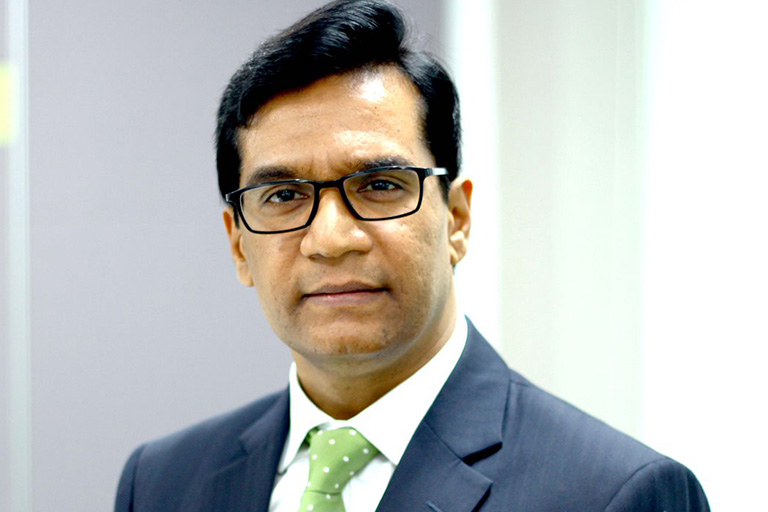
Business continuity post-COVID: Adapt to the ‘now’ to thrive in the ‘next’
Rohit Mahajan, President, Risk Advisory, Deloitte India, believes that amidst the business continuity challenges that are affecting companies post-COVID, the pace of recovery of organisations has been directly proportionate to the decisions taken by their senior leadership team. He adds that resilient leadership will play a huge role to build resilient organisations. IBT: What impact has COVID-19 had on your firm’s managerial operations? What strategies have you planned in order to tide over this crisis? Rohit Mahajan: The COVID-19 pandemic was unprecedented in its speed, scope and intensity and has hit businesses across the globe, hard. Since this pandemic impacted the entire business ecosystem, most Business Continuity Plans developed were not very effective and were not prepared to take the overall impact of businesses into consideration. With sustained volatility and instability, all of us are unsure when, or rather if, things will ever go back to the way they were before the pandemic. We are seeing an influx of clients coming to us with their business challenges, and as we are working with them to ensure they are addressed and mitigated, we have also re-looked at our business strategies and operating models to ensure we are keeping afloat. At Risk Advisory, we always look at risks as growth enablers. Looking from that same lens, the pandemic has accelerated our journey towards significant increase in technological investments, skill development and innovative operating models. I also believe that a large part of how quickly organisations have been able to bounce back from this crisis has been directly proportionate to the decisions taken by their senior leadership team. We use this term, ‘resilient leadership’, and in my opinion, this will play a huge role to build resilient organisations. For us at Risk Advisory, our people are our first priority. Their safety and well-being is imperative for us to succeed in this ‘new normal’. There is constant two-way communication encouraged and implemented by the leadership team through various platforms, to all our people along with multiple initiatives to ensure employee well-being. IBT: Be it emotionally, financially or in terms of health – the pandemic has taken a toll on employees across the nation. In your opinion, how should employers keep the morale of their workforce high, while achieving productivity goals? Rohit Mahajan: I will be very honest; it has been extremely challenging. Luckily, there has been significant acceptability of this new normal by our employees. We also realised early on that in order to keep the morale and motivation of our people high, we would need to keep them engaged. Staying engaged does not mean only working on professional tasks, but also taking the time to step back and connect with your colleagues and leaders. We have set up a 24X7 COVID-19 helpline for our people as well as their families, where they can pick up the phone and speak to a trained counsellor or psychiatrist. We have also focussed on various well-being initiatives, such as online workout classes, wellness webinars and check-in calls. We have joined hands with various online learning platforms to encourage our workforce to upskill and have also built an in-house learning portal which helps professionals chart out their career path based on their interests and choices, shifting traditional classroom-based learning to virtual interactive sessions. Since the lockdown has extended far beyond initial estimates, our focus is now shifting to candid conversations. We are focussing on coaching and emotional support to make sure our employees don’t feel alone or helpless. We also understand that this extended duration has taken a toll on many of our people, as trying to balance household chores with work is increasingly becoming a challenge. Keeping this in mind, we have relaxed our policies with respect to our people logging in at a time convenient to them or following their own work schedule. The pandemic has also made us focus on what really matters and we have made a deliberate effort to celebrate achievements, however small, more often. This breaks the monotony of work and adds little moments of joy and positivity in our lives. These initiatives have made a huge difference to our people and we have seen this through increased productivity, levelled up communication skills and greater focus on work with effective outcomes. This may seem like a paradox, but in order to take care of our employees’ emotional well-being, we are embracing technology in a big way. We have an artificial intelligence bot that reminds you – through a pop up on your screen – to take a sip of water, or pick up the phone and greet a fellow colleague. It’s all very new, but also very interesting! IBT: Before the crisis, quite a few companies lacked formal policies pertaining to remote working. However, now that this style of work is here to stay, for at least some more time, how are you planning to regulate the conduct of your employees? Are you planning to redesign contracts to encompass employee conduct in a WFH set up? Rohit Mahajan: Yes, we are redesigning some of our policies. Work from home policies have been revisited, policies around medical insurance have been re-examined, and policies around the use of technology have been reconsidered. Now that we have been forced to work from home in a flexible environment, these policies are being updated to keep up with the present reality. IBT: How is data sensitivity and confidentiality being ensured in this kind of a setup? Rohit Mahajan: Being a professional services firm that advises clients to protect their data, we have to ensure our house is in order. Being sensitive towards confidential data and intellectual property is something that is now part of our DNA and second nature. We already had policies and guidelines around data confidentiality and intellectual property protection, including specific quarterly and yearly trainings to reinforce them. Since COVID-19 is here to stay, the sooner we adapt to this ‘now’, the more effectively we will be able to thrive in the ‘next’.

Is telemedicine the panacea that healthcare needs?
COVID-19 has led to a rapid rise in adoption of telemedicine in India, but the model still faces challenges on language, trust data confidentiality, licensing, perception of impersonal care, information overload, interoperability and language barriers. • COVID-19 has put a huge pressure on the country’s already strained healthcare ecosystem, for which telemedicine has emerged as a safety valve. • With its clear advantages like reducing chances of infection, saving time of patients, remote patient monitoring and enabling doctors to attend to more patients, the popularity of telemedicine has surged by leaps & bounds of late. • However, the sector is still at its nascent stages in India and faces some critical gaps. Image Credit: Insider.com COVID-19 has indeed been a black swan event that has put immense pressure on our healthcare system. Consequently, India has been grappling with the dual challenges of controlling the rising number of cases while trying to bring down the mortality rates. According to a report by online consultancy platform Practo, COVID-19 continues to be India’s topmost concern. Unsurprisingly, between March 1 and May 31, 2020, queries related to COVID-19 grew by 200%, with 50% of all GP consults pertaining to Coronavirus-related symptoms. Indubitably, the pandemic is peculiar for being a large-scale health challenge that requires urgent mobilization of resources and affects the whole population. Further, health issues related to lifestyle changes & non-communicable diseases (especially now with the work-from-home paradigm) have also aggravated the pressure on India’s healthcare system. Gynaecology, GP and dermatology emerged as the topmost consulted specialities over the last few months, collectively accounting for 51% of the overall consultations. To contain the virus, severe lockdown restrictions are in place throughout the nation. With hospitals being seen as infection epicentres for the contagious (& sometimes nefarious) disease, there was a 500% surge in telemedicine consultation across the nation. Simultaneously, in-person doctor visits dropped by 67%. What testifies for this tectonic shift in Indian healthcare ecosystem is the fact that 80% of all telemedicine users experienced it for the first time and 44% of the tele-consultations were from non-metro cities. Thus, the pandemic acted as a catalyst for the growth of the Indian telemedicine sector. According to an analysis by DataLabs, the country’s telemedicine market is expected to cross US$ 5.5 billion by 2025, with a CAGR of 31%. Indian telemedicine sector: A quick sneak-peek A major factor responsible for greater adoption of telemedicine in the country is the growth in internet usage in India over the recent few years. An analysis by market research agency Kantar IMRB states that India’s internet users are expected to register double digit growth to reach 627 million in 2019, powered by rural internet growth and usage. As per an analysis by PwC India, India’s internet users are going to rise significantly in the next few years. On the other hand, a report by the Center for Disease Dynamics, Economics & Policy (CDDEP) in the US reveals that India has a shortage of an estimated 600,000 doctors and 2 million nurses. Further, it has one government doctor for every 10,189 people (whereas the WHO recommends a ratio of 1:1,000). With the benefit of technology outreach, telemedicine bridges the healthcare gap between the patients and medical practitioners in cases where the access to medical facilities, specialists’ opinions and advance healthcare amenities is limited. It has become the need of the hour for a nation like India, which is seriously challenged by the dearth of medical & paramedical staff. Telemedicine is a win-win situation for both the patient and the medical staff. It will save transportation costs involved in visiting a health clinic, save the time spent in the waiting room, save time lost at registration and billing counters & keep patients out of hospitals. At the same time, it will provide real-time patient information and assist with symptom-based diagnosis, which can save doctors’ time and enable them to consult more patients. It will also de-centralise patient health records using blockchain technology to maintain a single source. Keeping these factors in mind, the government has taken some measures to provide a fillip to the digital healthcare framework in India. Establishing the National eHealth Authority (NeHA), creating an Integrated Health Information Program (IHIP), framing Electronic Health Record Standards for India and launching the mHealth initiative are some such steps. However, in the light of COVID-19, the government took another major step that can catapult the sector to an accelerated growth path. It accorded legal status to telemedicine in India. The guidelines for this out of hospital contactless healthcare were issued to de-congest healthcare facilities and allow all channels of communication with the patient that leverage information technology platforms, including voice, audio, text and digital data exchange. Most importantly, they allow doctors to prescribe medicines. Smoothening out the rough edges While COVID-19 has proved to be the ideal breeding ground for the telemedicine industry, the sector is still in its nascent stage and has its own set of teething troubles. Owing to the country’s cultural and ethnic diversity, doctors are facing linguistic barriers while communicating with their patients. Dr Raja Indana, Lead- Doctors team, MFine comments, “There needs to be accreditation from a certified body that monitors the quality standards. With India being a country of multiple languages, it becomes difficult. Solving the language problem can help expand the telemedicine reach.” Winning the trust of their patients and customer satisfaction is another challenge that these doctors face. This problem is exacerbated by the availability of technically-challenged staff Added to this are concerns related to data privacy and the doctor-patient confidentiality vis-à-vis data transfer and storage. Several e-health platforms have loose data policies that allow them to potentially exploit sensitive patient data for commercial gains without having to make case-by-case disclosures to patients. There is also the possibility of vested interests, since teleconsultation may entail links to pharma companies or insurance providers. Thus, telehealth may be prescribing medicines from brand ‘A’ against brand ‘B’. There’s also a possibility that they may share
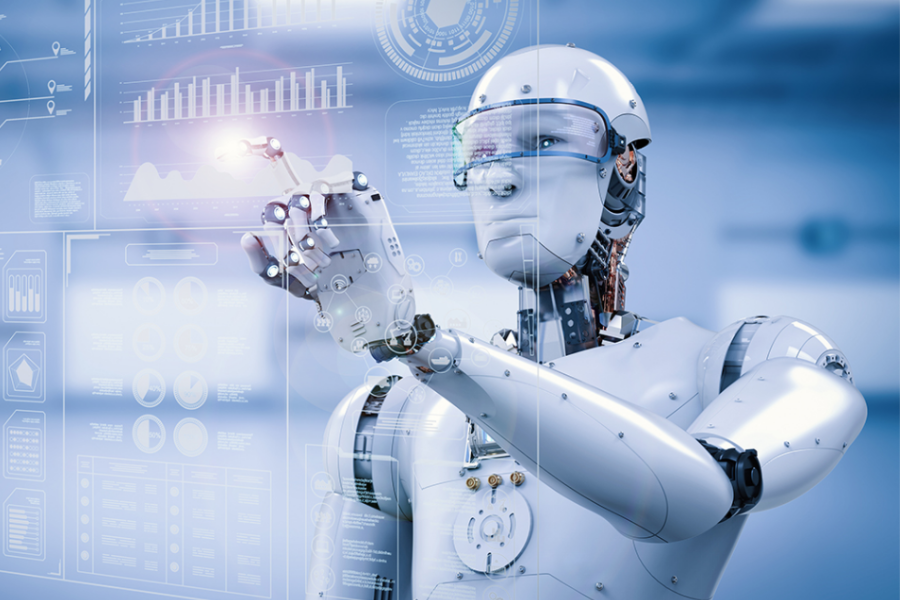
Automation of the workforce: Opportunity or calamity?
Even as automation is expected to improve productivity by 0.8%-1.4% annually, it could have little impact on jobs in the immediate future. But it’s important for employees to acquire essential skills and equip themselves to work with new technologies. • The COVID-19 induced collapse in production activity at the heart of many GVCs, has grave implications for producers and consumers. • As countries imposed lockdown restrictions, businesses resorted to technological solutions like automation. • While automation can take on routine back- and front-office functions and reduce the need for human interaction, it is not a complete substitute for human beings. In fact, it may create new employment opportunities for workers. • However, to leverage these opportunities, India’s workers must embrace necessary technological skills. On the job remote training and investing in skill development are have to be initiated to keep companies and their workforce abreast of the ‘new normal’. Image Credit: Future Customer Across the world, COVID-19 has forced businesses to shut their factories, leading to the disruption of supply chains and countless people being confined to their homes. The collapse in production activity at the heart of many GVCs, has grave implications for producers and consumers in countries further up and down the products’ value chains such as the Australia, US & Europe. For example, China, the first country to go through a full cycle of the epidemic, was marred by the double whammy of a drop in productivity as well as international trade. India, too, had its own share of similar challenges. According to a recent report by Deloitte India, there was significant work disruption across the value chain during the lockdown: Automation: The technological panacea As the country was under a severe (nearly three month) lockdown, many sectors such as IT, education and healthcare switched to remote working. Technology came to the rescue of these sectors, offering a germane solution to several modern problems in the face of the current unprecedented crisis. From the blossoming of neobanks to deploying robotic solution in healthcare – there was a tectonic shift in everyday business functioning. Source: Future of Work Accelerated Survey and CXO Conversations, Deloitte India Now, as the country is moving towards reviving economic activity (Unlock 4), several industries are embracing an economic shift from physical to digital. According to industry body Nasscom, the pandemic will prove to be the tipping point for automation. This demand for automation will be driven by a shift from cost efficiency to supply chain security, employee health and safety and a transition from globalization to geopolitics. “COVID-19 has made automation a boardroom imperative as CEOs are now forced to expand business continuity and risk to include ‘white swan’ events,” notes a recent Forrester report. It goes on to state that firms will invest in more cognitive capabilities and supplied artificial intelligence (AI), industrial robots, service robots and robotic process automation (RPA). Is automation a threat to employment? Given automation’s ability to take on quite a few routine back- and front-office functions and reduce the need for human interaction, a very pertinent question that arises is whethe r automation is a threat to employment. On the face of it, automation does appear as a replacement to human beings. But then, that has been true for all such disruptive technologies in human history – be it the automobile, the personal computer or the internet. The study by Nasscom argues that while automation will unquestionably impact the way we work, the impact on job loss will be minimal and gradual. In fact, it states that in the past, technology has resulted in new economic opportunities and may even may lead to better pay and more jobs. That automation led-job loss is not very likely is also indicated by the Deloitte India study quoted above. It notes that organisations heavily reliant on full-time workers are expected to continue to do so, while others are earmarking roles to leverage gig workers. The World Economic Forum estimates that emerging professions resulting from automation could account for 6.1 million jobs globally between 2020 to 2022. It notes that the pandemic highlights opportunities for workers in hospitals, grocery stores, schools and so forth. Likewise, roles within technology creation and management, e-commerce and the broader knowledge economy are expected to continue to grow. It states that “as governments seek to rebuild their economies, new sources of growth – and jobs – will also emerge from the green economy, science and health research, and digital infrastructure. For developing economies, a proactive new approach to the jobs of tomorrow is even more critical, as the global value chains of the past are rethought and with it, the manufacturing-driven growth model”. LinkedIn’s 2020 Emerging Jobs in India Report discloses that jobs in sectors like blockchain, cybersecurity, AI, robotics, digital marketing and engineering are offering strong hiring sentiment in the country’s job market. Consulting firm EY, too, estimates that digital technology will contribute 20% to India’s nominal GDP, sustaining 60-65 million jobs by 2025. Creating a future ready workforce A well calibrated, coordinated adjustment that encompasses policymakers, industrialists, educators & civil society can greatly improve the benefits offered by this technology by maximizing productivity. But in order to tap the abounding opportunities offered by automation & these other technologies, India needs to evolve education systems that are well suited to the evolving needs of the workplace. The pandemic has created a sudden need of digital skills in sectors like education and health, which were previously not used much. Quite a few companies resorted to on-the-job training in order to deal with this challenge. This is one solution which could be carried on even in the future. Efforts should also go into recognizing sectors, which are most likely to be impacted by automation and leverage public and private sector resources to channel job-creating investment into such sectors. Technology is basically a catalyst for human endeavours, and automation is no different. It is expected to increase productivity growth by 0.8-1.4% annually, according to projections by McKinsey. That

Indian pharma post-COVID: On the innovation trail?
Post-COVID-19, India needs to strengthen its pharma R&D ecosystem to tap into emerging drug development opportunities, particularly in the realm of infectious diseases. As the global R&D ecosystem moves towards a more collaborative approach and possibly accelerated new drug development cycles, India needs to reorient its pharma industry to become an innovation hub. • Indian pharmaceutical industry is a global leader in generics space. But it still grapples with low investments and capabilities in R&D. • As a result, the industry is the third largest in the world by volume but the 13th largest by value. Indian companies typically invest much less in R&D as a proportion of sales at an average of 8.5%. In comparison, global pharma leaders invest around 20-25% of their revenues in R&D. • There is a need to tap into emerging opportunities to become a global R&D leader, by ensuring greater government-academia collaboration, higher investments and improvements in the quality and the efficiency of the new drug development process. • Post-COVID-19, Indian industry needs to initiate greater collaboration with academia and government to build a strong R&D ecosystem to tap into emerging opportunities, particularly in the realm of infectious diseases. Indian pharma has long been a leading supplier of generics drugs. The industry provides 20% of the global supply of generics drugs by volume and 62% of the global supply of vaccines. Around 60,000 Indian generic brands cover 60 therapeutic categories and manufacture over 500 different Active Pharmaceutical Ingredients (APIs). Once we have a winner in the race towards the development of a vaccine for COVID-19, India is pivotal to ensuring global access, as the leading producer of vaccines in the world. In fact India itself is part of the race with an indigenous vaccine in trial stage – Bharat Biotech’s Covaxin based on the inactivated virus procured by ICMR. As the global pharma R&D ecosystem goes through a massive upheaval in the midst of the pandemic, innovation is equally a point of introspection for Indian pharma companies. Over the years, the debate has intensified on how it has become critical to improve India’s capabilities as well as agility in terms of R&D, be it in terms of new pharmaceutical products, specialty generic complex drugs, biologics or biosimilars. But given that India has not yet been able to develop a globally competitive R&D ecosystem, it could cost the industry several lucrative opportunities to reach the big league, particularly in the post-COVID period. The Indian Pharmaceutical Alliance (IPA) and McKinsey jointly released a report The Indian pharmaceutical industry – the way forward’ in 2019, which stresses that India needs to be an innovation leader, by 2030, if it aspires for global leadership in the pharma industry. The report states: We believe that the industry can aspire to build a strong innovation pipeline (with three to five new molecular entities launched or in late clinical trial phases and 10-12 incremental innovation launches per year by 2030) and enhance Indian pharma’s significance beyond generics, to biologics, new drug development and incremental innovations. This can help it tap new lucrative opportunities; for instance, biosimilars is projected to be worth US$ 60 billion by 2030. By just capturing just 10% of this share, the industry can grow by 13%, according to the report. So far, the Indian pharma industry has a rather unenviable record on R&D. The report concludes that this is in part due to a limited government-funded research ecosystem. Moreover, India has just around 2,000 PhD students in pharmacy institutes, placing it unfavourably vis-a-vis a competitor like the US, which has 15,000 students enrolled. Furthermore, the report bats for a more conducive interface between the government and industry for the success of innovation-focused research initiatives. Securing participation from government institutes in clinical trials is also difficult due to multiple regulations. Indian pharma companies are also not very aggressive in terms of investments into R&D. An analysis of 10 leading pharma firms in India shows an average R&D investment of 8.5% of sales in FY ’18, which is forecasted to decline to 8.4% in FY’20. On the other hand, the average R&D investment for pharma firms is pegged at around 17% of revenue globally, which is only bettered by the semiconductor industry. Leaders like AstraZeneca, Eli Lilly and Roche spent even more, in the range of 20-25% of revenues. R&D intensity remains consistently high for competing countries, particularly the US, which accounts for over half of global pharma R&D investments. The reasons can be better understood when we look at the broad data on R&D outcomes. New drug development typically requires investments of US$ 10-12 billion, and an average development time of 10-12 years. Yet, only around 8% of developed drugs get regulatory approval. The industry is looking at ways to reduce both the development times and costs, and improve chances of successful applications. These include interventions like in-silico, computational modelling and proteomics. Digitisation of labs can be quite fruitful in streamlining and seamlessly integrating the entire pharma product life cycle process, besides improving quality controls, efficiency and cost optimization, according to Dr Chaitanya Kumar Koduri, Associate Director International Public Policy, Advocacy and Engagement, United States Pharmacopeia. Facing new realities post-COVID-19 Experts are confident that global efforts to fast track the vaccine development and approval process itself could lead to a disruptive transformation in the new drug development process in the coming years. One instance is the use of real world evidence (RWE) to identify treatments and fast track the process. Sanjay Singh, Partner, Deal Advisory, KPMG India, affirms: Drug and vaccine development effort in response of COVID-19 pandemic is unprecedented in terms of scale and speed. It is expected that a vaccine could be developed in next few months and this will indicate a fundamental change from the traditional vaccine development pathway which takes around 10 years. This could be a harbinger of changes in the traditional approach to more parallel, collaborative and adaptive development mechanisms. Such an approach will involve more closer coordination and engagement between actors, including
