
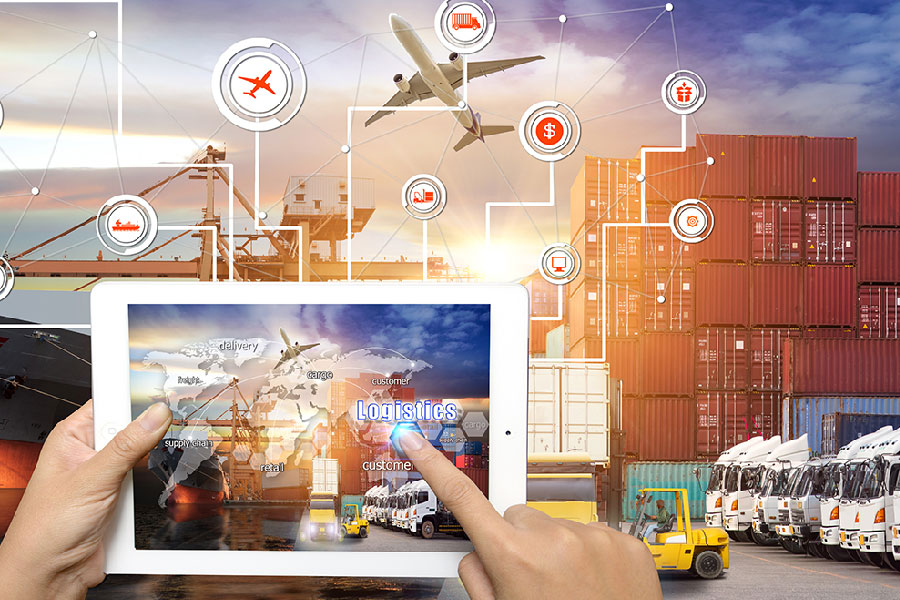
COVID-19 has exposed the vulnerabilities of complex global supply chains and reiterated how important it is to have a robust logistics network. Giving the sector a digital twist can make processes smoother, and make companies better prepared to deal with the unexpected. COVID-19 has made the world realize how vulnerable they can be by the disruption of the status quo and how strengthening the logistics sector is critical to economic stability. The Indian logistics sector is marred by the slow adoption of technology. This ushers in operational inefficiencies, cost overruns and poor asset utilization in the sector. These issues need to be fixed if India wishes to improve its ease of doing business rankings and make supply chains more integrated. Leveraging digital technologies like AI, IoT & blockchain is the way to overcome these supply chain problems and improve performance. The turbulent times of COVID-19 have turned the world upside down, with everything from global supply chains to eclectic industries to economies going topsy-turvy. This unprecedented event has made the world realize how vulnerable they can be due to disruption of the status quo and how important it is to ensure fast and safe movement of goods till the last mile with robust, flexible and disaster-proof supply chain networks. The pandemic revealed how the logistics sector became the linchpin of the economy as it came to the rescue of the nation. Elias George, Partner and Head – Infrastructure, Government and Healthcare (IGH), KPMG India, notes: The disruptions caused by COVID-19 have highlighted the criticality of fundamentally rethinking many aspects of human endeavor. Investments in infrastructure have a multilayered spill-over impact on the economy, affecting overall growth as well as the prospects of businesses and individuals. One thing that has become evident from this experience is that logistics is indeed the backbone of an economy and therefore, it is absolutely imperative to have a robust logistics network in place. Not only does the presence of a strong logistics ecosystem facilitate seamless movement of goods from the point of origin to that of consumption, it also aids an economy’s movement to prosperity. Thus, logistics plays a catalytic role in terms of boosting exports, generating employment and giving the country a significant place in global supply chains. Thus, as per the Economic Survey 2017-18, the sector offers livelihood to 22 million-plus people and improving the sector would lead to a 10% decrease in indirect logistics costs, leading to a growth of 5-8% in exports. Challenges faced by the Indian logistics industry The Economic Survey 2019-20 notes that India (rank 68) lags significantly behind Italy (rank 1) in terms of Trading across Borders on World Bank’s Ease of Doing Business Report (2020). By fixing the issues in the logistics system, the country can significantly improve its ease of doing business and become an economy of scale, thereby attracting more foreign investors. Parameter India (Delhi) Italy Export (a) Border compliance 54 hrs; US$ 195 0 hr; US$ 0 Export (b) Documentary compliance 6 hrs; US$ 65 1 hr; US$ 0 Import (a) Border compliance 70 hrs; US$ 260 0 hr; US$ 0 Import (b) Documentary compliance 18 hrs; US$ 100 0 hr; US$ 0 SOURCE: Economic Survey 2019-20. The Indian logistics is marred by the slow adoption of technology. One reason for this is that the consciousness about the economic benefits of using digital technology is fairly low and collaboration among stakeholders is far from satisfactory. This ushers in operational inefficiencies and poor asset utilization in the sector. Challenges in this context include inadequate and low-quality multi-modal and terminal transport infrastructure, suboptimal modal mix and inefficient and ill-designed storage facilities for cargo and containers. This consequently results in high and inconsistent cargo transit time, inefficient use of resources and poor fleet management. A digital reprise Technology can play a key role in fixing the logistics network, building a smarter value chain and thereby enhancing its contribution to the economy. Reducing human intervention through logistics process automation can prove to be a game changer for various businesses as they look for new ways to streamline processes. Technologically driven logistics companies, which devise and offer freight solutions meant for enhancing logistics operations could help businesses fast-track their value chain operations with their next-gen tools. At the same time, AI-based solutions can help supply chain leaders avoid disruptions and help significantly shrink average response time to supply chain disruptions through offering pivotal predictive analysis. For example, AI-based control towers can provide advanced warning to a plant when a shipment is delayed by analyzing things like weather conditions, out-of-stock inventory, social trends, news, related shipping delays and border crossing times. Similarly, in an industry like the ocean freight, which accounts for 90% of goods in global trade, transport remains highly dependent on a flood of paperwork. Spreadsheets and paper-based record keeping leave room for errors and inefficiencies. Moreover, each player may use different database structures and terminology or may take records with different levels of detail. Blockchain technology can be used to cut down on paperwork and errors, as it offers multi-party visibility and infuses trust, transparency, standardisation and traceability into the supply chain. It resolves the challenges of the error-prone spreadsheet-and-clipboard system & therefore further providing cost savings and greater accuracy. Further, blockchain technology can also be leveraged to verify suppliers through data stored on a blockchain to provide immutable auditability of a supplier’s status and business. Consequently, it can reduce the time to onboard a new supplier registration from weeks to days. Logistics industry can also harness Internet of Things (IoT) to ensure safety in supply chain management by reducing human interactions and risk of accidents. It enables effective and optimised warehousing and yard management by enabling more machine-to-machine interaction. An IoT ecosystem addresses the issue of hidden costs associated with loading equipment and returnable packaging. In a food supply network, for example, device- generated data provides real-time audit trails for professionals & helps them analyze the root cause of issues in the cold chain. To
Denmark can help ‘Make in India’ lead to ‘Make India’
Freddy Svane, Ambassador at the Royal Danish Embassy in New Delhi, is positive that India-Denmark relations are currently at their best ever. He talks about the major contours of the Green Strategic Partnership between the two countries, and how India is now emerging as a critical part of the global strategy for Danish companies. IBT: Let’s begin with a brief overview on what India-Denmark relations have been like over the years? What are the main inflection points and how is it looking at present? Freddy Svane: In fact, we are celebrating 400 years of the first interaction between India and Denmark this year. In November 1620, minor fleets came to Tranquebar in Tamil Nadu and that led to the establishment of trading post. Over the years we expanded into Serampore which is close to today’s Kolkata. For whatever reason, we also came in possession of the Andaman and Nicobar Islands and made a minor attempt to do some trade in Goa as well. An important point to be made is that we didn’t want to colonize – we were, and we are traders by heart. Eventually, we left in 1845, handing over whatever we had to the British. Then we had moved into modern India after the Second World War ended, even though we had a couple of Danish companies operating already in India. We also had two engineers from FL Smith that settled down in Mumbai – Henning Holck-Larsen and Søren Kristian Toubro, and in fact, they created what is L&T today. It was not Danish in the sense, but still many of the Danish values are very much present. IBT: What would you identify as the major highlights of Indo-Danish cooperation post-independence? Freddy Svane: In the 1960s, Denmark came in big time with DANIDA (Danish Development Assistance). We cooperated with India in a number of fields, including education and agriculture. In fact, Denmark was part of what we call the White Revolution; we brought in cows from Denmark, which were cross-bred with Indian cows. The milk yield increased drastically and today India is the world’s largest milk producer. We were also, in fact, a part of the Green Revolution through a company called Haldor Topsøe and its owner Frederik Axel Topsøe (who passed away a couple of years ago). He developed a lot of technology that was aimed at reducing the use of fertilisers. IBT: How do the relations between the two countries stand at present? What is the vision and key elements of the proposed Green Strategic Partnership between India and Denmark? Freddy Svane: In 2008, our then Prime Minister, Anders Fogh Rasmussen (later Secretary General for NATO), intensified efforts to strengthen ties with India. I joined as an ambassador in 2010. Although we had very good relations, we still had an issue with the Kim Davy case that led to friction in ties. But things have improved post-2014 once again, and now I think we have the best relationship ever. We are personally talking about a Green Strategic Partnership, which is based on the mantra that the Indian Prime Minister Narendra Modi defined – namely that India has the scale and Denmark has the skills. When I rejoined India as an ambassador last year, I also added ‘speed’. It essentially implies a strong focus on many of the strategies that the Indian PM has launched, like doubling the income of farmers, new India, etc. It will have a very strong focus on whatever relates to clean tech, energy, water, food processing, logistics, etc. So, this is based on cooperation; not us trying to sell whatever we have. IBT: Can you share some specific areas where the two countries are collaborating at the government level? Also, what are the major areas where Danish companies are making investments into India? Freddy Svane: One such example is wind energy. From September this year, we will have an expert sent to Ministry of New and Renewable Energy (MNRE), which will help the Indian side in developing the regulatory framework for the wind industry. We have also set up a centre of excellence for offshore wind in Chennai and signed a number of MoUs – wind turbines, solar panels, smart grids, robots, etc. Trade has always been very small. Denmark’s exports to India are valued at just around 2 billion Danish Krone (US$ 320 million) annually. One issue of course is that Danish products are highly priced in comparison, so I think we need to find a better balance with the requirements in India. Luckily, we have seen many Danish companies investing in India. Danfoss, a world leader in cooling, has huge operations in Chennai. Vestas, a wind turbine maker, has a unit in Ahmedabad where they are doing the blades for wind turbines and another one in Chennai, where they are doing the nacelles, apart from an R&D centre. If you take logistics, Maersk has been present in India for many years, presently through its daughter company at Nhava Sheva. In fact, they are supporting and handling somewhere between a fifth and a third of all containers coming to India, which is a huge operation. Then they are also operating the Pipavav terminal in Gujarat. We are building a foundation for even more expanded trade and cooperation in many fields – strong focus on water, food processing, farming, energy, etc. Also, our focus is on how we can combine some of these things – turning waste into wealth, waste into energy, etc. Consider the issue of farmers burning husk and straws in Punjab and Haryana. A Danish company Burmeister & Wain Scandinavian Contractors has provided the technology. There are two power plants in Punjab where paddy waste is being incinerated instead of burning on the field, where the pollution of course will be higher and always unlimited. So, I think we like the idea of Make in India – I would also like to see this program turn into Make India. So, the aim is to produce things in India for
Bulk liquid storage: Building blocks for a brighter future
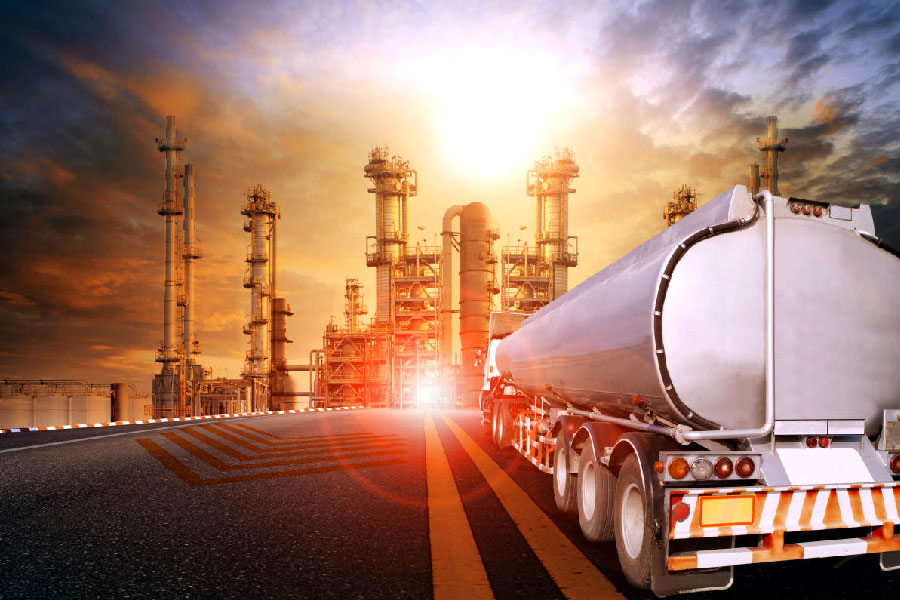
The Indian bulk liquid storage and logistics industry needs to ramp up capacities, improve customer-centricity and fast-track deployment of new technologies to cater to prospects of growing demand in end-user industries. The bulk liquid storage industry provides vital support to diverse industries including crude oil LNG, POL products, bulk chemicals and petrochemicals. In the context of India, bulk liquids, – petroleum, oil & lubricants (POL), bulk liquid chemicals and edible oil account for around 32% of volume share at major ports. The sector has huge relevance to India considering that it is the 6th largest chemical producer and 4th largest agrochemical producer in the world. However, India faces critical shortcomings in liquid storage and logistics infrastructure. The liquid bulk capacity utilization is presently at around 90-95%, while the desirable international average is 70-75%. While overall port capacities in India are estimated to grow at a CAGR of 6-8%, liquid bulk capacity growth is lower, at around 3-5%. The industry needs to come up with respect to building end-to-end capacities, improving efficiencies and fast-tracking deployment of new technologies like IoT, automation and blockchain. In the initial days of the COVID-19 pandemic, the world witnessed record low oil prices due to the lockdowns and virtual absence of demand. For the first time in history, WTI crude oil prices fell to –US$ 37.63 per barrel on April 21, 2020. This situation provided oil importing countries like India with a terrific window of opportunity to boost its oil storage as an important buffer against future externalities. Peter Davidson, Executive Director, Tank Storage Association (UK), explains that this realisation has been pretty much consistent across the global bulk liquid storage industry: “Against the background of increased demand for petroleum storage globally and a decline in oil demand due to the COVID-19 pandemic, the critical importance of bulk liquid storage terminals in responding to market fluctuations and in improving the flexibility of the entire supply chain has undoubtedly come to the fore.” However, India’s strategic oil reserve capacity (of around 39 billion barrels) is particularly low, providing cover for only around 9 days. This compares quite unfavourably to countries like US (730 million barrels) and China (550 million barrels). Two strategic oil reserves which were planned in 2018 will take India’s total reserves to 87 days (including 67 days of commercial stocks in refineries and armed forces stocks). However, they would take 5-7 years to complete. This instance highlights the importance of a strong and robust storage and logistics industry, which caters to not just oil, but a wide range of other liquids. The bulk liquid storage industry provides vital support to diverse bulk liquid industries including crude oil LNG, POL products, bulk chemicals and petrochemicals. It holds inventory to guard against supply/demand mismatch, hedge against price volatility, safety buffer or even strategic reserves of national importance. These liquids act as raw materials for a number of downstream sectors – automobiles, textiles, consumer durables, personal care, energy, food production and processing. Marine transport is estimated to account for 95% of volume and 70% of volume transfer of bulk liquids. Globally, tank storage is growing a CAGR of 7-9%, owing to increasing demand for fuel and raw materials in emerging economies, rise of new producers in segments such as shale oil, and cleaner fuels like LNG. Another major driver is the growth in chemical feedstock demand from Asia and Africa, as they increase their capacity for processed chemicals and agro-chemicals for domestic and overseas markets. Regional dynamics are in a state of flux, with restructuring and consolidation across refining capacities in Europe, Japan and Australia on one hand, and new capacity in Middle East, India and Southeast Asia on the other. Growth in demand for vegetable oils such as palm, rapeseed and sunflower oil as well as a rise in preference for processed food products and Western lifestyles are also driving the growth of the bulk liquid storage industry. In the context of India, bulk liquids – petroleum, oil & lubricants (POL), bulk liquid chemicals and edible oil – account for around 32% of volume share at major ports. The sector has huge relevance to India considering that it is the 6th largest chemical producer and 4th largest agrochemical producer in the world. Development of PCIPRs is also expected to contribute to the growing demand. Both upstream and downstream oil companies are lining up their expansion plans in terms of refining capacities as well as distribution infrastructure. Per capita energy consumption is still at around one-third of the global average, making India an attractive energy growth market. Mukesh Parikh, Adjunct Professor, Adani Institute of Infrastructure Management, envisions India making great strides in the coming years with respect to chemical and petrochemical industries: “The focus may shift from import dominance to export or coastal movements; nonetheless, the ports will need to gear up to handle about 50 Million MT of chemicals in the next 10 years. The storage capacity available at ports will need to be doubled. In addition to West Coast of India, for an even distribution, liquid storage capacity is also required to be put up at South and East Indian locations – Karnataka, Tamil Nadu, Andhra Pradesh, Odisha.” While crude oil, refineries and POL are driven by large format players, he emphasises that chemical logistics offers opportunities for both domestic players and MNCs. Incumbents do enjoy the advantages of existing customer base and relationships, but new players with high quality standards and expanding business horizons may be able to successfully venture into the chemicals logistics value chain, with appropriate policy support towards ramping up infrastructure. Bulk liquid storage and logistics business has a high level of capex and low level of opex. The capex depends on factors like type and nature of products, capacity of individual storage facilities, overall storage capacity, internal pipelines, receipt and delivery systems, marine facilities for ships, location and land price, hinterland connectivity and a host of other factors related to development of infrastructure, superstructure, equipment, automation and technology applied.
Patent expiries present a US$ 212 bn opportunity for Indian pharma
Sanjay Singh, Partner – Deal Advisory, Head of Lifesciences, KPMG in India, identifies new generics opportunities, established manufacturing ecosystem, growing penetration of health insurance and talent pool as some of the key growth drivers for the Indian pharmaceutical industry over the next decade. IBT: The government is planning to come up with an exclusive R&D policy to incentivise innovation in the pharmaceutical industry. Why has this become necessary and what should be the major policy interventions required in your view? Sanjay Singh: With ongoing developments, India has started focusing on self-reliance at a large scale. Total sales potential from expiry of drug patents between 2019-24 is estimated at ~US$ 212 billion. This presents a large opportunity for Indian generic companies. However, as opposed to international markets, R&D spending in India is limited. Overall world-wide R&D pharma spends was US$ 180 billion in 2019 (20% of pharmaceutical revenues). In India, on an average, R&D spends were between 8-10% of sales. New policy initiatives will aid the research field in further developments and discoveries. Recently the government has announced its plans on setting up three National Centres of Excellences (CoE) for drugs, medical devices in the country while the National Institute of Pharmaceutical Education and Research (NIPER) here will house one CoE for drug discovery. The new pharma policy also provides incentives for APIs that will bring a huge change in the long run. It also provides incentivisation to scientists, which is being done in other countries as well and will bring us on par. The bulk drug parks along with R&D centres and the PLI scheme will help India gain the advantage to lower their cost of production. IBT: While India has emerged as a generics leader in the pharmaceutical space, it is not known for innovation in terms of new drug development. What are the key constraints that the industry faces in this regard? Sanjay Singh: The pharmaceutical industry in India is the world’s third largest in terms of volume. However, in terms of innovation, the industry has a long way to go. High investments, long timeline & low probability of success – Developing innovator drugs cost ~US$ 1.5-2 billion. The development timeline is long (~10-12 years) with the probability of success rate of ~1 out of 5,000 drugs evaluated. Comparatively, generics take ~2-3 years to be developed with a higher success rate at much lower investments. Low healthcare coverage in India – In India, healthcare insurance only covers hospitalisation-related expenses, whereas general consultation and related medical expenses are not covered as a part of healthcare plans. ~70% population pays out of their own pocket for medical expenses, which makes generic drugs more preferable. Product Patent – In India, although process-patents were available, pharma products became patentable only in 2005, which is a key reason for a slow-pick up in R&D for innovation drugs. Government regulations– The Indian government’s initiatives on drug price-control make it less attractive to invest in R&D for developing drugs for chronic & rare diseases. Generic-prescriptions and ban on Fixed Dose Combinations (FDCs) However, India’s growing demography and intellectual capital make it a potential powerhouse of R&D in pharma. Some of the leading domestic companies are emerging as innovators. An example is the recent innovation by a leading Indian pharma company of oral insulin tablets that relieved diabetics worldwide from insulin injections. IBT: India has a relatively smaller talent pool, with about 2,000 PhDs in pharmacy institutes compared to 15,000 for the US? How can the education system expand capacity and be made more attractive for both domestic and global talent? Sanjay Singh: The Government of India has launched several upskilling initiatives to make the labour market ready to undertake professional challenges. There are training programs & workshops conducted regularly under these schemes. For instance on ‘pharmacovigilance’, ‘apprenticeship in pharma sector’ are being set up throughout the country. India, by virtue of cost-effective skilled manpower and cheaper currency, offers direct operational cost advantage in the setting up of new pharma & chemicals divisions. Skilled talent in the R&D sector is also available at a much lower cost in India than most countries. Currently there are more than a million active pharmacists in India, with around 55% in community, 20% in hospital, 10% in industry and 2% in academia. However, with respect to India’s population, we need more healthcare professionals than present for it to make progress. Some of the possible interventions that could help expand the current talent pool include: Collaborations or partnerships with the industry and leading pharma companies to facilitate better teaching Latest technologies implemented into the syllabi, abundance of industrial exposure, which will ensure that students have practical knowledge as well as theoretical knowledge to understand the strengths and gaps in the pharmaceutical sector. Grant of fellowships and providing targeted training programs to talented researchers and students from leading academic institutes. Establish training infrastructure and institutes, offering industry-specific training at the pharma parks and ensure more funding to institutes. IBT: In the coming decade, what are the major growth opportunities/drivers that you envision for the Indian pharma industry in the global market – new therapeutic areas/markets/drugs going off the patent cliff, etc? What new opportunities could emerge in the domestic and global market in the post-COVID era? Sanjay Singh: Total sales potential from expiry of drug patents between 2019-24 is estimated at ~US$ 212 billion. India should see tailwinds of these opportunities in terms of more complex and niche products. Increase in exports to regulated markets of US and Europe The Indian pharma market is USD 50 bn and is projected to grow at 12% over the next 5 years. Key growth drivers for the India market will be: Established ecosystem to support pharma manufacturing: Indian manufacturing infrastructure has evolved from export of simple APIs to India becoming the largest generic drug exporter to the global markets. Increasing share of exports: India’s exports were driven by strong growth in generics, India has also emerged as a key supplier of API/bulk drugs to
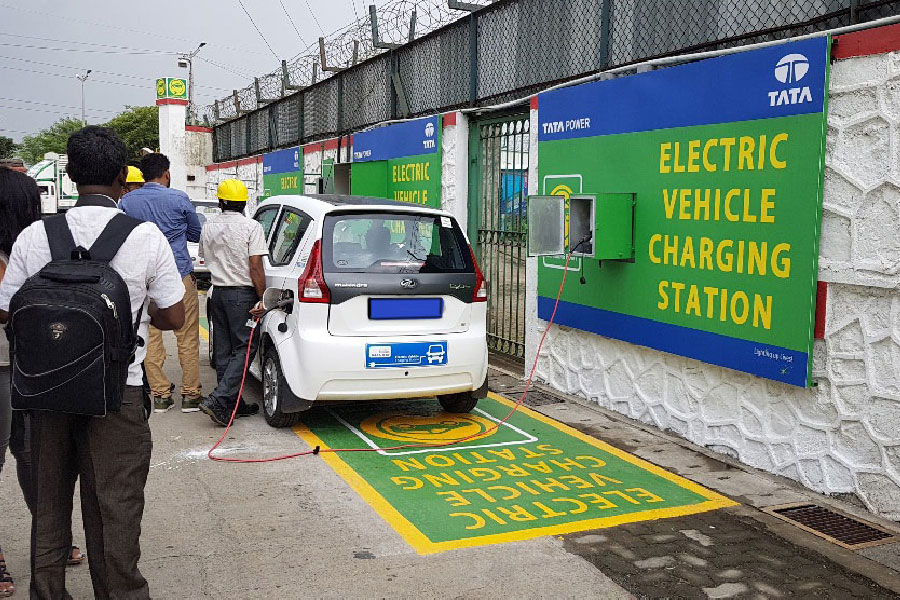
EV industry: Is COVID-19 a vital pitstop?
COVID-19 is expected to greatly decelerate the progress of the automotive industry towards electric vehicles. But India can also view the pandemic as an opportunity to reassess its strategic approach towards a dynamic & sustainable EV ecosystem. From people sitting in their homes for months (& therefore, hardly any need for mobility) to the lifting of the lockdown curbs and the preference of travelling solo, COVID-19 has changed the face of commuting in the country. Amid the pandemic, the country has made major strides towards e-mobility by leapfrogging from BS IV to BS VI norms. Supply chain disruption, diminished investment, lower purchasing power of customers and reduced government focus have been identified as short-term challenges for Indian e-mobility segment. India must utilise this period to relook at its strategic approach towards the EV sector. This would involve measures to reduce import dependence as well as ensuring adequate incentives on both the demand and supply side. The proliferation of COVID-19 has had very serious impacts on the country’s automobile industry. From the macroeconomic environment and regulatory trends to technology and consumer behaviour, the Indian automobile industry has been compelled to relook at its strategic approach towards business sustenance and growth. The same is true of the electric vehicle (EV) industry in the country – the eco-friendly solution to India’s mobility problems. The fact that EVs were making their presence felt in the country slowly and steadily is buttressed by the 20% year-on-year growth in EV sales in the financial-year 2019-20 to reach 1,56,000 units. Besides being cleaner modes of transports, EVs are also likely to auger well for any economy. According to a study, the shift to electric vehicles is estimated to lead to a 1% increase in EU’s GDP; while another one suggests that about 2 million additional jobs will be created by EVs by 2050. Further, the introduction of sustainable mobility will also enhance last mile connectivity, at a time when Prime Minister Modi is trying to devise a master plan to improve multi-modal connectivity in industrial hubs to cut the cost of logistics. Source: Frost & Sullivan An analysis by Frost & Sullivan shows a promising future for electric vehicles in India, noting that the penetration of EVs and is expected to reach as high as 4.8 million by 2025. This will be driven by a push from the Indian government towards electric vehicles. Some of the major steps taken by the government include: Launch of Faster Adoption and Manufacturing of (Hybrid) and Electric Vehicles in India (FAME 2) scheme to incentivize the purchase of EVs in the country. With an outlay of ₹10,000 crore till 2022, it intends to augment the number of EVs in the commercial fleet. Slashing of Goods and Services Tax (GST) rate on EVs from 12% to 5%. An additional deduction of Rs 1.5 lakh in income tax for interest paid on loans for purchase of EVs. A bumpy ride ahead The advent of COVID-19 has severely disrupted the country’s journey towards embracing this change. One eminent change is the disruption of supply chain. Given the lack of availability of raw materials – lithium, cobalt, manganese, nickel – needed to produce EVs and the ensuing high cost of manufacturing them locally, India imports these components from other nations, especially China. As the epidemic broke out in China & factories were forced to shut down, supply chains dried up in the country, thereby halting the production process of EVs in India. Another effect of the contagion is that in the near future, investment of Indian original equipment manufacturers (OEMs) in the EV sector might contract. With mounting losses due to the disruption in operations and plans to recover investments made for meeting Bharat Stage VI emission norms, they may strive to revive existing operations and aggressively sell Bharat Stage-VI vehicles in which they have already invested. Hero Electric, Kinetic, Mahindra Electric and others have deferred capex and programmes deemed non-critical in the Indian market in an effort to conserve cash. Thus, dedicated research and development for the e-mobility sector might also slow down post COVID-19. Sulajja Firodia, founder & CEO, Kinetic Green Energy and Power Solutions, notes: “We will invest only in the most critical programmes which we have already started and all other capex programmes will be postponed by 2-3 quarters. Some programmes like half tonne delivery fleet vehicle will continue.” Further, with the government easing its purse strings for relief and development work across other sectors like MSMEs and agriculture, funding from the government may also diminish. Consequently, procurement programs for e-buses and e-cars are likely to take a backseat. The same may be the case with a number of private players who were expected to drive the demand for EVs in almost all vehicle segments. The declining purchasing power of consumers in the face of job losses and salary cuts, despite the anticipated trend towards the rise in private vehicle ownership owing to the looming fears of the infectious disease, is also painting a grim scenario for the industry. Lastly, this situation is further compounded by several problems that the sector was already grappling with, like the lack of sufficient public e-charging ports. While it is said that EVs can be charged overnight conveniently at home, quite a few parts of the country still don’t have access to electricity. Moreover, even those regions which have access to electricity, grapple with the problems of load shedding – frequent power cuts, fluctuation of voltage & low voltage. Secondly, leapfrogging to EVs encompasses a shift in the behavior patterns of consumers, which might not be an easy thing to achieve. For instance, it was observed that just a few months after the launch of Ola’s ambitious Electric Vehicle project in Nagpur, many drivers wanted to return their electric cars and switch back to conventional variants owing to high operating expenses and long queues at charging stations. COVID-19 will definitely delay India’s progression towards electric vehicles, as Rajeev Singh, Automotive Leader, Deloitte India, opines: “New investments in
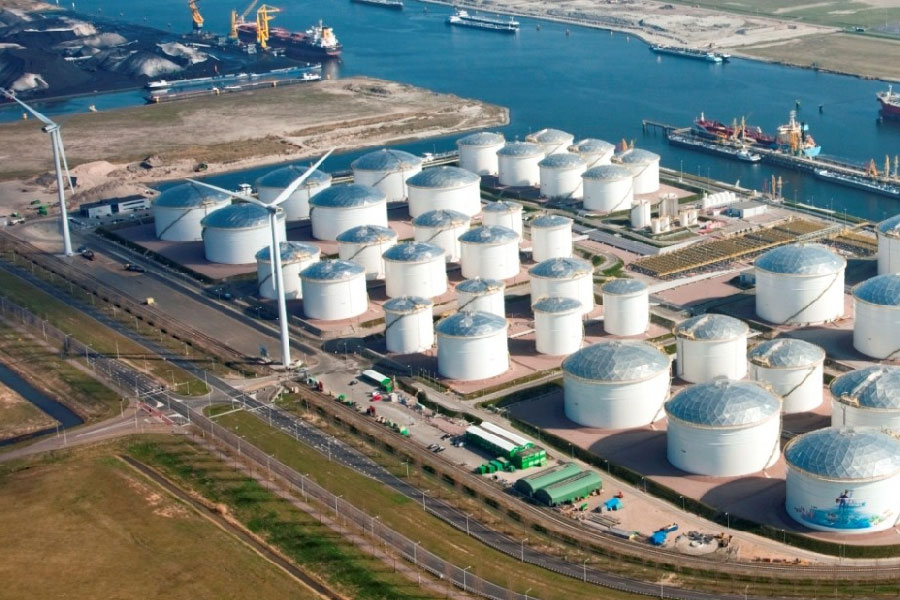
Chemical logistics chain lucrative for new players
Mukesh Parikh, Adjunct Professor, Adani Institute of Infrastructure Management, believes that with favourable policies like implementation of ease of doing business norms and development of coastal PCPIRs, private investment in the Indian chemical industry as well as the bulk liquid storage and logistics services is expected to increase. Image Credit: https://bit.ly/3gRF2zw IBT: What is your outlook on the Indian bulk liquid storage market from the perspective of chemicals, its potential and growth drivers vis-à-vis other markets across the world? How is this potential distributed across key segments and where does India stand in terms of self-reliance? Mukesh Parikh: During the last two years, 2018-19 and 2019-20, the annual throughput of chemicals at Indian ports was 26 million MT, 65% of which was at ports on the West Coast of India. Chemicals comprise of petrochemicals, speciality chemicals and encompass all the industrial and agricultural segments from agriculture to textiles, automobiles to plastics, pharmaceuticals to paints and every other conceivable segment. The agrochemicals segment is expected to continue its predominance due to the growth of agriculture. Petrochemicals and downstream products will also grow, following expansion of India’s refining capacity. Moreover, with government initiatives and thrust on coastal economic zones with five of the zones at Kachchh (Gujarat), Dakshin Kanara (Karnataka), VCIC South (Tamil Nadu), VCIC North (Andhra Pradesh) and Kalinga (Odisha), having petrochemical complexes, volume to be handled at the ports would grow. The focus may shift from import dominance to export or coastal movements; nonetheless, the ports will need to gear up to handle about 50 Million MT of chemicals in the next 10 years. The storage capacity available at ports will need to be doubled. In addition to West Coast of India, for an even distribution, liquid storage capacity is also required to be put up at South and East Indian locations – Karnataka, Tamil Nadu, Andhra Pradesh, Odisha. If you evaluate the concept of self-reliance from the perspective of value addition with a logic similar to the Net Foreign Exchange (NFE) positive for a Special Economic Zone (SEZ); you will find huge strides expected to be made by the Indian chemicals and petrochemicals industries. IBT: What are the challenges to growth and the ways in which India can expand its capacity for bulk liquid storage in chemicals by addressing these challenges? Mukesh Parikh: The weakest links in the bulk liquid logistics industry are: The fragmented nature of a large number of logistic service providers and several points of disconnect among these service providers is cause of concern. Port authorities are separate entities from bulk liquid storage service operators. Then there are the road, rail transporters, CHAs, surveyors and numerous other players. These different players have varying levels of priorities and very often, the common goal of customer service/satisfaction assumes a limited narrow perception. Often the port authorities provide a certain land area for laying the pipelines (docklines) between the jetty where ships operate and the tank storage area. A limited number of pipelines are installed, which may not be sufficient to operate chemical parcel tankers requiring to operate 10 to 15 different chemical parcels on every single ship. In addition to extra time and demurrage being incurred by the cargo owners, these inefficiencies in the vessel operations lead to extra vessel freight and additional logistics costs. Technological innovation: For efficient and effective operations, the entire logistics chain needs to adopt available technologies at all the operations points – vessel/shore operations, cleaning and maintenance, tank gauging and inventory control, cargo delivery/receipt between tank storage area and hinterland. Most of the customers expect these standards in the services as well as strict compliance with HSE standards. Future development and expansion in bulk liquid storage will need to be customer-centric, ability to deliver defined performance parameters (no waiting time and faster turnaround time of ships through multiple docklines) and technology enabled operating systems with world class standards and HSE compliances throughout the logistics chain. IBT: What are the business opportunities and potential that the sector offers for the private sector, be it entry of new domestic players or MNCs? What are the major entry barriers for new players entering this market, and how can they be eased? Mukesh Parikh: While the crude oil, refineries and POL supply and logistics chains businesses are driven by large format PSUs and private sector players, the chemical logistics chain provides a number of opportunities for both domestic players and MNCs. In my opinion, the biggest entry barrier is the mind set in hesitation to create quality infrastructure and offer world class services with best HSE standards. The perception to compete in the market through lowest possible storage rates and flexible terms leads to compromise in quality service parameters. Although established domestic players and MNCs do enjoy the advantages of existing customer base and relationship, new players with high quality standards and expanding business horizons at new locations may be able to establish the business in the chemicals logistics value chain. Policy supports like enabling multiple docklines could further improve service levels and support business development efforts. IBT: What is the initial capex typically required to venture into this business? How does this business opportunity pan out in terms of margins, ROI and duration taken to break even? Mukesh Parikh: Bulk liquid storage and logistics business is characterised by relatively high capex and low opex. Level of capex required depends on the type and nature of products and capacity of individual storage facilities, as well as overall storage capacity, internal pipelines, receipt and delivery systems, marine facilities for ships, location and land price, hinterland connectivity and a host of factors related to development of infrastructure, superstructure, equipment, automation and technology applied. Returns from the business are determined by the volume of business and utilization level of assets. A specialized feasibility study and detailed Project Report covering business, commercial, technical, operational and financial aspects brings out these details on case-to-case basis. IBT: What is the major disruptive impact on the liquid storage business post-COVID-19? And what are the
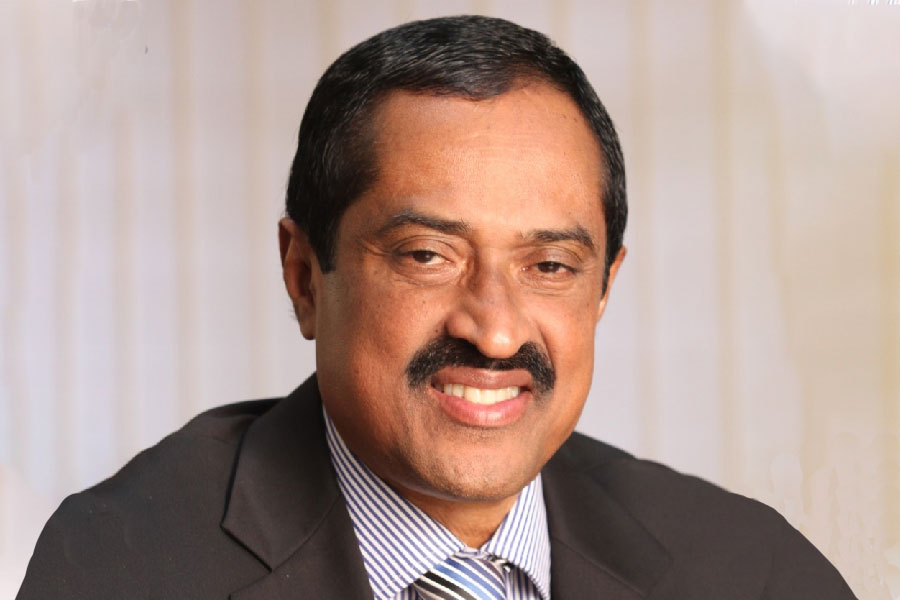
“Touchless travel is here to stay”
E.M. Najeeb, Chairman, ATE Group of Companies, opines that we should convey to the world as to how meticulous we are in maintaining the health protocols. Airlines, hotels, surface transports, all have developed touchless facilities. Keeping distance and sanitising has become a norm. IBT: What influence has COVID-19 had on the tourism & travel industry in the country in terms of the losses incurred & unemployment? E.M. Najeeb: India had been in a forward thrust in the growth of tourism before it all happened. The government and the industry were very optimistic about the industry in the past years. However, in the beginning of 2020, the fear of Covid-19 pandemic overshadowed the efforts of the industry. In the previous years, India had foreign tourist arrivals close to 12 million, but it dropped almost 80% or more later. The travel, tourism and hospitality industry came to a literal standstill. The industry suffered an estimated loss of Rs.5 lakh crore, and a total estimated job loss of 4-5 crore. Tourism and travel industry had faced tough times in the past also, but it had emerged back with vigour and strength. This time the present pandemic has affected the industry totally, everywhere in the world. People became panicky, the economy got affected, international and domestic flights got disrupted, and travel across borders became impossible. Airlines haven’t resumed commercial flights, and so there’s no tourist arrivals. This has detrimentally affected each vertical under the tourism industry including the hospitality sector, destination management companies, tour operators, transporters and other key service providers. The industry stake holders presently, though economically affected, are moving with the confidence of a better tomorrow, and has been sustaining and keeping possible number of staff. They look at all possible options to restart operations though in a smaller way. There’s a belief among the industry players that looking at the possibility of domestic tourism will be a sensible option. India with its large population, and vast assortment of attractive places within the country and the innumerable accommodation options at vantage locations, stands a great chance to kick start the domestic movement as the restrictions eases out. IBT: Till when do you expect its effects to last? What should be the industry’s initial recovery plan? E.M. Najeeb: Everyone is looking at all possible options for recovery of the industry. Initially the domestic tourism option would be looked at because of its good scope. Short holidays at pristine locations in world class resorts offering unmatched experiential service following health protocols, could regain the interest and confidence of family holiday seekers. The state of Kerala, for example, has many such beautiful places unfrequented by public that offer attractions like pristine backwaters, lakes, sea and beaches, hills, spice plantations and such. We got to kickstart it somewhere at the earliest as the restriction of travel is removed. We all had a feeling that the problem would stay only till the end of this year or at the most till mid of 2021. We are moving with that expectation within us. However, according to an IATA finding that the airline sector would get back to the pre-COVID 19 level only by 2024. It does not mean that international flights wouldn’t operate or travel wouldn’t take place. It will all happen gradually. But what IATA means is getting back to the absolute normalising of air travel as before. IBT: What strategies can be adopted by the stakeholders in the tourism industry to build confidence in travellers across the globe? What additional practices can be enforced to ensure the safety of travellers? E.M. Najeeb: Confidence building among the travellers cannot be done by the industry stakeholders alone. It should be taken up at the governmental level, through planned social media communications and other promotions. I am hopeful that government would start doing it as and when the present situation improves. We got to show the locations and facilities to the travellers through various digital media tools. We should convey to the world as to how meticulous we are in maintaining the health protocols. All major deluxe hotels have already set their inhouse health and hygiene protocols. Airlines have already started practising their code of protocols. If there’s any area where it has to still implement it, there it should be expedited at the earliest. Everyone knows that these healthcare regulations are to stay for the entire future. So it is so very important to adhere to it. IBT: What is your take on touchless travel? How can automation be incorporated into the industry to promote it? E.M. Najeeb: Travel and tourism is a people’s activity. Without people there’s no industry. When people move about there will be need for touch on many surfaces and things. This causes concern and so alternatives are being worked out by different verticals of this industry. Airlines, hotels, surface transports, all have developed touchless facilities. Keeping distance and sanitising has become a norm. In future also touchless travel will stay and that will evolve better methods. We cannot avoid touchless travel norms. This is possible by more of technology and automation. More efficient touchless travel will evolve and develop in future. Industry by all means will support and promote that. IBT: Do you see India escalating its market share in the global tourism industry post-COVID-19? Why/Why not? E.M. Najeeb: Yes, India had its own market share before the pandemic crisis. India always has been a unique destination with many experiential products. But if we are talking about the post Covid-19 period we cannot say that. The demand itself is stagnant now. There’s no long-haul flights from the markets arriving here at the moment. It surely takes time to normalize after the crisis. Then naturally India as a destination would strive to create and increase its market share globally. At the moment it’s a little too early to discuss that. IBT: What opportunity areas can be explored currently/in the coming months to revive revenue streams for your line of
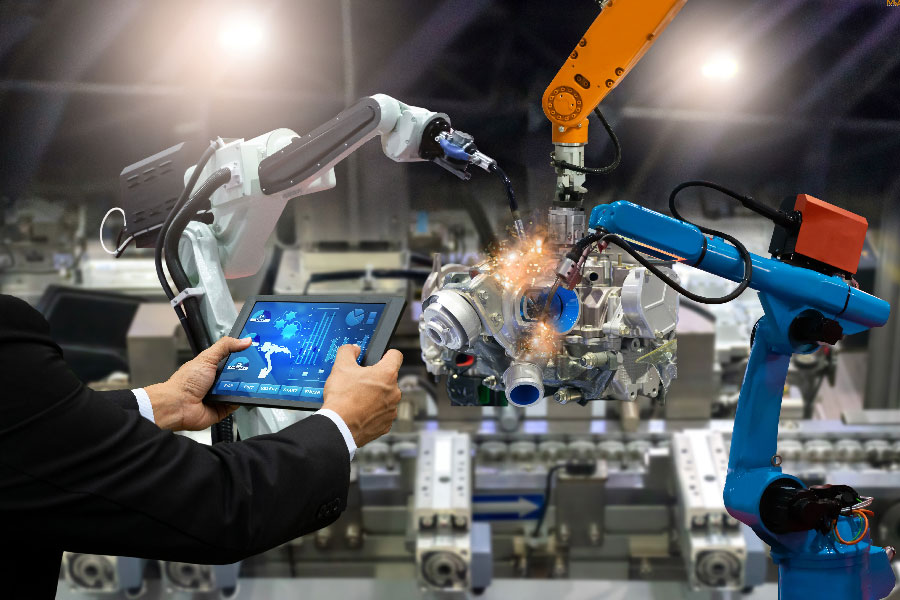
Digital manufacturing: Key to make India world’s next factory
NThe onset of coronavirus set the stage for companies around the world to realize the need to not put all their eggs in one basket and diversify their supply chains. This development augers well for India since foreign investment would augment the GDP, churn employment in the country and increase foreign wealth. For this vision to materialize, the country needs to assume greater self-control over its national value chain by embracing a shift towards digital manufacturing. From manufacturing to distribution, this entails a complete overhaul of the production line to save time, reduce inventory, expedite process and gain the best out of this scenario. Image credit : https://bit.ly/2DHAxcJ The proliferation of COVID-19 is leading to the unprecedented crumbling of global supply chains resulting from mandated lockdowns across the global ecosystem. As assembly lines are forced to halt or curtail operations, manufacturers around the world realised that they can no longer depend upon price as the primary criterion to source components globally. In the meanwhile, the association of China with the germination of this contagion has led to simmering of international hostility towards China for the economic carnage caused by the virus. All these factors, coupled with the volatility of this situation, have expedited the shift in global trade relations. Industry experts believe that once the world recovers from this massive jolt created by the pandemic, there will be a shift toward a more fragmented and protectionist global economy, with restrictions on trade, investment and technology transfers. As localization of production or reshoring takes place all over the globe, trade system is likely to become more regionally focused. Each major region – Asia, Europe and the US – will likely have its own set of suppliers mapped out for strategically important products. “Asian countries ex-China will stand to benefit from diversification away from China provided that these countries have sound economic fundamentals, reliable infrastructure, sufficient human capital stock, and low geopolitical and supply security risk,” notes Moody’s Investors Service. Going digital! This creates the perfect window of opportunity for India for emerge as one of the preferred centres for manufactured products vis-a-vis China for India has a lot to gain from it. Foreign investment would boost the GDP, generate employment in the country and increase foreign wealth. But this opportunity can be leveraged only if India embraces the Nehruvian approach of ‘core self-sufficiency,’ or what Prime Minister Modi calls as a truly ‘Atma Nirbhar Bharat’. For this vision to materialise, the country needs to assume greater self-control over its national value chain by enhancing domestic value addition in its manufacturing industry. One way to turn this dream into reality is to harness digital channels to their fullest extent to become an economy of scale and hence, an ideal production choice for the world in the post-COVID scenario. According to Infosys, digitally mature companies have greater resilience during the pandemic, particularly in employee engagement and seamless supply chain operations. “Manufacturers that have moved critical applications to the cloud have been able to function more smoothly as their employees access what they need from their homes. Concerns about data security and performance have been either disproven or outweighed by the flexibility cloud applications provide. Enterprises that invested in advanced analytics make even better use of these capabilities,” it notes. How to make manufacturing smart & digitally sound? The move towards digital manufacturing will entail: 1. A digital factory floor – According to the Ministry of Electronics and Information Technology (MeitY), manufacturing automation will become increasingly pervasive across businesses and sectors in the coming decades. Manufacturing automation will encompass the reorganisation of human work amid advances such as robotics, artificial intelligence, and machine learning. Nothing has made this more apparent than the current health exigency which will force manufacturers to plan their operations to improve productivity and performance management in real time. Coupling the IoT with advanced analytics can help to maximise the yield and manage assets, leading to an improvement in overall productivity by 7 to 11% by 2025. A case in point is Indian global two-wheeler company, Bajaj Auto Limited, which is the first Indian company to implement use of collaborative robots in automotive assembly lines in 2010. Its Universal Robots offered numerous benefits such as diminishing the challenge of space constraint in a manufacturing facility by the use of ceiling-mounted cobots, reduced redundancy of work by completing repetitive movements that require precision standardisation and catered to multi-modelling adaptability. Consequently, productivity at Bajaj Auto has grown from 507 to 804 vehicles per person per year, 58.5% increase year-on-year, while costs have reduced by 30-40%. 2. A digitally smart workforce – Imparting intelligent and innovative technologies to enhance cognitive reasoning and knowledge is a strategy to create a digitally smart workforce. Specialising in Intelligent Process Automation (IPA) services on an industrial scale, this workforce according to the Deloitte Global Human Capital Trends report from 2017, is rated as being very important. Be it in reception, HR or in the R&D department analysing data, digital colleagues, with greatly developed digital skill sets, will be ubiquitous in companies in a smart factory. For example, IBM, a global company with over 400,000 people, is leading the transition to digital HR, by deploying Checkpoint, its performance management process. The new feedback process is radically increasing engagement, alignment and goal management. Within HR, IBM leveraged the company’s AI investments in Watson to pilot the use of CHIP (Cognitive Human Interface Personality), an intelligent chatbot (available through computer, text messages, and soon voice) that recognizes the 200 most frequently asked employee questions. These range from queries like “Tell me about my vacation benefits” or “Find me an expert in digital marketing.” 3. A digital distribution network – Digitizing distribution through robotics, AI & IoT and effective use of data lowers costs for the whole economy. One of the fundamental requirements of a digital distribution network is an integrated data platform that can capture data on inventory and goods flow from vendors to manufacturers, then to wholesalers, and finally to retailers and

Germany and India are perfect partners to collaborate for Industry 4.0
Boris Alex, Director, Germany Trade & Invest is confident that the strong foundations for economic cooperation between India and Germany will help accelerate revival of trade and investment post-COVID. He believes that Germany’s leadership in machinery and automation, coupled India’s stature as an IT powerhouse make them perfect potential partners in the field of Industry 4.0. IBT: What is your perspective on the current stature and future trajectory of Indo-German trade relations? How can these be bolstered in the future? Boris Alex: Over the past years, trade between India and Germany has been steadily increasing and peaked in the fiscal year 2018-19 at US$ 24.1 billion. Germany is India‘s main trading partner in the European Union and usually ranks among the top ten countries in exports as well as imports from an Indian standpoint. Having said that, in the last fiscal year, the bilateral trade has lost its trajectory. Indian exports to Germany went down by 7% to US$ 8.3 billion and imports from Germany even suffered a loss by 12% to US$ 13.4 billion compared to 2018-19. Since more than 90% of the trade volume falls into the pre-COVID-19-time, there are other reasons to consider for this setback. If you look at the trade structure between our two countries, Germany‘s main exports to India are machinery and equipment as well as intermediate products for the industry. With India‘s industrial production slowing down over the past 1-2 years, there are growing overcapacities in certain industry sectors. Companies are cutting down on capital investments due to difficulties with financing their expansion projects. German manufacturers of machinery are especially vulnerable. This development is reflected in the last fiscal’s trade numbers where these catagories were hit the hardest. On the other hand, India’s exports of industrial goods to Germany remained stable while textiles, ready made garments, leather articles and other consumer goods declined substantially. This was caused by the deteriorating demand for these products in the EU due to growing uncertainty with the start of the COVID-19-pandemic in the Spring of 2020. Currently there is very little room for bolstering bilateral trade – global uncertainty amidst COVID-19, sinking consumer confidence and many companies putting investments on hold in both our countries will continue to have a negative impact on the trade betweeen India an Germany in the coming six to twelve months. But especially in this time of crisis, it’s important to keep the trade relations intact and stay in close contact with your business partners, so that trade can be re-started quickly if our economies improve again. IBT: What impact has COVID-19 had on bilateral trade? What areas can the two countries explore to reconstruct their economies in a mutually beneficial manner? Boris Alex: With April 2020 being the first complete month of the lockdown in India, trade between our two countries was severly impacted. Exports to Germany went down by 60%, while imports from Germany fell by 65% compared to April 2019. This comes as no surprise since physical trade routes were heavily disrupted. Since then, numbers have gradually improved but it’s difficult to say when we will reach pre-COVID-level. Over the past years, India and Germany have deepened their economic ties and expanded the areas of cooperation to a broad range of industries and services. More and more German companies consider India an important – though not easy – market with a high growth potential. Especially the German Mittelstand – small and medium sized family owned businesses – have ventured into the Indian market over the past 20 years with great success in many cases. So the foundation for a close economic cooperation is already there and in the long run, trade between India and Germany will pick up again. For now, it’s very important that although business is slow, companies maintain their relations with their partners in India and Germany and support each other. Trying to find common solutions, for example, if the supply chain is disrupted or if one of the business partners faces legal or financial problems, will help get them through these challenging times. IBT: What are the major sectors where Germany is looking to enhance exports to India? Conversely, what are the critical sectors where you see scope for Indian companies to enhance trade and investment with Germany? Boris Alex: German companies have ventured into a broad range of industry sectors like automotive, machinery, chemicals and energy as well as services like ICT, banking and insurance over the past years and will continue to do so in the future. With the modernisation of India’s industrial base and investments in infrastructure, new business opportunities are evolving. Parts of the demand for industrial and construction machinery, for example, need to be met by imports and German companies are well positioned to fill this gap. The Indian government has announced that it will rev up its investments in the healthcare sector. Since Germany is one of the leading manufacturers of medical technology, this would be an area that offers growth potential in the next years. Indian investments in Germany have shown a substantial increase in the last few years. Besides trading, Indian companies have set up value chain activities in Germany, manufacturing goods and services as well as engaging in R&D and innovation activities. Indian companies are operating in Germany, mainly in the sectors of IT, automotive, pharma, biotech and manufacturing. The presence of Indian software companies in the German market is growing and major providers like HCL, TCS, Infosys, and Wipro, have operations in Germany. Companies like Bharat Forge, Mahindra & Mahindra, Tata Steel, Novelis, Ranbaxy, Lupin Pharma, Hinduja Group, Piramal, Essar, Kirloskar, Dr. Reddy’s Laboratories or Biocon have either acquired German companies or started their own subsidiaries. From an Indian point of view, I would say it’s necessary to bring more value added products to the table in areas that have not been in focus so far. One example would be the food industry where there is a lot of room for growth for Indian companies
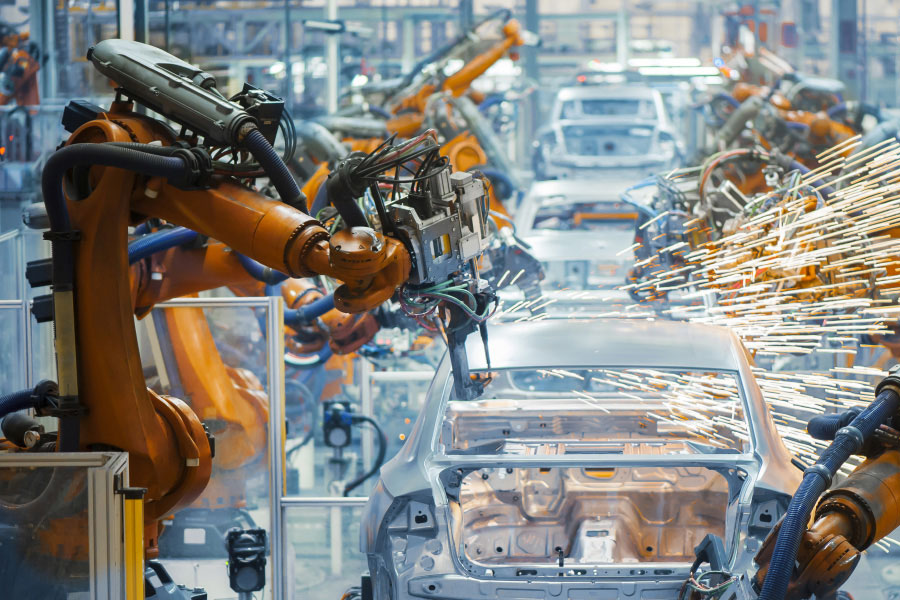
Indian manufacturing firms must invest in product & process R&D
Jishnu Hazra, Professor IIM Bangalore, feels that Indian companies must take inspiration from the rise of South Korean and Chinese companies in the mobile handset space on their quest to be globally competitive in manufacturing. It is important to move from the traditional mindsets of buying and selling to creating product and process technologies. IBT: How is the global manufacturing ecosystem distributed in the present day, and how do you view the potential for developing countries? Prof. Jishnu Hazra: There are two aspects to manufacturing: component fabrication and final product assembly. While component assembly, for example, in electronics industry, are concentrated in few advanced countries and East Asia, assembly is more spread out across the globe. The investment required in fabrication is quite high and the process technology used is also quite advanced. For example, India is the second largest mobile phone assembler; we now need to attract the component manufacturing companies to India. This will also lead to diffusion of knowledge of process technology and will have positive spillover effects across multiple industries. Degree of automation is much higher in component manufacturing. However, assembly also plays an important role in the manufacturing ecosystem as they provide employment to large segment of non-college graduates. IBT: How has the competitive landscape between countries transformed in your view, especially considering the rise in prominence of new destinations like Vietnam and Philippines? What factors have driven the choice of destination for investing companies? Prof. Jishnu Hazra: The basics of business have not changed and countries across the globe. Governments are providing several incentives, especially in South East Asian nations. These include land, water, cheap energy, logistical infrastructure and consistent policies. These are known to everyone and there is nothing new about it. However, what is important to note is that the moment a few companies from specific industries move into a country, there is a domino effect. More and more companies will join the bandwagon to set up manufacturing plants in the country. There is another positive outcome: productivity of workers will also start going up which in turn will attract more companies. This is a virtuous cycle. That is what has happened in places such Thailand and Vietnam. India, however, has an added advantage: a large consumer market. The size of market is another factor that can attract manufacturing investments. IBT: What are the major positives for India over this decade in terms of evolving as a global manufacturing hub? What are the key areas for improvement? Prof. Jishnu Hazra: For me, a big positive has been the fact that India has come from behind and became a major assembler of mobile phones globally and we have also attracted the two premium players in this industry: Samsung and Apple (actually Apple’s vendors). When companies in other industries observe these global giants bringing assembly to India, they tend to follow. I hope this will be a positive impetus to other industries as well. IBT: In what ways has COVID-19 disrupted the manufacturing landscape globally? How are companies responding, and what impact is this expected to have in the near term? Prof. Jishnu Hazra: COVID-19 is likely to change the global manufacturing supply chain. From a highly scale intensive cost-efficient manufacturing, we may move to more redundant manufacturing networks. By this, we will have higher capacity cushions, which are globally spread out. Governments will compel manufacturers to set plants in their countries. Atmanirbhar Bharat will not be unique to India. Countries/blocs such US and European Union are already questioning their dependencies within the pharma supply chain, which is primarily based in China (API) and India (formulation). IBT: How are the dynamics of global manufacturing expected to change in the coming decade, especially with the rise of Industry 4.0, automation, technologies like AI, IoT, etc and the disruptive impact of COVID-19? Prof. Jishnu Hazra: Government and industry bodies should incentivize companies to adopt digital technologies. Adoption of such technologies will also create Indian start-ups, which can lead to the transformation of traditional manufacturing companies to a digital enterprise. As mentioned earlier, productivity of Indian workers is critical to attract manufacturing investments. I believe this is one of the factors that can impact our competitiveness. IBT: How is this shift expected to pan out for SME firms in particular, and how would they need to adapt? Prof. Jishnu Hazra: SMEs must adopt new process technologies. Most SMEs are Tier 3, Tier 4 companies in the supply chain. It is imperative for Tiers 1 and 2 to help in the transformation of the SMEs. At the same time, SMEs must not be reluctant in investing in process technologies and adoption of digital manufacturing tools. For example, 3D printing is no longer simply used for very low volume manufacturing such as for prototypes. Instead, many mid-volumes outputs are now churned out through 3D printing. With multiple software hubs in the country, such as Bangalore, Hyderabad, Pune, etc, the synergy between SMES in the digital manufacturing space and Indian software companies can create new business models. IBT: How well placed is India for this shift? What major steps are needed to capture a greater share in global manufacturing (production and trade) in the post-COVID era? Prof. Jishnu Hazra: I will only say one thing on this issue. It is time for Indian companies to invest in both product and process R&D. Today, four out of the top 5 companies in the mobile space are Chinese. What happened to the Indian companies? We must move away from the mentality of simply buying and selling to creating process and product technologies. Just check where Samsung was in 2007 when the first Apple iPhone came out and where Samsung is today. Many Chinese companies have undergone the same evolution as Samsung. Over the next two decades how can we create a global dependency on Indian companies in a few select industries? This is the question we need to ask. Jishnu Hazra is a Professor in Production & Operations Management at
