
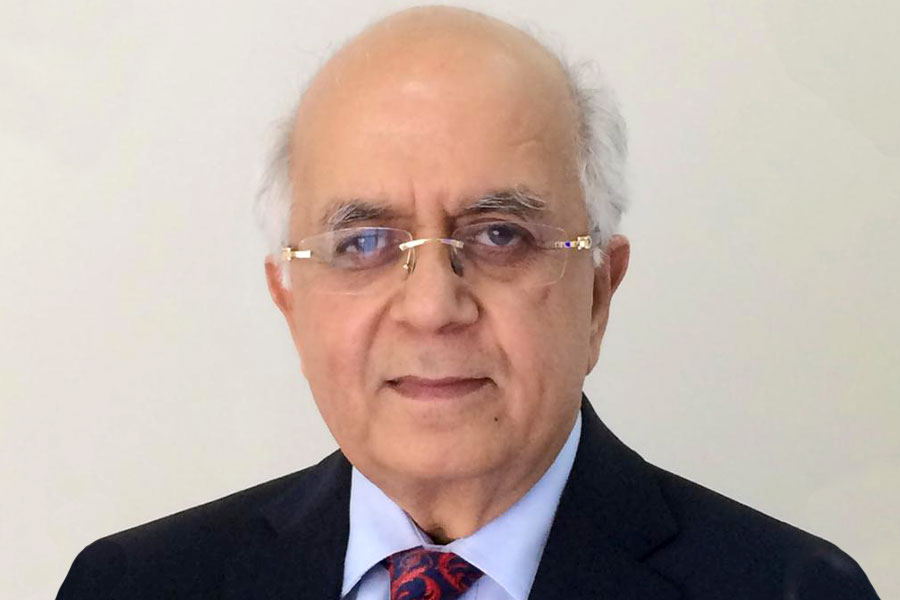
Vijay Rekhi, Founder Chairman, Vizanar Alcobev & FMCG Advisors, emphasises that Indian single malts are not necessarily inferior, and brands like Paul John and Amrut have garnered acclaim in the global whisky market. But Indian companies face a major constraint in terms of investments and getting a return on capital, besides climate conditions that do not allow long maturing cycles. He further suggests a complete relook at the regulatory framework of various State Governments when it comes to taxation of liquor, wherein the non-revenue regulations are made uniform across the country. This is important for encouraging an ecosystem, which can contribute to the flourishing of the liquor sector in the country. IBT: Why does India need to import scotch whisky and can this import be partially replaced by home-grown malt spirits? Vijay Rekhi: While India is already producing a significant amount of malt spirits, the perceived quality of scotch is regarded as being superior by local consumers. That is why it is preferred either as a blended product or single malt and used by the local producers to mix their products. Another point that needs to be acknowledged is that the process of manufacturing of malt spirits presently is not exclusive to Scotland. A lot of malt is being produced in Ireland, Japan, India and Australia. What has contributed to the global predominance of Scotch is the perception, saleability and protection, which the scotch industry provides through mechanisms like Geographical Indication (GI) that preserves the perception of quality. This, however, does not imply that Indian malts are inferior in any way. Indian single malts like Paul John and Amrut have garnered international acclaim. In fact, a lot of Indian companies are now bottling single malt, but they are not able to age it for as many years as in Scotland, because of the higher temperatures and therefore, the rapid leaching of wood, after the distillate is put in the cask. At the same time, owing to the intense heat, Indian single malts are usually not matured beyond 4 years, since they will be very heavy on the palate. So, the age and the Scottish heritage is what makes scotch a preferred blend or a single malt. Thirdly, Indian brands are not as old into the whisky making business as their Scottish counterparts. For example, McDowell’s started 20 years back and the Scottish malt has been around for 400-500 years. So, it takes time to change, Indian malt is still very successful, notwithstanding the age constraint – it’s a matter of time and patience and commercial viability of the entire project. IBT: How can Indian manufacturers be encouraged to produce single malt whisky? And what are some of the challenges they are likely to encounter if they undertake production of Indian aged malt spirits? Vijay Rekhi: Brands like Paul John Distilleries and Radico Khaitan are already garnering a lot of interest and attention in the international market. However, the only major constraint that these brands face is in regard to their ability to invest and a get a return on capital. It is also important to be able to match the pricing expectation in the marketplace. So, it’s an economic question, not a technical constraint. India can produce a lot of malt, which it does in any case. Single malt can be produced, but one has to work out the economics carefully to be able to launch single malts in India. IBT: What challenges are Indian whisky manufacturers likely to encounter if they undertake the production of an Indian aged malt spirits? Vijay Rekhi: The country’s liquor industry will have to keep evolving to the future conditions as they develop within the country or internationally. I would like to suggest a complete relook at the regulatory framework of various state governments, wherein the non-revenue regulations are made uniform across the country, much like the reform brought up in clustering various state taxes under GST; but keeping revenue aspects under the control of state legislatures. The top most challenges to liquor industry in India can be bucketed in the following points: First is the myriad state-wise regulations. The ever increasing plethora of different nomenclatures of taxes and entry barriers created by 29 state governments and 8 union territories is a major challenge. These regulations are against the interest of all sizes of players in the industry small, medium and large and dominant. It would be most desirable if there was a common set of regulations and procedures pan India, so that on the regulatory front, namely the non-revenue aspects of running Beverage Alcohol business, the rules would be the same all over India. This would be in conformity with the Constitution of the country, but will make regulations understandable. This sort of a change will ensure ease of doing business while leaving the right of taxation to each State Government. Secondly, there is a challenge of both intra and inter State discrimination. In the intra State cluster, different absolute amounts of licence fees are charged by States for bottling and distribution of products. The advantage works out in favour of large volume companies having established mega brands selling in most of the State in lakhs of cases, wherein the incidence of such fees works out in single digit per case and can be easily absorbed and justified by brands’ P&L. On the reverse, the new brands introduced in such high tax license states, are unable to take the burden of such one-time hefty license fees. So, these new brands are either adding losses in their brand P&L or have to be withdrawn before having a chance to offer choice to the consumers and becoming a commercial success. The prime example in this regard is in the National Capital of India – Delhi, where Indian whisky brands have to pay an annual license fee of Rs 25 lakh, whereas imported brands pay prorated only Rs 3 lakh per brand. Some IMFL brands in Delhi have an incidence of license fee of only

Google playing ‘smart’, but not ‘fair’?
Google has come face to face with its fourth regulatory challenge in India, this time in the smart TV market. Meanwhile, numerous startup developers led by Paytm are planning to join forces to combat its ‘anticompetitive practices’ vis-a-vis its app store. It’s time for Google to play a facilitative role in building a competitive market ecosystem, rather than suppressing it. Google has been accused of exploiting its dominant share in the smart TV operating system. As per the allegations, manufacturers of television using operating system of Google have to agree to terms and conditions that prohibit them from manufacturing devices on any forked version of android. This implies that manufacturers using Android TV would also have to manufacture other devices based on Google platform. The allegations have been imposed by Kshitiz Arya and Purushottam Anand, two antitrust lawyers, in a complaint filed with the Competition Commission of India (CCI). They conclude that Google is engaging in anti-competitive practices by using Android’s dominance, which would prevent competitors such as Amazon Fire TV OS from gaining share in the smart TV market. As per statcounter data, share of Google’s Android in the Indian smartphone market between September 2019 and September 2020 is at 95.85%. Even prior to this, Google has been accused of practicing unfair trade in India. CCI found that certain conditions imposed by the company on India’s manufacturers are unfair practices. In particular, Google made it mandatory for manufacturers to preinstall certain Google’s proprietary apps in the device. The CCI said, “Google reduced the ability and incentive of device manufacturers to develop and sell devices operated on alternate versions of Android.” Also, in February 2018, the CCI imposed a penalty of Rs. 136 crore on Google for abusing its market position and involving in practices like search bias and manipulation. The search engine giant has also been accused of unfair promotion of its app. In February, 2020, it was alleged that Google was unfairly promoting its Google Pay app, by prominently showing it on its app store and gaining an unfair advantage over its competitors. Furthermore, Indian start-ups are also seeking an alternative play store in order to combat the monopolies of Google and Apple. This came up after Google introduced a new billing system for apps with ‘in-app purchases’, with the purpose of earning a 30% commission. However its enforcement has been postponed to April 2022. In its defence, Google has also stated that the app developers have other options to sell their subscriptions as well. However, the Internet and Mobile Association of India (IAMAI) said in a release that Google has control over many layers between customers and their service providers as more than 90% use Android phones. Indian startups feel that the tech giant is misusing its large market share to earn maximum profit. Thus, they are planning to form an association of app developers to advocate their causes. In a notable move, Google also removed Paytm, India’s largest fintech app for hours before reinstalling it, saying that the latter’s UPI cashback campaign violated its anti-gambling policies. Paytm CEO Vijay Shekhar Sharma has termed the move arbitrary and biased, and even launched its own mini app store. In other countries also, the technology company faces similar allegations of unfair trade practices. In US, Google is expected to face a lawsuit by the US Justice department. These include depriving its rivals of data on users and their preferences. Also, it is said to favour products like YouTube and eBay in the search function. In the European Union, Google has been fined three times since 2017. It was charged a US$ 2.7 billion fine for involving in anti-competitive search engine practices in 2017. Later on, the EU charged a fine of US$ 5 billion to practice trade activities involving pre install requirement of Google’s products in the devices. Also, a fine of US$ 1.69 billion was imposed on Google in March 2019 for restricting its competitors’ ads on the AdSense service. Allegations of unfair trade practices against Google India Prohibits smart TV Manufacturers from using any forked Android version CCI fined Google for Rs. 1.36 billion for “search bias”. Unfairly compelling manufacturers to preinstall certain Google proprietary apps US Accused of using its dominance in search engine market and online advertising to stifle the competition. European Union Fined US$ 2.7 billion for unfair trade practices in search engine market. Fined US$ 5 billion for unfairly compelling manufacturers to preinstall certain Google’s proprietary apps. Fined $1.69 billion for restricting its competitors’ ads on the AdSense service The share of Google in search engines in the European Union member countries varies between 92 to 93% and in some cases it’s over 95%. Its share in the US search engine market is 86.86%. As per the allegations, Google is misusing its dominant position to gain a monopoly in markets. Less competition in a market drives up the prices, halters growth of new players and also reduces innovation, which is key to market evolution. Thus, it is obligatory for governments to have a watchful eye on tech mega giants. With Indian startups now coming together, this may just be a tipping point for Google in one of its most lucrative markets. Google needs to play an enabling role towards fuelling a dynamic, competitive and entrepreneurially driven market, which was the basis of its own genesis over two decades ago.
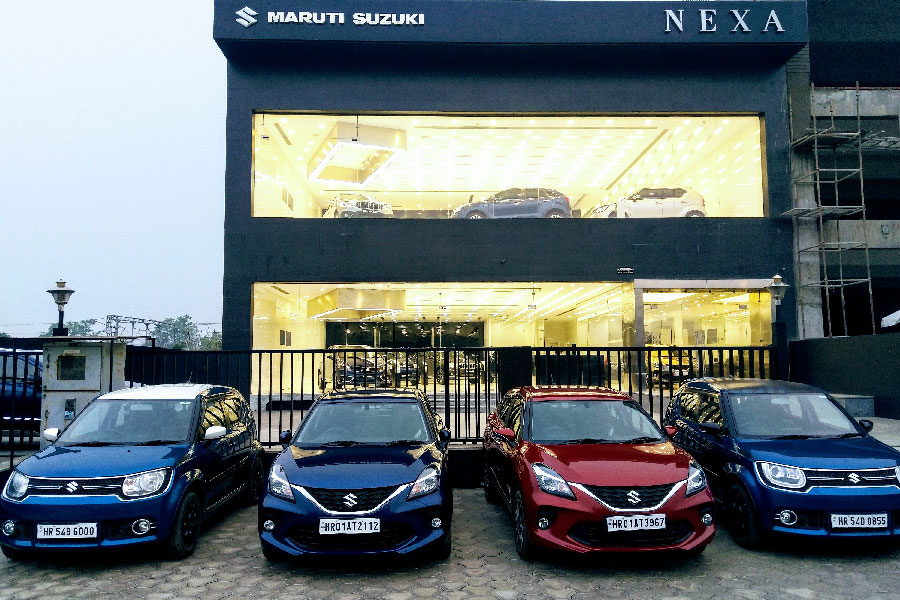
Is the automotive sector back on the road to recovery?
Auto companies have been experiencing a positive growth in Q2, post the protracted lockdown of the first quarter of FY 2020-21. However, industry leaders are still skeptical about the future growth pattern. Sales of auto companies are picking up pace in the second quarter of the fiscal year 2020. While sales of passenger vehicles (PVs) grew by 17%, two wheeler vehicle (2Ws) sales grew by 2-5%. The significant growth rate is partly highlighted due to the low base to compare the Quarter 2 sales with on a YOY basis. In September 2020 particularly, the recovery of the automobile industry is also visible through the positive growth in whole sale volume. Based on the volumes of Original Equipment Manufacturers (OEMs), it is estimated that the growth in wholesale for PVs was 28-30% YoY in September. The rate of wholesale growth in case of 2Ws has been estimated to be 11-13 % and tractors at 15-17%. However, wholesale volumes for medium and heavy commercial vehicles (M&HCV) are estimated to be declined by 16-20% YoY in September. Changing consumer behaviour is one of the reasons driving increased demand for PVs and 2Ws. People in rural areas and middle class families are preferring private vehicles to avoid public transportation, given the threat of the COVID-19 pandemic. Therefore, there is also an increase in demand from first time buyers. The festival season is also expected to bring an uptick in the sales in the automobile sector. Lasting around 45 days, the festive season usually brings twice the level of monthly sales for the industry. Vikas Jain, National Sales Head of Hyundai Motors Ltd. said that the company expects YOY growth of 16% for the industry in September 2020, with 10,000 deliveries for its vehicles on Dhanteras alone. When talking about tractor companies, a significant share of their capacity has been utilised during June-July when the whole economy was in the midst of a slowdown. Exemption to farming activities by the Indian government is one factor that has protected tractor makers from the impact of the lockdown. Also, the good monsoon, higher crop sowing and higher support prices by the government are other factors that have boosted the sentiments of tractor manufacturers. The industry has seen some positive growth after the setback it faced in the past few months of fiscal year 2020. The automobile industry was already facing the impact of the new GST regime, impending shift to BS 6 norms, Kerala floods and rise in insurance costs of vehicles in 2019. The disruption in demand and supply due to the COVID pandemic further impacted sales in the auto industry negatively. As per Federation of Automobile dealers Associations (FADA), retail sales of auto industry dropped to 88.87% in May 2020 YoY. In August 2020, the total vehicle registrations at the RTOs, which is a proxy for sales, fell by 26.81% YoY. Even after the positive growth in sales in September, auto industry leaders are skeptical for the future growth pattern, as the downward trend of the COVID-19 pandemic is uncertain. Furthermore, the year over year comparison is on the low base of last year. Dealers have admitted that the enquiries and footfalls are good, but they are not necessarily leading to sales conversions. Future sales growth is heavily linked to how the economy progresses going forward, as well as how it impacts the sentiment in the consumer and institutional markets.
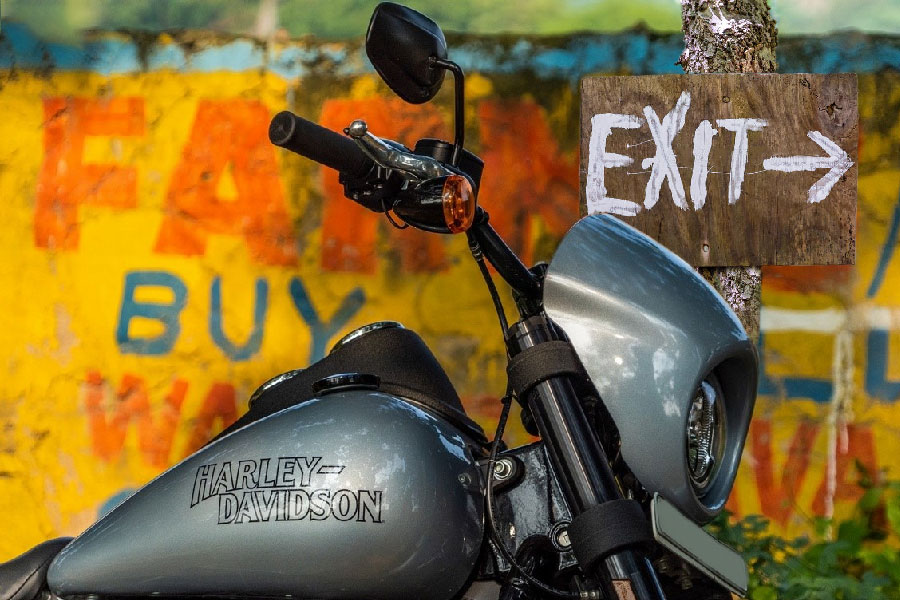
Case of sour mangoes? The unremarkable foray of Harley-Davidson in India
Despite starting with much fanfare, Harley-Davidson’s brief presence in India only seemed to benefit its competition. Beyond being a bargaining chip in Indo-US trade relations, its stint is a ready reckoner on how brands should not execute their India strategy. Harley-Davidson entered the Indian market in 2007, with US securing its entry in exchange for lifting an 18-year old ban on export of mangoes from India. Initial projections were quite bullish and the brand relied heavily on its strong lineage and potential of the Indian market. It set up a manufacturing base in Bawal, Haryana, which was only its second outside the US. Sales have been lackadaisical, however, and decreasing over the years to reach 2,470 units in 2019-20. Harley-Davidson has been clearly unable to convert its equity into sales. Even its loyal fan base seems to have opted for cheaper and more practical alternatives when it came to the actual buying decision. While the company blames high duties for making its products uncompetitive, the inability to get into local tie ups and bring in customised products has cost it dear in India. Competitors, on the other hand, have been quicker to launch a range of attractive products and provide customers with attractive and more affordable options. Over the past 2-3 years, US president Donald Trump raised a hue and cry over the high customs tariffs imposed by India on Harley Davidson motorcycles. This came out as one of the major issues in the Indo-US bilateral trade relationship, as the latter lifted GSP benefits under the pretext that it was not getting fair access for its companies into the Indian market. Call it a twist of fate or a remarkable coincidence – as India and US are said to be on the brink of a rather elusive trade deal, Harley-Davidson has decided to exit the country by discontinuing its sales and manufacturing operations. This is part of a global restructuring to leave markets where the luxury two-wheeler company has been unable to earn expected revenues and profits. Harley-Davidson entered India in 2007 as the result of a ‘mango’ deal – in return for granting it market access (with relaxation of emission and testing norms), when the US lifted an 18-year old ban on mango exports from India. There was a spring in its stride at that time; and Harley-Davidson even committed more to India than it would otherwise, considering that the Bawal plant was only its second outside the US (the other one in Brazil). But the company has been unable to step on the gas ever since. Sales figures at 2,470 units in 2019-20, are a far cry from the annual target of 10,000 units. Royal Enfield, recognised as the Indian ‘Harley-Davidson’ in biker parlance, sold 6.6 lakh units in comparison. For a better context, Harley-Davidson’s total sales in its India stint are around half of Royal Enfield sales in a month! To set the record straight, the company isn’t exactly making great strides in the US either. Its market share is shrinking, the company did not post sales growth for 14 quarters in a row and it employs just around 5,000 Americans. But on the other hand, it apparently has fans among Trump’s voter base. Furthermore, with its American lineage, Harley is automatically critical to his ‘America First’ policy approach. After repeated demands by the US, India reduced the import duties on completely built units (CBUs) to 50% from 100%, but it increased the duty on completely knocked down units (CKUs) from 10% to 15%. The latter accounted for 13 out of the 17 models that Harley Davidson sold in India, so the decision actually went against its interests. But it was expected that the reduction in duties for CBUs could prompt it to bring more such bikes into India. In February this year, Indian officials had reportedly committed to lower tariffs for bikes with displacement over 1,600 cc. The company has often blamed high import duties for its lackadaisical performance in India. Even though they did play a role, a closer analysis of Harley Davidson’s stint debunks this theory. Major causes of its failure are provided below: 1. Largely an assembler Harley Davidson had a manufacturing plant at Bawal in Gurugram that started in 2014. However, it was largely an assembly plant where bikes were assembled from the imported parts. If parts are imported, they have to bear not only domestic GST (28%) but also customs duty (25%) and a 3% cess, taking the total tax burden to 56%. With a value conscious Indian customer, the tax burden added to the already high premium being charged by the brand, building a recipe for disaster. Faced by competition from other players with a strong supply base and lower taxes (28% GST and 3% cess), Harley dived into losses. Had it focused on expansion of manufacturing and building a domestic supplier base, chances of success would have grown manifold. 2. Missing the virtue of patience? Hero MotoCorp, Honda, TVS Motor, Bajaj Auto, and Suzuki dominate the 2-wheeler segment in terms of sales. This is visible from the domestic sales in 2019-20 April-March data as shown below: Domestic sales of 2-wheeler manufacturers in India (2019-20) Brand Name Sales in units Bajaj Auto 2,078,348 H-D Motor Company 2,470 Hero MotoCorp 6,231,458 Honda Motorcycle & Scooter 4,706,589 Kawasaki Motors 2,628 Yamaha Motor 579,227 Mahindra Two Wheelers 1,038 Piaggio Vehicles 62,638 Royal Enfield 656,651 Suzuki Motorcycle 685,223 Triumph Motorcycles 591 TVS Motor Company 2,410,755 Source: SIAM Report, figures in units But this success has not come overnight. Players like Honda started working on building the Indian market right from the 1980s. Hero Honda was a highly successful joint venture before the two companies split in 2010. Even post the split, Honda has been able to independently script its success story and emerge the market leader. Its Activa model is well known for fuel efficiency, and Honda has continued to develop new models in tune with the Indian market’s demands. Both UK’s Triumph

Poultry Sector: Count your chicken before they hatch!
To address challenges faced by the poultry sector in international trade, India needs to scale up skill development programmes, improve cost competitiveness by boosting production of animal feed and build robust processing infrastructure. Poultry is one of the fastest growing segments of the agricultural sector in India, recording a 16.8% growth from 21 million during 2012 to 851.81 million in 2019. Consequently, India has catapulted itself as the world’s third-largest egg producer, after China and US; while it is the fourth-largest chicken producer in the world after China, Brazil and US. This impressive growth in poultry production has been accompanied by a modest export performance, especially due to concerns over quality. COVID-19 has added to the woes of the industry, as consumers chickened out, considering animals to be the vectors of the contagion. Few priority areas to be considered are looking for alternate sources of protein for the birds and having a robust poultry infrastructure that can be done to make the sector more vibrant. Poultry sector in India contributes over Rs 100,000 crores per annum to India’s GDP and generates direct employment for over 2 million small and marginal farmers in the interior rural villages and indirect employment for over 5 million rural households. According to the Food & Agriculture Organisation, poultry is one of the fastest growing segments of the agricultural sector in India today, driven by growth in per capita income, a growing urban population and falling real poultry prices. It notes that the production of agricultural crops has been rising at a rate of 1.5 to 2% per annum, while that of eggs and broilers has been rising at a rate of 8 to 10% per annum. This production comes from three kinds of farms: (a) Breeding farms which hatch and raise poultry for sale to other farms; (b) Broiler farms that rear chickens for their meat; and (c) Layer farms that keep hens to produce eggs. These findings are substantiated by the latest livestock census, according to which in 2019, the total poultry in India is 851.81 million, recording a 16.8% growth over the previous census. Of this, backyard poultry constituted 317.07 million (registering a rise by around 46%) while commercial poultry contributed 534.74 million (increasing by just 4.5%). Tamil Nadu, Andhra Pradesh, Telangana, West Bengal, Maharashtra, Karnataka, Assam, Haryana, Kerala and Odisha are the top poultry producing states in India according to the census. Category Population (2012) Population (2019) % Change Total poultry 729.21 851.81 (+)16.81 Backyard poultry 217.49 317.07 (+)45.48 Commercial poultry 511.72 534.74 (+)4.50 Source: Department of Animal Husbandry & Dairying; figures in million unless specified Given its impressive growth, India has catapulted itself as the world’s third-largest egg producer, after China and the USA; while it is the fourth-largest chicken producer in the world after China, Brazil and the US. According to APEDA, India exported 3,50,817.80 MT of poultry products to the world for the worth US$ 80.34 million during the year 2019-20. The primary destinations for its exports are Oman, Maldives, Indonesia, Russia and Vietnam Soc Rep. The figure, however, is quite low as compared to India’s poultry exports in the 2018-19 period (US$ 98.44 million) and 2017-18 (US$ 85.72 million). We look at some of the major challenges contributing to relatively weak poultry exports for India: Source: APEDA; Value in US$ million Stumbled by the stumbling blocks? The poultry sector in India is fraught with a number of challenges: a) Unhygienic breeding conditions The production strategies followed by Indian farmers are not in line with international standards, since a substantial number of poultry farms are congested and under regulated environment. Further, they are kept under continuous lighting so that they lay more eggs daily. What makes the situation problematic is that the farms where these birds are reared are licensed by the municipal officials who lack the knowledge, expertise and human resources to strictly enforce quality standards. At the same time, chemicals and substances like baking soda and ammonium chloride are added to the food. This is due to the fact that Indian farmers want to attain high production, with a minimum of money. Owing to unhygienic rearing practices and lack of quality control measures, Indian eggs often face rejections. b) High use of chemicals and drugs Another cause of concern in the poultry sector is that chemicals and medicines are added to animal feed to in order to boost yields and obtain better looking eggs. Ammonium chloride, potassium chloride and baking soda are some of the substances commonly added to poultry feed for these reasons. This is leading to the high predominance of antimicrobial drug resistance (AMR) among animals. According to Ramanan Laxminarayan, director of the Centre for Disease Dynamics, Economics and Policy (CDDEP), India and China have the highest levels of antimicrobial resistance (AMR) in animals. Not only does this negatively impact animal health and farmer productivity, it also has serious repercussions on human health. c) Uncompetitive prices of poultry in India Indian poultry sector is quite uncompetitive when compared to other countries like the US. This is attributed to the high cost of inputs – corn and maize – which are a part of animal feed. One reason for this is that US and Brazil roll out huge for corn and soybean. CBOT prices for corn are at US$ 170/175 i.e. Rs.12,000 per MT against Rs 18,600 MSP in India and De Oiled SOYA Cake is at US$ 325 i.e. Rs 24,000, against Rs. 32,000 in India. When the US government urged the Indian government to slash customs duty on chicken legs, domestic poultry farmers panicked at the prospects of dumping of these legs (which are way less consumed in the US as compared to chicken breast) in India at a throwaway price. They were also apprehensive that this will create an adverse sentiment in the domestic market, resulting in loss of livelihoods and put lakhs of farmers to insurmountable financial difficulties. d) Lack of adequate logistical & processing facilities Studies have found that birds

Defence Acquisition Procedure 2020: Will it smooth the path for self reliance?
The government launched the Defence Acquisition Procedure (DAP) 2020 to replace the Defence Procurement Procedure (DPP 2016) on September 29. The policy expressly aims for further ‘Self Reliance’ in defence and ensuring ‘Ease of Doing Business’, with emphasis on simplification, delegation, reduced timelines and making the process as industry friendly as possible. The cap of FDI inflow cap under the automatic route has been raised from 49% to 74%, but this is not applicable to projects under Strategic Partnership Model. Due to its failure to achieve desired results over the years, the offset policy has been removed in the case of single vendor contracts and government-to-government deals. While this helps make the procedure simpler and could also bring down acquisition costs, there is a concern that the G2G route may be misused by foreign OEMs. There is a need to simultaneously build R&D capabilities, breed new innovations and strategically tap the export market to achieve the objective of building a self reliant defence industry. Image source: Media India Group The Defence Ministry has unveiled the final Defence Acquisition Procedure (DAP), which governs the procurement policy for products and equipment for the armed forces, on September 28, 2020, with applicability from October 1, 2020. The stated goals of the DAP 2020, are to further ‘Self Reliance’ in defence and ensure ‘Ease of Doing Business’ with emphasis on simplification, delegation, reduced timelines and making the process as industry friendly as possible. While seeking to build domestic capabilities, it also endeavours to ensure that the immediate and long term needs of the armed forces are not compromised. The Indian defence industry essentially comprises Defence Public Sector Undertakings (DPSUs), Ordinance Factories and private defence industries. These units produce defence products such as arms and ammunition, armoured vehicles, heavy vehicles, fighter aircraft and helicopters, submarines, missiles and many more. Defence PSUs have experienced an increase in value of production over the years through investments in R&D and transfer of technology. Source: Annual Report 2018-19, Ministry of Defence, figures in rupees billion Similarly, the private sector has also shown a positive growth pattern in the recent past. The value of production for ordinance factories has declined, mainly because 275 items, which were earlier produced by only ordinance factories, are now open for industry. On the other hand, the turnovers of many DPSUs have been highest ever in 2018-19. However, the domestic defence industry has been slow to adapt to rapidly changing technologies and advancements in the global market. The share of the private sector is around 20% of the total domestic industry turnover of Rs 80,000 crore. Since the private industry is still at a very nascent stage, production capacities and R&D investments are extremely low, breeding a heavy reliance on imports. As per SIPRI 2019 fact sheet, India is the 2nd largest importer of arms and accounts for 9.55% of the total world arms imports. The top three suppliers of arms for India are Russia (58%), Israel (15%) and US (12%). Defence PSU Turnover during 2018-2019 (in Rs billion) HAL 197 BEL 117.8 MDL 45.5 BEML 34.5 Source: Annual Report 2018-19, Ministry of Defence Earlier this year, the government announced an embargo on imports of 101 items in a progressive manner from 2020-24. The purpose of the progressive implementation is to prepare domestic producers to meet the requirements of the defence forces, and also ensure that the latter is not deprived of the equipment it needs on an immediate basis. These products are expected to provide a business opportunity of Rs 4 lakh crore to the domestic industry over the coming 5-7 years. The list of 101 embargoed items comprises simple parts as well as high technology weapon systems like artillery guns, assault rifles, corvettes, sonar systems, transport aircrafts, light combat helicopters, radars, etc. It also includes wheeled armoured fighting vehicles (AFVs, December 2021), submarines (December 2021) and light combat aircraft LCA MK 1A (December 2020). A thumbs up to FDI? In line with the same principle of Aatmanirbhar Bharat, the new DAP also focuses on encouraging FDI inflows while also protecting the interest of Indian domestic industry. In particular, the SP model, OFB/DPSU, IDDM, Make I, Make II, Production agency in design and development have been exclusively reserved for Indian vendors, who need to meet the requirement of control and ownership by Indian citizens. During April 2000 to June 2020, FDI inflow in the defence industry amounts to US$ 9.52 million, which is only 0.002% of the total FDI inflow in India. To promote greater inflow of foreign investment, the cap for FDI under the automatic route has been raised from 49% to 74%. A new category of Buy (Global-Manufacture in India) has been included to encourage original equipment manufacturers (OEMs) to establish their maintenance/manufacturing units in India through subsidiaries. However foreign companies are not allowed as prime vendors under the Strategic Partnership model, which will be deployed in mega projects – fighter aircraft, helicopters, submarines and armoured fighting vehicles (AFV)/Main Battle Tanks (MBT). For foreign companies, it may act as a disincentive, since the SP model also covers manufacturing, transfer-of-technology (ToT), assistance in training skilled human resources and other support for high-end equipment. Moving ‘Off the set’ path The forces are now allowed to take military equipment, platforms and hardware on lease instead of outright procurement, in order to reduce the cost of acquisition. On the same lines, a major step under DAP 2020 is to remove offset requirements in ab initio single vendor contracts and government-to-government deals. The defence offset policy was initiated under the Defence Procurement Procedure (DPP-2005), to boost capacities in the domestic defence industry. Under the offset clause, a foreign company that wins a defence deal is expected to invest a part of the contract value in the country, thus developing skills, bringing in technology, and generating employment. The value of offset was fixed at 30% of defence deals above Rs 300 crore, which was increased to Rs 2,000 crore in DPP 2016. Over the years, the offset policy
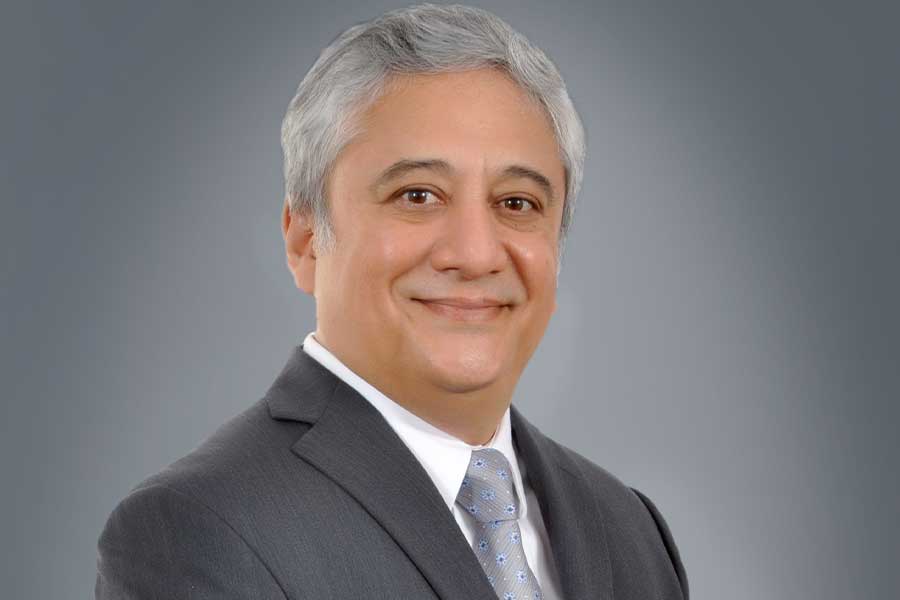
Agility and innovation will be key in the post-COVID world
Amit Shah, Joint President for Flexible Packaging Business at UFlex, elaborates on how the company quickly bounced back on its operations and delivered benchmark product innovations to fight the pandemic like the six-layered N95 mask, Flex Protect PPE coverall. Going forward, he expects the momentum achieved in the first quarter of this fiscal to continue, especially given the growing demand for safe and hygienic packaging, particularly in food, e-commerce and healthcare sectors. IBT: What role has innovation played in the success of UFlex across its business divisions? Please tell us about some of your most innovative packaging solutions and the unique value addition they provide to clients? Amit Shah: Innovation is not just a term, it is a part of our DNA, our very being, at UFlex. It is one of the key factors that has driven our growth and helped us in maintaining our leadership position in the market. We continuously keep doing newer studies and R&D, basis which we introduce newer innovative products to keep pace with the fast-changing world. Some of the remarkable innovations we have introduced lately are: Easy Tear Structure for Single-dose Sanitizers: Single dose packs have been commonly used for one-time use of products like tomato ketchup, face creams, shampoos etc so far. However these packs are difficult to tear by hand. In order to stay abreast of the rising demand for sanitisers that can used be on-the go, UFlex Packaging Business developed the first-of-its-kind ‘easy tear structure’ for single dose sanitizers that offers ease of convenience and can be effortlessly opened by hand. Eco-friendly paper-based tubes with reduced plastic at source: FlexiTubes launched an eco-friendly paper-based tube for the cosmetic and food industry called Kraftika. Depending on application and pack size, these tubes help reduce plastic consumption at source by upto 65% by replacing it with paper. The virgin kraft paper used in tubes is laden with properties of high bursting force and very low moisture absorption properties; and lends the tubes an earthy and rusty look. Six-layered N95 Mask to Prevent COVID Spread: We responded with an innovative pivot to our line of business by venturing into manufacturing of safety solutions like N95 Masks. These are 6-layered personal protection masks without valves, which are capable of filtering out bacteria and other particles greater than 0.3 micrometre, so that the wearers can protect themselves from respiratory diseases. UFlex N95 masks have greater resistance against splashes and strong resistance against PM 2.5. The raw material is indigenously manufactured to provide the best safety from harmful bacteria and viruses. Fast Cure Solvent-free Adhesive SL 777A/999C: A fast cure laminating adhesive for flexible packaging industry by our Chemicals business, it ensures no change in Coefficient of Friction (CoF) even after the process of lamination. A Water-based Playing Card OPV: Another launch for UFlex Chemicals Business was FLEXCOAT PC OPV- 1009, an environment-friendly water-based Overprint Varnish (OPV) for printing over paperboard used for playing cards. Water based Cylinders: Water-based cylinder is a new innovation to achieve low ink GSM and low volatile organic compound (VOC), thereby helping achieve low cost and further eco-friendliness. Laser Embossed Cylinder for Hand Embossing Effect: Getting hand embossing effect on a table cover, curtain and wall paper have been made possible with the launch of Laser Embossed Cylinders by UFlex. Silver Scratch Film for Packaging & Label Industry: UFlex Holography Business has developed a premium product namely Silver Scratch Film in 12 & 15 micron variants for Packaging, Labels & Decoration industry. Engineered Special Slitters to Boost Efficiency & Volumes: Our engineering business developed secondary slitter ACCUSLIT-25 for efficient slitting of jumbo PET/BOPP and other films. Rotogravure Printing Press Designed to Print on Aluminum Foil: ‘Rotoflex Stanmas 20’ is an engineering marvel by UFlex that strengthens the portfolio of Rotogravure printing machines it already offers. This machine can be used for printing multiple substrates and can print on aluminium foil of varying thickness as well as other substrates spread over polymer family and paper. The ideal printing speed on the machine is 150 meters/minute for aluminium foil, while other substrates can run upto 200 meters/minute. Suitable for narrow web application, Rotoflex Stanmas 20 is a mechanical line shaft that can stretch upto 8 colours configuration. A Stylish Revival to Aseptic Packaging with Lens Effect: UFlex Aspetic Liquid Packaging business launched a cutting-edge packaging solution with lens effect called ‘Asepto Eye’ for the beverages segment. Asepto Eye is a ripple concave lens and single lens technology that gives 3-D effects on the aseptic packs. These lenses come in various sizes & shapes and offer bespoke artwork, as per the brand owner’s requirements. IBT: Recently your company developed a Personal Protective Equipment (PPE) Coverall ‘Flex Protect’ in joint collaboration with IIT-Delhi and INMAS, DRDO, which has four-layered protection and anti-microbial coating. What are the key competitive USPs of this product, and how are you planning to bring it to the market? Amit Shah: A few months back, we introduced ‘Flex Protect’ which we developed in collaboration with IIT-Delhi and INMAS, DRDO, Delhi. The product has been approved by the Defence Research and Development Organisation (DRDO) for use by the front-line health workers who are fighting the battle against COVID-19. The primary USP of ‘Flex Protect’ is breathability and ultimate protection by design. As compared to other PPE Kits available in the market, the Flex-Protect Coverall Standard is made of 70 GSM, which makes it very comfortable and flexible, and fit to be worn for long hours as well. Most of the products currently available are not breathable at all, which makes it difficult for the frontline workers who are wearing them for long duration. Flex Protect has almost 30% better breathability, while also conforming to ISO 16603 (Resistance to Blood and Body Fluids), which is mandatory against infection causing viruses, so that they do not to enter the coverall through the fabric. We have kept four-layers of security in the PPE kit, starting with First zipper, followed by Velcro, then Second zipper, and finally a Permanent
Digitisation of logistics must be consistent with corporate strategy
IIM Bangalore’s Prof. Amar Sapra suggests that before implementing digitisation of the logistics network, companies should endeavour to maximise the benefits from traditional supply chain planning – planning production well, keeping the right level of safety stock, high fill rate, route optimization, etc. Also, the technology adoption should be consistent with overall business strategy with a clear cost-benefit analysis. IBT: What can be done to facilitate the digitization of logistics networks? What technologies can be leveraged to attain the same? Prof. Amar Sapra: The digitization of logistics networks means capturing of information through sensors and then uploading it to cloud networks. Usually, it results in gigantic datasets, so their analysis requires big data methods. The required technologies are sensors (to be used as part of IoT), networking equipment and solutions, cloud, and big data. Like any other technology adoption, digitisation requires the scale of the business to be large. If the scale is small, it is economical to just run the processes manually. Since the logistics sector was largely fragmented in India until recently, the general technology adoption was small. This is changing with the sector becoming more organised with the implementation of GST. From a policymaker’s perspective, the first thing to do to facilitate the adoption is encourage businesses to operate on a larger scale. This has already happened with the rollout of GST. The second thing is helping an ecosystem develop to ensure that necessary technologies are available at a reasonable cost. This can be facilitated by declaring the sector important for the economy and ensuring financial incentives in the form of lower taxes or tax breaks and easy availability of financing. A third step that can be taken is enhancing awareness. This can be done by facilitating and funding workshops and seminars. IBT: What advantages will this have for manufacturers? How will it enhance the ease of doing business in the country & enhance the sector’s contribution to GDP? Prof. Amar Sapra: Manufacturers can benefit in multiple ways. The most important is improved supply chain transparency. If manufacturers have better information on the location of their consignments (both inbound and outbound), they can plan their production and sourcing more efficiently. They can also take corrective actions more promptly, should a consignment get stranded on the way. Overall, this implies a more efficient and responsive supply chain, which should lead to lower costs. A second emerging application is in ensuring the quality of the perishables such as drug ingredients and food products during transit. By continuously measuring and recording parameters such as temperature and humidity through sensors, both the vendor and customer can certify that the product did not spoil during the transit. Another application is in real-time inventory information. Through the use of sensors or RFID technology, it is possible to count inventory on-hand in real-time. Currently, most manufacturers count stock once or twice a year since the process is manual and tedious. This means that errors in stock, which are caused by returns or misplacement of inventory, keep adding up. With real-time inventory count, manufacturers can save on inventory-related costs and improve service level. The above applications, if implemented well, have the potential to reduce operational costs. Naturally, if the logistics costs of manufacturers go down, their products become more competitive. IBT: Does India have the necessary ecosystem to digitize its logistics network? What is your take on the draft National Logistics Policy that the government is working on? Prof. Amar Sapra: The main ingredient required for digitization is an appetite within enterprises for adopting technology, which usually requires scale. As I noted before, until recently, the logistics sector within India was fragmented. However, with the implementation of GST, the sector is organising. With increasing scale, it would make more and more companies economic sense to invest in digitization over next few years. The other side is the availability of the technology and vendors within India. A large number of vendors are indeed operating in India and the technology ecosystem does not appear to be a problem. The draft National Logistics Policy is very ambitious in its scope. Undoubtedly, it is a welcome step. It covers nearly every facet of logistics in the country. The policy recognises the importance of digitisation of the sector and wants to promote it. I particularly appreciate the proposal to set up a portal for regulatory compliance. Compliance with requirements of various government agencies such as customs is a major activity, which increases shipment time. If the portal works, it can increase the productivity of the logistics operations. IBT: What are the major impediments to the digitization of logistics? How can these be overcome? Prof. Amar Sapra: From the business side, the only impediment I see is the lack of sufficient scale of the businesses in the sector. As I noted above, that is changing in both the warehousing and transportation sectors. Over time, leader companies will emerge that will embrace technology and then the rest of the sector will have to follow them. From the policy side, one impediment is lack of a uniformity of standards. When devices have different standards, it becomes difficult for them to communicate, which increases friction. IBT: Which global best practices can be successfully embraced by digital supply networks? What can Indian manufacturers learn from them? Prof. Amar Sapra: I am taking the perspective of a manufacturer running its own logistics network here. The first piece of advice I will give is that before attempting the implementation of digitization in logistics, any company should maximise the benefits from traditional supply chain planning. This means planning production well, keeping the right level of safety stock, high fill rate, route optimization, etc. Another practice that I would like to cite is that the technology adoption should be consistent with corporate strategy with a clear cost-benefit analysis. Amar Sapra is the professor of Production & Operations Management at IIM, Bangalore. He completed his PhD in Supply Chain Management at Cornell University and Bachelors in Mechanical Engineering at IIT
Indian whiskey brands have an opportunity to move up the ladder
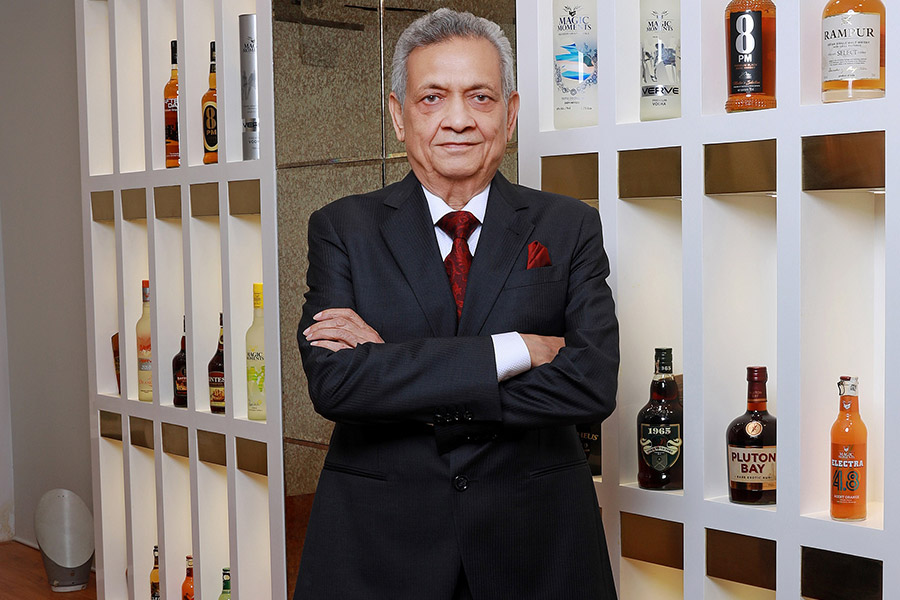
Dr Lalit Khaitan, Chairman and Managing Director, Radico Khaitan Limited believes India is a price-sensitive country and IMFL, being cost effective, is immensely popular among liquor consumers in India. Additionally, the ‘Vocal for Local’ campaign will give Indian whiskey companies/brands an opportunity to revolutionise the space as they can take calculated steps by understanding better the post–COVID market as well as the Indian consumers’ palette and pocket IBT: What is the total market size by segment for different alcohols in India and growth drivers for the market? How have supply and demand forces been impacted by the pandemic? Dr Lalit Khaitan: According to Euromonitor International, during CY 2019, overall IMFL volumes increased to 335 million cases of 9 litres each. Primarily comprising whiskey, vodka, rum and brandy, IMFL sales volume is expected to recover sharply and grow at a CAGR of 5.9% during the CY 2020-24. During the same period, IMFL industry value is expected to grow by 5.7%. However, liquor industry body Confederation of Indian Alcoholic Beverage Companies (CIABC) said in April 2020 that there will be a 12-15% decline in overall hard spirits sales due to impact on consumer earnings and social distancing norms owing to the Coronavirus pandemic. The young population base and its ever-rising consumption pattern is the primary reason for the growing demand of alcoholic beverages in the country. India is also demographically one of the youngest in the world with around 50% of its population below the age of 25 and around 65% below the age of 35. Since a majority of the alcohol volume is consumed by people between the ages of 18-40 years in the country, these demographic statistics are expected to drive growth of the alcoholic beverages market. Another prominent factor, which has contributed to the huge market size is that over the past few years, there has been a tremendous change in lifestyles leading to alcohol consumption being more socially acceptable. India has witnessed a 55% rise in alcohol consumption over 2 decades (from 1992-2012), revealed a study by Paris-based Organization for Economic Cooperation and Development (OECD). One of the significant factors to the growth is also the rising affluence of India’s middle class. With rising aspiration levels and increasing disposable incomes, this group of consumers is upgrading to premium segments, which are fast growing. The middle class is emerging in India and premiumisation is happening, which translates into industry uptick. Also, the accelerated growth of the liquor industry in India could also be attributed to the increased consumption of alcohol among women. IBT: What makes India the largest consumer of whiskey in the world? Why is Indian Made Foreign Liquor (IMFL) so popular in the domestic market in comparison to scotch? Dr Lalit Khaitan: India is a price-sensitive country and IMFL, being cost effective, is immensely popular among liquor consumers in India. Contributing almost 60% of sales volumes to the IMFL segment, whiskey undoubtedly dominates the Indian spirits industry. However, people’s preferences are slowly evolving and the pattern of alcohol consumption is also changing in the country, with Indians wanting to consume varied and quality spirits. People in the country are now developing a taste for scotch as well, but for it to be accepted as a go-to drink by a majority of alcohol consumers is unlikely at present. Moreover, with Prime Minister Narendra Modi’s ‘Vocal for Local’ campaign, it is certain that IMFL will continue to witness higher demand with home grown brands having a definite edge over international ones in the Indian market. With all the demographic changes in the market, several Indian brands have attempted to bring about a change with fresh and unique approaches to manufacturing, packaging, and marketing in the last decade. One such example is the success of Radico Khaitan’s Rampur Indian Single Malt Whisky and Jaisalmer Indian Craft Gin. These brands have had a runaway success in both Indian as well as international markets. It is a true testament to the world class quality and state-of-the-art packaging that they were awarded the most prestigious ranks including Double Gold at San Francisco World Wine & Spirits Awards 2017 (Rampur), Gold Medal at Monde Selection Belgium 2017 (Rampur), Best Gin Gold Medal 2020 by The Fifty Best, USA (Jaisalmer) and Best in Asia 2019 by The Gin Guide Awards, UK (Jaisalmer). IBT: Origin whiskies like bourbon and Scotch have made a strong mark in the international market. What are the key factors behind their success and firmly established premium value proposition in the market? Dr Lalit Khaitan: According to the Scotch Whisky Association, every second, 42 bottles of Scotch whiskey are shipped to 172 countries. That is how popular Scotch is! With its rich history, taste and culture, Scotch has always ruled the charts in the international market. People in most parts of the world are exposed to the authentic taste and explicit flavour of Scotch and nothing matches the quality of this traditional drink, which is in existence for the longest time now. Scotch has an exceptional appeal, especially with its strong sense of identity that dates back centuries. According to IWSR Drinks Market Analysis, in 2015 almost a quarter (22.6%) of American Scotch whiskey drinkers were aged over 65 years, making them the largest age demographic for the category. However, there was a sudden change witnessed in the consumer category and by 2018, the biggest age group among Scotch consumers in the US were those between 25 and 34 years. This sudden turning point was majorly due to flavour innovation and positioning. Aging makes Bourbon and Scotch what they are. As it goes in and out of the wooden casks, the liquid absorbs a lion’s share of the flavor. During the aging process, evaporation of the liquid accounts for about 4% a year, popularly known as ‘angel’s share’. What’s left behind over a period of time is more concentrated; woody flavors, the sweetness and all the things that makes a good bourbon and scotch. Without the aging, it is just a sharp,
Post-COVID, professionals are investing in learning to stay future ready
Ashutosh Gupta, India Country Manager, LinkedIn affirms that professionals have placed their faith in ‘learning’ to grapple with the new post-COVID reality, become future-proof, and stay productive during WFH. This is evident from the fact that LinkedIn Learning modules have seen an uptick of 176% in 3 months and around 67% of Indian professionals say that they will continue to increase their time spent on online learning. IBT: How is the hiring sentiment among recruiters across the country? What kind of jobs are gaining traction in India? Ashutosh Gupta: At LinkedIn, we have been closely monitoring the pandemic’s disruptive impact across the global market. As risks of second-wave of infections emerge, some states have imposed lockdown measures again. Given this uncertainty, the recovery is expected to remain fairly flat in the coming weeks. Our recent Labour Market Update suggests that there has been a significant hiring rebound as the country starts to ‘unlock’ and more people return to work. Findings revealed that between early-April to end-June, hiring increased by 35% In India while hiring declines reached a low of below -50% year-on-year in April, before starting to slowly recover. The hiring sentiment stands at -15% year-on-year as of the end of June. Additionally, our recent Labour Market India update also highlights roles that are in demand today and are expected to remain relevant in the near future. The top 5 most in-demand jobs are: ● Software Engineer ● Business Development Manager ● Sales Manager ● Business Analyst ● Content Writer On the brighter side, we have noticed a rise in hiring on LinkedIn by technology, gaming, e-commerce, and ed-tech firms. In fact, a quick LinkedIn scan will show you that companies such as Uber, Tata Consultancy Services and HCL, have also been actively looking for talent across various verticals and are offering active openings for permanent job roles across levels. Further, narrowing the gap between professionals and economic opportunities, LinkedIn – as part of the Microsoft ecosystem – recently launched a global skills initiative to bring more digital skills to 25 million people worldwide by the end of this year. As part of this initiative, we have identified 10 most in-demand jobs in today’s economy and made 10 corresponding LinkedIn Learning courses available for free. IBT: What do you think about India’s transition to remote working, and what kind of opportunities do you think are available for Indian professionals in the new normal? Ashutosh Gupta: Remote work allows organisations to rethink hiring and provide new opportunities, especially for quality candidates with geographical constraints. It’s also a great opportunity to promote internal mobility opportunities by encouraging employees to pick up new skills and move into these roles. At LinkedIn, we believe that it is even more important now for professionals and businesses to expand their digital capabilities to stay visible and connected. Across APAC, many organisations are still navigating the new demands and constraints on their work. In fact, looking at job postings on LinkedIn across key APAC markets, we are seeing an uptick in remote job postings and applications. India is leading the pack in terms of remote job application growth, as it grew by a multiple of 4.65 between March and May. Here are the top remote jobs applied for in India: 1. Customer support representative 2. Internet Analyst 3. Key Account Manager 4. Freelance writer 5. Customer success manager. Further, LinkedIn’s Workforce Confidence Index – a fortnightly pulse on the confidence of the Indian workforce, revealed that professionals from Marketing (61%), Project Management (56%) and Engineering (54%) are most confident about the effectiveness of remote working. But this optimism fades when you turn towards professionals from industries like HR and finance where in-person engagements have long since been the traditional way of work. Beyond industries and companies, this varying perception also exists among generations. Findings showed that millennials and Gen Z professionals are more likely to think they can be effective when working remotely whereas Gen X and Baby Boomers don’t seem as confident. IBT: What are the top jobs in the country in the post-COVID scenario? Why are these popular? What are the major criteria that companies are considering while hiring/firing employees? Ashutosh Gupta: According to LinkedIn’s Labour Market Insights of April 2020 – right after the pandemic hit the world globally, we noticed that the demand for tech talent was on the rise, along with strategic, analytical, and thinking skills. Here are the top 5 in-demand jobs: ● Software Engineer ● Business Development Manager ● Sales Manager ● Business Analyst ● Content Writer These roles have the greatest number of job openings on LinkedIn, have seen steady growth over the past four years, pay a livable wage, and require skills that can be learned online. Given these sensitive times and the relentless transformation of modern technology, companies will value people with soft skills, digital skills, and the ability to evolve equally in this challenging environment – a strong cue for today’s job seekers in terms of building their professional profiles. In fact, our recent global skills initiative with Microsoft helps professionals remain cognizant of the most in-demand jobs globally, while also helping them learn the requisite skills by accessing 10 corresponding LinkedIn Learning courses and 4 soft skill courses on opportunity.linkedin.com. IBT: What are the skills that are in demand in the job market? Given the constant need to upskill, what can job seekers in the country do to remain employable and relevant? Ashutosh Gupta: Reskilling the workforce has emerged as a priority and a challenge for businesses, given today’s rapidly digitizing economy. This reflects strongly in LinkedIn’s Labour Market Insights, according to which the top 5 in-demand skills currently are SQL, JavaScript, Business Analysis, Adobe Illustrator and Sales Management. Given today’s challenging workplace situation, many companies are looking for collaborative professionals who possess the right mix of hard skills, soft skills, and transferable skills to lead their teams through these testing times. As we continue to acclimatize with WFH measures, tech skills such as
