
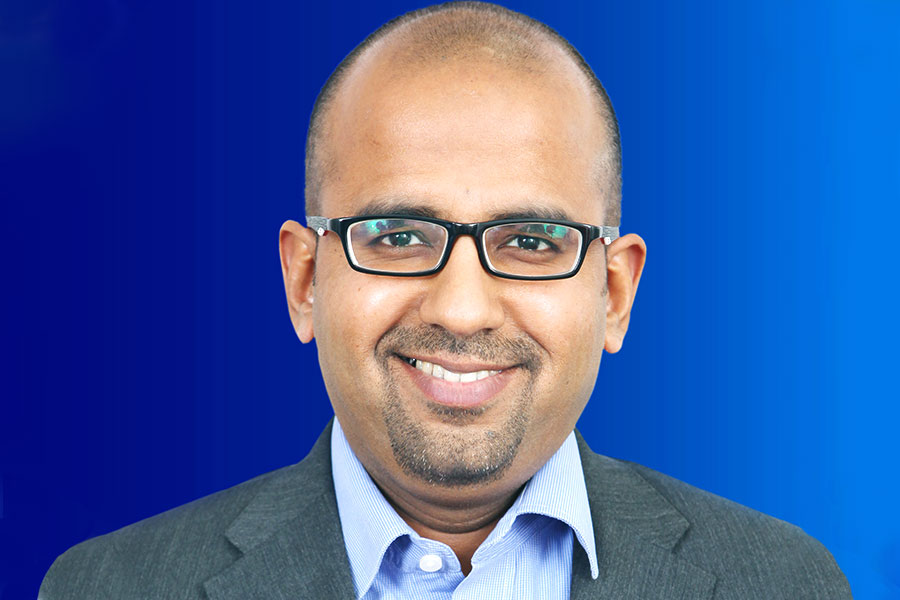
Girish Menon, Partner and Head – Media and Entertainment, KPMG in India, opines that online video streaming, social media & gaming tend to have a higher adoption rate among millennials and are often the only places to reach out to a lot of millennials who don’t consume much of the traditional media. IBT: What have been the major drivers of the shift to digital advertising over the past few years across the world? How is India similar or distinct in this context? Girish Menon: The shift towards digital advertising has been seen globally in the last few years, while in India, the shift hasn’t started to take shape in concrete terms yet. Traditional media such as TV and to a lesser extent, print, remain relevant, and digital advertising till now has added to the overall pie. However, with the COVID-19 pandemic having seen an acceleration of digital consumption, this shift is likely to get augmented in the long run, and the green shoots of the same are already being seen, as based on our estimates, Digital advertising will overtake TV advertising in FY21. On an overall basis, increasing consumption on digital, the ability to target a specific user base, availability of deeper and more insightful data compared to traditional forms of advertising coupled with the ability to measure ROIs more easily has been driving the shift to digital advertising globally. The story has been similar for India with performance advertising being the preferred mode for advertising on digital media. IBT: How has COVID-19 shifted the consumer approach towards consumption of digital mediums like OTT, social media, gaming, etc.? How have advertisers responded to the same, in order to maximise ROI of their marketing investments? Girish Menon: The pandemic has accelerated the adoption of digital mediums among consumers as outdoor entertainment options like cinemas, theme parks, etc. are not available to most users. As a result, the average time spent on gaming, social media and video streaming peaked during the months of the lockdown. While the average time spent on these mediums has come down post the lockdown, it has still settled at higher levels than that seen before the lockdown. Average time spent on gaming was higher by 24 per cent in the last week of June as against that observed before the lockdown. Ad volumes on digital, as with other M&E segments, had declined in the aftermath of the pandemic with most advertisers reining in spends as business activity came to a halt. However, companies from some categories like EdTech, Gaming, etc. made the most of the low CPMs (Cost Per Mille) available to reach out to their target audiences via digital. As economic activity starts to move towards pre-COVID-19 levels, digital advertising is expected to recover and grow faster than the traditional formats. IBT: Now that the economy is opening and people are stepping out of their homes, how do you expect media consumption habits to change in the next few months? What are the most lucrative avenues for B2C marketers to promote their brands among the millennials in India and why? Girish Menon: Media consumption habits have changed over the last few months and some of these habits are likely to persist in the long run. Digital has been the clear winner with more users starting to consume content via the digital medium – news, video, social media and gaming. However, as people start to step out of homes and get back to work, the active users and time spent on these mediums though higher than pre-COVID levels, is likely to be lower than the peaks seen during the lockdown. Online video streaming, social media and gaming are likely to be the most lucrative avenues for B2C marketers to promote their brands among the millennials in India. These mediums tend to have a higher adoption rate among millennials and are often the only places to reach out to a lot of millennials who don’t consume much of the traditional media. IBT: What advantages do sharing ads over digital mediums have in comparison to their other counterparts? What key criteria should brands keep in mind as decide their digital marketing mix, i.e. SEO, SMO, e-mail marketing, video marketing, etc? Girish Menon: Ads shared over digital mediums can be customised, narrow-casted and targeted to a desired consumer. In addition, some digital mediums also allow an element of sharing that could create virality for brands. Brands need to have a pre-defined purpose before deciding a digital marketing mix. The approach to digital marketing and the marketing mix will differ according to the purpose of the campaign, the product, the target consumer and the sales channel. IBT: Video is considered a major digital engagement tool for brands in the present context. How is it working out in reality from a content marketing perspective and what are the key elements of a successful engagement strategy through videos? Girish Menon: Videos have been working really well for brands as a tool for digital engagement and advertising. Video content that is creative, catchy and establishes an emotional connect is key to audience engagement. In addition to catchy commercials, brands can use product placement and deeper integrations with the digital content story (on platforms like video streaming, gaming, etc.) to create successful campaigns. Girish Menon has significant experience in the media and entertainment (M&E) sector. He has advised clients across major sub sectors, covering both international and national players. Hehas more than 15 years of advisory and M&A experience and, he has advised on more than 150 M&A transactions. He has an extensive experience on buy-side and sell-side mandates and assisting clients in evaluating the risks and opportunities of their intended transactions. He has led a number of high profile and complex transactions and therefore has a deep understanding and practical experience of dealing with issues that arise on Indian transactions. He has also been a speaker at various events industry organised by FICCI, Economic Times, India Mobile Congress etc. He leads KPMG in
Edtech startups can help bridge the gaps in Indian education system
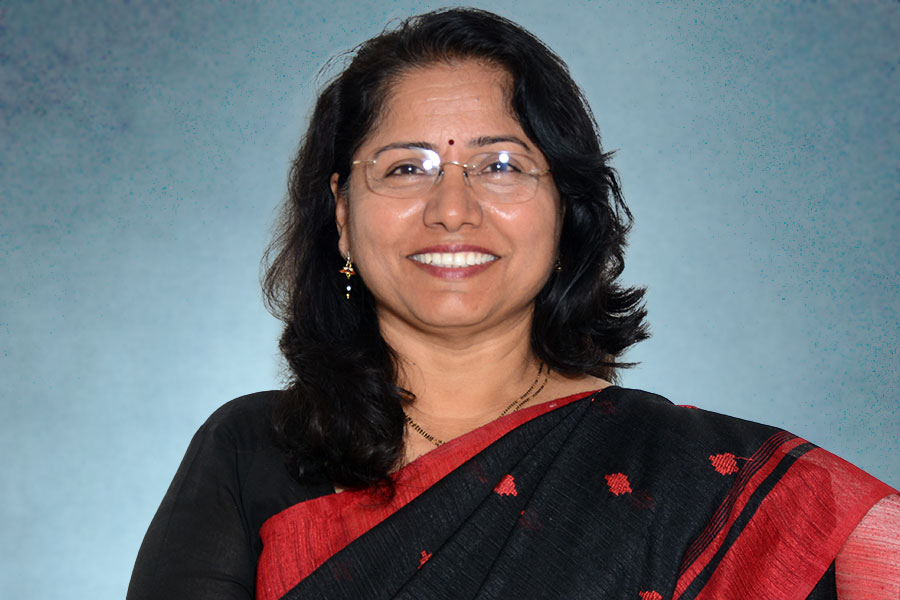
Dr. Vandana Sonwaney , Director, SIOM, opines that edtech for adults—whether in the form of vocational skills, tertiary or higher education, or skilling for managerial growth—can make India’s workforce more competitive. Education and learning have a social fabric which develops a person holistically. Social skills are crucial for jobs and go beyond technical competencies. IBT: Why are edtech start-ups seeing a record jump in fundraising activities this year? How has the pandemic changed the business model for edtech start-ups? Dr. Vandana Sonwaney: Indeed, with funding worth US$ 2 billion being pumped into Indian edtech start-ups and the market size to grow to US$ 10 billion by 2025, Indian edtech sector is a big ticket opportunity. The pandemic has opened the vast potential for this sector, especially in India, like never before. Digitalization stimulates entry of new firms (start-ups) based on innovative implementation of digital technology. Edtech start-ups came up with innovative services not just in terms of test preparation & certifications but also for core curriculum delivery for K12, skill development for graduates and enterprise solutions for institutions. In a very basic sense, it offers a new opportunity to shape the learning experience for all students across India. But more than that, it’s the need of the hour that gate-crashed educational institutions that were forced to adapt to edtech solutions. While COVID-19 forced everyone to go online, it showcased the poor tech readiness of schools. This changed the focus of edtech companies, propelling them to offer more off the shelf products. IBT: What can these start-ups do in bridging the gap in Indian education system and helping them acquire the skills actually needed in the Indian job market? Dr. Vandana Sonwaney: There’s a lot that these start-ups can do in this regard. Skill development is one of the most lucrative market opportunities in K-12 as well as graduation space. Coding and other STEM-related skills are currently witnessing a massive adoption. Skills oriented certificate courses like AI, ML, Python, Design thinking, Big data analytics etc. have a huge demand in the market. Industry is looking out for such competencies. What start-ups can do is to upskill and reskill students based on their career aspirations, help educators with student management, communication and teaching, and helping educational institutions with administration etc. Edtech for adults—whether in the form of vocational skills, tertiary or higher education, or skilling for managerial growth—can make India’s workforce more competitive. IBT: A lot of these startups have a ‘one-size-fits-all’ model due to their obsession with scale, which ignores factors like differences in learners’ grasping powers and variety in courses. What strategies can these startups adopt to these situations and offer customised solutions? Dr. Vandana Sonwaney: At a broader perspective, India is a diverse country and hence the educational needs and demands of learners vary. At a micro level, each student in a single class is also different with respect to his learning pattern. This surely impacts not just teaching but also learning and assessments. Edtech start-ups design their products on education life cycle and not on individual learning cycle. Assessment of learning at various stages of course delivery and performance of students thereof, should direct students to different routes / processes. Students with low speed should be take to remedial tracks and students with higher learning needs should be given more challenging tests. Interactivity and dynamic platforms will induce students to be more participative and hence give feedback to educators on her specific needs Given the volatility and ever changing consumer demands, these start-ups should have more data-centric view and an agile approach to stay competitive. At different levels (K12, College, PG, Executive) students’ demands would change. By the virtue of these being digital, it seems more crucial that they adapt tech enabled processes to track the needs to individual level. Continuous engagement with customers will help program necessary solutions. The beauty of tech enabled offerings is that one can attract masses as well as customise it to suit individual demands. IBT: A lot of education start-ups in India sell the dream of a promising job or admission in a premier educational institution to young minds in India. According to you, are these really successful, given the skewed pupil-to-teacher? Dr. Vandana Sonwaney: Job or admission to premier institutes is the function not just of online learning but also the manifestation of that learning in the pupils’ behaviour, attitude and skills set. Rote learning never helps. That is only learning by knowing. But for jobs specifically, one needs learning by feeling, doing and being. Hence, co-curricular activity and experiential learning are equally important. 100% tech enabled education can be useful in a Vocational Education or skill based courses. Improved gamification hybrid learning platforms may help. Online learning may help in pre-assessments in admissions but not further. But education and learning has a social fabric which develops a person holistically. Social skills are crucial for jobs and go a long way beyond technical competencies. IBT: What is your take on the impact of start-up business models on the digitization of learning? What kind of challenges are these Edutech start-ups facing and how can these be resolved? Dr. Vandana Sonwaney: Lack of goverment regulations and structured regulatory measures impact the start-up business models. Also, a lot of free content is available online. Hence, paid models is a challenge. Digital learning cannot replace traditional model completely as it lacks 360 degree development and learning. Institutional and cross-sector partnerships will enable wider reach as edtech players attempt to expand their user base. There needs to be a push towards expansion to cater to lower tier cities and lower income groups, representing close to 70% of the addressable student population. Only 10% of the current student population comprises active edtech users (free and paid). There is need for affordable offerings to drive wider adoption. Entrepreneurs should look to build solutions that address these challenges, keeping in mind the end goal of improved learning outcomes. This will help serve students across income segments. The levers

Malt spirit production in India is hampered by a difficult regulatory environment
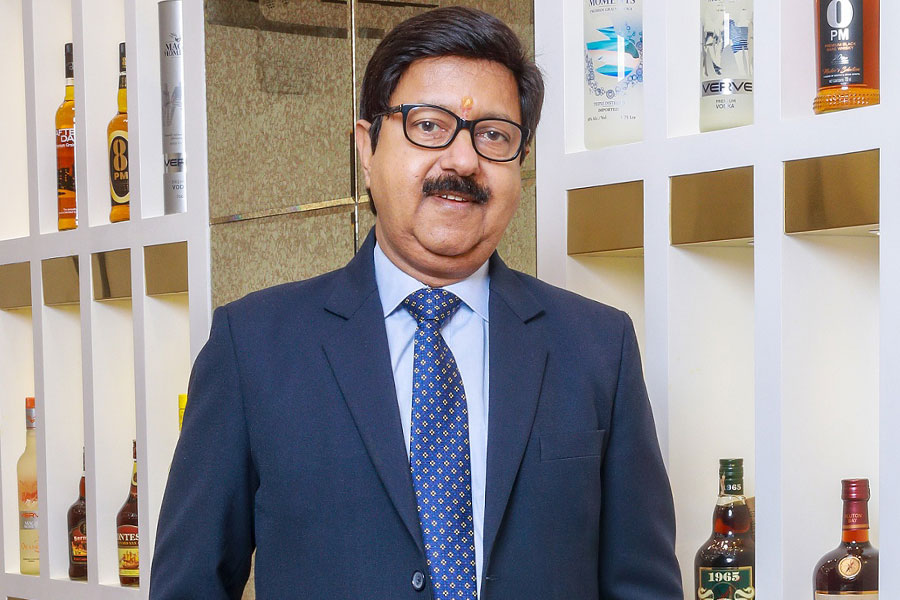
Vinod Giri, Director General, Confederation of Indian Alcoholic Beverage Companies explains that there are several products made entirely from malt spirits such as Amrut, Paul John, Rampur etc. Besides, malt spirits are also being used for blending with ENA by a large number of Indian products. Image credit : https://bit.ly/345yYzI IBT: India has till date not adopted the concept of selling indigenous aged malt spirits to its consumers as a branded product. Why is that? Vinod Giri: This was true earlier but not any longer. Today, Indian companies such as Amrut Distilleries, John Distilleries, Mohan Meakin and Radico Khaitan sell premium malt whiskies, including single malts. Indian products such as Amrut, Paul John, Rampur, Solan Gold etc. have been winning global acclaim and awards and are widely available in India and abroad. Just recently, Paul John Kanya was rated as the 3rd Best Whisky in the world in the most prestigious Jim Murray rankings. Many critics now speculate, as a recent article in Forbes stated, if it is now the time of Indian whiskies after Scotch, Bourbon and Japanese whiskies! IBT: What are the reasons for the high popularity of the IMFL segment and not following the process of whiskey making as is done across the world i.e. using malt spirits and ageing process? Vinod Giri: With colonial legacy as backdrop, the industry has evolved over time in India to best suit Indian raw material availability, Indian taste palette, and Indian pockets. It delivers products that suit Indian tastes and is available at prices that cover wide spectrum of consumers. That is the reason for their immense popularity. In countries with long history of liquor, it is only natural that the local industry evolves making best use of what is locally available. Abundant availability of barley led Scotland to use malt as base raw material to distil whisky, whereas America with vast production of maize use that as base in Bourbon. Sugar is a major produce in India. That, and the fact that for long India lived under shortage of grains, led to evolution of liquor, including whisky, being distilled from molasses. However, today with increased availability of grains, increasing number of whiskies are being produced from grains base. Indian whiskies today use both molasses and grains. Ageing adds cost through holding of inventory and hence, is more suitable for premium whiskies. Many premium Indian whiskies are aged. What is interesting is that in warm Indian conditions the process of ageing is much quicker, estimated to be three times faster compared to Scotland. In short, a whisky aged for one year in India achieves same level of maturity as a whisky aged for three years in Scotland. IBT: What are the key challenges in the development of the malt spirit industry and the key reasons to depend on scotch imports? Vinod Giri: With improved grain availability and globalising taste palettes, production of malt spirits has consistently risen in India. There are several products made entirely from malt spirits such as Amrut, Paul John, Rampur etc. Besides, malt spirits are also being used for blending with ENA by a large number of Indian products. Scotch whisky is also blended with Indian spirits by some to gain a familiar taste & flavour finish as consumers have historical familiarity with Scotch palette. However, the amount of Scotch used is quite small. Principal challenge with malt spirit production in India is more generic in nature. It is hampered by a difficult regulatory environment, licensing conditions, high. IBT: Foreign companies have to their benefit promoted the concept of “Blended Scotch Whiskey” to promote import of scotch to India, can it be the other way round? Vinod Giri: Indian whiskies are being exported to over 60 countries. They are much acclaimed and awarded. Many experts predict Indian whiskies to be the next big thing. This footprint has been created by companies working on their own. But by itself a brand can achieve only that much. The truth is that brands do not become global force without active Government support. For example, EU provides a low cost of production environment to its spirits industry, seeks tax concessions for it from other nations, and puts non-tariff barriers to prevent entry of other country’s products. The President of the USA also publicly advocates lower import duties for Bourbon by other countries including India. Indian Government also needs to shed its reluctance and promote Indian products forcefully with other countries. IBT: Does Indian origin packaged aged Blended/Single malt spirits have good export prospects? Vinod Giri: Yes. Brands such as Amrut, Paul John, Rampur, Solan Gold etc. are being exported all over the world. They are widely acclaimed and admired by critics and experts alike. However, for exports to become an industry wide phenomenon, it needs Government support and intervention. India’s success as large exporter of high-quality spirits depends on (a) being able to reduce cost of production by way of a licensing regime that encourages large scale plants and low compliance cost, and a taxation regime that encourages the industry as a legitimate product instead of punishing or exploiting it as a sin industry, (b) getting other nations to reduce non-tariff barriers on Indian exports besides protecting domestic market from dumping and predatory imports, and (c) helping these products build sound domestic base by giving them excise policy support in states instead of blatant discrimination against them which, most surprisingly, is being followed by some states. Vinod Giri is the Director General of Confederation of Indian Alcoholic Beverage Companies. He has over two and half decades of experience in blue chip organisations such as Marico, Seagram, Coca-Cola and SABMiller, in India and globally, in sales, marketing and general management roles. He has been instrumental behind launch, relaunch and growth of brands like Saffola, 100 Pipers Whisky, Coca-Cola and Thums Up in India. He was also part of the management team which set up SABMiller in India and grew it to become the second largest brewer in a short time. Vinod
Premium Indian IMFL brands are going global
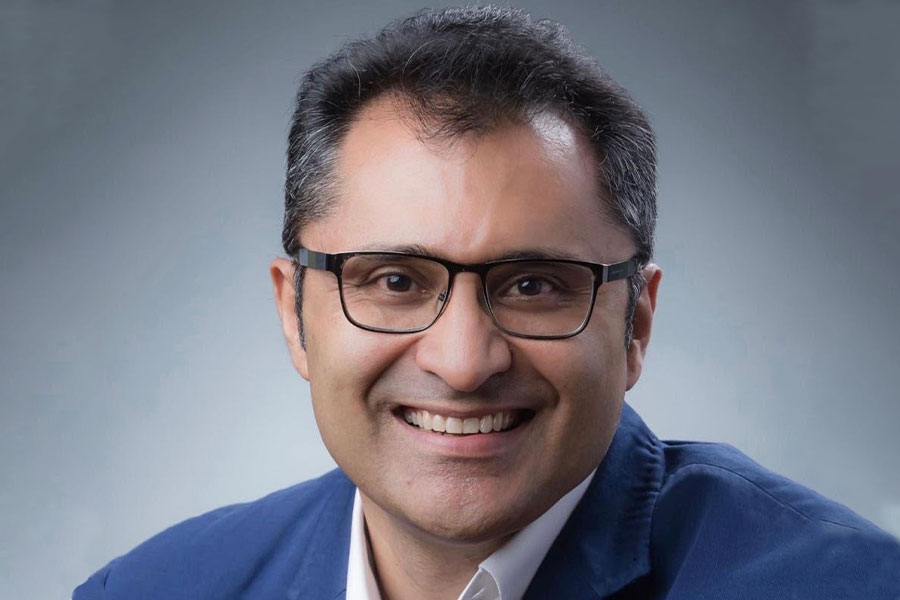
Amar Sinha, COO, Radico Khaitan, is of the opinion that India’s alcohol consumption dynamics are very different from those of the rest of the world. Today, most of the IMFL premium brands are made of grain spirit. They have not only flourished in the country but are gaining recognition oversees, making India a large exporter of IMFL in the recent years. IBT: India has till date not adopted the concepts of selling indigenous aged malt spirits to its consumers as a branded product. Why is that? Amar Sinha: India is a price-sensitive country and malt spirit is always used in the premium segment due to its higher cost of production. However, the trend is changing now because people are more exposed to international flavours and offerings. People’s preferences are evolving as well and the pattern of alcohol consumption is also changing in the country with Indians wanting to consume varied and quality spirits today. It’ll be safe to say that the indigenous malt spirit industry is picking up pace in the country. Rampur Indian Single Malt, from the house of Radico Khaitan, is hand-crafted and aged in the foothills of the Himalayas and was initially made especially for export. It had a runaway success in the international market upon its launch hence; it was decided to bring the taste of India’s finest single malt to the domestic consumers as well in 2019. It has received an overwhelming response here with Indian malt connoisseurs showing immense love. It was available in select retail outlets and sold out in no time. We firmly believe that the time is not so far when the domestic industry will be well established and India won’t have to rely on imports. IBT: What are the reasons for the high popularity of the IMFL segment and not following the process of whiskey making as is done across the world i.e. using malt spirits and ageing process? Amar Sinha: The key raw material for malt spirit – barley – is produced on a controlled scale in the country owing to the fact that it is least tolerant of hot, humid conditions. This makes it unsuitable for the subtropical or non-tropical regions. In 2019, barley production for India was 1,633 thousand tonnes. Though India’s barley production fluctuated substantially in recent years, it tended to decrease through 1970 – 2019 period. In most parts of India, summers are extremely harsh and winters are spine chilling. These conditions not only affect the production of raw material but directly impact the ageing process of the malt spirit too – making the maturation faster compared to the West. Thus, Indian single malts make no age statements or claims like their international contemporaries. However, we are picking up the malt spirits trend slowly. There are a number of single malts that have come up in the last decade, with one of them being Radico Khaitan’s Rampur Indian Single Malt, and they have been very well received. We launched our Rampur Single malt in the Indian market starting with Delhi last year which was earlier only available in the international markets where it tasted success and fame. Until two decades ago, the IMFL category was dominated by mid-price segment brands made of molasses spirit. As foreign companies entered the Indian liquor space, they brought with themselves a wave of proliferation of premium brands made of grain spirit. This paved way for Indian brands to produce grain spirit that helped them compete with their international counterparts in the premium category. Today, most of the premium IMFL brands are made of grain spirit which have not only flourished in the country but are gaining recognition oversees, making India a large exporter of IMFL in the recent years. IBT: What are the key challenges in the development of the malt spirit industry and the key reasons to depend on scotch imports? Amar Sinha: India’s consumption dynamics are very different from those of the rest of the world. It is a price-sensitive country with high per capita consumption and malt spirit is always in the premium segment. The production capacity and aging of malt spirit in India is still scarce and therefore foreign companies have been importing bulk of blended scotch whisky, vatted malt spirit for blending and their flagship key brands of bottled scotch whisky manufactured in origin(BIO). However, the new trend suggests that the proliferation of eating out culture, higher purchasing power and exposure to the world travel have been swelling the demand of premium malt spirits resulting in home grown brands to flourish. Key Indian players which are few in numbers have started the production and maturation of malt spirit and using it to produce premium IMFL brands besides maturing for flagship single malt whiskies produced from India. Rampur Indian Single Malt, from the house of Radico Khaitan, is one such brand that had a runaway success in both domestic and international markets. In the first year of its launch, Rampur Indian Single Malt whisky won a Double Gold at San Francisco World Wine & Spirits Awards 2017 and a Gold Medal at Monde Selection Belgium 2017. This recognition was a testament of the fine quality and state-of-the-art product from India on the foreign land. IBT: Foreign companies have to their benefit promoted the concept of “Blended Scotch Whiskey” to promote import of scotch to India, can it be the other way round? Amar Sinha: Yes, we do believe it can. When Radico Khaitan launched 8PM Whisky in the year 1998, it was the first IMFL whisky blended with Scotch in India. We introduced the trend of scotch blended IMFL whisky but now we have also started producing our own malt spirit. We see the change taking place as it’s evolving so; the time is not far when the Indian brands will be the leaders and trendsetters. Foreign companies have started importing blended scotch whisky to suit their convenience as per the market demand and cost effectiveness. Malt spirit market is still evolving in India and importing malt would
Consumer attention to content is increasingly fragmented
Unmish Parthasarathi, the Founder of Singapore-based growth practice Picture Board Partners, believes that the fragmentation of attention to content requires us to adopt remote production technologies for story-telling and a smarter use of data to redefine & revive commercial models. IBT: How has viewership evolved across the sports, gaming and edutainment segments in the past few years in the Indian market? What have been the drivers of the shift? Unmish Parthasarathi: Consumer preferences are no longer discrete, as audiences have developed new tastes in addition to their historical preferences. Much of this has been due to the rapid adoption of mobile platforms – driven by affordable handsets and quality 4G connectivity. This is being complemented by the creation of and access to new content genres such as edutainment and gaming, more content in vernacular languages, plus UGC that is of interest to micro segments. All this has fragmented viewer attention, which makes gaining critical mass making monetisation a challenge. The fragmentation of attention requires us to adopt remote production* for story telling and use data to redefine & revive monetisation. IBT: In what ways is the Indian market unique compared to other markets in terms of viewership habits and daily time allocated for video viewing? Unmish Parthasarathi: India is one of the few markets in the world that is experiencing three trends simultaneously: Foreign content in English is moving from PayTV to Netflix & Amazon Vernacular content is experiencing explosive growth on OTT platforms Interactive entertainment such as Gaming and Fantasy Sports is going mainstream IBT: What models carry most potential in India to monetise sports and gaming content and why? How is data playing a competitive differentiator? Unmish Parthasarathi: I tend to divide gaming into three distinct areas – conventional consumption based on titles such as PUBG Mobile, CS:GO etc; fantasy sports like what Dream 11 has pioneered, and betting, which is grey. All have different monetisation models, of which Fantasy has done really well and will continue. eSports as offline events are too dependent on sponsorships, but there are some good promoters who are being smart about the brand solutions – that use first party data to convert/prove attribution to purchase. So we have a lot to play for offline in 2021 and capitalise on the massive online surge during COVID-19. IBT: How is technology expected to revolutionise user experience as well as the competitive landscape for content producers in India in the coming years? Unmish Parthasarathi: I’m a big believer in Augmented Reality maturing during the first half of this decade, and expect a lot of innovation in the consumer space that spans/combines sports, gaming and music. I’m less bullish on Virtual Reality as it needs a far greater number of pieces (device, connection, pricing, real value propositions etc) to align on the chess board. I’m more bullish on Blockchain as it solves big problems such as fraud and attribution, combined with loyalty programmes that pre-exist. IBT: Webinars have suddenly become a major engagement medium for brands. How successful do you feel they are in practice? And how can their effectiveness be further improved? Unmish Parthasarathi: When we are thirsty, it’s doesn’t matter if the water is top quality or not. It serves a purpose and can only improve as we go along. I expect it to look very different by the next 24 months, not 12. The biggest add on will be Augmented Reality and AI/ML based recommendation engines that will respond and provide personalisation. *Covid has required a lot of collaboration traditionally associated with physical (or on-premise as the technologists call it) presence today be done virtually using the cloud, a trend dubbed remote production as the team is not co-located.
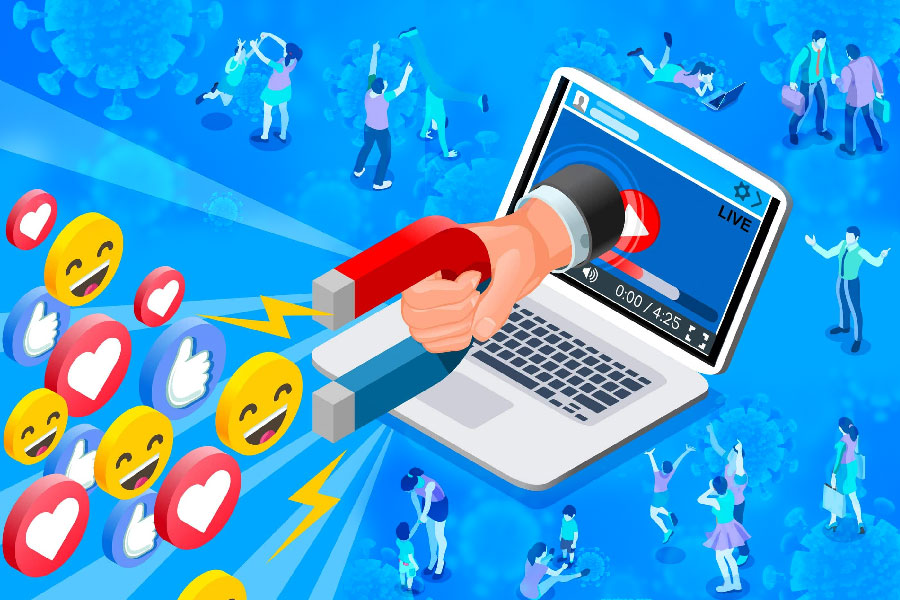
How Influencers reshaped Marketing during Covid-19
Expected to become a US$ 10 billion industry by end of 2020, influencer marketing is adopted by an increasing number of brands and marketers due to the way it impacts people. Creating and executing a campaign could be challenging at times, but data-driven influencer marketing platforms can help brands simplify the process. Image credit: Single Grain The Coronavirus pandemic has brought the world to a standstill. Individuals and businesses are impacted severely as people are forced to stay in and the outside world became a distant luxury. Due to a lack of studio or office space, brands were forced to rethink business strategy entirely. Where traditional methods of marketing and advertising products were no more feasible, we noticed a shift towards digital and Influencer Marketing, which offered a more sustainable and cost-friendly way to market a product to a wider audience with great efficiency. According to Wobb, 97% of marketers have noticed lower in-person marketing arrangement with 84.8% increment in openness towards digital offerings. Influencer Marketing offered brands a relatively cost-friendly way to reach out to their target audience through a network of Influencers. Brands were able to get an exponentially higher reach among their target groups as they reach out to people on a platform where they are the most active, social media. So, who is a Social Media Influencer? There is a notion floating around that a large social media following is all it takes to be an influencer, which is untrue. There are factors like credibility or knowledge of a particular industry, engaged audience and quality of content, which play a much more important role. The ability to leverage all these factors and create content, which keeps your audience engaged, while at the same time results in growth, is something that sets a quality influencer apart from the rest. How can brands benefit from Influencer Marketing? Let us take the case of health and wellness brands during the Coronavirus pandemic. A deadly virus infecting people all over the world was a strong enough incentive for people to focus on health and cleanliness. Due to a spurt in demand, there was a void on the supply end, as existing brands could not produce goods fast enough. This led to a sizeable influx in the number of health and wellness focused brands flooding the market to fill the void. This was an opportunity for new brands to shine, but on the flip side, it was followed by intense competition. Staying ahead of the competition Multiple brands like Tatva Health, Dr Vaidyas and Sirona, among others, stood out and turned this crisis into an opportunity. So how did they do it? A closer look at their approach brings out one common strategy that helped them immensely – Influencer Marketing. They were able to reach a wide set of audiences and raise brand awareness as well as promote their products and services through a network a nano and micro-influencer across all forms of social media. Due to the pandemic, there was a huge uptick in the engagement of health and wellness influencers on social media platforms, which these brands were able to leverage. With the help of Influencer Marketing Platforms, these brands were able to run multiple campaigns with hundreds of nano and micro-influencers, thus resulting in higher reach and brand awareness, eventually converting to better Return on Investment (ROI). Post-Covid – a new dawn for marketing Thinking out loud, things will never be been the same again, at least for marketing. The bar has already been set; the transition to digital is in motion and more efficient ways to market are already being adopted. The time for brands has come, to either go digital or lose out on a huge chunk of the market that is growing at a rapid pace. Digital spaces are getting crowded and it’s all about standing out. Brands need to adapt and experiment with every strategy possible to discover what works for them. Influencer marketing has stood the test of time and is as impactful as it was, if not more. It can be a great way for brands to reach out and make a mark for themselves on social media platforms. Leveraging brand value for higher social impact Legacy brands are adapting to the digital revolution by leveraging their brand value to make a larger social impact. Their name carries a lot of value and any campaign with their name association catches the attention of people much faster. Multiple legacy brands are using this leverage in conjunction with influencer marketing to reach the widest audience possible. Pepsico India can take credit for being the flag bearer of the phenomenal rise of influencer marketing in India. Over the past couple of years, they have run campaigns, which turned into social media movements or a cultural phenomena in their own right. In 2019, Pepsi pushed its #SwagStepChallenge through a huge network of influencers, primarily on TikTok and Instagram, which became the next cool challenge to partake from general public and celebrities alike. It generated an unbelievable 5.4 billion impressions and over 100,000 user-generated videos being created across social media platforms with #swagstepchallenge. Another subsidiary of PepsiCo, Lays India has repeatedly launched social media campaigns with a wide network of influencers to grab eyeballs and get people engaged. Campaigns like #Smiledekedekho became a gigantic success along with #Heartwork campaign earlier in June this year, generating hundreds of millions of impressions. Once, a brand gets recognized for its campaigns, people look forward to more campaigns from them in future. Simply put, going viral is what brands aim for and influencer marketing is an expressway to achieving this goal – as influencers possess something that’s difficult to generate quickly – an engaged audience! Challenges with running an influencer marketing campaign Expected to become a US$ 10 billion-dollar industry by the end of 2020, influencer marketing is being adopted by an increasing number of brands and marketers, due to the way it impacts people. However, creating and executing a
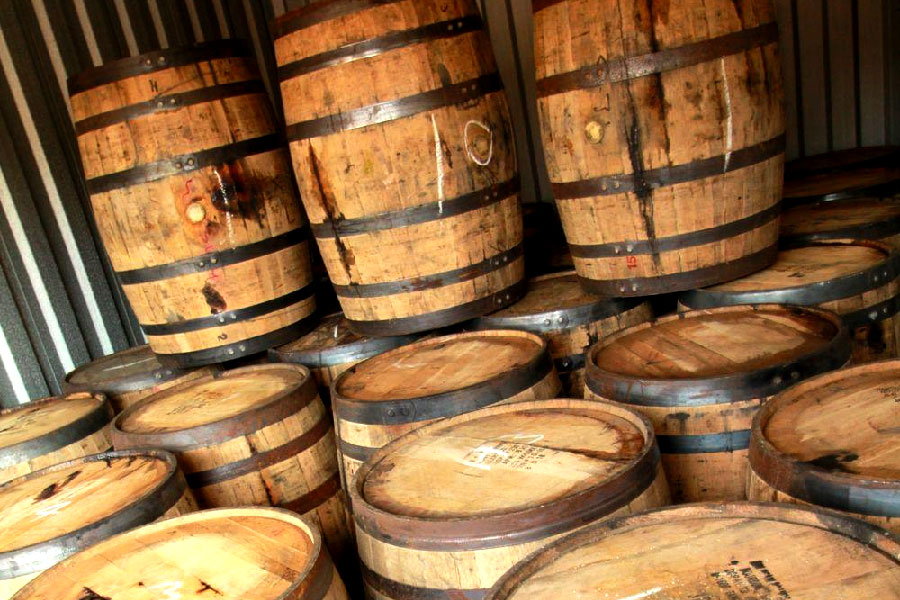
Indian whisky industry: Too early to say cheers?
A number of Indian origin packaged aged blended/single malt spirits are taking the world by storm. This is due to the efforts of three brands – Amrut, Paul John and Rampur – that are changing the face of Indian whisky industry. Yet, the country lags behind the likes of UK which is famous for its Scotch or the USA which is known for its Bourbon in the global spirits race. At the same time, the popularity of Indian single malts is yet to pick up in the domestic market as many luxury consumers are more compelled by the wonders of high-end blended scotches. Policy support through measures like Prime Minister Narendra Modi’s ‘Vocal for Local’ campaign, innovative marketing strategies and acquiring the prestigious GI recognition are some of the ways to help the segment grow in the domestic & international markets. Image credit : https://bit.ly/3ki5kNn 2020 has been a milestone year for the Indian whisky industry. Amrut Fusion was conferred the title of the best Indian whisky in the world at the highly coveted International Wine and Spirits Competition while Mithuna by Paul John was declared the world’s third-finest whisky by acclaimed Jim Murray’s Whisky Bible 2021. Clearly, a number of Indian origin packaged aged blended/single malt spirits are taking the world by storm. The international success that these Indian single malts have fetched raises some questions – How distinct are these concoctions from other whiskies in the Indian Made Foreign Liquor (IMFL) category? What let to their success? What lessons can other brands aspiring to enter the business draw from their success? What is the future of Indian single malts? This blog offers insights into these questions. Carving an Indian niche on the world whisky map In 2019, India emerged as the world’s 15th largest whisky exporter, lagging behind the likes of UK which is famous for its Scotch or the USA which is known for its Bourbon in the global spirits race. But this is not to steal away from the charm of the Indian single malt. Albeit still in its infancy, Indian single malt is a rich and exciting playground for whisky lovers all across the globe. This is due to the efforts of three brands – Amrut, Paul John and Rampur – that are changing the face of Indian whisky industry. Source: ITC Trade Map (All figures in US$ billion) The reason why these brands are the vanguards of change lies in the alchemy of their composition. Thus, in contrast to IMFL – a broad term used to refer to whiskies, rum or vodka – which are typically made by reducing neutral spirit made of molasses and the mixing it with flavors, other spirits (usually Scotch whisky) and caramel, these three brands use malts or grains as raw materials. (It must be mentioned here that such drinks such drinks are not recognised as whiskies in the European Union.) However, even after their international success, the popularity of Indian single malts is yet to pick up in the domestic market as many luxury consumers are more compelled by the wonders of high-end blended scotches. Anuj B. Patel, a Chicago-based connoisseur and collector of Indian whiskies. “I don’t have a lot of friends or family members back in India purchasing Amrut a lot. This is the harsh truth from Indians who love their whiskey: We would rather drink [Johnnie Walker] Blue Label.” Thus, India has till date not warmed up to the idea of selling indigenous aged malt spirits to its consumers as a branded product. This raises the questions what can be done to create demand for Indian single malts in India (- the second largest market in the world in terms of volume and seventh largest market in terms of volume of whisky consumed) and international markets and what are the challenges that it can encounter while doing the same. Source: Euromonitor International Source: Euromonitor International A long ride ahead? Firstly, those venturing into the Indian single malt whisky need to fight a battle of perception. Mr. Vijay Rekhi, Founder Chairman, Vizanar Alcobev & FMCG Advisors, explains “the perceived quality of scotch is regarded as being superior by the local consumers. That is why it is preferred either as a blended product or single malt or that is why it is used by the local producers to mix their products along with scotch”. Secondly, in a price sensitive market like India, building brand loyalty is not an easy process. As Paul P John, Chairman & Managing Director, Paul John Single Malts asserts, “India has been selling indigenous aged malts since the late `90’s as a branded product but never really focussed in building brands as we know today. Creating a global brand is one of the toughest and most expensive missions to embark on with continuous deep investments that pose a big challenge.” Thirdly, Indian whisky makers are also grappling with the rising cost and the complexities of doing business in India. There exist a plethora of different nomenclatures of taxes and entry barriers created by 28 State Governments and 8 Union Territories in the country. Further, the new brands introduced in high tax license States, are unable to take the burden of such one-time hefty license fees. This high licensing fee, ultimately increases the cost of the brew, thereby rendering uncompetitive. For example, Amrut sells single malt for Rs3,300 in its home state of Bangalore, while bottled-in-India Scotch starts at around R1,800. Lastly, another area which India needs to work on is its barrel management. Murray opines that “if you put a good spirit into a poor cask, guess what you end up with? Poor whisky. It’s really important that they start putting their money in wood management, and understand it better. Use different types of casks and marry different styles to get structure”. In other words, if the nation wants to up its whisky game, Indian distilleries need to work on their wood management skills. How to win the whisky game?: Marketing the Indian
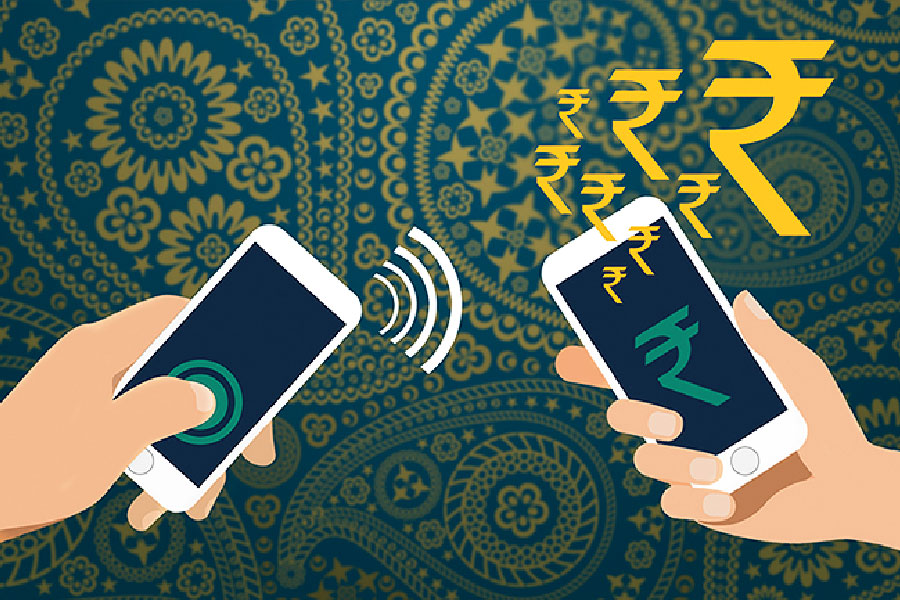
Digital payments: A game changer for Indian MSMEs?
India is stepping on the gas in terms of digital transactions, much in line with other major economies who are already experiencing the benefits of going cashless. The trend is proving beneficial for India’s MSME sector in particular, enabling them to ensure transactional convenience and widen their customer base. India has been adopting digital payments at a rapid pace over the last few years. Transaction volumes have been growing at a CAGR of 55.1% since 2015-16 to reach 34.3 billion in 2019-20. In terms of value, digital payments stood at Rs. 1,623.05 lakh crore in 2019-20, growing at a CAGR of 15.2% during the same period. In between 2018 and 2019, as per Razorpay’s report, growth of digital transactions has been 338%. Razor-Pay Co-founder and CEO Harshil Mathur affirmed that a major factor in the growth of digital payments has been the Unified Payments Interface (UPI), which has dominated all transaction modes. Sectors at the front line in terms of adoption of digital payments were food and beverages, transportation and financial services. In April 2020, the number of digital payments through UPI declined to 999.6 million from 1,325.7 million in February 2020. However, the volume rebounded to 1,336.9 million in June 2020. Similarly for BBPS and NETC, the volume fell to 12.7 million and 10.3 million in April 2020, with a rebound to 17.6 million and 81.9 million respectively in June 2020. The inflexion point for the surge in digital payment methods including UPI, mobile banking and wallets was demonetisation, when 86% of the currency in circulation in the Indian economy was scrapped. Before demonetization, the main purpose of debit cards was to withdraw cash from ATMs. However, after the policy action, there was a surge in debit card payments. As per RBI data, the debit card’s use at point of sales increased by 83% between November 2016 and August 2019. The Indian government has been taking more steps focused on making the country a cashless economy. For instance, it has introduced low cost digital payment modes including BHIM UPI, Aadhaar Pay, NEFT, RTGS and many more. Furthermore, it has included a provision in which firms having a turnover of more than Rs 50 crore a year should provide low cost digital payment modes to their customers. Also, Merchant Discount Rate (MDR) would not be imposed on merchants who abide by this provision. This provision’s purpose is to boost UPI and Aadhaar-based transactions in the organized retail sector. Furthermore, RBI has also played an important role in making the economy cashless. Some recent initiatives of the bank to increase confidence of customers in digital payments include EMV chip and PIN-based cards, facilitation of switch off/on cards and tokenization. Following policies by the government and increased digitization of businesses, it is projected that digital payments in India would grow 3 times to Rs. 7,092 trillion by 2025. Mirroring a global movement Going cashless has become a norm for countries across the globe, to reduce burden on currency printing and bring down black money inflows. Sweden is expected to be the first country to go cashless, with 87% of the citizens in the country having access to internet banking in 2019. The country is tech savvy with almost every buyer accepting digital payments. Swish, the digital payment app, has 6.8 million users in the country with total population of 10.9 million. Sweden’s move to go cashless has played a major role in the reduction of cash robberies. Cash-in-transit robbery dropped from 58% in 2009 to 1% in 2018. Similarly, bank robberies have reduced from 77% in 2009 to 11% in 2018. In China, around 86% of the citizens use digital payments over cash. The country’s advanced technology ecosystem has complemented the rising use of digital payments. In 2019, China possessed more than half of the world’s 4G base stations. Also, innovations including QR code, AliPay, WeChat Pay and many others have helped China bring down its dependence on cash payments. India has a lot in store if it accelerates digitisation of transactions. The progression towards a cashless economy offers convenience in terms of ease of transactions at a high speed from any location, saving of time and paperwork, automatic generation of digital footprint and reconciliation of human errors. It is also easier for the government to track evasions in tax payment when transactions are getting recorded. Arguably, the most transformative impact of digitisation is on India’s enormous MSME sector. By plugging in to e-commerce platforms, they can access a large customer base. Missing the digital bus gets all the more untenable considering that customers are now increasingly preferring digital modes of transactions. Also, digitization provides a record of the MSMEs’ credit history, which makes it easier for them to get credit. On top of that, frauds and duplication in payments would reduce as the economy shifts more toward digitization. The ‘Indian MSME Impact Report, 2019’ by fintech company Instamojo concluded that transactional convenience and monetary incentives to customers were creating value for about two-thirds of the MSMEs surveyed. Another 20% saw value from customer preference for digital payment technology, data security, and synchronization. It is evident that the benefits of becoming a part of a robust digital payment ecosystem are recognized by MSMEs. From that perspective, COVID-19 is simply accelerating a shift to digital payments that were already underway, and more and more companies are realising the cost of not taking the leap. Going forward, MSMEs that leverage digital technology will be better positioned to ride the wave of economic recovery and lead growth from the front.
Promoting Indian malt whisky globally will take a lot of work
Given its food security issues with barley, India defied global whisky conventions to successfully build an industry from molasses. Paul P John, CMD, Paul John Single Malts admits that while they are managing to export small quantities for private bottling/blends, Indian aged malt whisky companies will have to work on consistent quality for the next few years to be in the reckoning. IBT: India has not adopted the concept of selling indigenous aged malt spirits to its consumers as branded products till date. Why is this so? Paul P John: India has been selling indigenous aged malts since the late 1990’s as branded products, but never really focused on building brands as we know today, and as Paul John Single Malt has done. Creating a global brand is one of the toughest and most expensive missions to embark on with continuous deep investments that pose a big challenge. IBT: What are the reasons for the high popularity of the IMFL segment and Indian players not following the process of whisky making like other leading producers, i.e. using malt spirits and ageing process? Paul P John: Alcohol is made from a source of sugar that is abundant. Scotland-made whisky from barley as it was grown in abundance there, Americans make whisky from corn and so on. We, in India, found our sugar source from molasses and hence, created an IMFL industry. At that time, barley was a food grain necessity for the country with priority for alcohol being relatively low. This may not have conformed to the world’s definition of whisky-making but has worked for us in building an industry. Further, India is a very price sensitive market and hence making grain, malt or cereal based whiskies would not have been economically feasible back then. Even locally aged whiskies are in the premium segment and not mass market. Yes, it has taken time, but we are finally here. IBT: What are the key challenges in the development of the malt spirit industry and the major reasons for dependence on scotch imports? Paul P John: We are an agrarian economy and still dependent on monsoons, and price fluctuation of ingredients is still driven by supply and demand vagaries. Till the time this is streamlined with near guaranteed source of continuity, it will continue to be a major challenge. Scotch imports bring in amplified value and hence have found its merit through ‘blended with Scotch’ products in India. Further, Scotch bottled in India is another important segment of the market and is considered a stepping stone on the quality ladder for the consumer. IBT: Foreign companies have promoted the concept of “Blended Scotch Whisky” to their benefit to promote exports of scotch to India. Can it be the other way round for Indian malts? Paul P John: We have been supplying aged malt in bulk in small quantities for private bottling or for blends. But it is too early to say if the world will start importing Indian Malt to blend in their products because of one recent worldwide recognition. We have lots of work to do, especially in the area of consistent quality for the next few years to be in the reckoning. IBT: Do Indian origin packaged aged Blended/Single malt spirits have good export prospects? Paul P John: Of course, we are now available in 40+ countries, several Duty Free stores and some cruise lines in India and overseas and see bright prospects, with lot of headroom for growth. An entrepreneur by choice, Paul P John was born in Kerala and ventured into the alcohol beverage industry in 1992. His zeal to surpass the ordinary led him to create a range of exceptional single malts, fine whiskies & wines through his brand, John Distilleries. Established in 1996, within a short span of just over a decade, under the commanding guidance of Mr. Paul P John, its reach spread from his headquarters in Bangalore, Karnataka to all neighbouring states. Today, the company is the 4th largest liquor company in the country by volume with a production spread across 8 locations & 7 states in India and an annual turnover exceeding Rs. 700 crore. The brand is also globally acclaimed and has to its merit several international awards. To this end, Mithuna by Paul John, was declared the world’s third finest whisky by the famous English writer & whisky connoisseur, Jim Murray.
Indian edtech: Are we celebrating too soon?
Indian edtech has seen a surge in fortunes post-COVID, but beyond a few success stories, startups must factor in unique intricacies of the business model to be able to outlive the pandemic. Besides, companies have to devise ways to coexist with the traditional education ecosystem, which enjoys the faith of parents over several generations. A number of edtech startups have mushroomed across India in the past few years. VC funding in these startups has grown from US$ 81 million in 2015 to US$ 404 million in 2019. The sector has created quite a buzz after digital learning witnessed huge traction post the shutting down of schools due to COVID-19. VC funding in edtech for the first half of 2020 has exceeded the entire amount for 2019 by nearly 150%. However, the funding patterns of edtech startups are quite skewed. Only around 4.17% of startups that launched between January 2014 and September 2019 have managed to raise funds, while Byju’s alone has grabbed 65% of the funds raised in this period. This raises questions on how dynamic and sustainable the sector will be, once the COVID era is behind us. Startups in this sector have to manage a difficult trade off between scale objectives and building a strong edtech brand. Also, they need to find ways to coexist with the existing education ecosystem, that enjoys the faith of parents over generations. In 2018, the World Bank mentioned in its ‘World Development Report 2018: ‘Learning to Realise Education’s Promise’, that schooling without learning is a wasted development opportunity. The study noted that India ranks second after Malawi in a list of 12 countries wherein a grade two student could not read a single word of a short text. India also tops the list of seven countries in which a grade two student could not perform two-digit subtraction, something that the bank defines as a learning crisis. The higher education sector is equally challenged. For instance, not a single Indian university found a spot in the top 300 universities on The Times Higher Education World University Rankings 2020. Similarly, Indian institutes have seen an average decline of 12 ranks in the latest QS World University Rankings. Clearly, there is much ground to cover if India wants to achieve its stated aim of becoming a global repository of knowledge and attract foreign participation in the sector. Beyond the rankings, the key concern is that a large numbers of students are unable to make use of the knowledge channels available to them. This has been attributed to problems such as a one size fits all approach, lack of innovation, skewed teacher-population ratio and lack of variety in courses. Sensing opportunity for value creation in the sector, a number of Indian edtech startups have emerged that promise to revolutionise the education landscape. Over the past few months there is a sudden wave of enthusiasm for these platforms, given the restrictions placed on the good old halls of learning. There seems to be a widespread consensus that this model is rewriting the script for the classrooms of tomorrow. But is the overexuberance truly justified? Edtech startups: At the cusp of the hockey stick curve The onset of the pandemic has been a particularly opportune time for Indian edtech startups, ushering in a phenomenon known in business & finance parlance as the ‘hockey stick curve’. This situation refers to sudden dramatic rise — in sales, profits, EBIDTA, etc. — after a relatively flat period. The mass shift to online mode of education served as an inflexion point. Investments in edtech startups were growing at a CAGR of 49.4% between 2015 and 2019. In just the first half of 2020, they have grown by nearly 150% as compared to the entire calendar year 2019. Several startups, which earlier struggled to entice consumers, recorded robust growth in new users, traffic, engagement, renewal, and course completion rates during this period. According to a recent report by RedSeer and Omidyar Network India, edtech users – both paid and free unique users – in K12 and post K-12 segments have doubled from 45 million to 90 million. While there was a massive 83% jump in the paid user base, there was a 40% rise in willingness to pay. The study estimates that online education offerings across Classes 1 to 12 are projected to increase by 6.3 times by 2022 to reach US$ 1.7 billion; while the post-K12 market is set to grow by 3.7 times to reach US$ 1.8 billion. Source: Venture Intelligence The sector has emerged a key area of focus for investments, with several venture capitalists seeing it as the next big thing. From 26 deals in 2015 amounting US$ 81 million in 2015, the sector witnessed 31 deals in the first half of 2020 amounting to US$ 998 million (till July 31). As on June 26, edtech was the leading sector in terms of venture capital (US$ 795 million), thereby superseding travel (US$ 722 million), real estate tech (US$ 597 million), fintech (US$ 597 million), food and beverages (US$ 437 million), e-commerce (US$ 393 million) and healthcare (US$ 376 million). The rise in investments was led by Byju’s, Vedantu, Unacademy and Toppr. Top edtech startups receiving VC investments in H1 2020 Company Investor Amount (US$ mn) Byjus Classes Tiger Global & General Atlantic 500 Unacademy Steadview Capital, Blume Ventures, Nexus Venture Partners, Sequoia Capital India, General Atlantic 110 Vedantu GGV Capital, Coatue Management, WestBridge, Omidyar Network, Tiger Global 100 Toppr Foundation Holdings, Kaizen PE 47 Source: Media reports Dispelling the shadows of darkness In theory, the edtech sector has adopted a number of m0dels, which are showing promise in terms of improving learning outcomes for students. Through personalised learning algorithms that allow services to adapt to each user’s pace and needs, companies like Vedantu allow tutors to draw insights about every student’s progress and hence undertake corrective interventions. Besides expanding reach of education across the country, another challenge they can potentially help tackle is the low teacher-student ratio. According to a
