

Priyanka Singh, Director, Taj Agro, opines that corporates should lease out their land and provide better competitive rates to farmers for their products. They should also impart training to horticulturists related to modern technology techniques being employed in horticulture. This would also improve the living standards of farmers to a great extent. IBT: How have India’s horticulture exports progressed in the global market over the years? Which are the major product categories where India has been able to penetrate global markets? Priyanka Singh: India’s horticulture exports have seen phenomenal growth in last few decades due to many positive factors: Our farmers have increased the use of hybrid seeds, plants, saplings, advance sustainable harvesting techniques etc. from research institutes like PUSA; which have high yields as compared to traditional methods of farming. Farmers have now gradually started shifting from traditional farming to horticulture crops such as guavas, bananas, mangoes, dragon fruits etc. This leads to avoid price barriers and oversupply in the market; whilst still keeping demand for the traditional crops and sustainable prices to avoid losses. India’s farmers have now started using new technology for organic manure production, vermicompost, yearly crop diversification, soil testing, green house production of fruits and vegetables, consulting agri scientists via Centre for Agriculture and Rural Development (CARD), drip water irrigation, solar water pumps etc. This is constantly helping them to produce high value nutritional horticulture products as per global standards and that is why India’s products have niche presence in the international markets. Indian farmers are opting for modern methods of cold storage for high value fruits and farm produce, better transportation, standard packaging in order to meet up export standards. Further, farmers are adapting to ISO 22000 standards along with the standard set by Agricultural and Processed Food Products Export Development Authority (APEDA). According to the latest market research and GDP stats, India is becoming one of the major international destinations for quality food procurement and also becoming world’s largest producer of several high value horticulture products and crops like spices, cashew, cashew nut shell liquid, Kashmiri saffron, fruit-vegetable seeds, fresh fruits, vegetable oil, fresh vegetables, processed vegetables, processed fruits and juices, floriculture products, tea, coffee, Ayush/medicinal and herbal products, cocoa, bonsai trees of mango, lychee, Tofu Cheese (Soya) and exotic fruits. IBT: What markets are we serving presently and what potential markets can be explored for exports? What are the challenges to expanding in these markets? Priyanka Singh: India is a leading exporter of high value nutritional horticulture products to major MENA destinations like UAE, Saudi Arabia, Egypt, Iran, Iraq, Israel, Jordan, Kuwait etc. Along with it, we can explore European nations like U.K, Germany, France, Sweden, and Russian federation in future. Major challenges for expansion are as follows: India needs to form better bilateral trade with major European countries and Russian trade federation. Transportation cost may be on higher end, which may create issues for large volume exports. Better facility of inter-transit cold chain storage at shipyards and airports; more promptness at airport and cargo clearance are needed. Many exotic fruits are cultivated in India’s north east region but due to logistics and low-price margin, farmers are unable to present it globally. Inland rail connectivity may improve logistics in more farming-based zones in India. Pricing, assured payment and active banking channel needs to be formed, which is till date problem for small agro company exporters as most of companies in Europe don’t trade in Letter of Credit (LC) and bank guarantee. IBT: What are the major changes in global trade of horticulture post-COVID? Priyanka Singh: Due to Covid-19, global trade is at an all-time low and the consequent declines in trade and output is a painful consequence for all major business sectors. But restrictions on movement and social distancing, demand and supply chain disruption to slow down the spread of the disease meant that labour supply, transport, food delivery, and travel were directly affected. Whole sectors of global economies have been shut down, including horticulture trade activity. IBT: What are the opportunities for value addition, and what are the constraints exporters face in this regard? Priyanka Singh: We have immense potential in horticulture products exports which are relatively lesser known in the international markets like medicinal herbs, essential oils and other high value Ayurvedic offerings from India. There are a lot of next generation entrepreneurs coming in India in agri based segment, those who have high education and they all use modern technology and internet to promote their business, which is bringing positive feedback and better growth opportunities in the export markets. Along with this, new age entrepreneurs are educating horticulturists regarding latest market trends, modern sustainable cultivation method, online product promotion, new irrigation techniques, use of mobile based application for information forwarding etc. Further; more corporates should come forward in order to work directly with farmers (those are into horticulture) by leasing their land and providing better competitive rates for their products. The corporates could also impart training to horticulturists related to modern technology techniques being employed in horticulture. This would also improve the living standards of farmers to a great extent. The following constraints are felt by exporters: No one window approval solution for exporters and various licensing authorities. Presence of middle man brings additional cost disadvantage for end consumers. Less cultivation of high value products in horticulture segment despite of having age old tradition of growing medical herbs, Ayurvedic flowers, and exotic honey etc. Not enough corporate funding and direct purchase from horticulturists of India, especially mango, lychee, guava, banana etc.; which is grown seasonally mostly. Not enough buyers in horticulture products due to less awareness and advertisement. Timely transportation is big issue and due to this lots of fruits and vegetables gets wasted every year. More subsidy is required for dedicated horticulture growing farms to boost high value nutritional products. IBT: Albeit India produces more fruits & vegetables over cereals, it is the latter which are exported primarily by India? Why is that the case? How can
Assam tea needs to have special recognition
Dheer Shah, MD, Jivraj Tea Company, highlights a common issue that the industry faces in overseas markets – lack of knowledge of Assam tea. He stresses on the need for a focused brand building approach in this regard to establish a premium positioning for the product. IBT: How did the onset of Covid-19 impact your operations and exports, what strategies did you deploy to grapple with them and how is the international market for tea looking like at present? Dheer Shah: The advent of COVID-19 has changed the way businesses are being carried out everywhere. The orders that we had were placed prior to the virus at market prices. But due to the sudden imposition of the lockdown, we faced a paucity in the supply of tea at the base level. Consequently, for example, tea priced at Rs 200 per kg prior to the pandemic was suddenly being sold for Rs 300 per kg. But since our orders were placed before this situation, we had to honour our commitments and sell our products at the pre-pandemic prices. This, in turn, impacted the sales of our export shipment and we incurred substantial losses. The pandemic-induced lockdown disrupted our timely procurement of supplies and consequently dented our exports. Currently, the overseas tea market is booming with immunity-boosting teas in herbal and ayurvedic categories. Black tea is facing competition from countries like Vietnam, since their prices are quite low vis-à-vis Indian tea in international markets. While most tea exporters manage costs by blending in tea from Assam, South India & even Vietnam, it is difficult for us to reduce costs, since we deal in 100% pure premium Assam tea. IBT: How has the pandemic affected the demand scenario in the domestic market? How have customer preferences changed, in terms of tea brands/varieties, and why? Dheer Shah: While the demand for tea was quite stable in the domestic market, demand during the lockdown and out-of-home consumption (e.g. at offices, tea kiosks, soirees and restaurants) was almost zero. So, we saw a decline in consumption of certain categories of tea, which were primarily used for out-of-home consumption. COVID-19 has changed consumer preferences towards more hygienic and branded tea, which is a boon for the industry. While there wasn’t much change vis-à-vis brands that were consumed, green tea variants (like green tea with camomile for sleeping and green tea with mint for refreshment) and other immunity boosting teas saw a rise in consumption. IBT: According to reports, there has been a significant drop in the consumption of Darjeeling tea in the domestic market. What are the reasons for the same? Has the same trend resonated in the international market too? Why/why not? Dheer Shah: There has been a significant drop in the consumption of Darjeeling tea in the domestic market as well as the export market. Darjeeling produces only a certain quantity of tea, which is very less as compared to India‘s overall tea production. It is considered as the queen of teas. For a tea lover, there is nothing better than enjoying a good cup of Darjeeling tea. Due to the lockdown and restrictions, there has been a certain drop, but I don’t see a major challenge in reviving demand for Darjeeling tea. IBT: When is the demand likely to bounce back, in your opinion? Dheer Shah: This winter season should do justice to Darjeeling tea. Around 60% of Darjeeling tea is sold in India via online channels. E-commerce platforms sell the most Darjeeling tea after domestic trade. But coronavirus hampered the e-commerce sector’s operations too. Lockdown and shutdowns would have led to decrease in Darjeeling tea consumption. Hence, there might have been a drop because at that time, people switched to whatever other brands they could find. Also, owing to the drop in production during that period, there were challenges in exports of Darjeeling tea. IBT: What new product launches are you planning over the next few months and what changes are you making in your approach to market? Dheer Shah: A couple of product launches are in the pipeline over the next few months. We are very excited about these launches because we will be one of the few players entering the pyramid tea bag category. Our products will be 100% pure with no added flavours, preservatives, etc. We are launching India’s first detox tea without any salt. These products are being developed and will be launched by early December. It will be a very interesting to see how the market response will be to these products. We are also developing certain teas which help maintain overall health and also aid women in pregnancy. These shall be available in the market by February next year and as the Samara brand online. IBT: What strategies are you adopting to make sure that the tea is processed and packaged hygienically? Dheer Shah: We put in lot of efforts to make sure that our teas are not touched by human hands anywhere during the entire packing process. In fact, this has been a norm since the last 10 to 15 years for us. After blending, none of our teas are touched by hand; they are directly packed into consumer bags and are sold to the consumer. IBT: What are the major issues that the Indian tea industry faces currently, when it comes to production, supply and exports? Dheer Shah: A common issue that the industry faces in overseas markets is the lack of knowledge of a consumer towards our premium Assam blend. People there have a mentality that Indian tea is one of the cheapest, which is not true. The Tea Board of India needs to be roped in to promote our tea producing regions. It also needs to create a special recognition for Assam tea. That kind of marketing and brand building towards Assam Tea is very much the need of the hour. We need to produce more and more quality tea for Indian consumers as well as
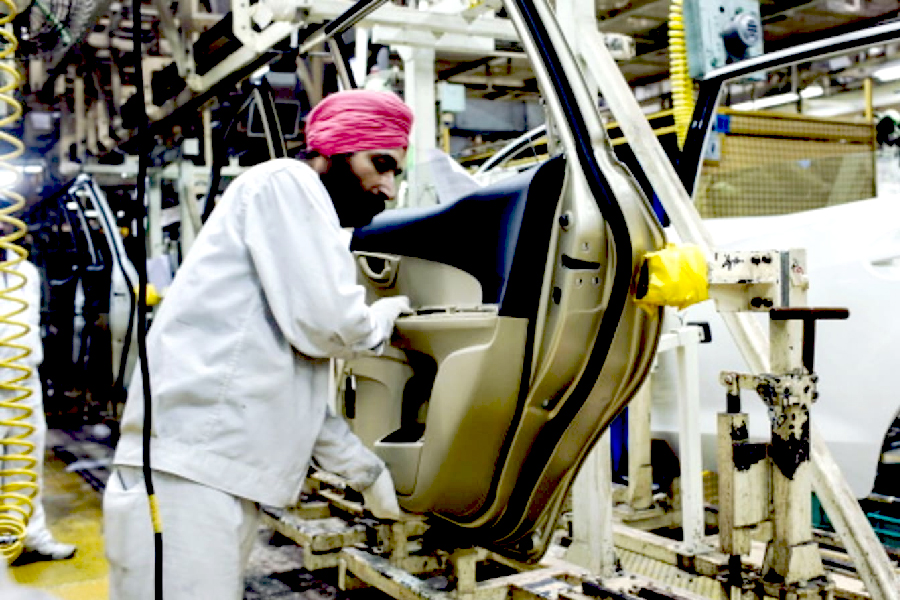
India’s Manufacturing PMI: Genuine recovery or festive spirit?
Manufacturing PMI data reached a record high for India in October 2020, reflecting pent-up domestic demand, a positive sentiment due to the festive season and optimism on a possible uptick in exports in the coming months. India’s manufacturing PMI has risen to a high of 58.9 in October as compared to 56.8 in the previous month, indicating the strongest increase in 13 years. Manufacturers seem confident that the surge will continue in the coming months, as businesses are ramping up on input purchases and restocking. However, analysts caution that the present trend does not show a sustained recovery, as it seems to be driven largely by festive season and pent-up demand. Globally, the recovery is varied across markets, as rising COVID-19 cases and fragile consumer demand in key markets continue to cast a shadow over manufacturing sector recovery. Image Credit: https://tinyurl.com/y62x3qbo India’s manufacturing PMI has risen to a high of 58.9 in October, indicating the strongest increase in 13 years. The corresponding figure on the IHS Markit India Manufacturing Purchasing Managers’ Index in September was 56.8. The index had gone into contraction mode in April this year, after 32 consecutive months of expansion. But it has returned to expansion mode in the past 3 months. Pollyanna De Lima, Economics Associate Director at IHS Markit, commented, “Levels of new orders and output at Indian manufacturers continued to recover from the COVID-19 induced contractions seen earlier in the year, with the PMI results for October highlighting historically-sharp monthly rates of expansion.” Manufacturers seem confident that the surge will continue in the coming months, as businesses are ramping up on input purchases and restocking. The same is also attributed to improved demand conditions, and relaxation of COVID-19 restrictions. Companies also seemed hopeful of witnessing the end of COVID-19 cases and reopening of other sectors by the end of the current financial year. On the negative side, adhering to COVID-19 restrictions has led to continued drop in payroll numbers. Suvodeep Rakshit, Senior Economist, Kotak Institutional Equities, adds, Given that PMIs are dependent on the current state of orders, the festive season demand as well as pent-up demand would have contributed to the surge in sentiment as well as production levels. Global demand, which has been recovering faster than domestic demand would also contribute to the strong readings in PMI in September and October. The recovery trend is also evident from core sector data. Eight core sectors had recorded a decline of 0.8% in September, the lowest contraction since March 2020. Electricity and steel output showed positive growth for the first time since March 2020, while coal improved for the second consecutive month. Cement also showed its lowest decline by 3.5% YOY since March. New car and SUV sales have witnessed a turnaround in October, a critical indicator of market demand. Maruti Suzuki recorded a growth in dispatches to dealers by 17.63%, while Hyundai and Kia witnessed their highest ever sales numbers. Tata Motors performed even better, showing an increase by 79.33% during the month. Besides cars, manufacturers have shown confidence in demand growth during the ongoing festive season, in sectors like FMCG, electronics, fashion, health & hygiene products and jewellery. E-commerce firms are expected to benefit significantly from this revival. Research firm RedSeer expects that the gross merchandise volume registered by e-commerce retailers could nearly double to US$ 7 billion in this year’s festive season, compared to US$ 3.8 billion last year. However, Aditi Nayar, Principle Economist, ICRA, Ltd, cautions: In our view, several sectors are showing signs of an upturn that is being fuelled by pent up demand and inventory building ahead of the festive season, as well as a favourable base effect. Such trends may not sustain after the festive season is over, and momentum may flag after December 2020. We await concrete signs of a durable uptick in demand. On the other hand, exports are being seen as a possible driver as well for increase in manufacturing activity, as some other countries are recovering at a faster rate. Dr Rucha Ranadive, Economist, Care Ratings, comments: New orders have highest 30% weightage in PMI that also includes export orders. In October 2020, export orders registered highest rise in the past six year (since December 2014). Globally, many countries have shown signs of economic recovery. The pandemic seems to have contained in some of the Asian economies leading to softer restrictions and opening up of businesses. As a result, the demand recovered paving way for export orders. This has already been seen in September and could have persisted in October. An uneven global recovery PMI numbers for the month of October across the world, however, show significant variance across major economies, as shown in the graph. Brazil has also shown an all-time high PMI OF 66.7 in October, with record-high or near record-high expansion in output, new orders, exports and employment. Currency depreciation improved competitiveness, but also raised the prices of imports and consequently, manufacturing costs. Germany (58.2) has also shown strong expansion in manufacturing PMI readings, with an all-time high in both domestic and export orders. On the flip side, the rising coronavirus cases in Europe could dampen sentiment, and the recovery for consumer-facing businesses looks weak. Source: Trading Economics; figures for October 2020, *Composite figure Manufacturing in the ASEAN region remains in a downturn, with an overall PMI of 48.6. This reflects continued decline in new orders, and production, leading to sustained shedding of jobs. Four of the seven countries showed a deterioration in conditions, with Thailand, Vietnam and Singapore registering improvements. Russia also showed a weak manufacturing PMI of 46.9 in October, led by weakening domestic demand conditions, fall in output and continued uncertainty wrt the COVID-19 pandemic. The US is relatively stable at 53.4, even as clients have shown reluctance to place new orders till the declaration of the Presidential election results. As expected, China’s manufacturing sector has seen a decade high in October, as people spent quiet liberally on travel, leisure and shopping during the Golden Week

“We are in an era of content, community and commerce”
Anirudh Singla, Founder & CEO, Pepper, shares insights on the ‘content divide’ that businesses face today (especially in the post-COVID context), and how a content marketplace like Pepper can better fulfil their objectives of market differentiation in the digital domain. IBT: What was the inspiration or market insight in your mind when you started Pepper as a content platform? Anirudh Singla: When we were conceptualising Pepper, I sensed an evident need in the market, and felt that content is going to become huge; with every business scaling it up for themselves. So it is going to be a key part of what they do as a part of marketing. So I thought it will be best for us to create a platform that enables transactions between both the supply and demand sides. We found that there were tailwinds for us on both sides. IBT: How has the journey progressed for you so far, and what has been the key inflexion point for your business? Anirudh Singla: At this point of time, as business models evolve, the vision also expands. Initially, we were looking at just text-based content and a network of writers. But later we realised that graphics and video are emerging as a bigger market, where more and more people are interested. So we spent a lot of time and energy on how we can scale that up as a segment. The vision evolved into something bigger. Eventually, we should be taking this to become a global company. India has huge opportunity in the content space. For a market like the US, 80-85% of the supply comes from Southeast Asia. So evidently, a large market has been set up already, which just needs a big push. And that’s where Pepper can come in. IBT: Along with the digital divide, can we also say that there is a content divide today? What factors have made content indispensable for business? On the other hand, the internet is said to have proved to be the death knell for traditional journalism. But how does the medium fare as a better platform for content creators today? Anirudh Singla: Today, we live in an era of content, community and commerce. Most organisations are now going digital. So what is that one differentiating factor, given that you are in the trade industry? The product can be a differentiator up to a certain level. But eventually, which companies are able to aggressively market themselves better and gain a bigger share? There content plays a key part. Opportunities for content creators are even better now, because there is better discoverability for them. With platforms like Pepper, we have empowered over 35,000 content creators across segments. For us, the standard is very high in terms of the quality that we work with. IBT: What are the key USPs for Pepper, and how does it fare in comparison to other content marketplaces on the net today? Anirudh Singla: In a nutshell, Pepper is what you can call a managed marketplace. You look at an open marketplace like an Upwork or a Fiverr. The issue with these is that they are open marketplaces. You have to spend a lot of time to find the best freelancer. Then accordingly, you talk to them and give them a brief. Companies often find it tough to manage freelancers and do regular follow ups with them. With one bad quality output, the relationship can get discontinued and then you have to restart with someone else. This is where Pepper comes in. We say that we give you a managed service end-to-end. There is no interaction between the freelancer and the business. Through our intelligent platform, we manage the best fit project of the business with the best fit content creator. Our mandate is to break down the expectations into as many parameters and allow both parties to communicate in a structured way. So if you are giving an order on Pepper, you are giving a very structured, detailed brief. So parameters are well defined. We build this strong workflow operations platform that helps us scale up content volume. For example, we are a platform that can do 3,000 articles in one month. This would otherwise have taken 2,000 freelancers and around 10-12 agencies to do. So that level of scale and operations excellence is something that defines Pepper a lot. IBT: What kind of content categories are most in demand on your platform? Anirudh Singla: From a platform perspective, blogs, SEO and social media content have a lot of potential. It is among the highest chunk. Language is coming up massively. A lot of folks want Indian language and foreign language content. We have just started graphic design, which is a very big opportunity right in front of us. There are also interesting demand categories like thought leadership. People want to create personal brands on the internet, and they are open to paying around that. At the senior level, they do not have the time to curate such content. That’s where we have been helping them. IBT: Post-COVID, how has business changed for you, and what are your future plans? Anirudh Singla: COVID has been a great scaling factor for us. More and more brands have understood that content can be done remotely. Relevance of content has increased, and is expected to keep increasing. More and more freelancers have also come up. The way forward is interesting, as we will be launching a full stack product that was in private beta next month. Anirudh Singla (21) is the Founder and Chief Executive Officer of Pepper Content, one of the leading content marketplace platforms that connect businesses with content creators. With the extensive talent network, the platform consists of a two-sided managed marketplace for creative professionals like content writers, graphic designers, language specialists, editors; where creators get matched to the best fit content projects from businesses. Anirudh and Rishabh Shekhar, who were batchmates at BITS Pilani, founded Pepper Content with

Australian businesses recognise India’s long-term growth potential
The Hon Barry O’Farrell AO, High Commissioner of Australia to India, is confident that Australia is well placed to fulfil India’s investment needs, given that the former is the world’s fourth largest pension funds market. He further elaborates on key opportunities for bilateral collaboration in areas including food processing, education, energy, EVs, telecom and Industry 4.0. IBT: Recently, India and Australia engaged in an India-Australia leaders’ virtual summit and extended the bilateral Strategic Partnership concluded in 2009 to a Comprehensive Strategic Partnership (CSP). What is the rationale and the key areas that will benefit the most from this revision? Barry O’Farrell AO: Australia-India ties are at historic highs. By elevating our relationship to the level of a Comprehensive Strategic Partnership, India and Australia have cemented what has been a rapid deepening and broadening of the relationship. The partnership also shows our commitment to working even closer together to pursue a shared vision for the Indo-Pacific region – to ensuring that the region is secure, open, inclusive and prosperous. In addition, our Prime Ministers signed eight high impact, practical agreements to advance strategic and economic cooperation. These agreements ranged from maritime and cyber security to critical minerals, education and water management. These agreements will deepen our strategic and economic cooperation, at a time of unprecedented global challenges. IBT: India is undertaking reforms in various sectors, creating an environment conducive for business and FDI. How do you see it impacting Australian investments in India and what is their view on India as a market from a long term perspective? Barry O’Farrell AO: In responding to the economic challenges of COVID-19, we have seen India adopt fundamental reforms that have opened up its sectors to new investments. Reforms in India’s agricultural sector create opportunities for Australia to invest in India’s agricultural supply chain infrastructure, including in food processing, logistics and bulk storage solutions. Similarly, India’s program of divestment of quality government owned assets will continue to present opportunities to Australian investors, including through India’s National Investment and Infrastructure Fund (NIIF). Recently, we hosted some of Australia’s largest investment funds – collectively managing assets of more than AUD 736 billion (INR 38 lakh crore) – in exploring investment opportunities in India with the NIIF. The virtual delegation follows in-person tours to New Delhi and Mumbai in 2018 and 2019 facilitated by the Australian Government, and delivered on a commitment made between Prime Ministers Modi and Morrison in the June virtual summit support knowledge and network building among investors. Australia is well-placed to support India’s investment needs: Australia finished 2019 with the world’s fourth-largest pension (or as we call them, superannuation) funds market in the world, valued at AUD 2.95 trillion (INR 150 lakh crore). There is recognition among Australian businesses that over the long term, India’s economy is destined for considerable growth across a range of sectors. We welcome further reforms to increase investment attractiveness and ease of doing business. IBT: How are Australian companies looking at their global value chains in the post-COVID era? Which sectors in India could witness a surge in Australian investment and why? Barry O’Farrell AO: COVID-19 introduced enormous challenges to global trading – and shone a light on the risks of overdependence on a single market for both suppliers and customers. Market diversification to manage those risks and build supply chain resilience is high on businesses’ agendas. There won’t be a sudden surge in investment as supply lines take time to shift. However, there have been several notable investments made into India’s growing e-commerce sector this year, which is proof some of the world’s largest companies have confidence in India. This will flow through to others. IBT: How is the establishment of an Australia-India Food Partnership expected to open up new opportunities and benefit the food processing sectors in both countries? Barry O’Farrell AO: Australia and India have been partners in food and agriculture for a very long time and we continue to progress each other’s market access requests, creating the environment for greater trade and investment, including in food processing. Our overseas investment agencies support this through the great work they do in fostering and developing business ties. Both countries have made strong progress in market access matters over the last 12 months for the benefit of our exporters and farmers. Australia has granted access for the import of Indian pomegranates and approved an additional facility for the export of Indian mangoes to Australia. Similarly, India has made changes to accepted quarantine treatments for Australian malting barley and horticultural products. Together, we are also exploring long‐term collaboration in grains management. There are many other opportunities, which will provide consumers in Australia and India with greater choice along with trade benefits for our economies, and the livelihoods of our farmers. IBT: India is currently Australia’s 4th largest export market. How is its role expected to evolve going forward, and what are the major opportunities that Australia would like to explore for enhancement of exports? Barry O’Farrell AO: Going forward, Australia’s goods and services exports can support India’s economic growth. The counter-seasonal supply of agricultural produce is a big strength of our trading relationship. India is an agricultural powerhouse in its own right, but where there are shortfalls in domestic production, our exports are able to meet India’s demand for a wide variety of foods and agricultural products. And this goes both ways. Our growing two-way trade in agriculture means consumers in India can enjoy Australian walnuts, almonds, and beer made from Australian malting barley, to name a few. Australian consumers can likewise savour Indian mangoes, table grapes and – more recently, following completion of an import protocol – pomegranates. With world-leading innovation, technology, productivity, knowledge, research and development, we can also export our know-how along with our agricultural goods. Australia also has great potential to be a reliable energy partner to India. We can help India meet its energy demand by supplying high calorific coal, liquefied natural gas, and potentially in the future, hydrogen. As India transforms towards cleaner technologies,
With cloud computing, SMEs can overcome tech deficiencies
Ashutosh Sharma, VP & Research Director, Forrester, feels that the COVID-19 pandemic has challenged the assumptions of IT leaders around the resilience and scalability of their infrastructure. This has led to businesses adopting cloud computing for a variety of reasons. IBT: How has COVID-19 impacted the adoption rate of cloud computing across the world and for India in particular? Ashutosh Sharma: COVID-19 has made many organizations realize the limits of their existing technology strategies. The pandemic has challenged the assumptions that IT leaders had around the resilience and scalability of their infrastructure. Coupled with these limitations, the requirements of responding quickly have made firms adopt cloud for a variety of their needs. From adopting it to enable employees to work remotely, launching new applications quickly in response to COVID and even improving the scale of existing applications – businesses have embraced cloud computing. IBT: What are the drivers for this shift? Which industries have emerged as new growth avenues for cloud computing adoption and why? Ashutosh Sharma: In addition to the need to respond quickly and at scale – doing it securely and need to buy vs building it themselves have further driven adoption of cloud computing. This adoption has risen across all industries – however, the differences across industries would be in the specific use-cases that have become more popular across them. IBT: What benefits do DAAS and SAAS provide for Indian SMEs in particular, as they embrace greater levels of digitisation and formalisation? Ashutosh Sharma: DAAS as a solution has grown in popularity during the pandemic as firms are looking to enable their employees to securely connect to their applications. However, as such this solution is not that popular among SMEs. The primary reason is that the cost of a cloud-based desktop is an additional cost over and above the desktop investments. SMEs are going to adopt DAAS only in certain limited use cases where mobility, security, connectivity, performance benefits outweigh their costs. SMEs in India are primed for cloud-based applications. Our research shows that one of the biggest stumbling blocks for SME digitization is availability of skills and their tech maturity. With cloud-based applications, SMEs can obviate that need. Not as much the infrastructure-as-a-service but SaaS is clearly a winner among them. IBT: With the government aggressively backing Digital India, what role is cloud computing playing in governance, and how do you see its role getting transformed in the coming years? Ashutosh Sharma: The Indian government is one of the leading governments when it comes to adopting technology for governance. Considering the variability across the states and lack of skills, which hamper some of the digitization – some of the government ministries and departments and a few state governments have adopted cloud to drive citizen experience. Some of the biggest examples are use-cases which Government has deployed on Umang platform. Digilocker, EPFO and various services by MORTH (Ministry of Road Transport and Highways) are all good examples of how Indian government services can be scaled to India’s large population. IBT: Indian startups like Freshworks and Zoho have achieved success with cloud solutions? What is your view on the potential of India’s startup ecosystem in this space going forward, and the opportunities for new startups going forward? Ashutosh Sharma: India has a very vibrant start-up ecosystem. The country has had B2C focused start-ups for a long time. However, in recent years, as Indian businesses have started to accelerate their digitization, we are seeing an emergence of successful B2B-focused startups. The number of Indian start-ups in AI, digital marketing, cloud solutions, robotics, AR/VR and other emerging technology areas has risen rapidly, and it is poised to grow on the back of demand from Indian businesses. The government has eased up some regulatory roadblocks for start-ups; however we still need significant regulatory simplification for this ecosystem to flourish. IBT: What are the scale up challenges for Indian companies when it comes to adopting cloud solutions, particularly considering the exponential rise in data-heavy businesses like OTT and edtech? Ashutosh Sharma: When it comes to cloud adoption, I believe that India has come a long way in the last 3 years. A couple of years ago, we had data residency issues with global cloud providers not having their data centers in India. Indian IT leaders also used to be very skeptical about losing control over the infrastructure and cloud security. We are well past these problems now. Today, India has a healthy mix of GSPs with enough competition to ensure very good price points and quality of service for Indian customers. The biggest challenge now is the lack of cloud skills in enterprises – barring few industries such as IT/ITeS, financial services, online retail and a few large conglomerates, others have struggled to launch and scale their cloud adoption. In some cases, even if they can adopt cloud for some basic applications or adopt SaaS-based applications, they lack the skills to leverage the advanced capabilities that cloud providers can bring to modernize the IT applications. IBT: Also, how effective is cloud computing today in addressing security issues faced by client companies and their customers? How are they working to resolve these issues? Ashutosh Sharma: As firms migrate computing and data resources to the cloud, security remains a top concern and priority for both operational and compliance reasons. But I don’t think this is a problem anymore, if firms abide by a proper framework. Forrester’s Cloud security Maturity Assessment include six major competencies and their weightings: governance (20%), measurement (10%), people (10%), process (10%), strategy (10%), and technology (40%) along with subsets of activities for each. We do a quick 20-question assessment for Security & Risk (S&R) professionals that aims to: a) Establish your firm’s maturity of cloud security b) Get actionable guidance on how to improve and expand cloud security coverage to reduce threat surface and protect cloud workloads and data more effectively. Once you complete the assessment, it will generate an overall maturity level between 0 (nonexistent) and 5 (optimized)
Edtech startups can explore a sales-or subscription-based business model
Anindya Mallick, Partner, Deloitte India, opines that the business model to be adopted by edtech startups is typically determined by the development cost of platform and content and whether funding is available to recover the cost over a period of time through a subscription model or there is a need to recover upfront through a sales model. IBT: Why are edtech startups seeing a record jump in fundraising activities around this time? How has the pandemic changed the business model for edtech startups? Anindya Mallick: The growth of Indian edtech sector can be attributed to the need to bridge the gap in the Indian education system to acquire skills and expertise required in the job market or to supplement classroom teaching to prepare for board, entrance and other competitive exams. However, during the pandemic, the edtech sector recorded phenomenal growth, which was largely driven by demand for online classes following the closure of education institutions. The sudden declaration of lock down, which went on for a prolonged period made educational institutions explore options for delivering lessons online to keep their students engaged and complete the courses. This led to an increased demand for edtech platforms and content, requiring edtech startups to explore options for significantly scaling up their operations to address the sudden demand. The need to suddenly scale up and also increase their portfolio of products and services made the start-ups take up fund raising activities. IBT: What can these startups do in bridging the gap in Indian education system and helping acquire the skills actually needed in the Indian job market? Anindya Mallick: Edtech startups, being on digital platforms, have the capability to reach students across the length and breadth of the country. Given the varying quality of education across the country, especially as one moves away from large cities to tier 2-3 cities and beyond, there is a need to augment the students’ skills and expertise so that these are aligned to industry requirements for getting a job or supplementary teaching required to prepare for competitive entrance examinations. The edtech startups provide platforms as well as content by which lessons from teachers having the requisite expertise can be delivered to students irrespective of location. As lessons are delivered digitally, the number of students are not restricted by the institute’s physical infrastructure and can be delivered at much reduced cost per student. The startups can develop standardized content by engaging highly qualified faculty and also make the lessons interactive through use of graphical designs to enhance the students’ user experience. This differentiates edtech content from the text book based approach followed by usual education institutions as use of technology in content is helpful for conceptual clarity, especially for students pursuing STEM subjects. Edtech startups can also cater to the market for upskilling and reskilling given the changing nature of job requirements on account of increased automation of industrial activities as part of the fourth industrial revolution. Edtech startups may find a ready market with organizations who will want online courses on digital platforms to be made available for upskilling or reskilling for employees to remain relevant and pursue their career growth. IBT: A lot of these startups have a ‘one-size-fits-all’ model due to their obsession with scale, which ignores factors like differences in learners’ grasping powers and variety in courses. What strategies can these startups adopt to these situations and offer customised solutions? Anindya Mallick: There is a market play for both large sized players who may be looking at the India as well as global market while there may be others who will be focusing on regional markets, which too can give sufficient scale. Edtech startups can differentiate amongst themselves by determining the markets they will play in and their service offerings. While there is a need for vernacular content based on student’s language preferences, courses can also be localised based on regional market requirements involving local faculty and addressing local industry’s skill requirements. Use of AI can today record students receptivity and grasp of lessons through interactive means and gaming techniques. Courses can be designed such that students who are identified as not able to keep pace with other students can be offered special support through additional classes, video conferencing with faculty, etc. Identifying the target user base and understanding their needs, constraints and challenges faced in current learning methods will provide insights based on which the edtech startup can design their service offerings along with their value proposition for addressing the market they will want to serve. IBT: A lot of education startups in India sell the dream of a promising job or admission in a premier educational institution to young minds in India. According to you, are these really successful, given the skewed pupil-to-teacher? Anindya Mallick: Given the varying quality of education offered by education institutions across the country which may be on account of course design, lack of attention to individual students on account of skewed student to teacher ratio, quality of faculty, institute’s infrastructure and available facilities, there is a need to offer preparatory services for competitive exams. These services are generally provided by coaching centres which have come up in cities and towns across the country. Edtech startups addresses this need by offering standardized online courses across their student base curated by faculty having requisite expertise. As part of their offerings, they conduct regular online assessments and mock tests, monitor student’s progress and offer customized support as required through virtual faculty interactions, extra classes, etc. Edtech startups using data analytics can assess the types of problems students are facing, categorize students facing similar problems and accordingly take corrective action through course redesign or change in teaching methodology. Given the benefits of reach, standardization of courses, access to quality faculty for curating and delivering online lessons and using of monitoring and analytic tools, edtech startups may have certain advantages over the traditional coaching centres in preparing students for competitive exams. IBT: What is your take on the impact of startup business
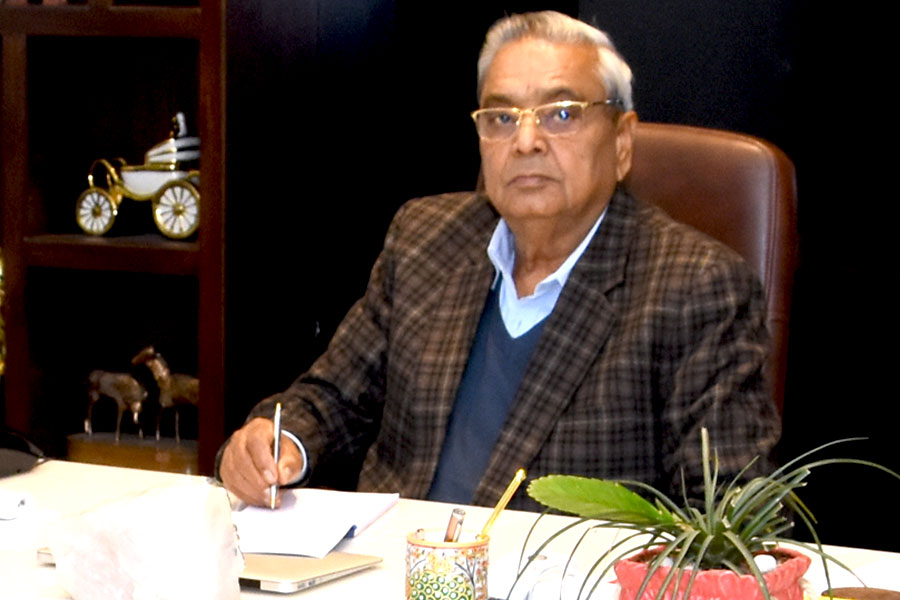
World saw India as a reliable supplier of rice post-COVID
Nathi Ram Gupta, President, AIREA, is confident of a new record in rice exports in the current financial year due to bans imposed by Thailand and Vietnam, higher production and higher buying by importing countries. But he also highlights that shipment costs, shortage of containers and NTBs are acting as constraints for exporters. IBT: India’s rice exports have grown at a strong pace in the post-COVID period. What are the major driving factors for this? Nathi Ram Gupta: Yes, it is true that during the post COVID period India’s rice exports have shown a very good positive trend. During the period April-August, 2020, for which we have DGCIS data available, this trend is vindicated aptly. Non-Basmati rice exports have grown by 84% over the corresponding period of 2019-20, while Basmati rice has shown an upward trend by 23%. Basmati rice April-Aug, 2019 Apr-Aug, 2020 YoY growth Quantity (MT) 1,654,510 2,034,642 22% Value (Rs crore) 12,621 13,659 8% Value (US$ mn) 1,771 1,709 2% Non-Basmati rice April-Aug, 2019 Apr-Aug, 2020 YoY growth Quantity (MT) 2,140,237 3,941,642 84% Value (Rs crore) 6,046 11,570 91% Value (US$ mn) 856 1,536 80% The major driving factors are: (a) During the COVID period competitors like Thailand and Vietnam did ban export for some time, whereas India did not place any kind of restrictions. This made the world realize and appreciate India as a continuous, uninterrupted and reliable supplier. (b) In non-Basmati rice, India’s production has been good and better than previous years, whereas countries like Thailand have suffered because of drought and resultant price rise. Today Indian non-basmati rice is better priced in the international market, contributing to good demand. (c) Due to uncertainty about the future owing to the impact of COVID, several import dependent countries resorted to higher buying to ensure food security for their population. While in non-Basmati category, African countries are buying huge quantities this year from India, Basmati rice is seeing higher exports to traditional markets of Middle East. But on the other hand, some countries in Africa and CIS have also bought significant quantities so far. IBT: Recent reforms by the government have allowed contract farming and freedom for farmers to deal beyond APMC. How is this expected to affect exports? Nathi Ram Gupta: On the face of it, the new arrangement is seen as a better option for everyone. But with some states not yet realizing the real benefits of the system as they are in opposition, it is too early to really make any comment on this. Exporters on their part are taking initiatives, but the results would be known only in due course. IBT: Basmati rice exports have been impacted due to payment issues with Iran. What is the present situation, and how are exporters managing the challenge? What mechanism is being worked out? Nathi Ram Gupta: True, Iran has been the top market for Indian Basmati rice with share of 30%+. This year, due to payment issues, there has been a drop in exports by 55% during April to August, 2020 over the corresponding period in 2019-20. But our exporters have stretched themselves and made extensive efforts to find alternative markets as well as strengthen their existing markets. The results are there to see, as is reflected in the data. Although the latest feedback is that probably that the issue of stuck up payment is being resolved by the Iranian side, AIREA has represented to the Government to evolve a suitable alternate safer payment mechanism for trade with Iran. IBT: What are the new market opportunities looking up for Basmati/non-Basmati rice exports for India in the post-pandemic situation? Do you see any significant change in rice consumption patterns in target markets? Nathi Ram Gupta: As mentioned, India today is being seen by the world as a very reliable and cost competitive exporter of rice, and this is why many countries are turning towards India. We foresee a great year ahead and by the end o the current fiscal year, we could see a new record high in exports of rice from the country. Yet, this does not take away the challenges and difficulties being faced by trade, for which we will continue our efforts with the Government agencies. IBT: How are shipment costs/delays impacting exporters? Also, any major NTBs that India is facing in this sector at present? Please elaborate. Nathi Ram Gupta: Shipment costs are rising primarily due to the fact that there is a shortage of containers. Containers used to come from China because we were importing large quantities of products in the core sector. As imports have now drastically reduced, it has impaled the supply and availability of containers. Shipping lines have also increased freight charges. These two factors are severely affecting exports, which could otherwise have been much higher. Presently the trade is struggling with a major NTB, which is the sanitary testing being imposed by various countries at par with EU norms for pesticide residues. Exporters have to incur a fair amount on getting the product tested and there is always a risk factor involved. IBT: What value addition/product diversification (i.e. exploring more product varieties) can Indian rice exporters leverage in your view, given the current global market situation? Nathi Ram Gupta: This is not really an issue for rice exports because there is a fairly large number of varieties of both Basmati and non-Basmati rice being cultivated in the country. The only major issues are of rationalization of freight costs, availability of containers, etc.
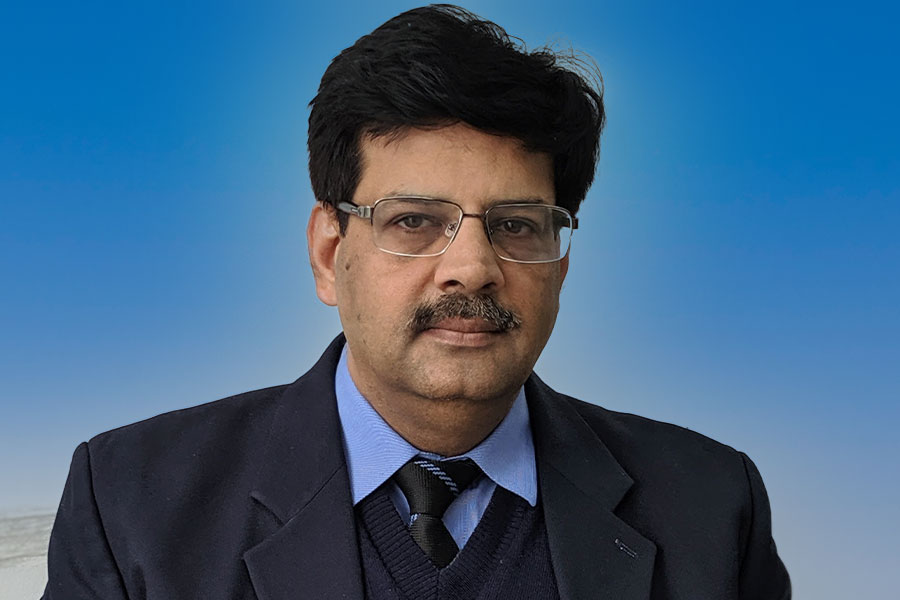
PLI scheme could boost prospects for fluoropolymers
Kapil Malhotra, Senior Vice President – Marketing, with Gujarat Fluorochemicals Ltd, is confident of market revival post-COVID for fluoropolymers across end-use segments including automotive, healthcare, electronics, construction and industrial processing. Moreover, the growing use of fluoropolymers in newer applications such as waterproof clothing, dental ware etc. will only take this trend forward IBT: What are the key competitive advantages that have helped GFL build an established global business in fluorochemicals? Kapil Malhotra: GFL has endeavoured to be the market leader by providing its customers the latest, most innovative and best available technologies, products and services. GFL provides “Value for money” to its customers by producing best in class quality products and selling them at a competitive price. Maintaining global excellence in quality, excellence in services & manufacturing practices, building and maintaining integrity with all its stakeholders and a continuous approach to enthuse all our customers through innovativeness have been certain ways to delight and deliver the values to our customer. Through its integrated operations and integrity built over the years with its customers, GFL has proven itself to be the most reliable and established leader in the Indian market. For global markets, GFL is considered as the preferred supplier because of its dealers’ network, excellent supply chain and warehousing networks. GFL emerged as a supplier, which develops products and applications through collaborative technical engagement from the conceptual stage till end use. IBT: How is the company currently placed in terms of R&D focus and outcomes vis-à-vis its global competitors? What have been the key R&D success stories till date, and what is the future direction of innovation you envisage? Kapil Malhotra: GFL has got its own research centre named GFRC, which is situated at Dahej, India. Our team of experts is constantly working to enhance the quality of products & making processes more efficient by developing newer technologies. We are a recognized global fluoropolymer supplier and our products are at par with the other Fluoropolymer manufactures. GFL has got a high customer retention rate & it indeed talks about the value we deliver to our customers. The centre has collaborations with renowned educational and research institutes such as Indian Institute of Technology and Indian Institute of Chemical Technology and has established two priority R&D focus areas: New Product Development Sustainable Manufacturing Technologies The Ranjitnagar R&D Centre, over the few years of its existence, has developed the dexterity required to support and sustain the business with one of the key competencies providing swift responses to customer’s investigations. Having an established credibility with major innovators in India and global markets, GFL’s Fluorospecialty products are well established in target markets. GFL has combined research and customer insights to create one of the industry’s broadest and most flexible portfolios of Fluorospecialties. Our solutions for the pharmaceutical and agrochemical industries are derived from extensive research capabilities with analytical development chemists engaged in Process Development. Our research team has done some significant breakthroughs. One such example is PTFE (Polytetrafluoroethylene) Micropowders. During the processing of PTFE, a lot of waste is generated at the processor’s end. To curb this problem, our research team developed a process by which we can convert PTFE scrap into PTFE Micropowders. PTFE Micropowders have got a market value and they can be used in an immense number of applications. Thus, in this way, there was a win-win situation in which the processors got rid of PTFE waste and through it, GFL developed a product, which has market value. Secondly, at GFL, we comply with the UNGC (United Nations Global Compact) Principles. We can proudly claim that our products are PFOA free, which has a detrimental effect on the lives of the people. Again, we owe this to our excellent research team. Our facilities are backward integrated and in future, we will try to make our processes more ecofriendly, besides adding more products to our portfolio. GFL has always preferred to focus of custom requirement and if required, take support in development of products to cater to their needs; delivering trust and value to the former and with continue to do so in the future. IBT: How has the COVID-19 pandemic, and the requirement of social distancing, impacted your business operations? How have the lockdowns and business disruptions affected your global supply chains, and how are you working to mitigate the impact? Kapil Malhotra: The world saw an economic slowdown because of the COVID-19 pandemic. Industries suffered huge losses because of lower requirements, turbulent supply chains and other dependent activities. GFL was affected too in some way. But by and large, with safety measures taken by the company management and following standard operating procedures laid down by the Government of India, GFL resumed its production at a fast speed to serve its customers. In fact, some of the GFL’s products, which cater to pharma industries are necessary ingredients for manufacturing of sanitizers and medicines for COVID-19 treatment. Hence GFL could not afford any kind of disruption in its production. All precautionary measures like PPE kits, sanitization of machinery and personnel, temperature checks and roster duty plans resulted in lesser number of people getting affected by the pandemic; thus increasing productivity and continuous workflow for the company. Since GFL has integrated operations, we did not face a major challenge in terms of raw materials. However, certain challenges were there in respect to supply chain, which was handled with meticulous advance planning. IBT: What is the material change that you are expecting the global market demand situation for fluoropolymers, fluorospecialties, chemicals and refrigerants in the post-COVID situation? Which are the major markets/product segments that are witnessing significant change in market demand and outlook (positive or negative) and why? Kapil Malhotra: We are witnessing encouraging signs for the revival and growth of global markets post-COVID. Production-linked incentives by Government under the “Atma-Nirbhar” drive for API manufacturing in pharma sector and specialty chemical sector will surely boost the requirements in the coming years. The global arena is witnessing a paradigm shift in the automobile and telecom sectors, with
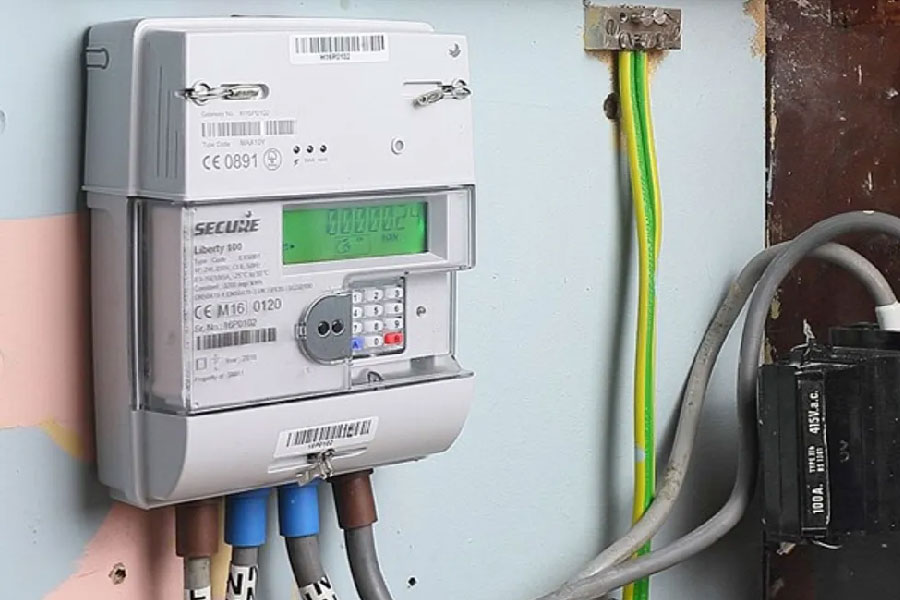
Smart meters: Powering a Rs 65,000 crore opportunity
Smart meters present a highly viable solution for India’s discoms, which are faced with humungous losses and ever-rising debts. With the government giving a strong push to a nationwide programme for installing 250 million smart meters, industry has a major business opportunity. However, interoperability issues with traditional metering, billing and collection (MBC) systems need to be sorted out. Photo Credit : https://bit.ly/3kd6BoJ Smart electricity meters are a convenient option over conventional electric meters installed at our homes. These meters have the provision of a two-way communication with the central system. They report energy consumption regularly at short intervals, and also provide information on voltage levels, current and power factor. They can help increase billing efficiency, enable remote billing, automatic outage reporting, ensure flexibility with time-of-use tariffs, and enhance possibilities of adding new revenue streams. Globally, utilities are expected to invest US$ 378 billion in smart grid technologies by 2030. Focusing on regions, the smart meter market with highest rate of growth is Asia Pacific, which is home to 60% of the global population. With the increase in demand for electricity, there has been been a shift from conventional meters to smart meters to save electricity and maintain transparency between suppliers and buyers. Also, concerns of increasing energy consumption has made the adoption of these meters more pronounced. Some of the major players in the smart meter market across the globe are Wasion Group (China), Sensus (Xylem, US), Siemens (Germany), Landis+Gyr (Switzerland), Itron (US) and Badger Meter (US). In India, the market for smart metering is expected to be US$ 19.98 billion in 2020. According to 2018-19 estimates, the per capita consumption of electricity in India is 1,181 kWh. Also, total production of electricity in the country stood at 1,371,817 Gwh in 2018-19. In comparison to the approximately 270 million traditional meters, India has only 3 million smart meters operational currently. On the other hand, the penetration is much higher for markets such as US (65-75%), China (40-55%) and France (60-70%). The main reason for this is the financial distress of discoms. India is expected to be an emerging market for smart meters. Under the Smart Meter National Programme, the government has aimed to replace the 25 crore conventional meters with smart meters. By providing real-time data to discoms, the smart metering system would help in spotting any theft or loss. It has been reported that most of the state discoms lose approximately 25% of the electricity supplied as a result of theft, inadequate distribution infrastructure, poor billing or defaults in bill payments. According to data revealed by Energy Efficiency Services Ltd (EESL), smart metering infrastructure has been 95% more efficient in billing in Q1 2020, which generated over 15-20% per meter as additional revenue. As per EESL, this would equal to Rs. 100,000 crore of additional revenue annually from unbilled electricity. Also, amid the pandemic, smart meters have provided an added convenience of remotely conducting meter readings, generation of bills and connection/disconnection. However, there can be issue of security with concerns of privacy breach and cyber-attacks. Recently, EESL cancelled a deal with PT Hexing, a Chinese company, because it failed to meet the requirement of producing these meters in India. The smart meter gathers information on real time energy usage and imported meters may run the risk of carrying malware. Currently, India can produce a smart meter at a cost of Rs. 6,000-7,000. This implies that the cost of replacing all the conventional meter would approximate to Rs. 180,000 crore. However, with government steps to maintain prices and boost manufacturing in the domestic market, the cost of smart meters can be brought down to Rs. 2,000-4,000 effectively, while also keeping quality at par with Chinese imports. This would bring down the cost to around Rs 65,000 crore. Smart meters cost around 3 times more as compared to conventional meters, but this can be recovered in a six-and-a-half year time frame. Rental models can be also used to bring down costs for discoms, as is the case in other markets. One major challenge to this is upgrading of traditional metering, billing and collection (MBC) systems, since they face interoperability challenges with smart meters. The government has set a target of 250 million smart meters over the next few years. The proposed Rs 3.5 trillion ‘Reforms Linked Result Based Scheme for Distribution’ is aimed at completing the compulsory smart metering ecosystem across all distribution points. They are expected to help debt-laden electricity distribution companies by raising annual revenues to Rs 1.38 trillion. Even Reliance is planning to enter in the smart electricity meter market in India through Narrow Band-Internet of Things. It has been argued by the parliamentary standing committee that there is need to establish a manufacturing base of smart meters in India. This would ensure wider industry participation as well as adequate supply. Given the inevitability of the technology and current penetration levels, it definitely presents a major opportunity for industry in the coming years.
