“India should be able to absorb the Covid-19 shock within a year”

Dr. Arup Mitra, Professor of Economics, South Asian University, opines that the closure of several units including those in business and trade implies income and employment loss both. On an optimistic note though, he feels tthat the medium run effects of this crisis are not going to be deleterious for the economy.

TPCI: What impact would the halt of production in the wake of Coronavirus outbreak in India have on its economy? Which are the key sectors that are most likely to be hit due to this?

Dr. Arup Mitra (AM): In an economy which is led by the service sector, the effects can be huge. The closure of several units including those in business and trade implies income and employment loss both. A large percentage of the workers engaged particularly in the informal services sector cannot be compensated in any manner because many of them are in own account enterprises or working as hired workers within the small and marginal enterprises. Further, the decline in the income of low income households will result in demand deceleration, which will affect the informal economy significantly.

The decline in trade and business (both domestic and international) will affect the manufacturing and services GDP significantly. Given the prevailing  business subcontracting practices and the interlinkages operating within the formal and informal economies, the whole economy will witness a steady decline in GDP. The exceptions could be agriculture and domestic trade in agricultural goods.

TPCI: What is your view on the efforts being taken by the Indian government to minimise the impact of Covid-19 on the economy? What more can be done in this regard?

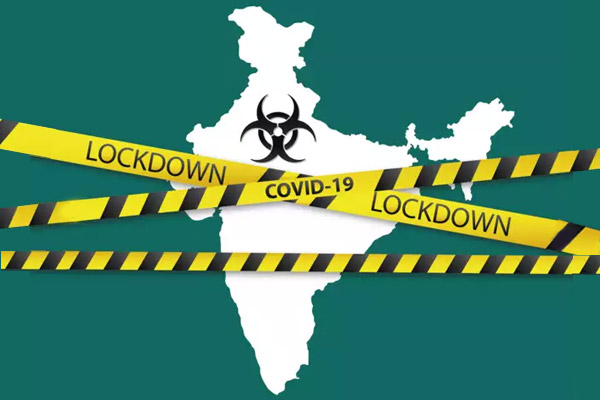
AM: The government has been very much vigilant and preventive steps have been initiated right from the beginning. Given the size of the economy and the kind of congestion that Indian urban spaces have, any contagious disease can take the severest form within a limited time span. Our hygiene and civic sense are well-below any reasonable standard. Quarantine or self-quarantine are impossible in many parts of the society, where housing poverty is severe and even in many above-poverty-line-households, the per capita space is pitiably low. In such situations, the government’s decision on lock down is the only effective measure. Economic losses can be recovered, but the loss in life is irreparable. Moe importantly, we must remember that the economic losses without close-down would be enormously large and unimaginable in comparison to the losses that we are envisaging in the light of the lock down.

Even when the situation comes under control, it will be desirable to gradually relax the restrictions rather than removing them instantaneously. Foreign travels (both entry and exit) will have to be strictly restricted. Goods which involve physical contact must be withdrawn from trade: it does not matter even if the value chain is broken or India’s share in the global value chain remains miniscule.

The private sector will have to be roped in for enhancing the healthcare support. However, close monitoring is required, else, it can result in a huge commercial activity. It will be better if the private sector shares its resources (both human and non-human) with the public sector in this hour of emergency.

TPCI: The pandemic is expected to hit those at the bottom of the pyramid the hardest. What measures do you suggest to contain the impact for them?

AM: Those at the lower echelons will be hit badly. The government might think of using vacant houses for quarantine.  For this, the private builders and the government will have to work together. The corporate sector will have to come forward to contribute generously in this hour of exigency.

TPCI:  What can we learn from countries like South Korea, who have been better at managing this crisis?

AM: South Korea’s success depended on swift action, widespread testing and contact tracing, and critical support from citizens, though it has cautioned that the successes may not be permanent. These are definitely good lessons for us. Yesterday I watched a video in which the Chief Minister of Odisha urged that households must take an oath to protect themselves. Frequent interactions of the political leaders with the citizens are a must. Every member of the state assembly must work for his/her constituency. The private sector must receive strict directives to work closely with the public sector when it comes to health care support.

TPCI: What is your take on the relief measures announced by the Finance Minister to help people sail smoothly through this crisis? What effect will it have on the economy?

AM: Relief measures are a must.  People dependent on earnings from irregular jobs are the worst sufferers. Due to lockdown, their source of income has come to a halt. And unfortunately, their savings are negligible to smoothen their consumption. Without government measures, they will simply die of hunger even if they are spared by the virus.

Such exigencies can be met through deficit financing, which will have adverse effects on the economy. But this is inevitable. The economy has matured over the years. It should be able to absorb the shocks within a year or so. Therefore, the medium run effects are not going to be deleterious.


Dr. Arup Mitra is the Professor of Economics, South Asian University. Before joining SAU Dr Arup Mitra worked as Professor of Economics at the Institute of Economic Growth (IEG), Delhi. He was also the Director General of NILERD (formerly IAMR), GOI. His research interest includes development economics, urban issues, labour and welfare, corruption, industrial growth and productivity, services sector, and gender inequality. He completed his B.A. (Hons.) from Ravenshaw College, M. A., M. Phil. and Ph D from Delhi School of Economics and post-doctorate from Northwestern University (USA). He has also been a consultant to a number of international organizations and worked as a senior researcher at ILO, Geneva. He held the Indian Economy Chair at Sciences Po. Paris in 2010. He has also been a visiting scholar at Institute of Developing Economies, Japan and visiting professor at Nagoya University, Japan. He was awarded by the Indian Econometric Society Mahalanobis memorial Gold Medal for his outstanding contribution to quantitative economics. He has been a member of several expert committees. His book on Inclusive Growth, Employment and Wellbeing published by Springer has received Professor S. R. Sen best book award, 2019.  His work is cited in the Handbook of Regional and Urban Economics, 1999. He has also been an author in Encyclopedia of Life Support Systems, (UNESCO) and Encyclopedia of Sustainability, (Berkshire Publishing).

Previous Post
Next Post

Most Recent Posts

  • All Post
  • 8th Pay Commission
  • Aadhar
  • Aditya Birla Capital
  • Advertising Standards
  • Affordable Housing
  • Agriculture
  • Agriculture & Food
  • AI in Healthcare
  • AI Technology
  • Airlines
  • alcohol industry
  • Android
  • APEDA
  • Apple
  • Artificial Intelligence
  • Ashwini Vaishnaw
  • asian para games
  • Asset Management
  • Atmanirbhar Bharat
  • Audio Devices
  • Audio Products
  • Auto Industry
  • Automobile
  • Automobiles
  • Automotive
  • Automotive Industry
  • Aviation
  • Bain Healthcare Report 2026
  • Bank
  • Banking
  • Banking Technology
  • Battery Industry
  • Beverage Industry
  • Beverages
  • Bihar
  • biotechnology
  • Bitcoin
  • BMW Group India
  • Brand Insight
  • BRICS
  • Bullion Market
  • Business
  • Business & Economy
  • Business & Trade
  • Business Leadership Post COVID-19
  • Business News
  • Business Terminology
  • Business Utilities
  • Buyback
  • Capital Goods
  • Capital Markets
  • CarsBusiness
  • CBIC
  • CCI
  • chemicals
  • Child Investment
  • China
  • China technology news
  • Citizen Services
  • Clean Energy
  • Clean Technology
  • Cloud Computing
  • coal
  • Commerce
  • Commerce and Industry
  • Commercial Real Estate
  • Commercial Vehicles
  • Commodities
  • Communications
  • Companies
  • Competition Law
  • Compliance
  • Computer Accessories
  • connected cars
  • Consumer
  • Consumer Affairs
  • Consumer Electronics
  • Consumer Finance
  • Consumer Goods
  • Consumer Health
  • Consumer Markets
  • Consumer News
  • Consumer Protection,
  • Consumer Rights
  • Consumer Spending
  • Consumer Trends
  • Content Creation
  • Copper
  • Corporate
  • corporate affairs
  • Corporate Earnings
  • Corporate Governance
  • Corporate News
  • Corporate Social Responsibility
  • Cost of Living
  • Country
  • CRED
  • Credit Cards
  • CREDIT RATING
  • crime
  • Crude Oil
  • Cryptocurrency
  • CSR
  • Culture
  • Currency
  • Customs Duty
  • Cyber Security
  • Cybersecurity
  • Dairy Industry
  • Data & Analytics
  • Defence
  • Delhi Government
  • Delhi-NCR
  • Demographics
  • Derivatives
  • DGCA
  • DGFT
  • DigiLocker
  • Digital Assets
  • Digital Economy
  • Digital Health India
  • Digital Identity
  • Digital India
  • Digital Infrastructure
  • Digital passport for robots
  • Digital Payments
  • Digital Platforms
  • digital services
  • Diplomacy
  • Dixon Technologies
  • DPIIT
  • E Commerce
  • E-commerce
  • E-Governance
  • Ease of Doing Business
  • Economic Growth
  • Economy
  • Edible Oil Industry
  • Editor Choice
  • EdTech
  • Education
  • Electric Mobility
  • Electric Vehicles
  • Electronics
  • Employment
  • ENERGY
  • Engineering
  • Entertainment
  • Environment
  • EPFO
  • Ethanol Economy
  • EV Industry
  • EV Technology
  • Exports
  • EXTER
  • Farmers
  • Fashion
  • festive offers
  • FINANCE
  • Finance Ministry,
  • Financial Marketing
  • Financial Markets
  • Financial News
  • Financial Planning
  • Financial Results
  • Financial Services
  • Fintech
  • FnTech
  • Food & Beverage
  • Food & Beverages
  • Food Exports
  • Food Industry
  • Food Manufacturing
  • Food Processing
  • Food Regulations
  • food safety
  • Foreign Exchange
  • Foreign Investment
  • Foreign Policy
  • Foreign Trade
  • Forex Reserves
  • fssai
  • FTA
  • Fuel
  • Fuel Prices
  • Future Energy
  • Gadgets
  • Gadgets & Apps
  • Gaming
  • GDP
  • Generative AI Healthcare
  • Geopolitics
  • GI Products
  • Global Brand Alliance
  • Global Economy
  • Global Markets
  • Global Politics
  • Global Tech
  • Global Trade Policy
  • Global Trends\
  • Gold
  • Gold Market
  • Gold Prices
  • Gols & Silver
  • Government
  • Government & Policy
  • Government Affairs
  • Government Bonds
  • Government Data
  • Government Initiatives
  • Government Policy
  • Government Policy & Regulation
  • Government Scheme
  • Government Schemes
  • Government Services
  • Green Energy
  • Green Mobility
  • GroupGlobal
  • GST
  • GST Council
  • GST Counsil
  • Hair Care
  • Hardware
  • Hatchback Segment
  • Health Supplements,
  • Horticulture
  • Housing
  • HSBC
  • Human Resources
  • humanoid robot market
  • Hyundai
  • IBT Infographics
  • iinvestment
  • Imports & Exports
  • Income Tax
  • India
  • India Auto Market
  • India Business News
  • India Inc
  • India News
  • India Retail
  • India-Canada Relations
  • India-China
  • India-Japan Relations
  • India-Russia Relations
  • India-South Korea Relations
  • India-US Relations
  • Indian Economy
  • Indian Navy
  • Industrial Pollution
  • Inflation
  • Infra
  • Infrastructure
  • Innovation
  • Instagram
  • Insurance
  • international
  • International Affairs
  • International Cooperation
  • International Relations
  • International Trade
  • Internet & Connectivity
  • Internet Policy
  • Internet Regulation
  • Interview
  • Investing
  • Investment News
  • Investments
  • iPhone News
  • IPO
  • IT Industry
  • Jewellery
  • Jio Platforms
  • JioBlackRock
  • Jobs & Careers
  • Joint Ventures
  • Kim Kardashian
  • Labour
  • Latest
  • Launches
  • Leadership
  • Leaderspeak
  • Lending
  • Lifestyle
  • Lifestyle Tech
  • List
  • Loans & Credit
  • Local News
  • Logistics
  • LPG
  • Luxury Cars
  • Machinery
  • Macroeconomics
  • Macroeconomy
  • maharashtra
  • Maharashtra News
  • Make in India
  • Makhana
  • Manufacturing
  • Market Outlook
  • Markets
  • Maruti Suzuki
  • Mergers & Acquisitions
  • Meta
  • Microsoft
  • Middle East
  • Mobile Apps
  • Mobile Industry
  • Mobile Launch
  • Mobility
  • Monetary Policy
  • Monsoon
  • MoSPI
  • MSME
  • Mutual Funds
  • Nano Tech
  • National
  • National news
  • NEET 2026
  • NewsElectric
  • NewsTata
  • NPCI
  • NPS Vatsalya
  • Office Market
  • Oil & Gas
  • Oil and Gas
  • Others
  • OTT
  • Packaged Drinking Water
  • Packaged Foods
  • Packaging Industry
  • Packaging Innovation
  • para archery
  • Passenger Vehicles
  • Paytm
  • Pension & Retirement
  • Pensions
  • Personal Care
  • Personal Finance
  • Perspectives
  • Petroleum
  • PFRDA
  • Pharmaceuticals
  • PM Modi
  • PMAY-G
  • PMAY-U
  • PMAY,
  • PMI
  • policy
  • Population
  • PORTS
  • Positive News
  • PPF
  • Precious Metals
  • Pricing
  • Product Labeling
  • Product Labelling
  • Product Launch
  • Property Market
  • PSU
  • PSU Banks
  • Public Health
  • Public Policy
  • Public Safety
  • Public Sector
  • Public Services
  • Public Welfare
  • Quarterly Results
  • Railways
  • Rajasthan
  • Raksha Bandhan
  • Raksha Bandhan Gifts
  • Rare Earths
  • RBI
  • Real Estate & Realty Sector
  • Recycling
  • Regulation
  • Regulatory Action
  • Regulatory Affairs
  • Regulatory Updates
  • REIT
  • Reliance Industries
  • Renewable Energy
  • RERA
  • Research
  • Retail
  • Retirement Planning
  • Road Infrastructure
  • Robotics & Automation
  • robotics standards
  • Rupee
  • Rural Development
  • Rural Housing
  • SAIL
  • Salaries
  • Samsung
  • Savings
  • Science & Technology
  • Sebi
  • Security
  • Semiconductor
  • Services Sector,
  • SHIPPING
  • Silver Prices
  • Skill Development
  • Skills Development
  • Small Business
  • Smart Devices
  • Smart Home
  • Smart Mobility
  • Smartphones
  • Social Impact
  • Social Media
  • Society
  • Software Development
  • Solar Energy
  • Space Technology
  • sports
  • Startups
  • Statistics
  • Steel Industry
  • Stock Market
  • stocks
  • streaming
  • Sugar Industry
  • Sukanya Samriddhi Yojana
  • Sustainability
  • SUV
  • Tamil Nadu Pollution Board
  • Tariffs
  • Tariffs & Duties
  • Tata Group
  • Tata Motors
  • Tata Sons
  • Tax Planning
  • Taxation
  • Tech
  • Tech Branding
  • Technology
  • Telecom & Technology
  • Telecom Industry
  • television
  • Top Story
  • Tourism
  • Trade
  • Trade Agreement
  • Trade Basket
  • Trade Partner
  • Trade Policy,
  • Transportation
  • Travel
  • Trending
  • Two-Wheelers
  • UIDAI
  • UPI
  • Urban Development
  • US-Iran Conflict Economic Impact
  • US–India Relations
  • Uttar Pradesh
  • VehiclesLuxury
  • vivo
  • Wastewater Management
  • Water Quality,
  • Wealth Management
  • Wearables
  • Wellness
  • WhatsApp
  • Wheat
  • Workplace
  • World
  • World News
  • Worldview
  • Yamaha
  • zLead Slider
    •   Back
    • Healthcare
    • Auto
    • Fmcg
    • Hospitality
    •   Back
    • Cash Crop
    • Organic
    • New Era Agri
    • Processed Food
    •   Back
    • Construction
    • Power
    • Mining
    • Telecom
    •   Back
    • ENERGY
    •   Back
    • Export/Import
    • Trade Deal
    • Trade Fair
    •   Back
    • Policies
    • Industry
    • Finance
    •   Back
    • Others technology
    • Mobile phone
    • Gadgets
    •   Back
    • Manufacturing
    • Services
    • Startup

India Business & Trade is a national media platform decoding the ideas, decisions and shifts shaping India’s growth story—across plicy, business, global commerce and a rapidly evolving marketplace.

Reach Us

India Business & Trade
M-62, Saket, New Delhi-110064, India

Subscribe To Newsletter

Stay ahead in the dynamic world of trade and commerce with India Business & Trade’s weekly newsletter.

Copyright © 2026 India Business & Trade. All Rights Reserved