
Global Agricultural Prices: Can history repeat itself?

• Average FAO food price index averaged 169.8 points in August 2019, plummeting by almost 2 points from July (1.1%).
• Since agricultural products have relatively inelastic demand, a price decline reduces the revenue and value of trade.
• Around 72% of the measures aimed at removing export restrictions and taxes after 2012 were applied to the same commodities, as their prices experienced a steep decline.
• In times of low prices, supporting agriculture and providing subsidies might result in significant externalities by further depressing international prices and exporting volatility onto world markets, largely at the expense of smaller countries.

TPCI-IBT-Business-Perspectives

The average FAO food price index (FFPI) averaged 169.8 points in August 2019, plummeting by almost 2 points from July (1.1%). The decline in August marked the third consecutive monthly decrease in the FFPI. The latest drop reflected sharp falls in the prices of sugar and leading cereals, outweighing increases in all other sub-indices, especially vegetable oils. There are five categories, which represent FFPI including cereals, vegetable oils, meat, dairy and sugar. Out of these five, cereals have experienced maximum decline in terms of deflated monthly and annual price index. The weights used for the commodity sub-indices are:

Cereals Dairy Meat Vegetable oils Sugar
0.272 0.173 0.348 0.135 0.072

Source: FAO Food Price Index

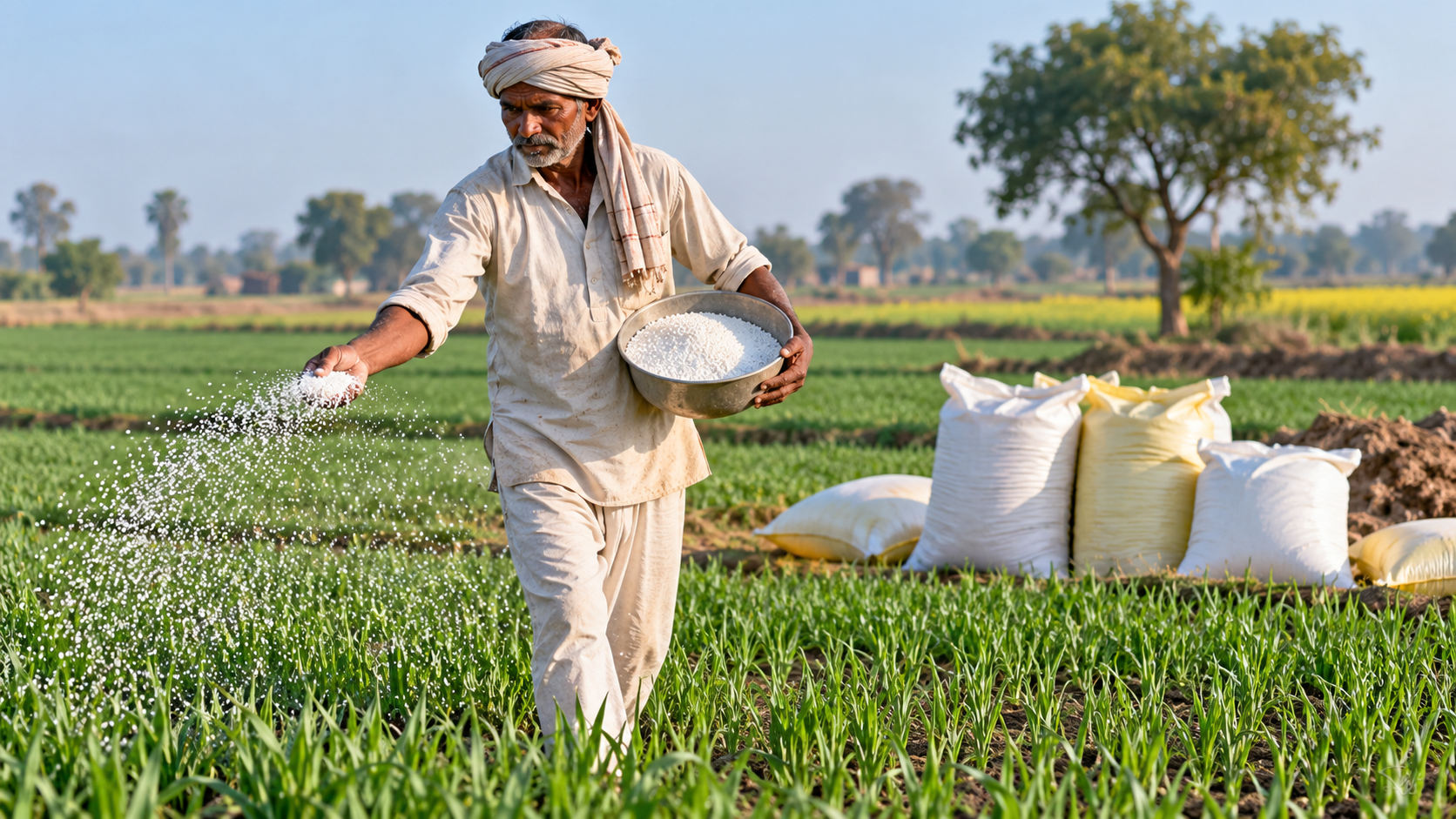
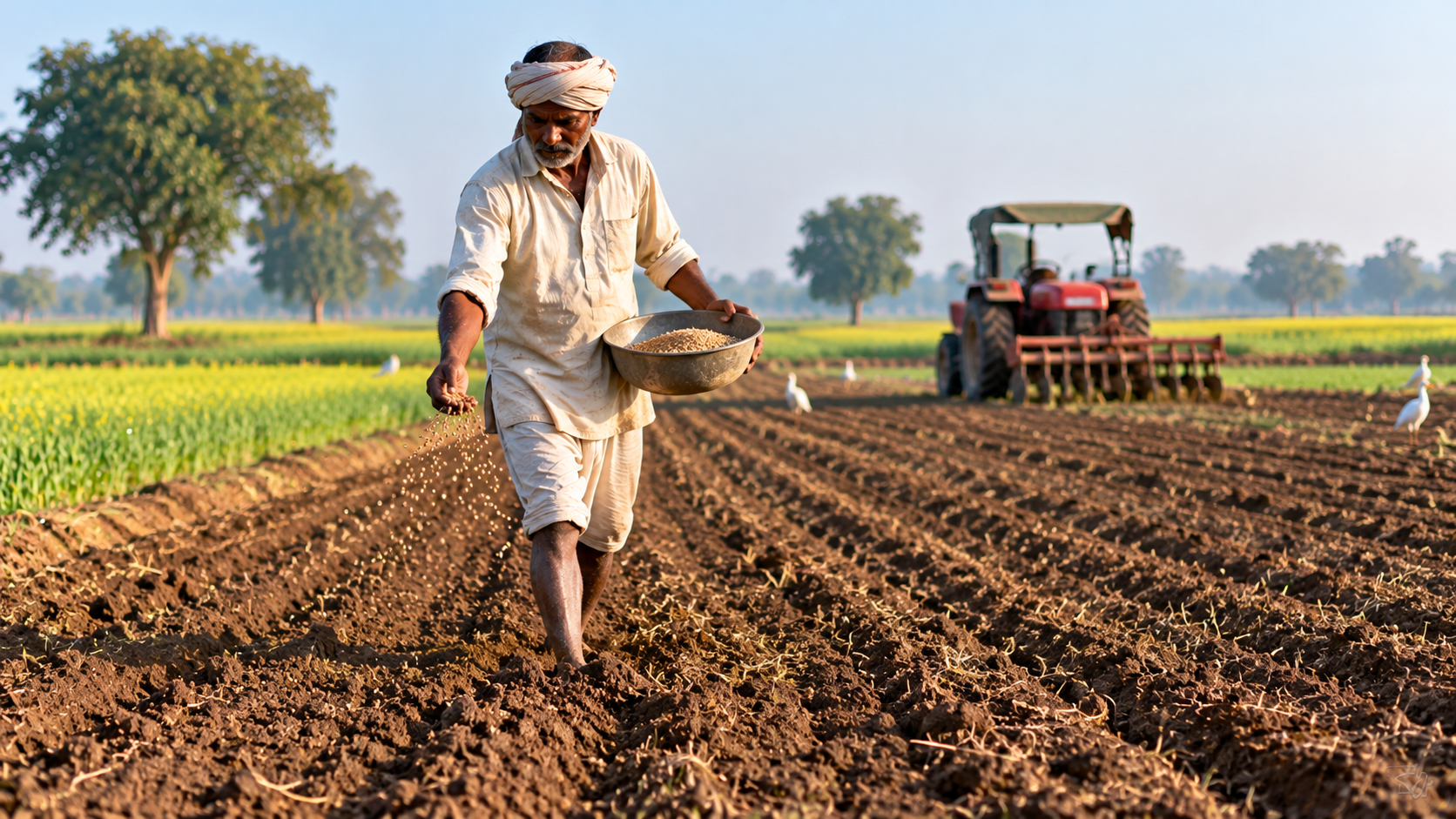
Now the question is, how will global agricultural trade will be moving in coming time frame? Knowing the implications of the trade war, US-Iran tensions, currency war, protectionist wave and major currencies plummeting, it seems a daunting scenario for agricultural trade to flourish and proliferate. This becomes more specific for primary agriculture exporting economies like India. In times of low prices, domestic pressures are more likely to come from producers concerned about remunerative prices and the need to maintain farm income. Since agricultural products have inelastic demand, a price decline reduces the revenue and value of trade.

Source: FAO food price index, 2019

Compared to similar situations prevailing in earlier periods of low prices such as the 1980s and 1990s, the most prominent development is the rise of emerging economies such as China, India and Indonesia. As these countries accumulate enough resources with which to support agriculture, they might be tempted to follow the path of OECD countries that have traditionally been the main providers of trade-distorting subsidies and border protection. In times of low prices, such policies might result in significant externalities by further depressing international prices and exporting volatility onto world markets, largely at the expense of smaller countries that cannot afford to provide such income support to their farmers in these times.

The lower value of exports can be explained by the fact that India’s export basket consists mainly of low-value and semi-processed commodities such as rice, wheat and marine products. Further, around 76% of exports are primary, those that undergo minimal processing such as cleaning, sorting, refrigerating and converting paddy into rice. In recent years, their share has undergone a 4% increase on account of exports of live animals, bovine meat, frozen fish, crustaceans, cereals, flour, groundnut seed, soybean seed and meal, onion, tea, and spices.

The remaining 20% share is of processed and value-added products, which entail extensive processing of both raw and semi-processed commodities, such as processing of barley to produce beer or making cheese from milk or seed to edible oil. There is little increase in their share, even though the export basket has, of late, slightly diversified towards chocolates, wafers, sweet biscuits, preserved edible fruits and nuts, mixed seasoning and sauces, ice-cream, and meals and pellets for fish. In a way, it reflects a growing competitiveness of Indian agriculture, but largely in low-value primary produce.

The estimated revealed comparative advantage (RCA) index also shows much higher values for primary products compared to the processed and value-added ones. The main value-added products that are competitive in the world markets are sugar in solid form, extracts and essence of tea and coffee, oilcakes, manufactured tobacco, and preserved fruits and vegetables. This cogently indicates that the food and beverage industries lack cost-competitiveness and, hence, India may find it difficult to meet the stated export targets. The Indian industry has to compete with major global players, including China, EU, Australia, US and Canada. Presuming that it is able to bring in better technology and resource-use efficiency to compete in the export markets, non-tariff measures imposed by other countries would act as deterrent.

So far, however, WTO negotiations aimed at truncating trade-distorting agricultural subsidies have progressed slowly, with limited prospects of a solution in the short term. Falling prices with successive reforms of domestic support and the move away from price support mechanisms, have resulted in large gaps between applied levels of domestic support in the EU and US and their maximum entitlement under WTO rules. Similarly, on market access, developing countries like India and most African countries have consolidated their tariffs at fairly high levels after the Uruguay Round.

In a similar vein, WTO members might also find that the tendency towards falling prices makes it easier to reach agreements on new rules in other areas, such as reducing the impact of agricultural export restrictions on consumers in poor, food-importing countries. Especially if food price spikes recur in the years ahead, action in this area could help ensure that poor consumers are able to access food even if global markets become more volatile.

In the past, export restrictions actually declined slightly, while trade-liberalizing export measures experienced significant growth. Indeed 72% of the measures aimed at removing export restrictions and taxes after 2012 were applied to those same commodities, as their prices experienced a steep decline. A similar approach to policy may be expected if FFPI continues to decline.
Previous Post
Next Post

Most Recent Posts

  • All Post
  • 8th Pay Commission
  • Aadhar
  • Aditya Birla Capital
  • Advertising Standards
  • Affordable Housing
  • Agriculture
  • Agriculture & Food
  • AI in Healthcare
  • AI Technology
  • Airlines
  • alcohol industry
  • Android
  • APEDA
  • Apple
  • Artificial Intelligence
  • Ashwini Vaishnaw
  • asian para games
  • Asset Management
  • Atmanirbhar Bharat
  • Audio Devices
  • Audio Products
  • Auto Industry
  • Automobile
  • Automobiles
  • Automotive
  • Automotive Industry
  • Aviation
  • Bain Healthcare Report 2026
  • Bank
  • Banking
  • Banking Technology
  • Battery Industry
  • Beverage Industry
  • Beverages
  • Bihar
  • biotechnology
  • Bitcoin
  • BMW Group India
  • Brand Insight
  • BRICS
  • Bullion Market
  • Business
  • Business & Economy
  • Business & Trade
  • Business Leadership Post COVID-19
  • Business News
  • Business Terminology
  • Business Utilities
  • Buyback
  • Capital Goods
  • Capital Markets
  • CarsBusiness
  • CBIC
  • CCI
  • chemicals
  • Child Investment
  • China
  • China technology news
  • Citizen Services
  • Clean Energy
  • Clean Technology
  • Cloud Computing
  • coal
  • Commerce
  • Commerce and Industry
  • Commercial Real Estate
  • Commercial Vehicles
  • Commodities
  • Communications
  • Companies
  • Competition Law
  • Compliance
  • Computer Accessories
  • connected cars
  • Consumer
  • Consumer Affairs
  • Consumer Electronics
  • Consumer Finance
  • Consumer Goods
  • Consumer Health
  • Consumer Markets
  • Consumer News
  • Consumer Protection,
  • Consumer Rights
  • Consumer Spending
  • Consumer Trends
  • Content Creation
  • Copper
  • Corporate
  • corporate affairs
  • Corporate Earnings
  • Corporate Governance
  • Corporate News
  • Corporate Social Responsibility
  • Cost of Living
  • Country
  • CRED
  • Credit Cards
  • CREDIT RATING
  • crime
  • Crude Oil
  • Cryptocurrency
  • CSR
  • Culture
  • Currency
  • Customs Duty
  • Cyber Security
  • Cybersecurity
  • Dairy Industry
  • Data & Analytics
  • Defence
  • Delhi Government
  • Delhi-NCR
  • Demographics
  • Derivatives
  • DGCA
  • DGFT
  • DigiLocker
  • Digital Assets
  • Digital Economy
  • Digital Health India
  • Digital Identity
  • Digital India
  • Digital Infrastructure
  • Digital passport for robots
  • Digital Payments
  • Digital Platforms
  • digital services
  • Diplomacy
  • Dixon Technologies
  • DPIIT
  • E Commerce
  • E-commerce
  • E-Governance
  • Ease of Doing Business
  • Economic Growth
  • Economy
  • Edible Oil Industry
  • Editor Choice
  • EdTech
  • Education
  • Electric Mobility
  • Electric Vehicles
  • Electronics
  • Employment
  • ENERGY
  • Engineering
  • Entertainment
  • Environment
  • EPFO
  • Ethanol Economy
  • EV Industry
  • EV Technology
  • Exports
  • EXTER
  • Farmers
  • Fashion
  • festive offers
  • FINANCE
  • Finance Ministry,
  • Financial Marketing
  • Financial Markets
  • Financial News
  • Financial Planning
  • Financial Results
  • Financial Services
  • Fintech
  • FnTech
  • Food & Beverage
  • Food & Beverages
  • Food Exports
  • Food Industry
  • Food Manufacturing
  • Food Processing
  • Food Regulations
  • food safety
  • Foreign Exchange
  • Foreign Investment
  • Foreign Policy
  • Foreign Trade
  • Forex Reserves
  • fssai
  • FTA
  • Fuel
  • Fuel Prices
  • Future Energy
  • Gadgets
  • Gadgets & Apps
  • Gaming
  • GDP
  • Generative AI Healthcare
  • Geopolitics
  • GI Products
  • Global Brand Alliance
  • Global Economy
  • Global Markets
  • Global Politics
  • Global Tech
  • Global Trade Policy
  • Global Trends\
  • Gold
  • Gold Market
  • Gold Prices
  • Gols & Silver
  • Government
  • Government & Policy
  • Government Affairs
  • Government Bonds
  • Government Data
  • Government Initiatives
  • Government Policy
  • Government Policy & Regulation
  • Government Scheme
  • Government Schemes
  • Government Services
  • Green Energy
  • Green Mobility
  • GroupGlobal
  • GST
  • GST Council
  • GST Counsil
  • Hair Care
  • Hardware
  • Hatchback Segment
  • Health Supplements,
  • Horticulture
  • Housing
  • HSBC
  • Human Resources
  • humanoid robot market
  • Hyundai
  • IBT Infographics
  • iinvestment
  • Imports & Exports
  • Income Tax
  • India
  • India Auto Market
  • India Business News
  • India Inc
  • India News
  • India Retail
  • India-Canada Relations
  • India-China
  • India-Japan Relations
  • India-Russia Relations
  • India-South Korea Relations
  • India-US Relations
  • Indian Economy
  • Indian Navy
  • Industrial Pollution
  • Inflation
  • Infra
  • Infrastructure
  • Innovation
  • Instagram
  • Insurance
  • international
  • International Affairs
  • International Cooperation
  • International Relations
  • International Trade
  • Internet & Connectivity
  • Internet Policy
  • Internet Regulation
  • Interview
  • Investing
  • Investment News
  • Investments
  • iPhone News
  • IPO
  • IT Industry
  • Jewellery
  • Jio Platforms
  • JioBlackRock
  • Jobs & Careers
  • Joint Ventures
  • Kim Kardashian
  • Labour
  • Latest
  • Launches
  • Leadership
  • Leaderspeak
  • Lending
  • Lifestyle
  • Lifestyle Tech
  • List
  • Loans & Credit
  • Local News
  • Logistics
  • LPG
  • Luxury Cars
  • Machinery
  • Macroeconomics
  • Macroeconomy
  • maharashtra
  • Maharashtra News
  • Make in India
  • Makhana
  • Manufacturing
  • Market Outlook
  • Markets
  • Maruti Suzuki
  • Mergers & Acquisitions
  • Meta
  • Microsoft
  • Middle East
  • Mobile Apps
  • Mobile Industry
  • Mobile Launch
  • Mobility
  • Monetary Policy
  • Monsoon
  • MoSPI
  • MSME
  • Mutual Funds
  • Nano Tech
  • National
  • National news
  • NEET 2026
  • NewsElectric
  • NewsTata
  • NPCI
  • NPS Vatsalya
  • Office Market
  • Oil & Gas
  • Oil and Gas
  • Others
  • OTT
  • Packaged Drinking Water
  • Packaged Foods
  • Packaging Industry
  • Packaging Innovation
  • para archery
  • Passenger Vehicles
  • Paytm
  • Pension & Retirement
  • Pensions
  • Personal Care
  • Personal Finance
  • Perspectives
  • Petroleum
  • PFRDA
  • Pharmaceuticals
  • PM Modi
  • PMAY-G
  • PMAY-U
  • PMAY,
  • PMI
  • policy
  • Population
  • PORTS
  • Positive News
  • PPF
  • Precious Metals
  • Pricing
  • Product Labeling
  • Product Labelling
  • Product Launch
  • Property Market
  • PSU
  • PSU Banks
  • Public Health
  • Public Policy
  • Public Safety
  • Public Sector
  • Public Services
  • Public Welfare
  • Quarterly Results
  • Railways
  • Rajasthan
  • Raksha Bandhan
  • Raksha Bandhan Gifts
  • Rare Earths
  • RBI
  • Real Estate & Realty Sector
  • Recycling
  • Regulation
  • Regulatory Action
  • Regulatory Affairs
  • Regulatory Updates
  • REIT
  • Reliance Industries
  • Renewable Energy
  • RERA
  • Research
  • Retail
  • Retirement Planning
  • Road Infrastructure
  • Robotics & Automation
  • robotics standards
  • Rupee
  • Rural Development
  • Rural Housing
  • SAIL
  • Salaries
  • Samsung
  • Savings
  • Science & Technology
  • Sebi
  • Security
  • Semiconductor
  • Services Sector,
  • SHIPPING
  • Silver Prices
  • Skill Development
  • Skills Development
  • Small Business
  • Smart Devices
  • Smart Home
  • Smart Mobility
  • Smartphones
  • Social Impact
  • Social Media
  • Society
  • Software Development
  • Solar Energy
  • Space Technology
  • sports
  • Startups
  • Statistics
  • Steel Industry
  • Stock Market
  • stocks
  • streaming
  • Sugar Industry
  • Sukanya Samriddhi Yojana
  • Sustainability
  • SUV
  • Tamil Nadu Pollution Board
  • Tariffs
  • Tariffs & Duties
  • Tata Group
  • Tata Motors
  • Tata Sons
  • Tax Planning
  • Taxation
  • Tech
  • Tech Branding
  • Technology
  • Telecom & Technology
  • Telecom Industry
  • television
  • Top Story
  • Tourism
  • Trade
  • Trade Agreement
  • Trade Basket
  • Trade Partner
  • Trade Policy,
  • Transportation
  • Travel
  • Trending
  • Two-Wheelers
  • UIDAI
  • UPI
  • Urban Development
  • US-Iran Conflict Economic Impact
  • US–India Relations
  • Uttar Pradesh
  • VehiclesLuxury
  • vivo
  • Wastewater Management
  • Water Quality,
  • Wealth Management
  • Wearables
  • Wellness
  • WhatsApp
  • Wheat
  • Workplace
  • World
  • World News
  • Worldview
  • Yamaha
  • zLead Slider
    •   Back
    • Healthcare
    • Auto
    • Fmcg
    • Hospitality
    •   Back
    • Cash Crop
    • Organic
    • New Era Agri
    • Processed Food
    •   Back
    • Construction
    • Power
    • Mining
    • Telecom
    •   Back
    • ENERGY
    •   Back
    • Export/Import
    • Trade Deal
    • Trade Fair
    •   Back
    • Policies
    • Industry
    • Finance
    •   Back
    • Others technology
    • Mobile phone
    • Gadgets
    •   Back
    • Manufacturing
    • Services
    • Startup

India Business & Trade is a national media platform decoding the ideas, decisions and shifts shaping India’s growth story—across plicy, business, global commerce and a rapidly evolving marketplace.

Reach Us

India Business & Trade
M-62, Saket, New Delhi-110064, India

Subscribe To Newsletter

Stay ahead in the dynamic world of trade and commerce with India Business & Trade’s weekly newsletter.

Copyright © 2026 India Business & Trade. All Rights Reserved