A survey by Godrej Jersey and YouGov highlights a gap between regular milk consumption and awareness of its nutritional value among urban consumers.
A survey by dairy brand Godrej Jersey has found that only 59 per cent of urban Indian consumers recognise milk as a complete protein containing all nine essential amino acids required by the body. The findings highlight a gap between regular milk consumption and awareness of its nutritional benefits.
The study, titled Lactograph 2.0, was conducted by YouGov across eight Indian cities. It examined consumer preferences, dairy consumption habits, nutritional awareness and purchasing behaviour.
Daily Milk Consumption Remains High
The survey found that 60 per cent of respondents consume milk every day in tea or coffee, while 40 per cent drink plain milk daily.
Milk was also ranked as the most affordable everyday protein source among 13 food items evaluated in the survey. Around 69 per cent of respondents considered it affordable for daily protein consumption. This figure increased to 80 per cent in Mumbai and Chennai.
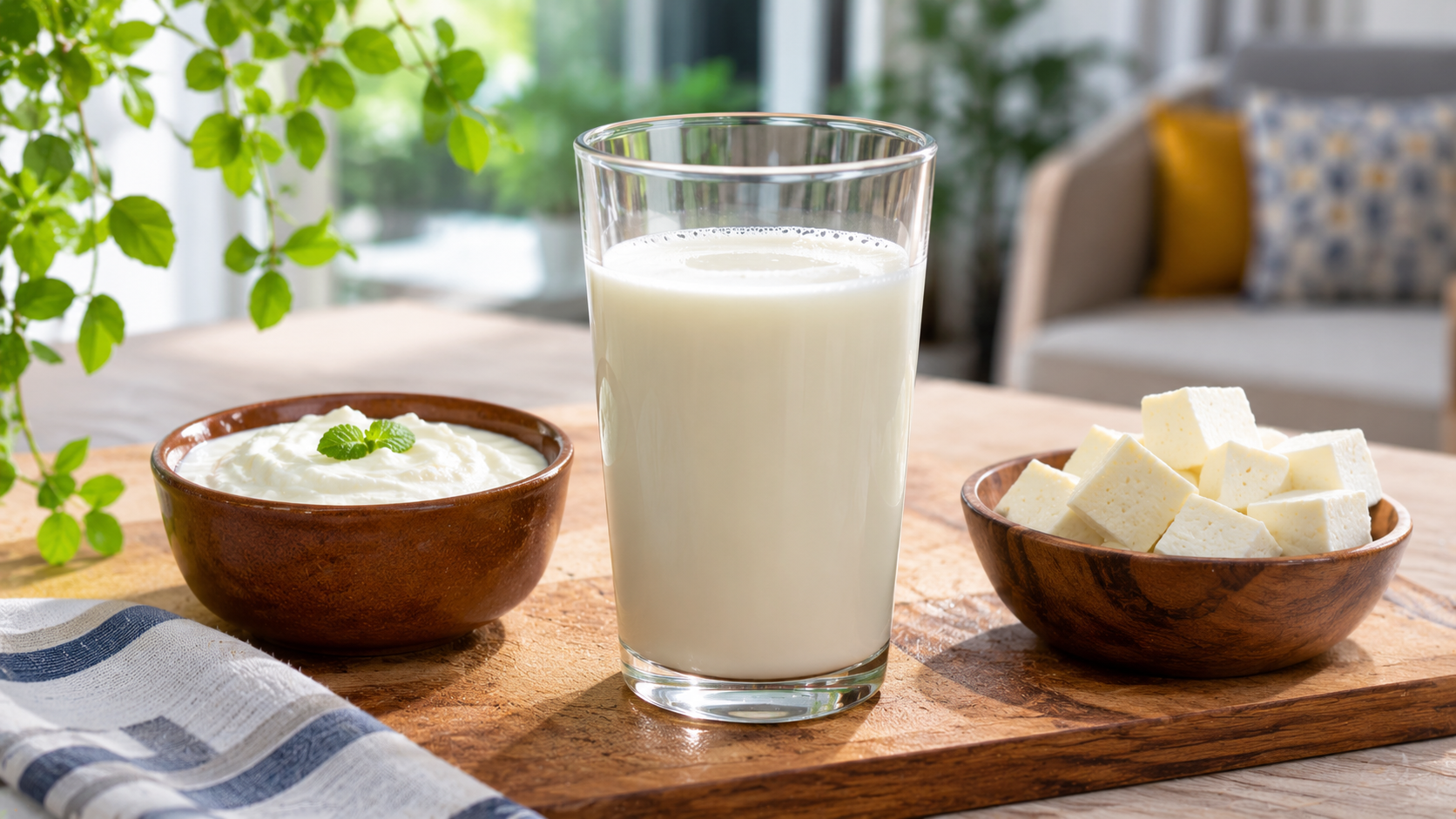
However, awareness of milk’s protein quality remained relatively low compared with some other dairy products. While 69 per cent of respondents identified paneer as a complete protein, only 59 per cent recognised milk as one. For curd, the figure stood at 47 per cent.
Awareness Gap Among Vegetarians
The survey also highlighted differences in nutritional awareness among vegetarian consumers.
Although 86 per cent of vegetarians identified dairy products as one of their primary protein sources, only 65 per cent recognised milk as a complete protein.
Gaurav Pande, Chief Executive of Godrej Jersey, said milk combines everyday familiarity with widespread accessibility. He added that helping consumers better understand the nutritional value of dairy products represents a larger opportunity for the sector.
Taste and Price Affect High-Protein Milk Consumption
Awareness of high-protein milk is relatively widespread, with more than eight in 10 consumers familiar with the product. However, only 25 per cent said they consume it regularly.
Taste was identified as a barrier by 50 per cent of respondents, while 45 per cent cited price as a concern.
The findings suggest that familiarity with specialised dairy products does not necessarily translate into regular purchasing or consumption.
Hygiene and Packaging Influence Buying Decisions
The survey also examined how consumers choose their milk. Around 44 per cent mainly purchase branded packaged milk, while 27 per cent buy directly from farmers. Another 17 per cent purchase loose milk from vendors or dairies.
Hygienic handling was an important consideration for 71 per cent of respondents, who rated it very important. Overall, 95 per cent considered hygiene fairly or very important when purchasing milk.
Packaging also influenced preferences. Around 84 per cent valued spill-proof packs, 83 per cent preferred easy-to-carry packaging, and 82 per cent considered reduced plastic use important.
Traditional Dairy Habits Continue
The survey found that around nine in 10 urban consumers continue at least one dairy-related habit from childhood.
Curd rice was the most commonly reported tradition, cited by 50 per cent of respondents, followed by summer buttermilk at 49 per cent. Badam milk on special occasions was reported by 41 per cent, while 40 per cent continued the habit of drinking a morning glass of milk.
The findings were released on National Milk Day, which honours Verghese Kurien, widely recognised as the architect of India’s dairy cooperative movement.