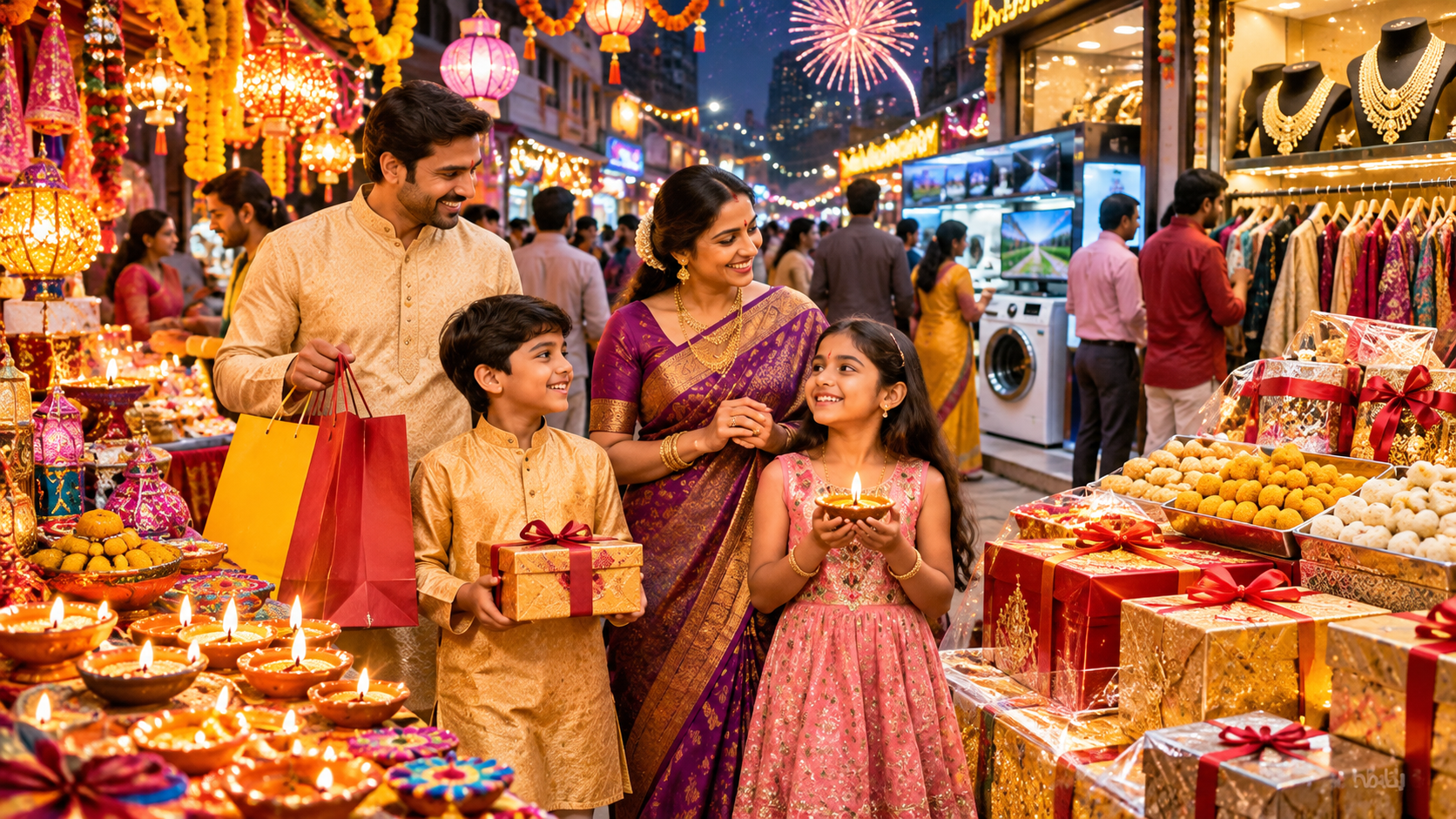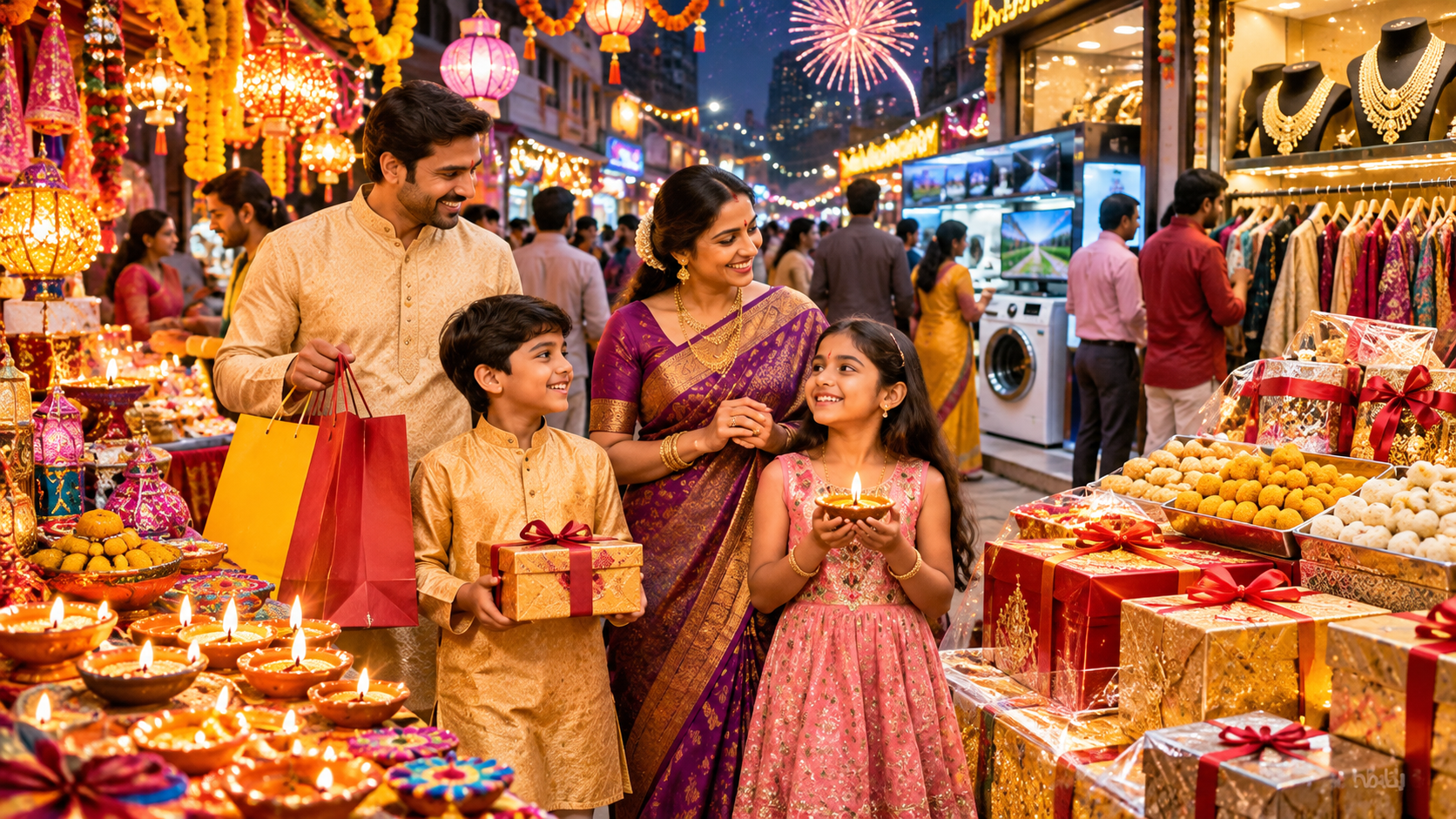
From jewellery and electronics to sweets, clothing and home décor, festive spending is driving business across India, with small traders and local markets benefiting from strong demand.
Highlights
- India’s festive trade is projected to exceed ₹7 lakh crore in 2026.
- Business worth over ₹6 lakh crore reportedly recorded by November 7.
- Delhi’s festive trade estimated at more than ₹1 lakh crore.
- Jewellery, electronics, apparel and home décor among key categories.
- Local retailers, MSMEs and small businesses benefit from festive purchases.
- Online shopping and digital payments support festive sales.
Diwali 2026: India’s Festive Shopping Boom Pushes Trade Towards ₹7 Lakh Crore
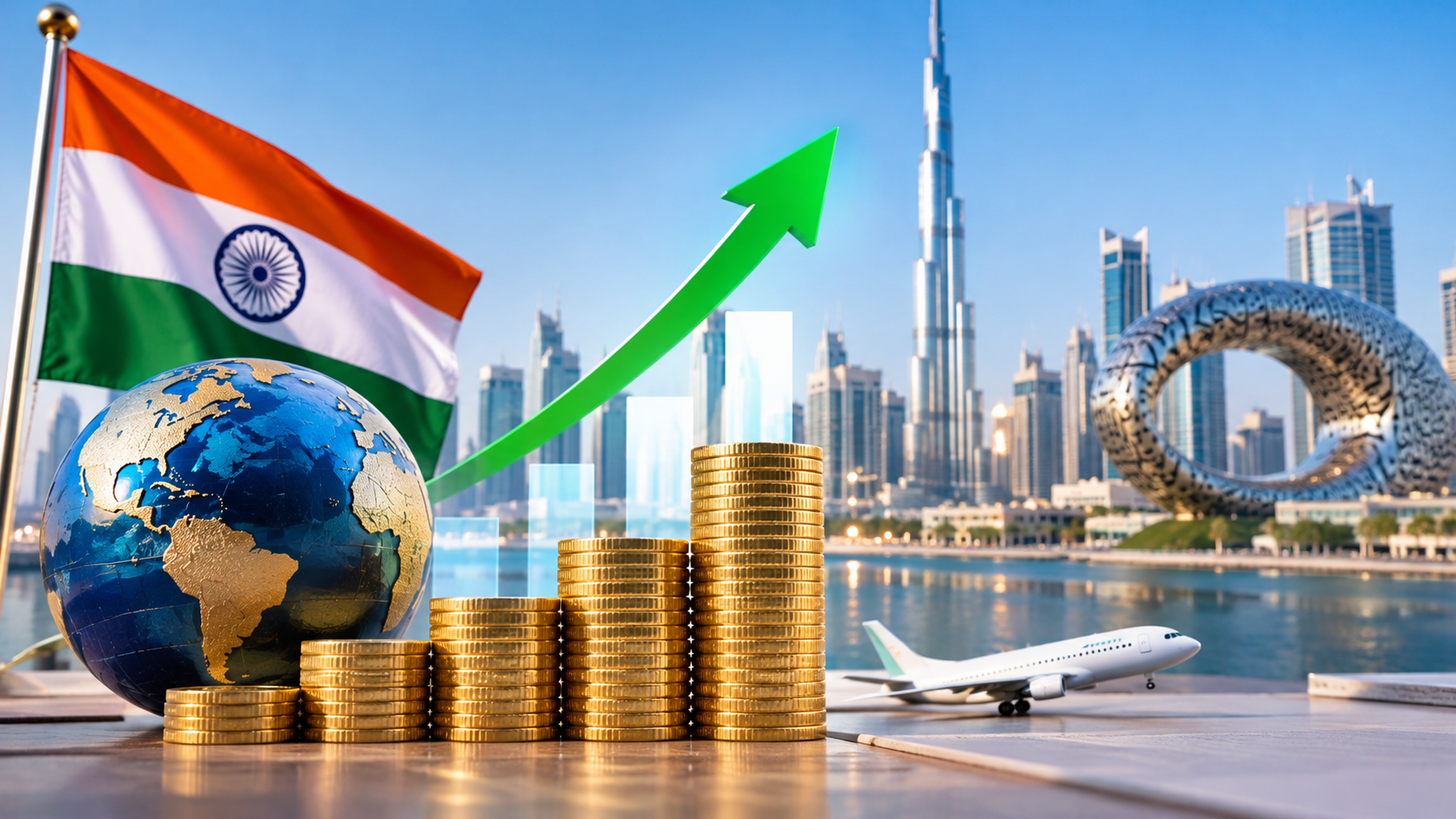
New Delhi: India’s festive shopping season has delivered a major boost to businesses, with trade during the Navratri-to-Diwali period expected to cross ₹7 lakh crore in 2026. Strong consumer demand for jewellery, electronics, clothing, sweets and household products has supported retail activity across major cities and smaller towns.
According to estimates attributed to the Confederation of All India Traders (CAIT), festive business had already surpassed ₹6 lakh crore by November 7, while total trade was projected to exceed ₹7 lakh crore. The estimates highlight the significant contribution of festival-related consumption to India’s domestic retail economy.
Delhi Emerges as Major Festive Shopping Hub
Delhi has emerged as one of the leading contributors to festive trade, with business estimated at more than ₹1 lakh crore during the shopping season. Popular wholesale and retail markets have benefited from demand for festive decorations, gifts, clothing, jewellery and electronic products.
Traditional shopping destinations have continued to attract customers despite growing competition from online marketplaces. Small retailers and family-owned businesses have also benefited from increased consumer spending.
Jewellery, Electronics and Apparel Drive Sales
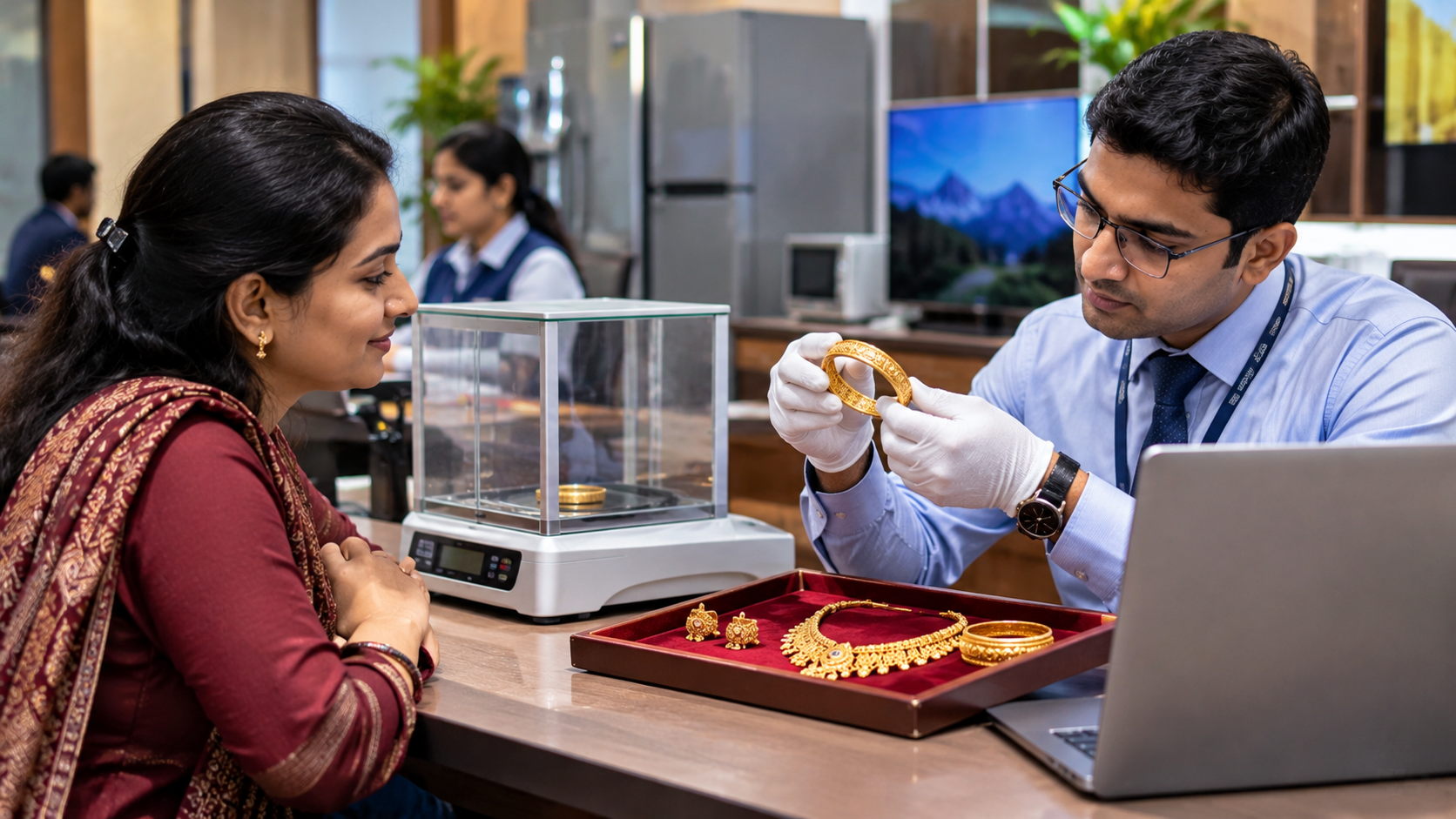
Gold and silver jewellery remain important categories during the festive season, particularly around Dhanteras and Diwali. Consumers traditionally purchase precious metals, utensils and household products during this period.
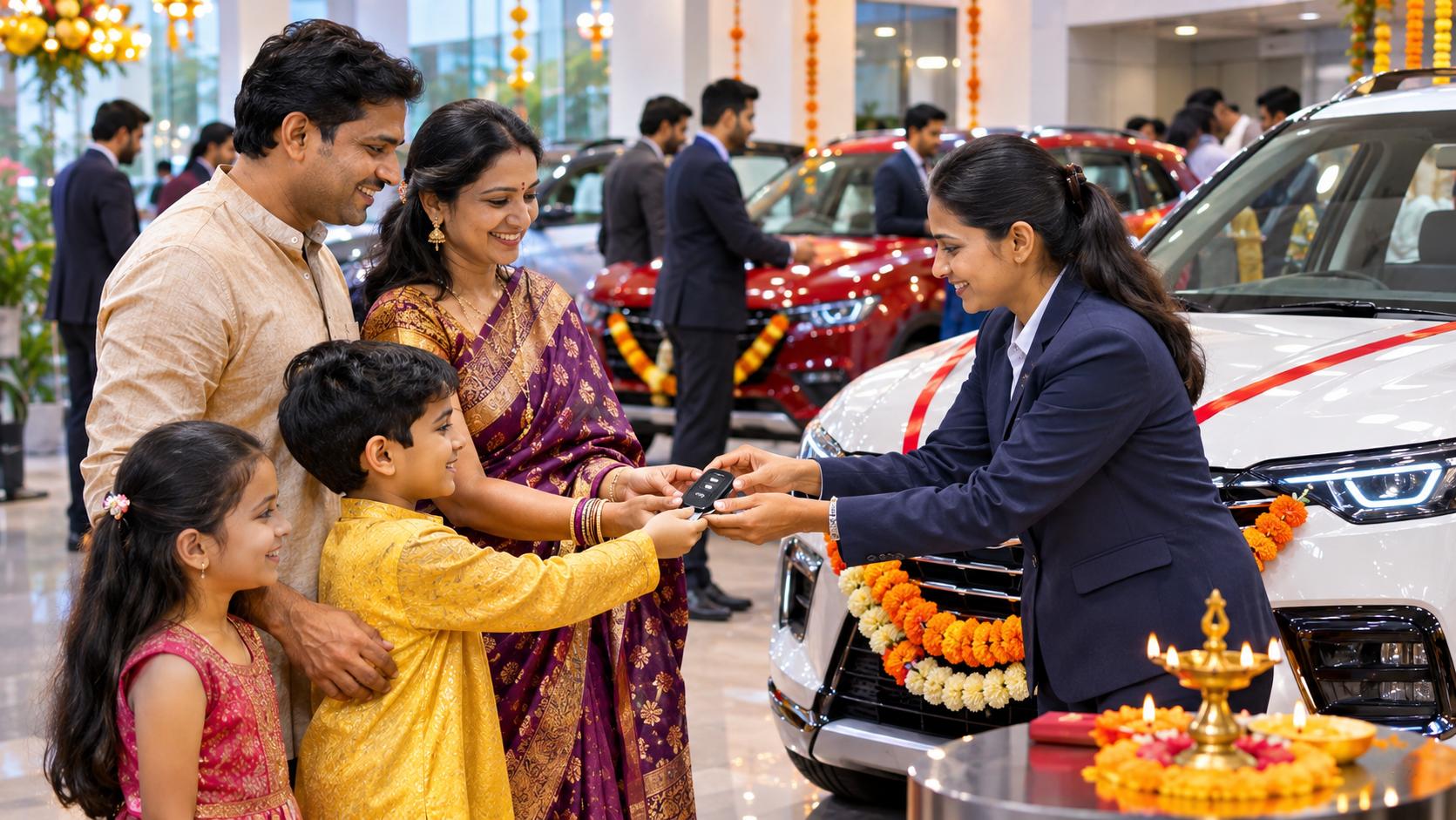
Electronics and consumer durables have also witnessed festive demand, supported by promotional offers, exchange schemes and financing options. Smartphones, televisions, refrigerators and other appliances remain popular purchases.
Meanwhile, clothing, footwear, sweets, dry fruits and decorative lighting have contributed to business activity across local markets.
Small Businesses Benefit from Festive Demand
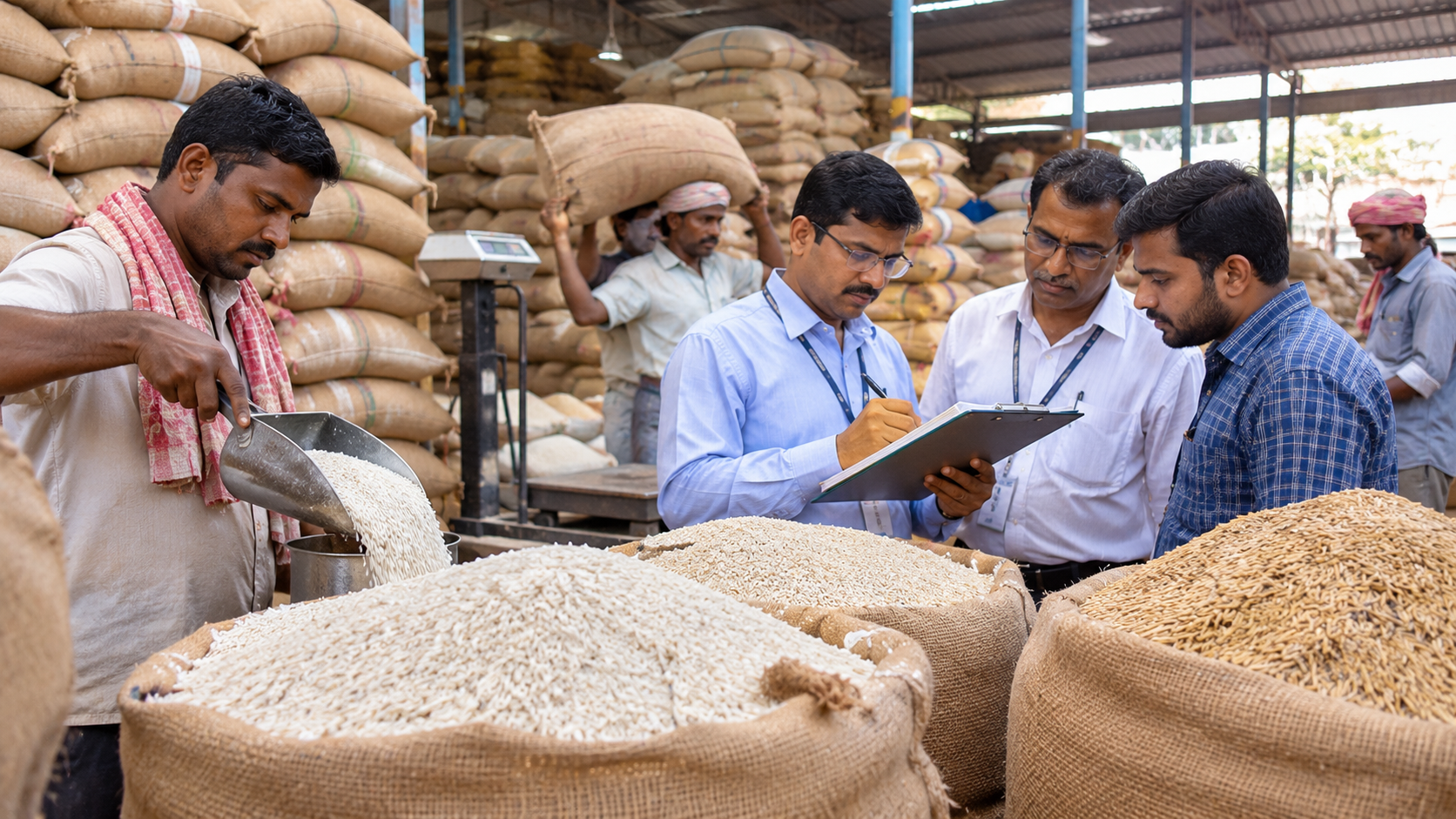
The festive season provides an important opportunity for micro, small and medium enterprises (MSMEs), including manufacturers, wholesalers, artisans and local shopkeepers.
Demand for traditional diyas, handicrafts, candles, decorative items and packaged food products creates additional business opportunities for smaller enterprises.
E-commerce platforms and digital payment services have also made festive shopping more accessible, helping businesses reach customers beyond their immediate markets.
The projected ₹7 lakh crore trade figure underscores the scale of India’s festive consumption economy. However, the estimate represents broader festive-season trade rather than Diwali-day sales alone, and should not be interpreted as an official measure of retail revenue.