EAC-PM Chairman S Mahendra Dev calls for targeted industrial support, stronger competitiveness and reforms in land availability, credit and skills to accelerate India’s manufacturing growth.
Highlights
- EAC-PM Chairman urges government support for both labour-intensive and advanced technology industries.
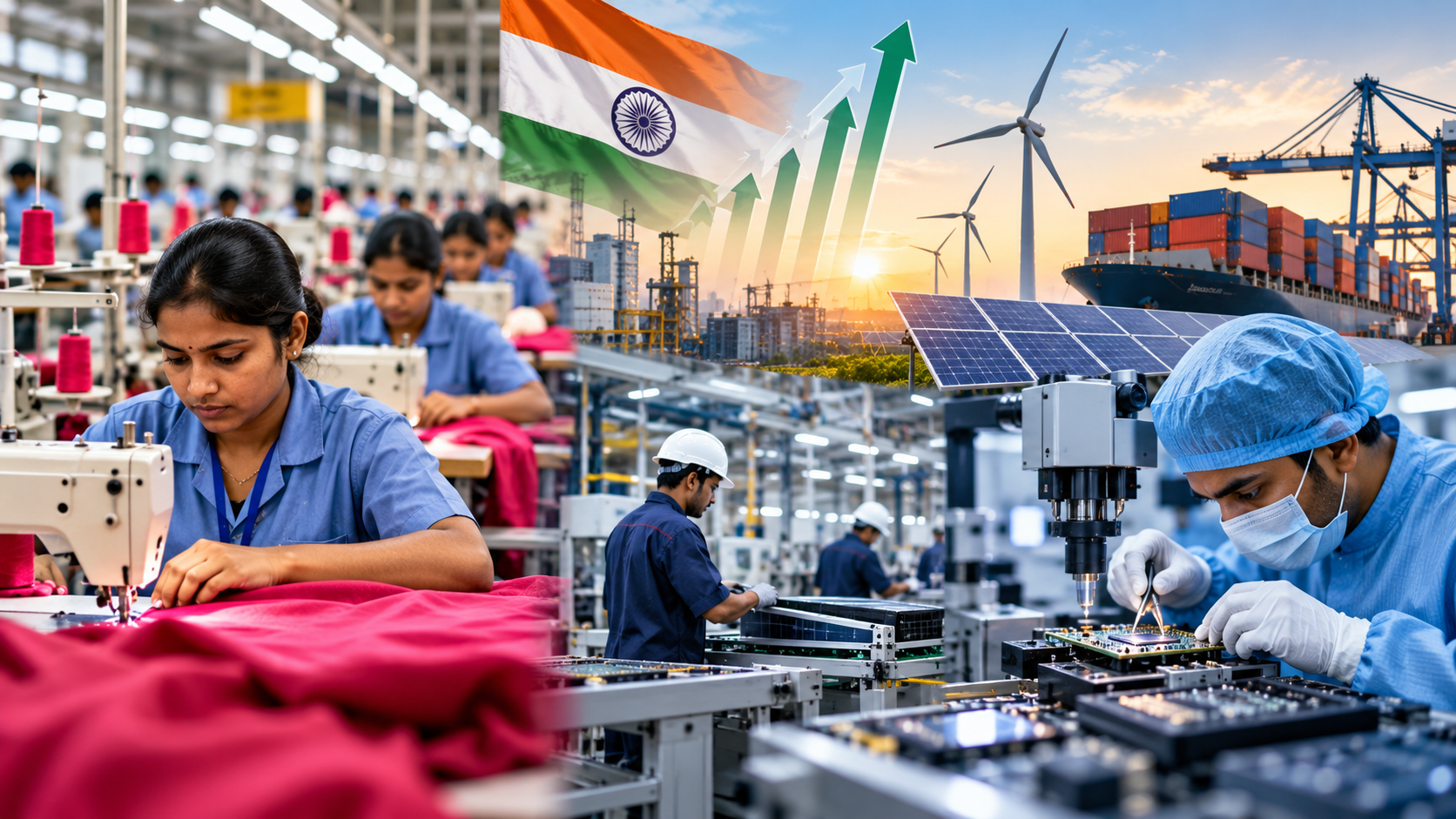
- Textiles, apparel, footwear and food processing can generate large-scale employment.
- Semiconductors, electronic components and clean technologies can strengthen India’s technological capabilities.
- Industrial incentives should have clear goals and undergo regular performance reviews of ki ki in is it
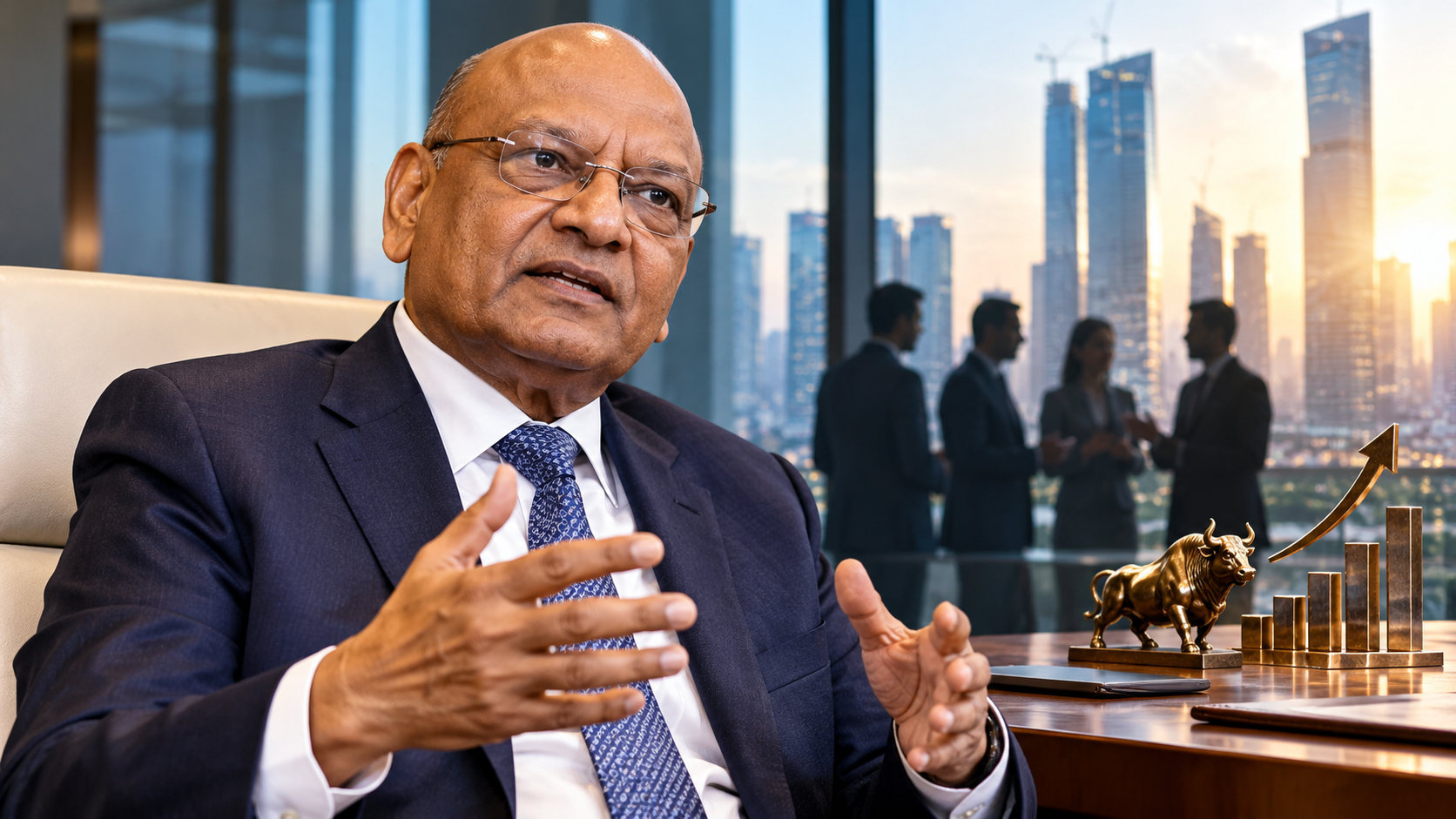
New Delhi, October 29, 2026: The government should support both employment-generating industries and advanced technology sectors to strengthen India’s manufacturing ecosystem, Economic Advisory Council to the Prime Minister (EAC-PM) Chairman S Mahendra Dev said on Thursday.
Speaking at an event organised by the Institute for Studies in Industrial Development (ISID), Dev emphasised that industrial support must be carefully designed, linked to measurable objectives and reviewed regularly to ensure effective utilisation of public resources.
Focus on Employment and Advanced Technology
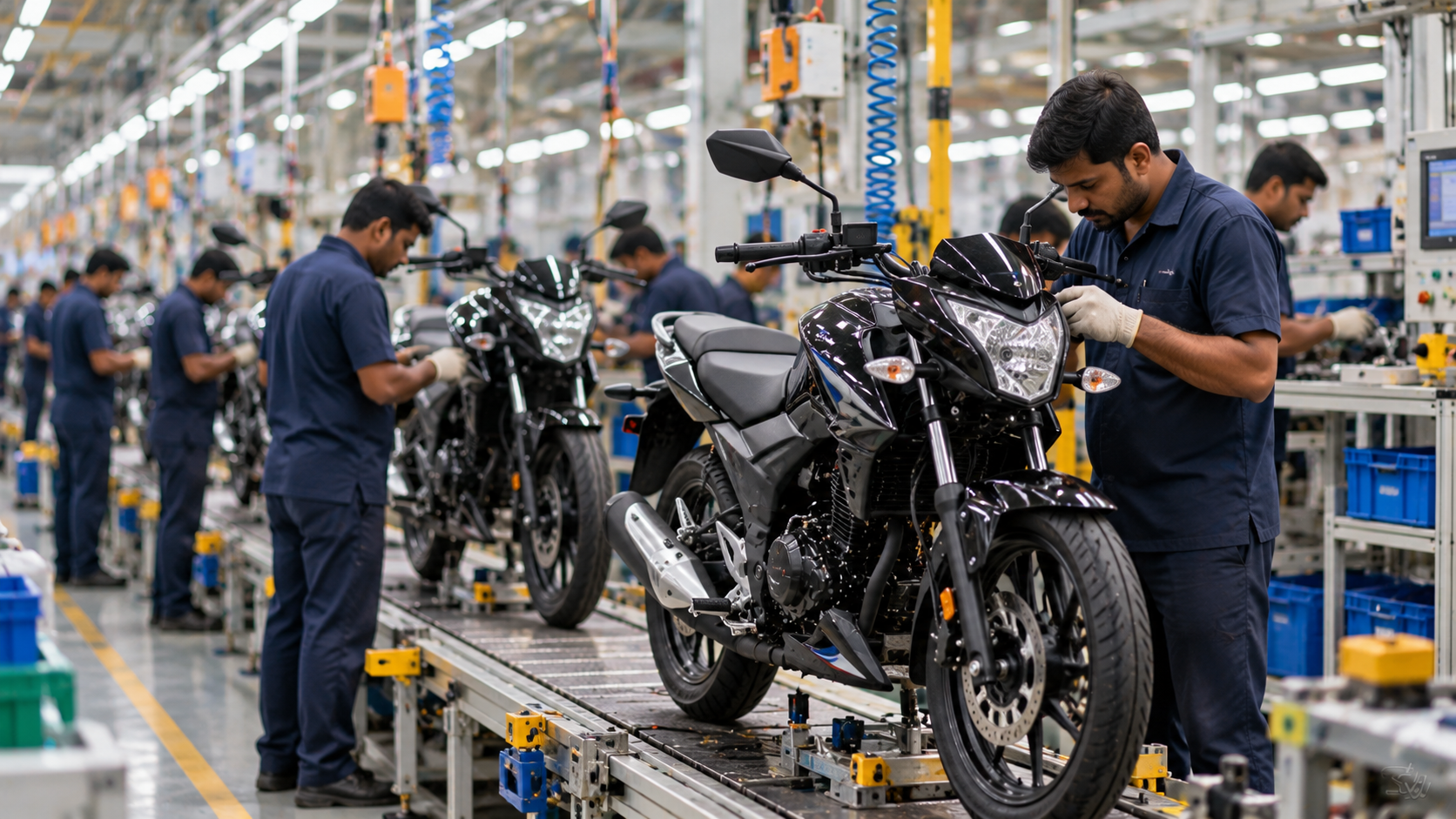
Dev identified textiles, apparel, footwear and food processing as labour-intensive sectors capable of generating employment on a large scale.
At the same time, he said industries such as semiconductors, electronic components, advanced materials and clean technologies are essential for strengthening India’s technological capabilities.
He stressed that the Atmanirbhar Bharat initiative does not mean returning to the pre-1991 economic framework. Instead, the focus should remain on improving product quality and strengthening global competitiveness.
Global Supply Chain Shift Creates Opportunity
Dev said changing tariffs and geopolitical tensions are encouraging multinational companies to diversify their supply chains.
Businesses that previously depended on a single manufacturing location are increasingly looking for large, stable and reliable production partners.
According to Dev, this shift presents a significant opportunity for India to expand its role in global manufacturing.
India’s Smartphone Exports Show Strong Growth
Highlighting India’s progress, Dev said the country’s share of smartphones shipped to the United States increased from approximately one in eight to more than four in ten within a year.
He also noted that India’s electronics exports have increased more than eightfold over the past decade, making electronics one of the country’s three leading merchandise export categories.
However, he said India must convert these early achievements into broader industrial transformation.
Land, Credit and Skills Remain Challenges
Dev identified land availability as a major constraint on industrialisation.
He also highlighted the shortage of medium-sized manufacturing firms employing approximately 500–1,000 workers, compared with countries such as China.
Access to credit and skilled workers requires improvement, particularly as manufacturing becomes increasingly capital-intensive and technology-driven.
Competitiveness Key to Manufacturing Growth
Dev emphasised that global buyers prioritise manufacturing systems offering scale, competitive costs and consistent product quality.
He said India must strengthen these capabilities while ensuring industrial incentives deliver measurable results.
The EAC-PM chairman added that reforms are already underway, but sustained improvements will be necessary to turn India’s growing manufacturing opportunities into long-term economic and employment gains.