The Supreme Court has asked the Centre how it plans to ensure adequate ethanol supply for vehicles running on nearly 100% ethanol, even as the government maintains that petrol blending will remain at 20% for now.
Highlights
- Supreme Court questions Centre over ethanol supply for E100-compatible vehicles.
- Road Transport Ministry notified changes allowing flex-fuel vehicles capable of running on nearly pure ethanol.
- Government says there is no immediate plan to increase ethanol blending in petrol beyond 20%.
- Attorney General says large-scale manufacturing changes would be needed to support E100 fuel.
New Delhi, October 29, 2026: The Supreme Court on Thursday questioned the Centre over its plans to ensure adequate ethanol supply after the government permitted vehicles capable of running on nearly 100% ethanol, commonly known as E100.
A bench comprising Justices M M Sundresh and Prasanna B Varale raised the issue while hearing petitions related to ethanol allocation for the Ethanol Supply Year (ESY) 2025–26.
The court referred to recent reports about the government’s decision to allow E100-compatible flex-fuel vehicles and sought clarification on how sufficient fuel would be made available.
Supreme Court Questions E100 Fuel Supply
During the hearing, the bench referred to newspaper reports about permission for vehicles capable of running on 100% ethanol.
“Academically, we want to know if the permission is given to have 100 percent ethanol run vehicles, how will you make the supply,” the bench asked.
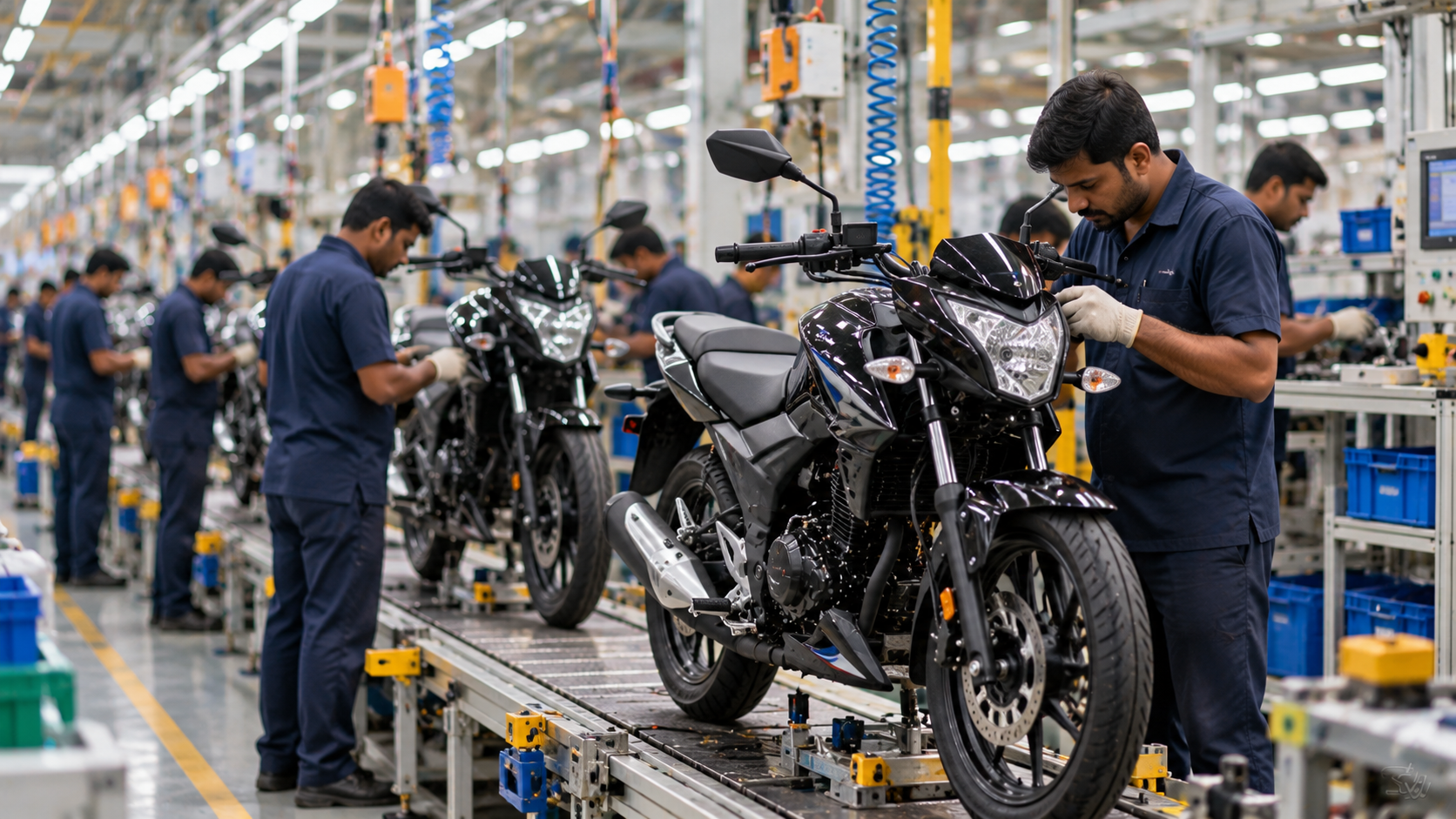
Responding to the court’s query, Attorney General R Venkataramani said meeting such requirements would involve large-scale manufacturing rearrangements.
Government Allows E100-Compatible Vehicles
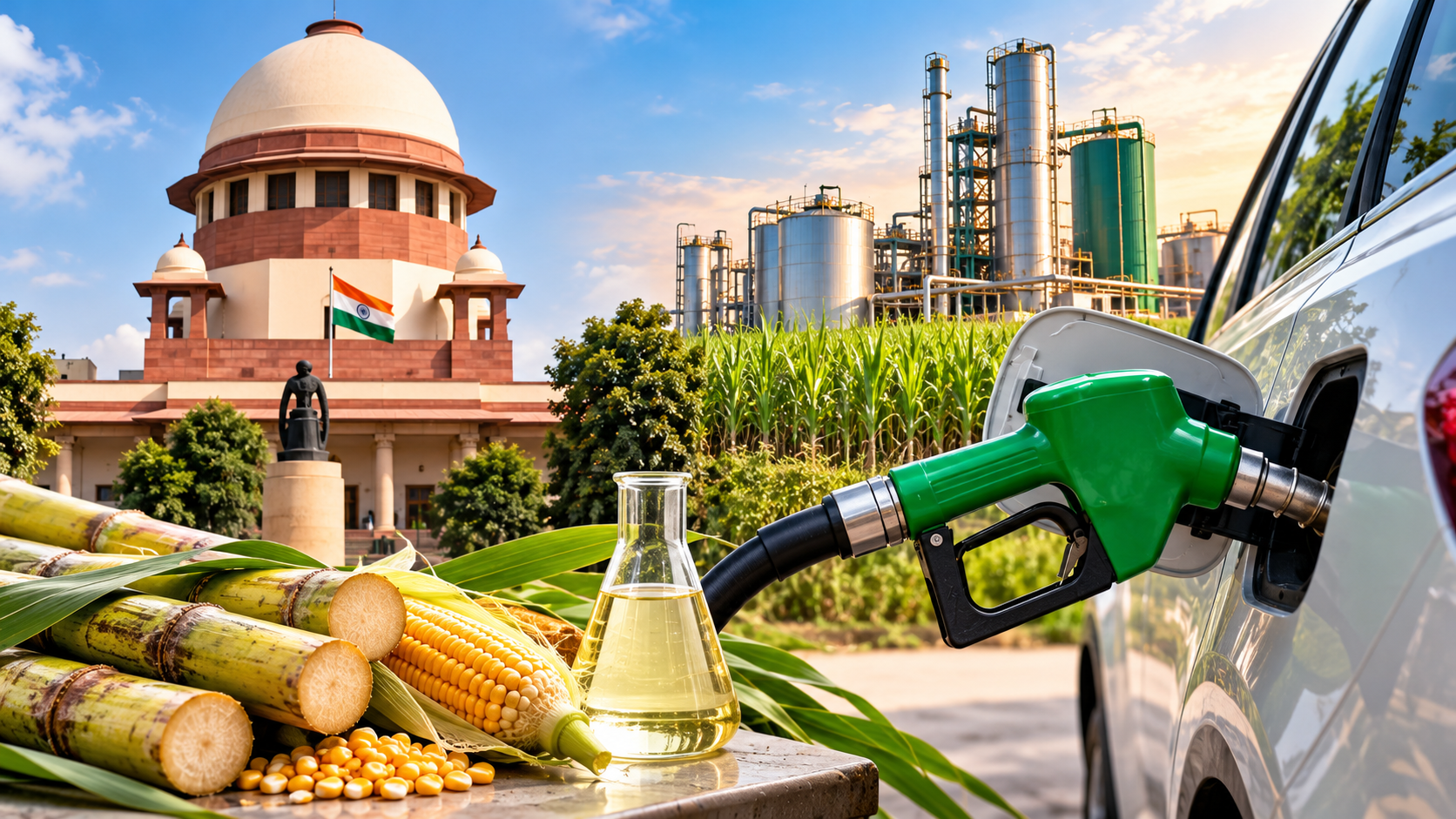
On October 26, the Ministry of Road Transport and Highways notified amendments to the Central Motor Vehicles Rules, 1989, permitting flex-fuel vehicles capable of operating on fuel containing up to nearly 100% ethanol.
E100 refers to fuel consisting almost entirely of ethanol, a biofuel that can be produced from agricultural feedstocks.
However, allowing E100-compatible vehicles does not automatically mean that such fuel will become widely available across petrol pumps.
No Immediate Plan to Increase Ethanol Blending
On October 27, Union Petroleum and Natural Gas Minister Hardeep Singh Puri said the government had no immediate plans to increase ethanol blending in petrol beyond the existing 20% level.
The statement highlights the distinction between permitting vehicles that can use higher ethanol concentrations and expanding the country’s ethanol fuel supply infrastructure.
Supreme Court Highlights Farmers’ Interests
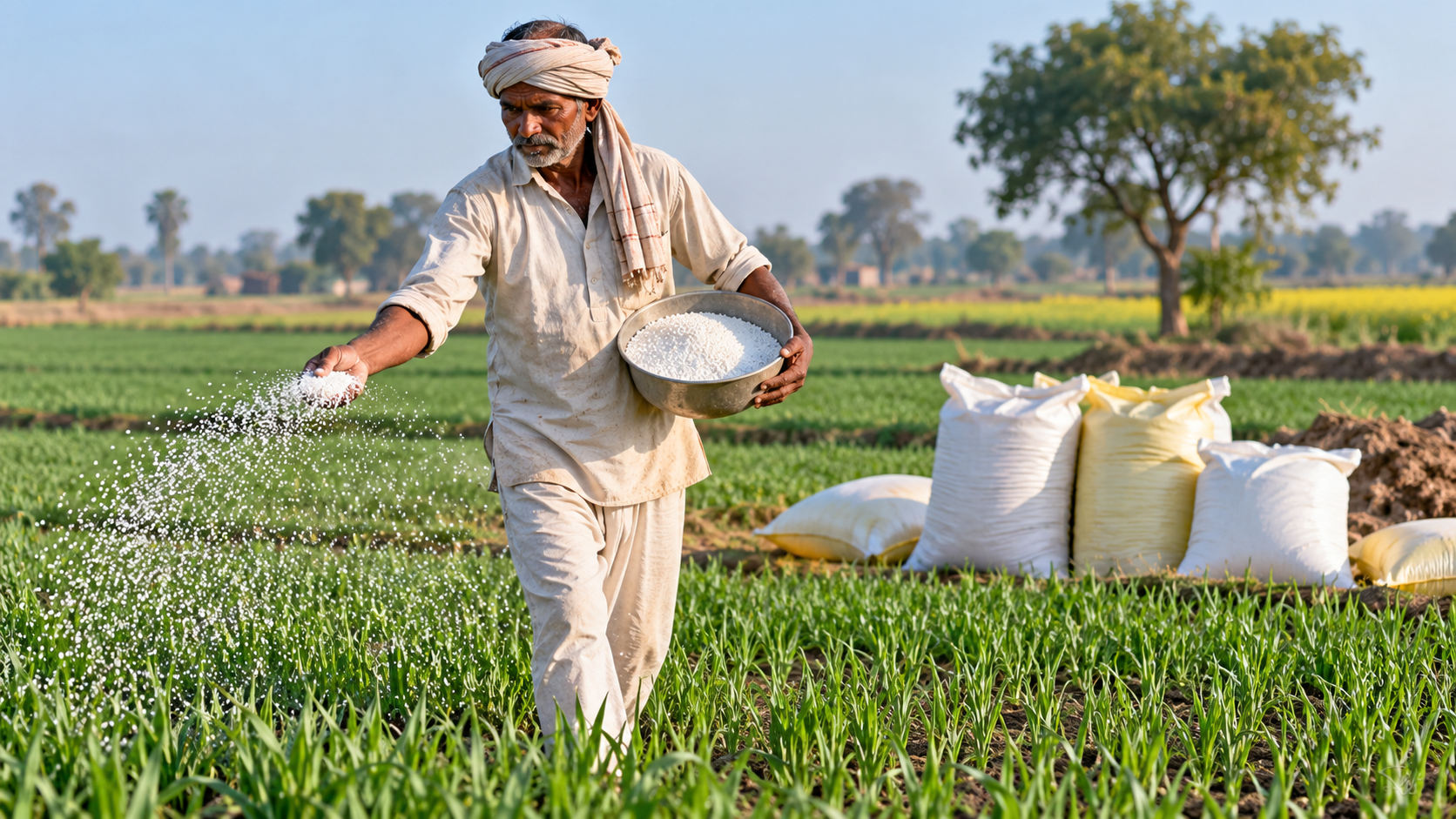
Apart from fuel availability, the Supreme Court emphasised the importance of considering farmers’ welfare while examining ethanol-related policies.
Justice Sundresh observed that the larger public interest and environmental implications must also be taken into account.
“We have to address the third issue which is how to empower the farmers,” he said, highlighting an aspect that he felt was not receiving sufficient attention.
Ethanol Policy and Future Challenges
Ethanol production is closely linked to India’s agricultural economy, with crops and agricultural feedstocks providing raw materials for biofuel manufacturing.
Expanding the use of high-ethanol fuels could require additional production capacity, dedicated distribution infrastructure and coordination between fuel suppliers and automobile manufacturers.
The court’s observations bring attention to the practical challenges of supporting E100-compatible vehicles while balancing fuel availability, environmental objectives and farmers’ interests.