Hyundai Motor India is banking on festive demand, new models and additional production capacity to sustain domestic growth, while targeting stronger export performance in the second half of the financial year.
Hyundai Motor India has reaffirmed its target of achieving 8–10% growth in domestic sales during the 2026–27 financial year, citing festive demand, new product launches and increased production capacity. The company also expects exports to record high double-digit growth in the second half of the fiscal year, according to its management. Rediff
Managing Director and Chief Executive Officer Tarun Garg said the company expects to maintain its growth momentum and outperform the broader passenger vehicle industry in the second half of FY27.
During the first half of the financial year, Hyundai’s domestic sales volume increased by 12.3% year-on-year to approximately 3.05 lakh units. Exports rose 7.6% to around 92,000 units, according to the reported figures.
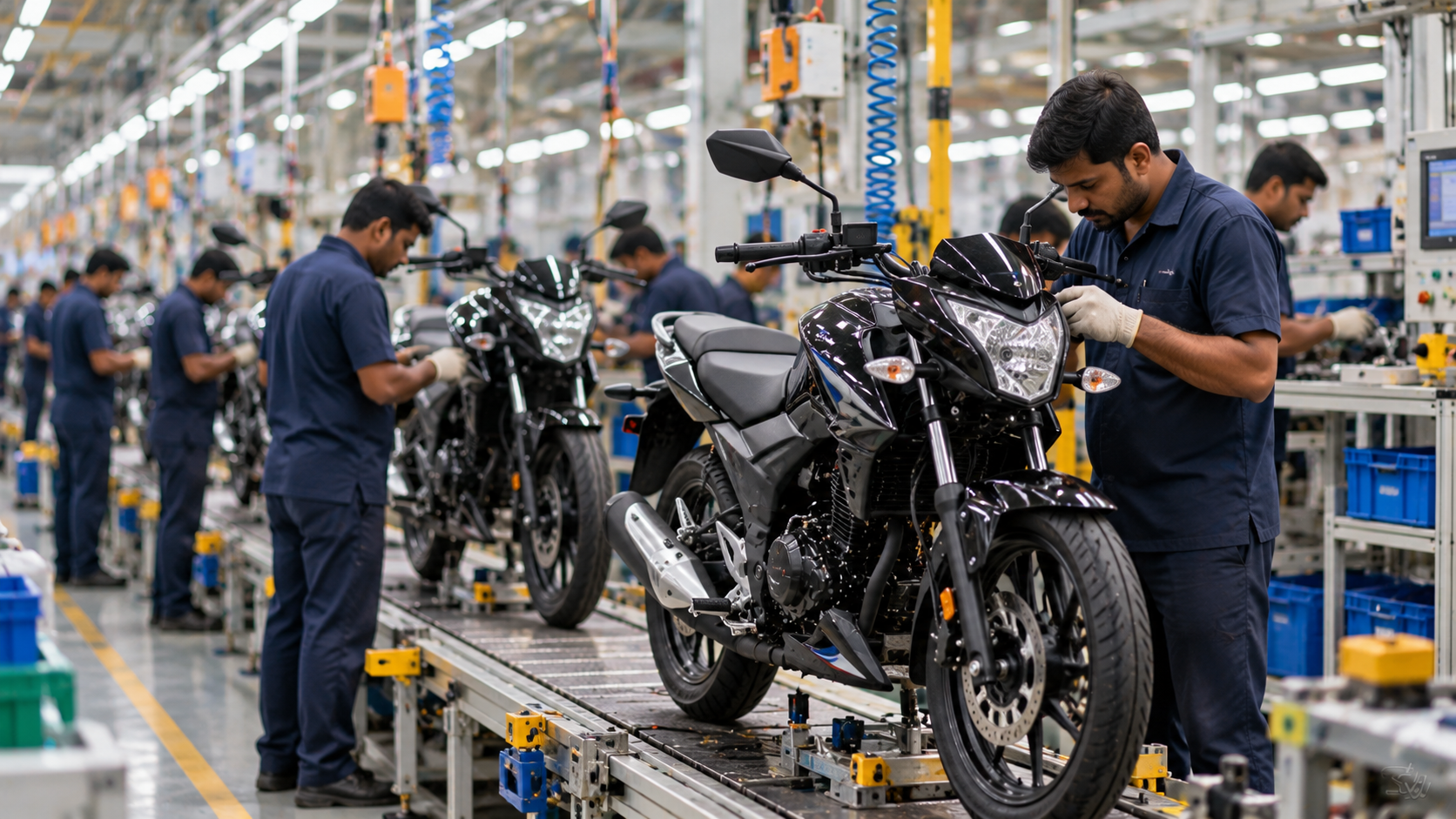
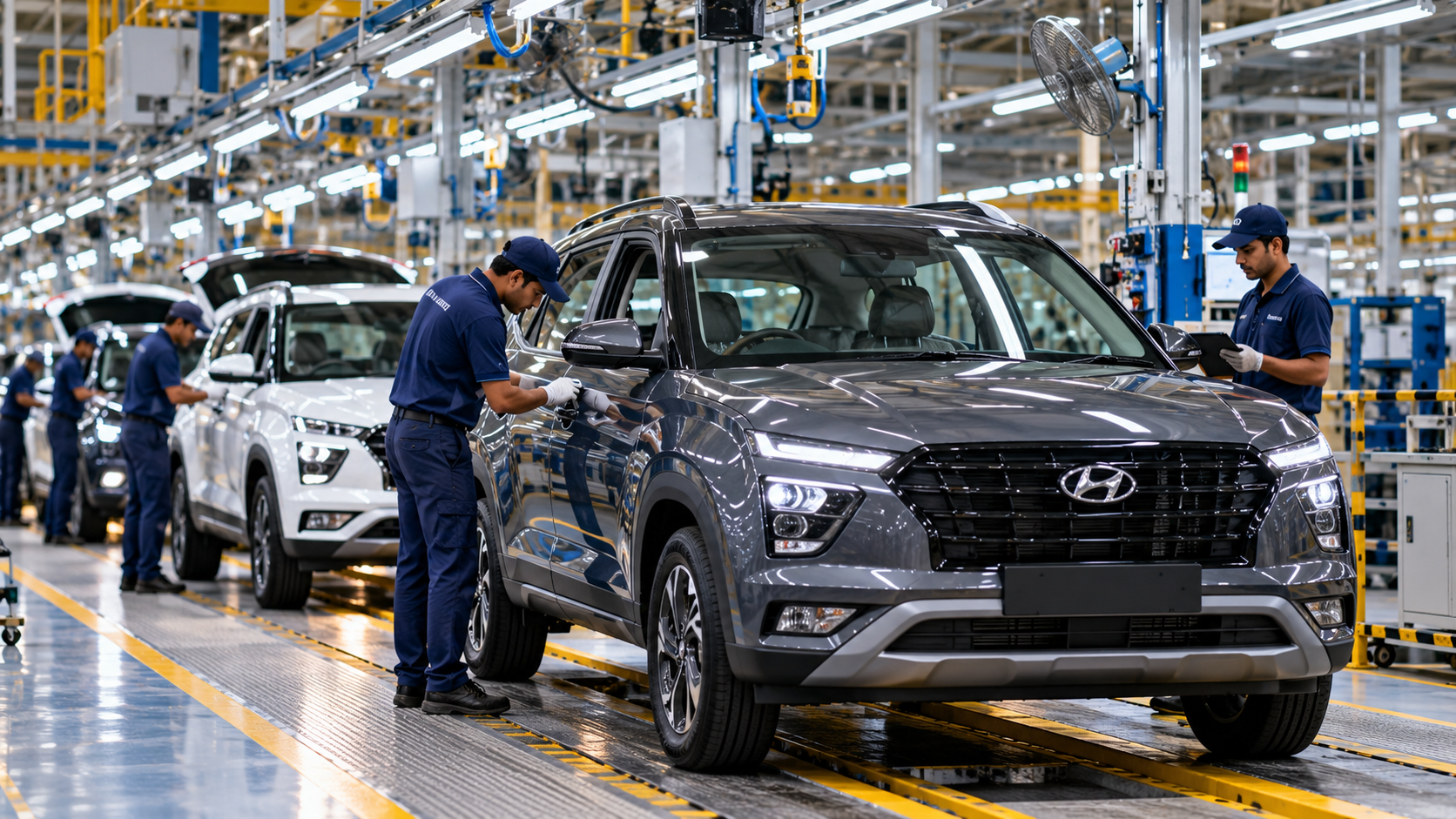
The company is counting on new products and additional manufacturing capacity to support demand. Production from the third shift at its Pune facility is expected to contribute to its domestic sales plans, alongside the introduction of new vehicles.
Hyundai also expects rural demand to remain strong, with rural markets potentially growing faster than urban markets. The company sees sport utility vehicles (SUVs) playing a larger role in its portfolio, projecting their share to rise from around 68–69% currently to approximately 75% over the next 12–18 months.
For exports, Hyundai plans to expand shipments to markets in Latin America and Mexico. The company is also preparing to export its new Bayon model to around 50 markets, with shipments expected to begin in the next quarter, according to the report.
However, rising commodity costs remain a concern. Hyundai’s earnings release for the September quarter showed its EBITDA margin at 9.5%, compared with 13.9% in the corresponding quarter a year earlier. The company said elevated commodity costs weighed on profitability. Hyundai
Garg said Hyundai was monitoring input costs before deciding on vehicle price increases. He indicated that if cost pressures persist, a price hike would be considered, with January identified as a likely point for a decision.
Hyundai’s performance in the second half will depend on consumer demand, the contribution from new models, export conditions and the extent to which higher input costs affect margins.