
Is India’s e-commerce policy on the right track?

• India has expressed its dissent on the proposed e-commerce rules submitted by EU at the WTO in April 2019.
• From India’s perspective, the new rules will undermine the flexibilities available under the GATT and GATS.
• India’s position on data sovereignty and localization has been criticised by developed countries as being discriminatory. However, even domestic industry does not seem to approve of the proposals in the draft e-commerce policy.
• India should reconsider its position on these issues, as they could be detrimental to the growth of the nascent e-commerce sector.

TPCI-IBT-Business-Perspectives

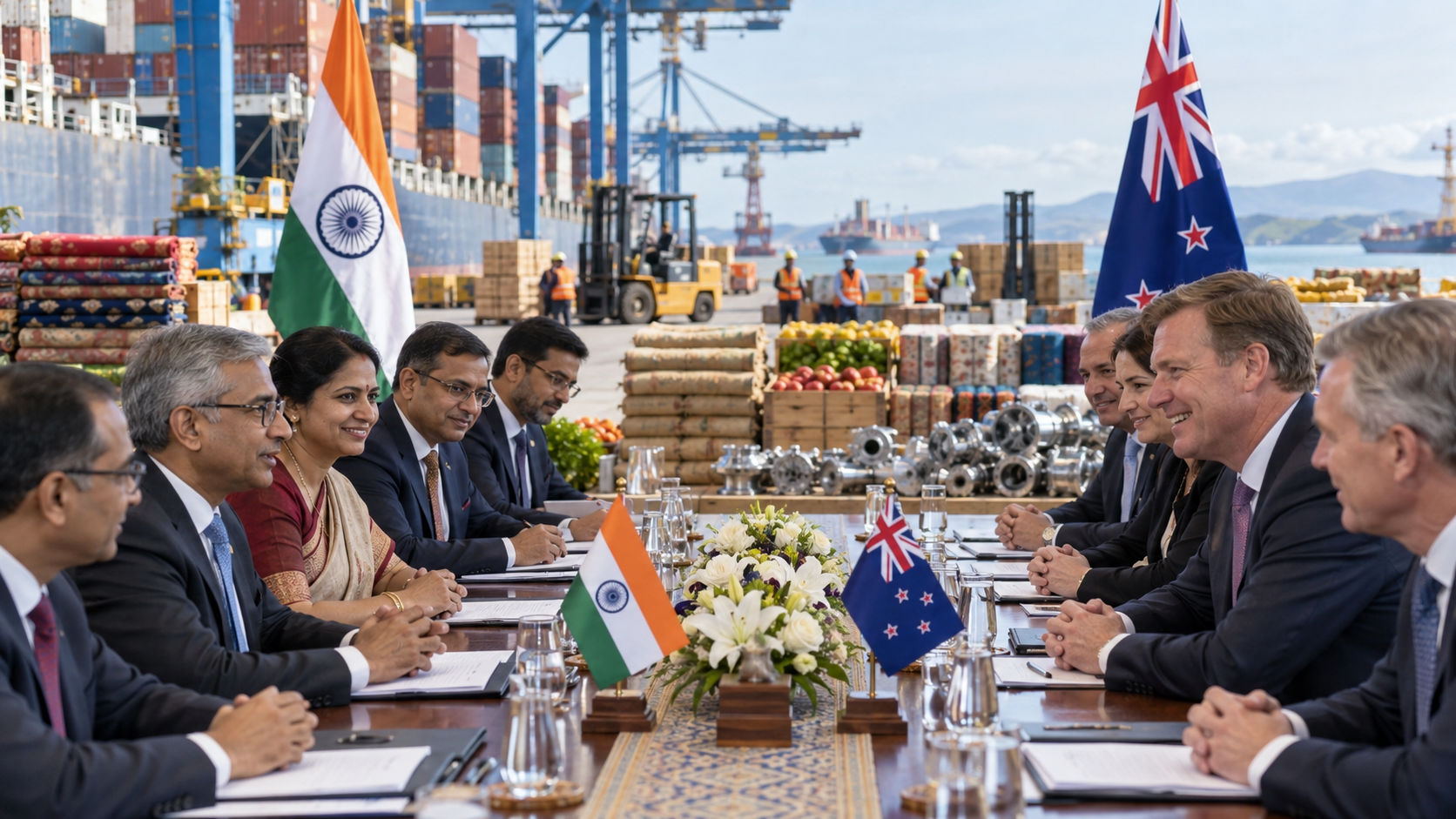
A potential conflict is brewing in the WTO on the issue of formalisation of rules for digital trade. India has placed on record its strong opposition to the proposed e-commerce rules submitted by EU on April 29 at the forum. India’s permanent representative at the WTO Mr J S Deepak has cautioned that developing countries like India are not ready for binding rules in e-commerce.

While addressing the Informal Trade Negotiations Committee of the Heads of Delegates, Mr Deepak said, “We fear the impact of some of the e-commerce rules being proposed under the Joint Initiative on e-commerce, on existing trade rules, particularly the General Agreement on Tariffs and Trade (GATT) tariffs, which protect our industry, and General Agreement on Trade in Services (GATS) schedules that provide us useful flexibilities. Both the GATT and GATS could wither away due to the onslaught of the so-called ‘high standard’ e-commerce elements.”

Led by major economies like EU, US, Japan and China, seventy-six member countries of the WTO have commenced separate negotiations to decide on rules and obligations in e-commerce. On the other hand, India prefers to follow the ongoing multilateral programme on e-commerce at the WTO and get it finalized.

DRAFT E-COMMERCE PROPOSAL TABLED BY EU AT THE WTO

Some of the core proposals of the draft e-commerce rules tabled by the EU are as follows:

• Guarantee the validity of e-contracts and e-signatures
• Strengthen consumer consumers’ trust in the on-line environment
• Adopt measures to effectively combat spam
• Tackle barriers that prevent cross-border sales today
• Address forced data localization requirements, while ensuring protection of personal data
• Prohibit mandatory source code disclosure requirements
• Permanently ban customs duties on electronic transmissions
• Adhere to the principle of open internet access
• Upgrade existing WTO disciplines on telecommunication services to ensure that they are fit to support today’s vibrant internet ecosystem that is the main enabler of e-commerce.
• Improve market access commitments in telecommunication and computer related services.

India is particularly opposed to two elements under the EU proposal – banning of customs duty on electronic transmissions and data localisation. India’s draft e-commerce policy clearly unequivocally identifies data as a sovereign asset, which cannot be allowed to cross the borders of the country. While China is part of the informal group, it has also put a precondition of data security.

On the moratorium for customs duties, India is apprehensive of the potential loss of revenue, especially for developing countries. Mr Deepak stated that India would also like to estimate the amount of revenue loss that could result from new technologies like additive manufacturing and the manufacturing of many dutiable goods through digital printing.

Opposition within and beyond borders

The office of the US Trade Representative (USTR) has disparaged India’s draft e-commerce policy as restrictive, since it raises costs for suppliers of data-intensive services who have to construct redundant data centres in India. It has urged India to reconsider the ‘discriminatory aspects’ like “broad-based data localisation requirements and restrictions on cross-border data flows, expanded grounds for forced transfer of intellectual property and proprietary source code and preferential treatment for domestic digital products”. This is also a major issue in onging trade negotiations between the US and India.

TPCI_Graph_02_E-commerce India opposition story-11

The policy has been criticized even within India. The Internet & Mobile Association of India (IAMAI) feels that the draft policy could be inimical to India’s plans to build a trillion dollar digital economy by 2022. It states that cross-border curbs on data flow, broadening the definition of e-commerce to all digital services and enforcing data localization could serve to cut down on FDI inflows into the sector.

NASSCOM has commented that by covering a wide range of entities including e-commerce platforms, IoT, search engines, ISPs, etc the Department for Promotion of Industry and Internal Trade (DPIIT) has put up conflicting views in areas that are core to other ministries. It feels that this is avoidable, and DPIIT should keep the focus on e-commerce only.

Furthermore, the industry body feels that storage of data within India should not be mandatory. Instead, firms should naturally opt to consider India for their data centre operations with improved efficacy of domestic infrastructure and business efficiencies. Also, NASSCOM has opined that the policy does not clearly specify the link between level playing field, access to data and innovation.

Perhaps the most critical concern for India is its mixed history with multinational e-commerce firms, which essentially implies Amazon and Flipkart (now under Walmart). The government issued revised guidelines for e-commerce in India in February 2019 to provide a level playing field for domestic firms.

It barred e-commerce platforms from selling exclusive products on their portals and stocking over 25% of inventory from one vendor. It also prevented e-commerce firms with foreign investment from selling products of retailers in which they hold equity investments. Moreover, India barred e-commerce entities from offering deep discounts, as it was deemed to be an anti-competitive and disruptive practice.

These rules affect Amazon and Flipkart in particular, who together own around 90% of the Indian e-commerce market at present, according to estimates. This also implies that only large entrants with deep pockets like Reliance can effectively compete with these companies. So restrictive policies may only benefit larger Indian players rather than SMEs.

The e-commerce industry has come a long way since Sachin and Binny Bansal conceptualized Flipkart in 2007, but it has barely scratched the surface. By 2023, just around 32% of Indian customers will be online shoppers. At this juncture, the government would do well to reconsider the proposals laid out in its draft e-commerce policy, particularly by understanding its potential impact on the growth of e-commerce industry and the ultimate benefit to consumers.


Previous Post
Next Post

Most Recent Posts

  • All Post
  • 8th Pay Commission
  • Aadhar
  • Aditya Birla Capital
  • Advertising Standards
  • Affordable Housing
  • Agriculture
  • Agriculture & Food
  • AI in Healthcare
  • AI Technology
  • Airlines
  • alcohol industry
  • Android
  • APEDA
  • Apple
  • Artificial Intelligence
  • Ashwini Vaishnaw
  • asian para games
  • Asset Management
  • Atmanirbhar Bharat
  • Audio Devices
  • Audio Products
  • Auto Industry
  • Automobile
  • Automobiles
  • Automotive
  • Automotive Industry
  • Aviation
  • Bain Healthcare Report 2026
  • Bank
  • Banking
  • Banking Technology
  • Battery Industry
  • Beverage Industry
  • Beverages
  • Bihar
  • biotechnology
  • Bitcoin
  • BMW Group India
  • Brand Insight
  • BRICS
  • Bullion Market
  • Business
  • Business & Economy
  • Business & Trade
  • Business Leadership Post COVID-19
  • Business News
  • Business Terminology
  • Business Utilities
  • Buyback
  • Capital Goods
  • Capital Markets
  • CarsBusiness
  • CBIC
  • CCI
  • chemicals
  • Child Investment
  • China
  • China technology news
  • Citizen Services
  • Clean Energy
  • Clean Technology
  • Cloud Computing
  • coal
  • Commerce
  • Commerce and Industry
  • Commercial Real Estate
  • Commercial Vehicles
  • Commodities
  • Communications
  • Companies
  • Competition Law
  • Compliance
  • Computer Accessories
  • connected cars
  • Consumer
  • Consumer Affairs
  • Consumer Electronics
  • Consumer Finance
  • Consumer Goods
  • Consumer Health
  • Consumer Markets
  • Consumer News
  • Consumer Protection,
  • Consumer Rights
  • Consumer Spending
  • Consumer Trends
  • Content Creation
  • Copper
  • Corporate
  • corporate affairs
  • Corporate Earnings
  • Corporate Governance
  • Corporate News
  • Corporate Social Responsibility
  • Cost of Living
  • Country
  • CRED
  • Credit Cards
  • CREDIT RATING
  • crime
  • Crude Oil
  • Cryptocurrency
  • CSR
  • Culture
  • Currency
  • Customs Duty
  • Cyber Security
  • Cybersecurity
  • Dairy Industry
  • Data & Analytics
  • Defence
  • Delhi Government
  • Delhi-NCR
  • Demographics
  • Derivatives
  • DGCA
  • DGFT
  • DigiLocker
  • Digital Assets
  • Digital Economy
  • Digital Health India
  • Digital Identity
  • Digital India
  • Digital Infrastructure
  • Digital passport for robots
  • Digital Payments
  • Digital Platforms
  • digital services
  • Diplomacy
  • Dixon Technologies
  • DPIIT
  • E Commerce
  • E-commerce
  • E-Governance
  • Ease of Doing Business
  • Economic Growth
  • Economy
  • Edible Oil Industry
  • Editor Choice
  • EdTech
  • Education
  • Electric Mobility
  • Electric Vehicles
  • Electronics
  • Employment
  • ENERGY
  • Engineering
  • Entertainment
  • Environment
  • EPFO
  • Ethanol Economy
  • EV Industry
  • EV Technology
  • Exports
  • EXTER
  • Farmers
  • Fashion
  • FINANCE
  • Finance Ministry,
  • Financial Marketing
  • Financial Markets
  • Financial News
  • Financial Planning
  • Financial Results
  • Financial Services
  • Fintech
  • FnTech
  • Food & Beverage
  • Food & Beverages
  • Food Exports
  • Food Industry
  • Food Manufacturing
  • Food Processing
  • Food Regulations
  • food safety
  • Foreign Exchange
  • Foreign Investment
  • Foreign Policy
  • Foreign Trade
  • Forex Reserves
  • fssai
  • FTA
  • Fuel
  • Fuel Prices
  • Future Energy
  • Gadgets
  • Gadgets & Apps
  • Gaming
  • GDP
  • Generative AI Healthcare
  • Geopolitics
  • GI Products
  • Global Brand Alliance
  • Global Economy
  • Global Markets
  • Global Politics
  • Global Tech
  • Global Trade Policy
  • Global Trends\
  • Gold
  • Gold Market
  • Gold Prices
  • Gols & Silver
  • Government
  • Government & Policy
  • Government Affairs
  • Government Bonds
  • Government Data
  • Government Initiatives
  • Government Policy
  • Government Policy & Regulation
  • Government Scheme
  • Government Schemes
  • Government Services
  • Green Energy
  • Green Mobility
  • GroupGlobal
  • GST
  • GST Council
  • GST Counsil
  • Hair Care
  • Hardware
  • Hatchback Segment
  • Health Supplements,
  • Horticulture
  • Housing
  • HSBC
  • Human Resources
  • humanoid robot market
  • Hyundai
  • IBT Infographics
  • iinvestment
  • Imports & Exports
  • Income Tax
  • India
  • India Auto Market
  • India Business News
  • India Inc
  • India News
  • India Retail
  • India-Canada Relations
  • India-China
  • India-Japan Relations
  • India-Russia Relations
  • India-South Korea Relations
  • India-US Relations
  • Indian Economy
  • Indian Navy
  • Industrial Pollution
  • Inflation
  • Infra
  • Infrastructure
  • Innovation
  • Instagram
  • Insurance
  • international
  • International Affairs
  • International Cooperation
  • International Relations
  • International Trade
  • Internet & Connectivity
  • Internet Policy
  • Internet Regulation
  • Interview
  • Investing
  • Investment News
  • Investments
  • iPhone News
  • IPO
  • IT Industry
  • Jewellery
  • Jio Platforms
  • JioBlackRock
  • Jobs & Careers
  • Joint Ventures
  • Kim Kardashian
  • Labour
  • Latest
  • Launches
  • Leadership
  • Leaderspeak
  • Lending
  • Lifestyle
  • Lifestyle Tech
  • List
  • Loans & Credit
  • Local News
  • Logistics
  • LPG
  • Luxury Cars
  • Machinery
  • Macroeconomics
  • Macroeconomy
  • maharashtra
  • Maharashtra News
  • Make in India
  • Makhana
  • Manufacturing
  • Market Outlook
  • Markets
  • Maruti Suzuki
  • Mergers & Acquisitions
  • Meta
  • Microsoft
  • Middle East
  • Mobile Apps
  • Mobile Industry
  • Mobile Launch
  • Mobility
  • Monetary Policy
  • Monsoon
  • MoSPI
  • MSME
  • Mutual Funds
  • Nano Tech
  • National
  • National news
  • NEET 2026
  • NewsElectric
  • NewsTata
  • NPCI
  • NPS Vatsalya
  • Office Market
  • Oil & Gas
  • Oil and Gas
  • Others
  • OTT
  • Packaged Drinking Water
  • Packaged Foods
  • Packaging Industry
  • Packaging Innovation
  • para archery
  • Passenger Vehicles
  • Paytm
  • Pension & Retirement
  • Pensions
  • Personal Care
  • Personal Finance
  • Perspectives
  • Petroleum
  • PFRDA
  • Pharmaceuticals
  • PM Modi
  • PMAY-G
  • PMAY-U
  • PMAY,
  • PMI
  • policy
  • Population
  • PORTS
  • Positive News
  • PPF
  • Precious Metals
  • Pricing
  • Product Labeling
  • Product Labelling
  • Product Launch
  • Property Market
  • PSU
  • PSU Banks
  • Public Health
  • Public Policy
  • Public Safety
  • Public Sector
  • Public Services
  • Public Welfare
  • Quarterly Results
  • Railways
  • Rajasthan
  • Raksha Bandhan
  • Raksha Bandhan Gifts
  • Rare Earths
  • RBI
  • Real Estate & Realty Sector
  • Recycling
  • Regulation
  • Regulatory Action
  • Regulatory Affairs
  • Regulatory Updates
  • REIT
  • Reliance Industries
  • Renewable Energy
  • RERA
  • Research
  • Retail
  • Retirement Planning
  • Road Infrastructure
  • Robotics & Automation
  • robotics standards
  • Rupee
  • Rural Development
  • Rural Housing
  • SAIL
  • Salaries
  • Samsung
  • Savings
  • Science & Technology
  • Sebi
  • Security
  • Semiconductor
  • Services Sector,
  • SHIPPING
  • Silver Prices
  • Skill Development
  • Skills Development
  • Small Business
  • Smart Devices
  • Smart Home
  • Smart Mobility
  • Smartphones
  • Social Impact
  • Social Media
  • Society
  • Software Development
  • Solar Energy
  • Space Technology
  • sports
  • Startups
  • Statistics
  • Steel Industry
  • Stock Market
  • stocks
  • streaming
  • Sugar Industry
  • Sukanya Samriddhi Yojana
  • Sustainability
  • SUV
  • Tamil Nadu Pollution Board
  • Tariffs
  • Tariffs & Duties
  • Tata Group
  • Tata Motors
  • Tata Sons
  • Tax Planning
  • Taxation
  • Tech
  • Tech Branding
  • Technology
  • Telecom & Technology
  • Telecom Industry
  • Top Story
  • Tourism
  • Trade
  • Trade Agreement
  • Trade Basket
  • Trade Partner
  • Trade Policy,
  • Transportation
  • Travel
  • Trending
  • Two-Wheelers
  • UIDAI
  • UPI
  • Urban Development
  • US-Iran Conflict Economic Impact
  • US–India Relations
  • Uttar Pradesh
  • VehiclesLuxury
  • vivo
  • Wastewater Management
  • Water Quality,
  • Wealth Management
  • Wearables
  • Wellness
  • WhatsApp
  • Wheat
  • Workplace
  • World
  • World News
  • Worldview
  • Yamaha
  • zLead Slider
    •   Back
    • Healthcare
    • Auto
    • Fmcg
    • Hospitality
    •   Back
    • Cash Crop
    • Organic
    • New Era Agri
    • Processed Food
    •   Back
    • Construction
    • Power
    • Mining
    • Telecom
    •   Back
    • ENERGY
    •   Back
    • Export/Import
    • Trade Deal
    • Trade Fair
    •   Back
    • Policies
    • Industry
    • Finance
    •   Back
    • Others technology
    • Mobile phone
    • Gadgets
    •   Back
    • Manufacturing
    • Services
    • Startup

India Business & Trade is a national media platform decoding the ideas, decisions and shifts shaping India’s growth story—across plicy, business, global commerce and a rapidly evolving marketplace.

Reach Us

India Business & Trade
M-62, Saket, New Delhi-110064, India

Subscribe To Newsletter

Stay ahead in the dynamic world of trade and commerce with India Business & Trade’s weekly newsletter.

Copyright © 2026 India Business & Trade. All Rights Reserved