Does a US-South Asia trade agreement provide India an impetus?

• In 2018, South Asia’s exports to US dwindled by more than US$ 3 billion, whereas US imports from the rest of the world surged by more than US$ 205 billion.
• CGE results suggest that South Asia is going to be the loser in a South Asia-US free trade agreement. As per the simulation result, South Asia will be losing around 1.8% of the GDP and out of this, India would be losing the maximum.
• US is going to gain about 0.45% of its GDP, primarily from allocative efficiency. There will be welfare increase amongst rest of the world as well.
• It is important that the modifications in policies and negotiations are more harmonized. For example, introduction of FSMA (Food Safety and Modernization Act) and its impact on South Asian exports will be crucial to analyse, as countries in South Asia are a combination of developing and LDC economies.
TPCI-IBT-Business-Perspectives

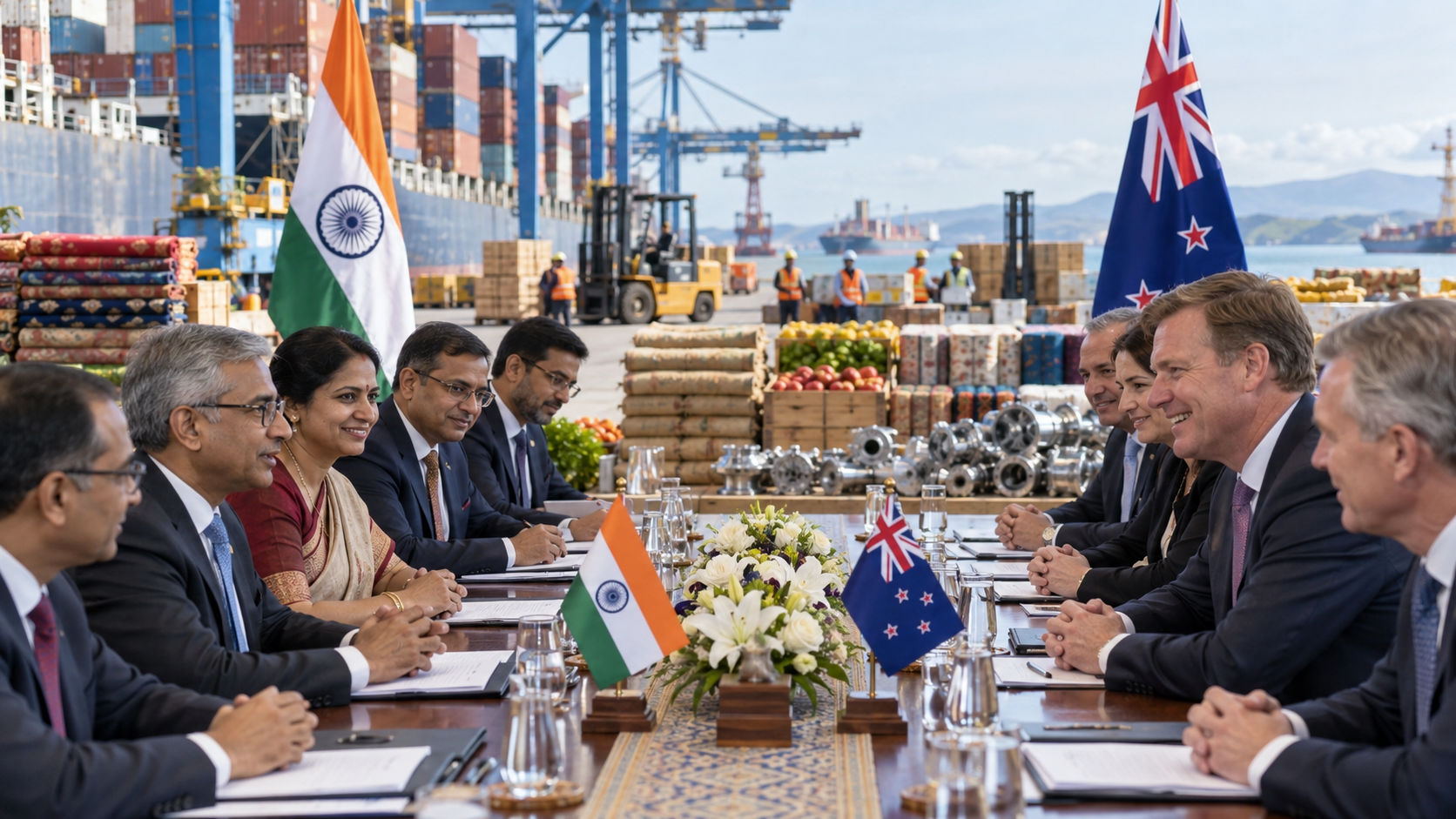
In the backdrop of a persistent trade war between US and India since 2017, both sides seem to have lost optimal trade gains that were expected under normal conditions. It has been a long held view that India needs to sign a trade agreement with the US in order to benefit from the trade liberalization process. After all, India is a key trading partner of the US, which visualizes it as a growth centre in the South Asia region.

But one can consider a wider perspective on the issue. India is an important economy in the South Asian region, which already has an established regional trade bloc (SAARC). So it should be more fruitful if this entire trade bloc could enter into a trade agreement with the US.

In the current situation where the US has gone overtly protectionist, the barometer of trade relations with India has reasonably plunged. Negotiations are on at regular intervals to revive the trade and enhance future trade prospects. There is no denial of the fact that neither India nor South Asia can ignore US for long, hence it could be in their best possible interest to look for a mutual trade agreement between US and South Asia.

After all, complementarities exist, which can benefit member countries in various ways, like slowly boosting global free trade by allowing member countries to intensify their level of competition, providing time to the domestic industry to adjust, and creating an arena to tackle difficult issues like agricultural subsidies and trade in services. It allows countries to phase and sequence their liberalization in a manner that can optimize the benefits and reduce tensions relating to long-term political and ethnic hostility among various member countries.

Low intra-regional trade

South Asia is one of the most politically volatile and economically and historically underdeveloped regions in the world. It is home to a variety of countries having different per capita incomes, macro-economic performance, economic vulnerability index and human development index.

Two low-income countries (Afghanistan and Nepal), five lower-middle-income countries (India, Pakistan, Bangladesh, Bhutan and Sri Lanka) and one upper-middle-income country (Maldives)* occupy over one-fifth of the world’s population including half of this planet’s poor. SAARC is a weak trading bloc as combined GDP is low and HDI scores of most economies are low as well.

This trading bloc has a major comparative advantage in agricultural commodities as opposed to value added technology products, making it less powerful in bargaining terms at a global platform. After the formation of the free trade agreement, overall trade with the rest of the world has burgeoned, but not much has been achieved within the bloc.

The export specialisation pattern of the South Asian Free Trade Area (SAFTA) has not changed much, as the coefficient of Galtonian regression (one of the indicators to evaluate export patterns) is 0.6973. Results of partial regression suggest that SAFTA as a trading bloc did not expand trade within the trading bloc.

One possible reason is that the absolute value of intra-trade is minimal. Hence, it is indispensable for South Asia to look aggressively beyond the SAARC region. US has been one of the vital trading partners of South Asia, as there exists continuity of the complementary trade basket. Current protectionist measures adopted by the US throw up uncertainty and show volatility as far as trade practices and prospects are concerned. Researchers are a little skeptical as to how the path of progress would unfold.

In 2018, South Asia’s exports to US dwindled by more than US$ 3 billion, whereas US imports from rest of the world surged by more than US$ 205 billion. Keeping this volatility in mind, this article is trying to explore the possible outcomes by running several shocks using GTAP database and simulating various scenarios. Since India is already negotiating with US for several years, it would be useful to explore the gains/losses from a possible trade agreement.

CGE results suggest that South Asia is going to lose with a South Asia-US free trade agreement. As per the simulation result, South Asia will be losing around 1.8% of the GDP and out of this India would be losing the maximum. There won’t be any loss in the technology parameter, but this loss will be experienced by allocative efficiency, not by inefficiency. US is going to gain about 0.45% of its GDP, with the major gain coming from allocative efficiency. There will be welfare increase amongst rest of the world as well.

For non-agricultural products, India and South Asia would lose by US$ 5 billion and US$ 6.7 billion respectively in terms of welfare. On the other hand, US is gaining significantly. For agricultural products on the other hand, India is gaining through such a trade agreement, but other South Asian countries are losing, though marginally. As expected, US is gaining by a decent margin.

According to the results, this trade agreement may go the NAFTA way to an extent. But negotiations can be strategised to minimise the losses and gain in areas like technology transfer, skill development and benefits of rules of origin for market access to other countries.  It is important that the modifications in policies and negotiations are more harmonised. For example, introduction of FSMA (food safety and modernization act) and its impact on South Asia’s exports will be crucial to analyse as the region has a combination of developing and LDC economies. Therefore, the question of affordability and implementation needs to be carefully considered.

*Classification according to the World Bank

Previous Post
Next Post

Most Recent Posts

  • All Post
  • 8th Pay Commission
  • Aadhar
  • Aditya Birla Capital
  • Advertising Standards
  • Affordable Housing
  • Agriculture
  • Agriculture & Food
  • AI in Healthcare
  • AI Technology
  • Airlines
  • alcohol industry
  • Android
  • APEDA
  • Apple
  • Artificial Intelligence
  • Ashwini Vaishnaw
  • asian para games
  • Asset Management
  • Atmanirbhar Bharat
  • Audio Devices
  • Audio Products
  • Auto Industry
  • Automobile
  • Automobiles
  • Automotive
  • Automotive Industry
  • Aviation
  • Bain Healthcare Report 2026
  • Bank
  • Banking
  • Banking Technology
  • Battery Industry
  • Beverage Industry
  • Beverages
  • Bihar
  • biotechnology
  • Bitcoin
  • BMW Group India
  • Brand Insight
  • BRICS
  • Bullion Market
  • Business
  • Business & Economy
  • Business & Trade
  • Business Leadership Post COVID-19
  • Business News
  • Business Terminology
  • Business Utilities
  • Buyback
  • Capital Goods
  • Capital Markets
  • CarsBusiness
  • CBIC
  • CCI
  • chemicals
  • Child Investment
  • China
  • China technology news
  • Citizen Services
  • Clean Energy
  • Clean Technology
  • Cloud Computing
  • coal
  • Commerce
  • Commerce and Industry
  • Commercial Real Estate
  • Commercial Vehicles
  • Commodities
  • Communications
  • Companies
  • Competition Law
  • Compliance
  • Computer Accessories
  • connected cars
  • Consumer
  • Consumer Affairs
  • Consumer Electronics
  • Consumer Finance
  • Consumer Goods
  • Consumer Health
  • Consumer Markets
  • Consumer News
  • Consumer Protection,
  • Consumer Rights
  • Consumer Spending
  • Consumer Trends
  • Content Creation
  • Copper
  • Corporate
  • corporate affairs
  • Corporate Earnings
  • Corporate Governance
  • Corporate News
  • Corporate Social Responsibility
  • Cost of Living
  • Country
  • CRED
  • Credit Cards
  • CREDIT RATING
  • crime
  • Crude Oil
  • Cryptocurrency
  • CSR
  • Culture
  • Currency
  • Customs Duty
  • Cyber Security
  • Cybersecurity
  • Dairy Industry
  • Data & Analytics
  • Defence
  • Delhi Government
  • Delhi-NCR
  • Demographics
  • Derivatives
  • DGCA
  • DGFT
  • DigiLocker
  • Digital Assets
  • Digital Economy
  • Digital Health India
  • Digital Identity
  • Digital India
  • Digital Infrastructure
  • Digital passport for robots
  • Digital Payments
  • Digital Platforms
  • digital services
  • Diplomacy
  • Dixon Technologies
  • DPIIT
  • E Commerce
  • E-commerce
  • E-Governance
  • Ease of Doing Business
  • Economic Growth
  • Economy
  • Edible Oil Industry
  • Editor Choice
  • EdTech
  • Education
  • Electric Mobility
  • Electric Vehicles
  • Electronics
  • Employment
  • ENERGY
  • Engineering
  • Entertainment
  • Environment
  • EPFO
  • Ethanol Economy
  • EV Industry
  • EV Technology
  • Exports
  • EXTER
  • Farmers
  • Fashion
  • FINANCE
  • Finance Ministry,
  • Financial Marketing
  • Financial Markets
  • Financial News
  • Financial Planning
  • Financial Results
  • Financial Services
  • Fintech
  • FnTech
  • Food & Beverage
  • Food & Beverages
  • Food Exports
  • Food Industry
  • Food Manufacturing
  • Food Processing
  • Food Regulations
  • food safety
  • Foreign Exchange
  • Foreign Investment
  • Foreign Policy
  • Foreign Trade
  • Forex Reserves
  • fssai
  • FTA
  • Fuel
  • Fuel Prices
  • Future Energy
  • Gadgets
  • Gadgets & Apps
  • Gaming
  • GDP
  • Generative AI Healthcare
  • Geopolitics
  • GI Products
  • Global Brand Alliance
  • Global Economy
  • Global Markets
  • Global Politics
  • Global Tech
  • Global Trade Policy
  • Global Trends\
  • Gold
  • Gold Market
  • Gold Prices
  • Gols & Silver
  • Government
  • Government & Policy
  • Government Affairs
  • Government Bonds
  • Government Data
  • Government Initiatives
  • Government Policy
  • Government Policy & Regulation
  • Government Scheme
  • Government Schemes
  • Government Services
  • Green Energy
  • Green Mobility
  • GroupGlobal
  • GST
  • GST Council
  • GST Counsil
  • Hair Care
  • Hardware
  • Hatchback Segment
  • Health Supplements,
  • Horticulture
  • Housing
  • HSBC
  • Human Resources
  • humanoid robot market
  • Hyundai
  • IBT Infographics
  • iinvestment
  • Imports & Exports
  • Income Tax
  • India
  • India Auto Market
  • India Business News
  • India Inc
  • India News
  • India Retail
  • India-Canada Relations
  • India-China
  • India-Japan Relations
  • India-Russia Relations
  • India-South Korea Relations
  • India-US Relations
  • Indian Economy
  • Indian Navy
  • Industrial Pollution
  • Inflation
  • Infra
  • Infrastructure
  • Innovation
  • Instagram
  • Insurance
  • international
  • International Affairs
  • International Cooperation
  • International Relations
  • International Trade
  • Internet & Connectivity
  • Internet Policy
  • Internet Regulation
  • Interview
  • Investing
  • Investment News
  • Investments
  • iPhone News
  • IPO
  • IT Industry
  • Jewellery
  • Jio Platforms
  • JioBlackRock
  • Jobs & Careers
  • Joint Ventures
  • Kim Kardashian
  • Labour
  • Latest
  • Launches
  • Leadership
  • Leaderspeak
  • Lending
  • Lifestyle
  • Lifestyle Tech
  • List
  • Loans & Credit
  • Local News
  • Logistics
  • LPG
  • Luxury Cars
  • Machinery
  • Macroeconomics
  • Macroeconomy
  • maharashtra
  • Maharashtra News
  • Make in India
  • Makhana
  • Manufacturing
  • Market Outlook
  • Markets
  • Maruti Suzuki
  • Mergers & Acquisitions
  • Meta
  • Microsoft
  • Middle East
  • Mobile Apps
  • Mobile Industry
  • Mobile Launch
  • Mobility
  • Monetary Policy
  • Monsoon
  • MoSPI
  • MSME
  • Mutual Funds
  • Nano Tech
  • National
  • National news
  • NEET 2026
  • NewsElectric
  • NewsTata
  • NPCI
  • NPS Vatsalya
  • Office Market
  • Oil & Gas
  • Oil and Gas
  • Others
  • OTT
  • Packaged Drinking Water
  • Packaged Foods
  • Packaging Industry
  • Packaging Innovation
  • para archery
  • Passenger Vehicles
  • Paytm
  • Pension & Retirement
  • Pensions
  • Personal Care
  • Personal Finance
  • Perspectives
  • Petroleum
  • PFRDA
  • Pharmaceuticals
  • PM Modi
  • PMAY-G
  • PMAY-U
  • PMAY,
  • PMI
  • policy
  • Population
  • PORTS
  • Positive News
  • PPF
  • Precious Metals
  • Pricing
  • Product Labeling
  • Product Labelling
  • Product Launch
  • Property Market
  • PSU
  • PSU Banks
  • Public Health
  • Public Policy
  • Public Safety
  • Public Sector
  • Public Services
  • Public Welfare
  • Quarterly Results
  • Railways
  • Rajasthan
  • Raksha Bandhan
  • Raksha Bandhan Gifts
  • Rare Earths
  • RBI
  • Real Estate & Realty Sector
  • Recycling
  • Regulation
  • Regulatory Action
  • Regulatory Affairs
  • Regulatory Updates
  • REIT
  • Reliance Industries
  • Renewable Energy
  • RERA
  • Research
  • Retail
  • Retirement Planning
  • Road Infrastructure
  • Robotics & Automation
  • robotics standards
  • Rupee
  • Rural Development
  • Rural Housing
  • SAIL
  • Salaries
  • Samsung
  • Savings
  • Science & Technology
  • Sebi
  • Security
  • Semiconductor
  • Services Sector,
  • SHIPPING
  • Silver Prices
  • Skill Development
  • Skills Development
  • Small Business
  • Smart Devices
  • Smart Home
  • Smart Mobility
  • Smartphones
  • Social Impact
  • Social Media
  • Society
  • Software Development
  • Solar Energy
  • Space Technology
  • sports
  • Startups
  • Statistics
  • Steel Industry
  • Stock Market
  • stocks
  • streaming
  • Sugar Industry
  • Sukanya Samriddhi Yojana
  • Sustainability
  • SUV
  • Tamil Nadu Pollution Board
  • Tariffs
  • Tariffs & Duties
  • Tata Group
  • Tata Motors
  • Tata Sons
  • Tax Planning
  • Taxation
  • Tech
  • Tech Branding
  • Technology
  • Telecom & Technology
  • Telecom Industry
  • Top Story
  • Tourism
  • Trade
  • Trade Agreement
  • Trade Basket
  • Trade Partner
  • Trade Policy,
  • Transportation
  • Travel
  • Trending
  • Two-Wheelers
  • UIDAI
  • UPI
  • Urban Development
  • US-Iran Conflict Economic Impact
  • US–India Relations
  • Uttar Pradesh
  • VehiclesLuxury
  • vivo
  • Wastewater Management
  • Water Quality,
  • Wealth Management
  • Wearables
  • Wellness
  • WhatsApp
  • Wheat
  • Workplace
  • World
  • World News
  • Worldview
  • Yamaha
  • zLead Slider
    •   Back
    • Healthcare
    • Auto
    • Fmcg
    • Hospitality
    •   Back
    • Cash Crop
    • Organic
    • New Era Agri
    • Processed Food
    •   Back
    • Construction
    • Power
    • Mining
    • Telecom
    •   Back
    • ENERGY
    •   Back
    • Export/Import
    • Trade Deal
    • Trade Fair
    •   Back
    • Policies
    • Industry
    • Finance
    •   Back
    • Others technology
    • Mobile phone
    • Gadgets
    •   Back
    • Manufacturing
    • Services
    • Startup

India Business & Trade is a national media platform decoding the ideas, decisions and shifts shaping India’s growth story—across plicy, business, global commerce and a rapidly evolving marketplace.

Reach Us

India Business & Trade
M-62, Saket, New Delhi-110064, India

Subscribe To Newsletter

Stay ahead in the dynamic world of trade and commerce with India Business & Trade’s weekly newsletter.

Copyright © 2026 India Business & Trade. All Rights Reserved