Renault India CEO Stephane Deblaise said hybrid and CNG models could together account for nearly half of the company’s sales mix over the next two to three years as the carmaker pushes a multi-powertrain strategy in India.
New Delhi, October 17 — Renault India expects hybrid and CNG vehicles to play a much larger role in its domestic sales mix, with the two technologies potentially contributing around 50% of sales over the next two to three years, CEO Stephane Deblaise said.
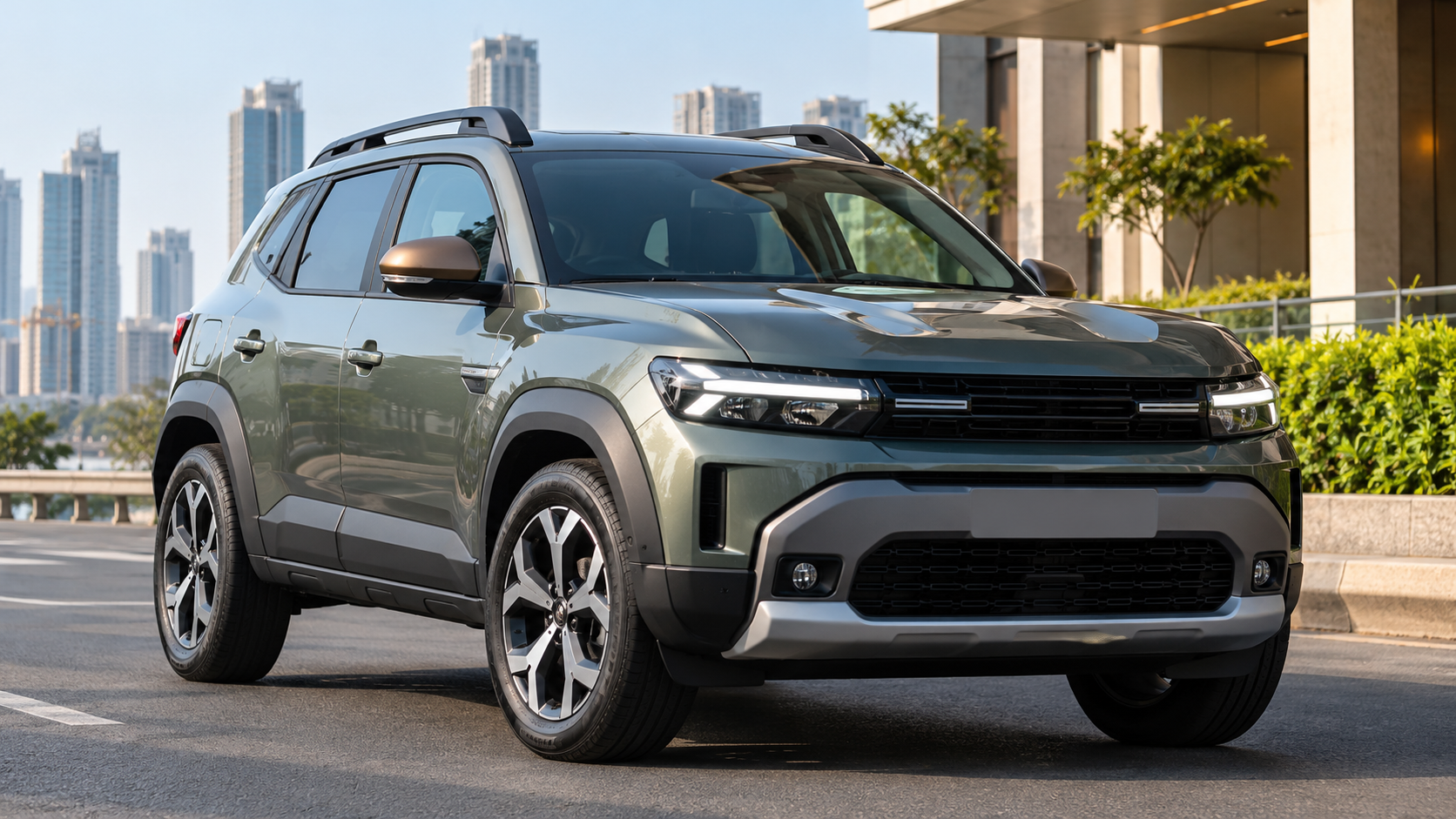
His comments came as Renault launched its first strong-hybrid offering in India on the Duster SUV and prepared to introduce factory-fitted CNG models in the future.
Deblaise said the 50% figure is possible but is not a formal company target.
Renault’s strategy reflects a broader shift in India’s passenger vehicle market, where multiple technologies — including hybrids, CNG and electric vehicles — are expected to grow alongside traditional petrol models.
The company sees hybrid technology as a practical alternative to diesel, especially as emissions regulations become stricter and diesel’s share continues to decline.
Renault is pitching its hybrid strategy around the message “Forget diesel, Go Hybrid”, with Deblaise arguing that hybrid vehicles can offer pricing similar to diesel models while providing better fuel efficiency and technology.
He said hybrid sales in India have so far remained limited partly because customers do not have enough model choices.
Renault expects demand to increase as more strong-hybrid vehicles become available and customers gain access to better-performing options.
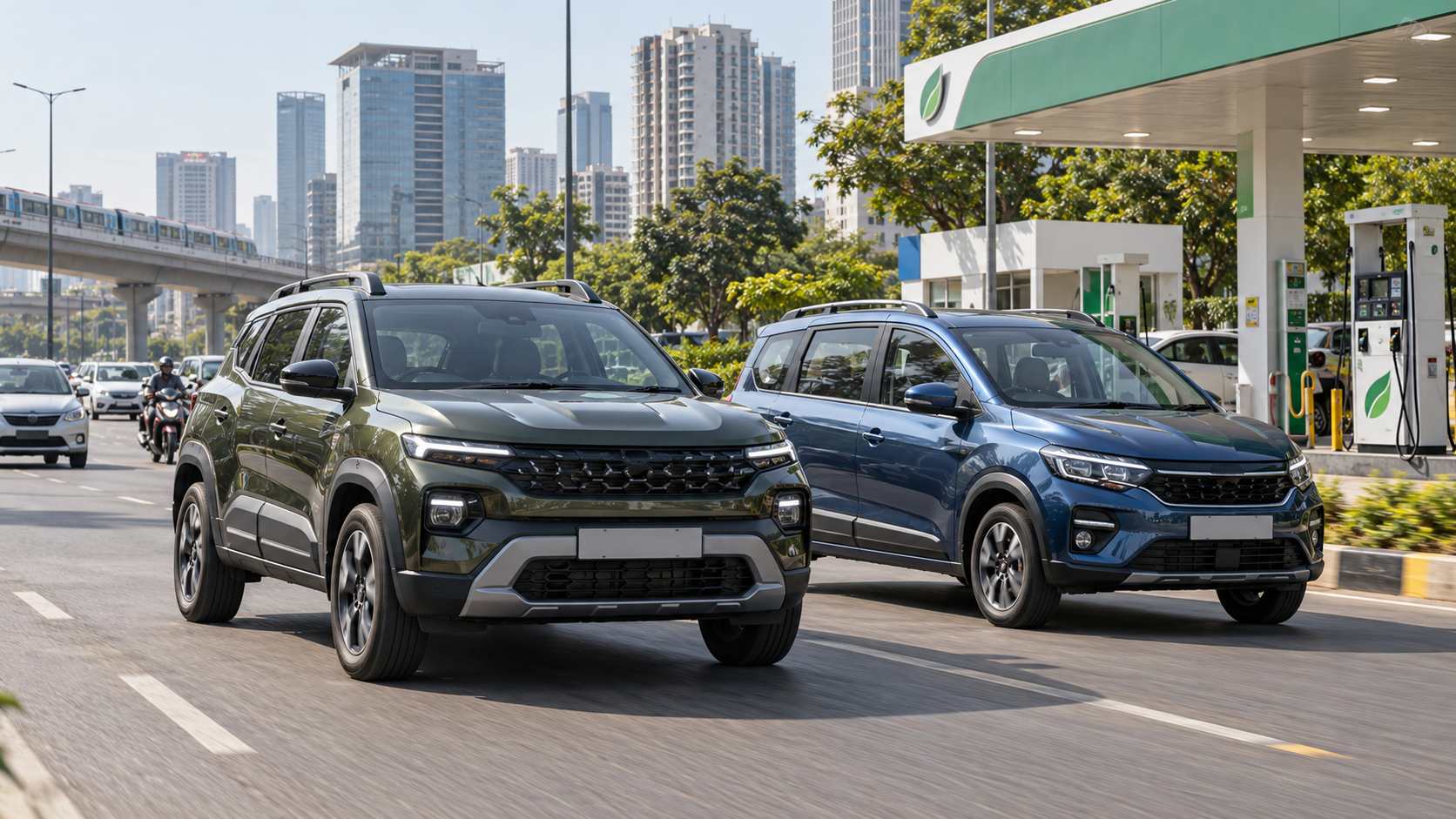
The company expects hybrids to have a larger role in vehicles measuring more than four metres, while CNG could be more important in the sub-four-metre segment.
Renault specifically sees potential for a factory-fitted CNG version of the Triber compact MPV.
The recently launched Duster strong hybrid uses a 1.8-litre petrol engine, two electric motors and a 1.4kWh battery, producing a combined output of 160PS.
Renault claims the SUV offers an ARAI-certified fuel efficiency of 29 kmpl.
On market share, Deblaise said Renault could reach around 3-5% of the Indian passenger vehicle market by 2030, though he described that level as an outcome of executing the company’s strategy rather than a strict volume target.
Under its futuREady strategy, Renault plans to have a portfolio of seven models by the end of the decade, ranging from compact cars to larger SUVs, along with strong hybrids and fully electric vehicles.
The company is also targeting €2 billion, or around ₹25,000 crore, in annual exports from India by 2030, including vehicles, components and related services.