The government has proposed introducing Bharat Stage VII emission standards for certain goods vehicles from April 1, 2030, with stricter requirements to be phased in further in 2032 and 2035.
New Delhi, October 15 — The government has proposed introducing Bharat Stage VII (BS-VII) emission standards for motor vehicles used for the carriage of goods from April 1, 2030, according to a draft gazette notification.
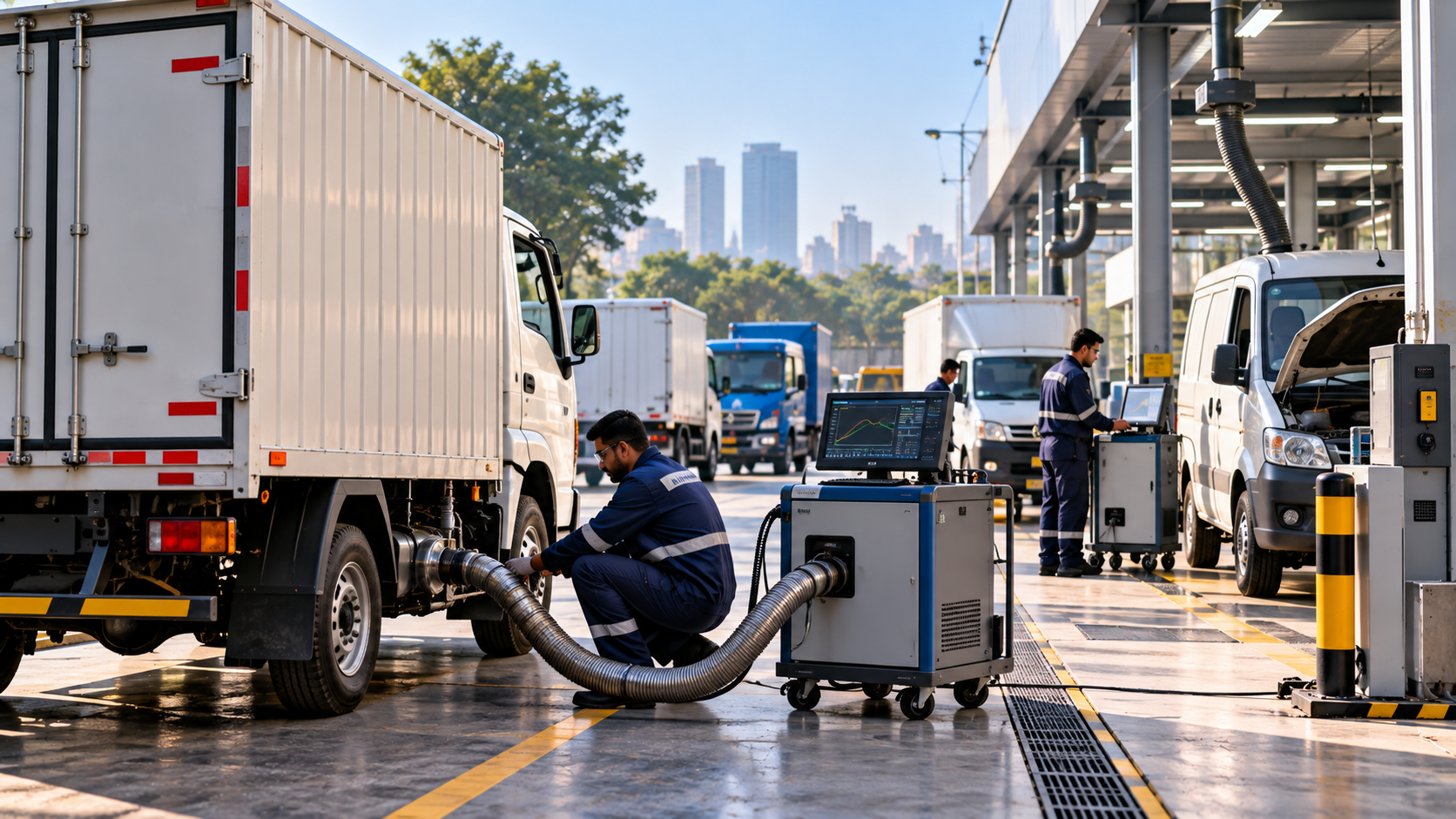
The proposed rules would apply to Category N1 vehicles, which primarily include goods-carrying motor vehicles with a gross vehicle weight of up to 3.5 tonnes.
The Ministry of Road Transport and Highways has invited public comments on the draft amendments to the Central Motor Vehicles Rules, 1989, with stakeholders given 30 days to submit their views.
India currently follows BS-VI emission standards, which were implemented nationwide in April 2020. These norms significantly tightened limits on pollutants and brought India closer to international vehicle-emission standards.
According to the draft, the transition to BS-VII would take place in three phases, beginning in April 2030, with additional requirements scheduled to come into effect in April 2032 and April 2035.
The proposed BS-VII framework will introduce stricter limits for harmful pollutants such as nitrogen oxides, hydrocarbons and particulate matter.
The new norms will apply to newly manufactured vehicles covered under the proposal and will not affect existing vehicles or their operational life, including those already compliant with BS-VI standards.
Bharat Stage standards regulate the amount of pollutants that vehicles can emit, including carbon monoxide, nitrogen oxides, hydrocarbons and particulate matter.
The move represents the next stage of India’s vehicle-emission regulation after the country transitioned directly from BS-IV to BS-VI in 2020.