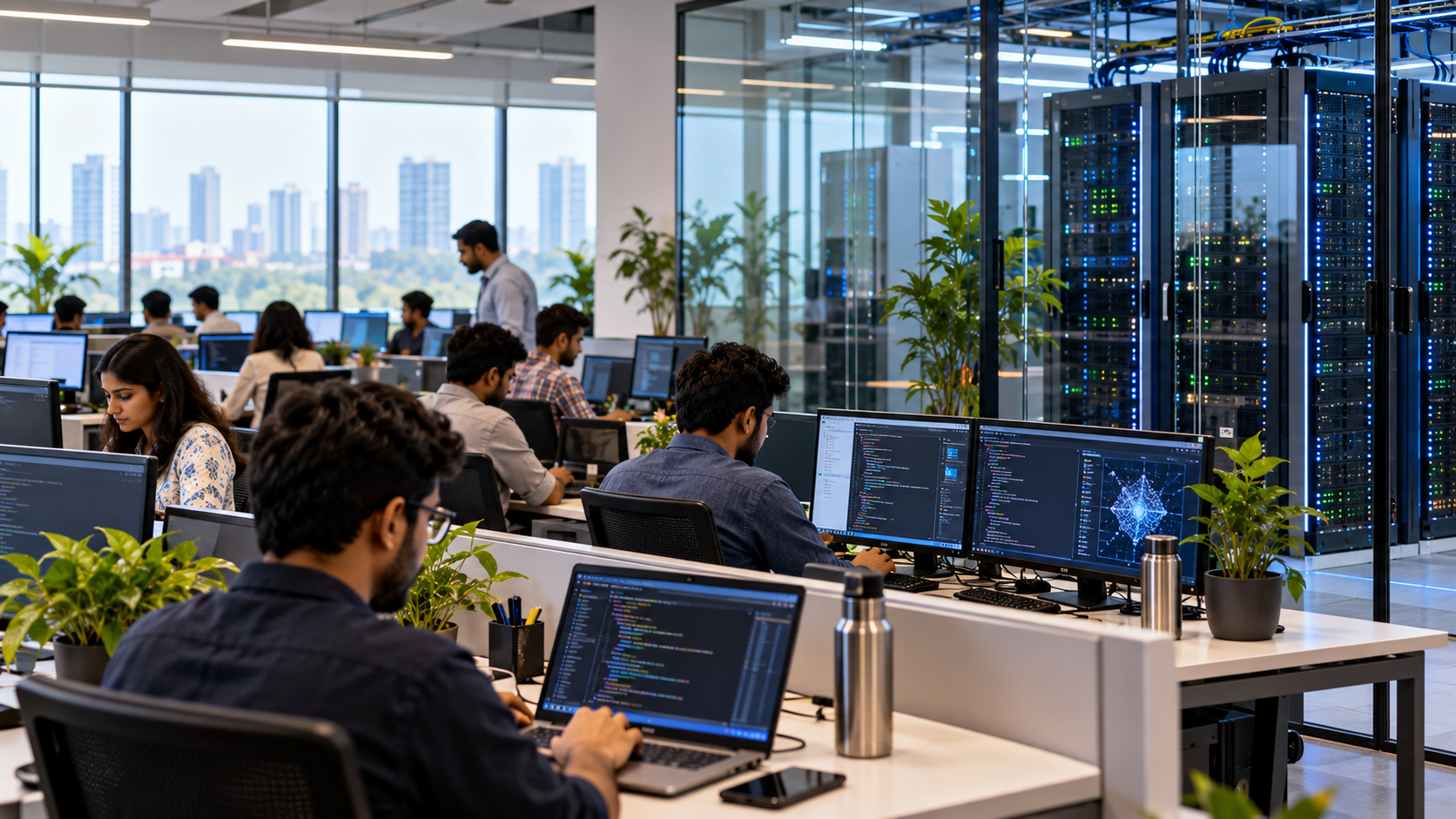
Zoho Corporation has paused its annual salary hikes and reduced marketing expenditure as sharply rising AI infrastructure costs and an uncertain software-sector outlook put pressure on the company’s expenses.
New Delhi, October 13 — Homegrown technology company Zoho Corporation has frozen its annual pay hikes and cut marketing spending as it faces a sharp increase in artificial intelligence-related infrastructure costs and a challenging outlook for the software industry.
Zoho founder Sridhar Vembu said the employment outlook for the global software sector remains “grim” and that the company has kept its headcount broadly flat for the past 18 months while trying to avoid mass layoffs.
Vembu said AI has significantly increased operating costs for software companies. He pointed to a four-fold rise in server prices required for data centres, along with rapidly growing AI usage that is pushing expenses higher.
He also cited an uncertain business environment and a difficult geopolitical backdrop as additional pressures on the company’s operations.
To manage the situation, Zoho has reduced its marketing budget and informed employees that the company will not be able to provide its usual annual salary increases this year. Vembu said he had apologised to employees for the decision and thanked them for understanding the situation.
At the same time, Vembu said Zoho would work hard to avoid mass layoffs, even as he cautioned that the broader outlook for software jobs remained weak.
The company is also going through what Vembu described as a period of reinvention. He said the next three to five years would determine how effectively Zoho adapts to the changes reshaping the software industry.
The comments highlight the growing financial burden that AI adoption is placing on technology companies. While artificial intelligence is creating new products and productivity opportunities, it is also driving up demand for expensive computing infrastructure, servers and data-centre capacity.
Zoho’s decision to hold salaries and trim marketing spending shows how even profitable technology companies are reassessing costs as AI-related expenditure rises and software-sector demand becomes less predictable.