Tata Sons Chairman N Chandrasekaran said semiconductors will be fundamental to India’s future, with the country well placed to become an important part of the global supply chain because of its talent pool, domestic market and scope for international partnerships.
New Delhi, October 13 — Semiconductors will be critical to India’s long-term economic and technological future, Tata Sons Chairman N Chandrasekaran said on Tuesday, while stressing that investments in the sector must remain commercially viable and aligned with actual market demand.
Speaking at the Bloomberg New Economy Forum 2026, Chandrasekaran said India has several structural advantages in semiconductor manufacturing, including a large pool of skilled talent, a strong domestic market and the ability to participate in global supply chains.
He also highlighted the need for partnerships with global technology companies, saying India would need access to advanced technologies while carefully managing the high energy requirements associated with semiconductor manufacturing.
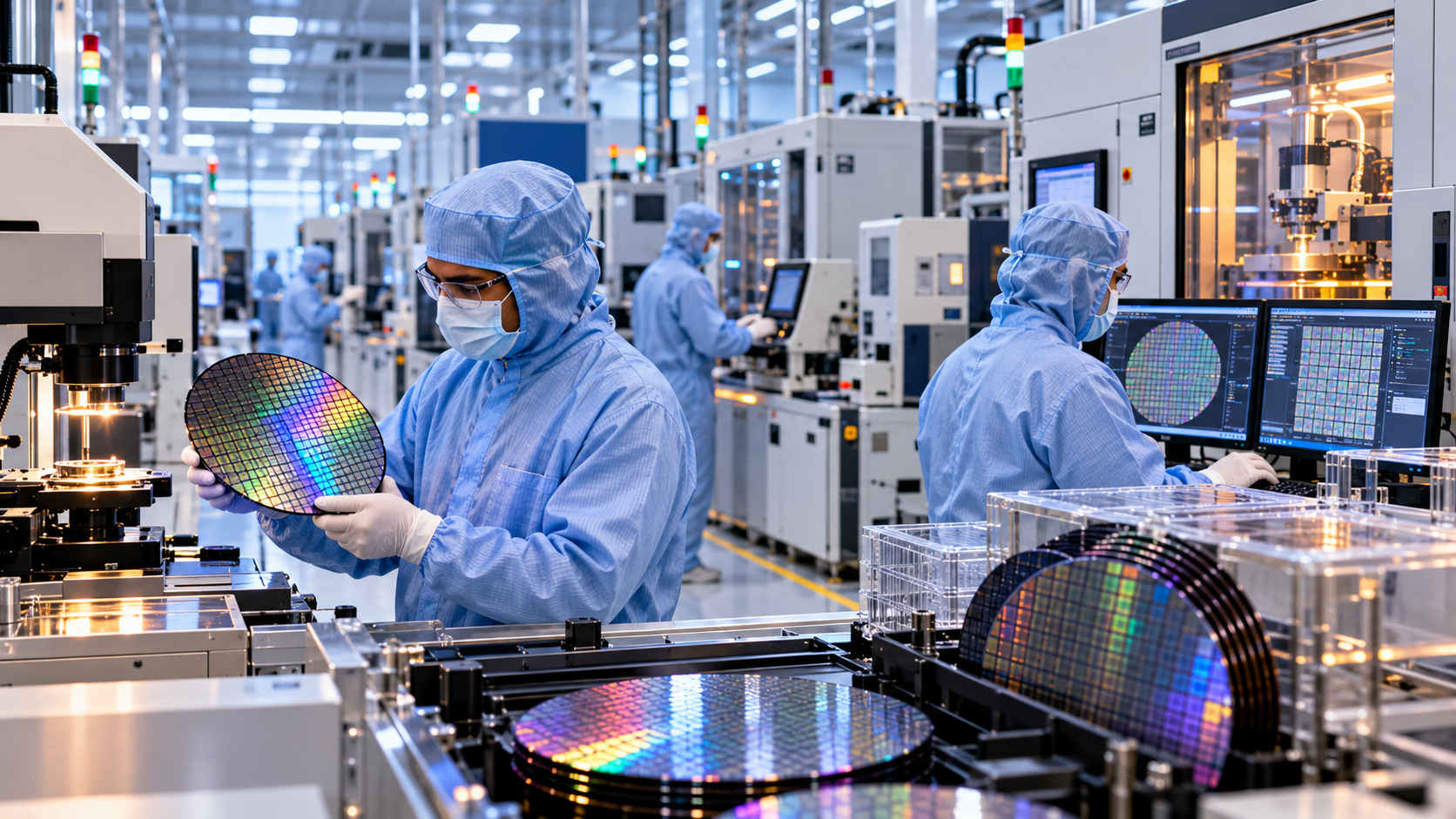
Tata Electronics is currently setting up a semiconductor fabrication facility in Dholera, Gujarat, in partnership with Taiwan’s Powerchip Semiconductor Manufacturing Corporation (PSMC). The project involves an investment of around ₹91,000 crore.
The proposed plant is expected to manufacture chips for applications across automobiles, mobile devices, consumer electronics, artificial intelligence and industrial sectors. Tata Group is also developing a semiconductor assembly and testing facility in Assam with an investment of around ₹27,000 crore.
Chandrasekaran said these projects are aimed at meeting growing domestic demand, strengthening India’s semiconductor supply chain and integrating the country more closely with the global electronics manufacturing ecosystem.
At the same time, he cautioned against rushing into the most advanced chip technologies without assessing whether there is sufficient demand. Referring to extremely advanced manufacturing nodes, he said companies cannot be reckless about setting up a 2-nanometre chip plant without first understanding the economics and market requirement.
He added that financial viability would remain critical for businesses investing in semiconductor manufacturing, particularly because these projects require large capital commitments and need to generate sustainable employment over the long term.
The semiconductor investments form part of Tata Group’s broader push into advanced manufacturing, electronics and battery technologies. Chandrasekaran said while some uncertainties remain around the pace of scale-up and technology choices, the need for semiconductor capability itself is clear.