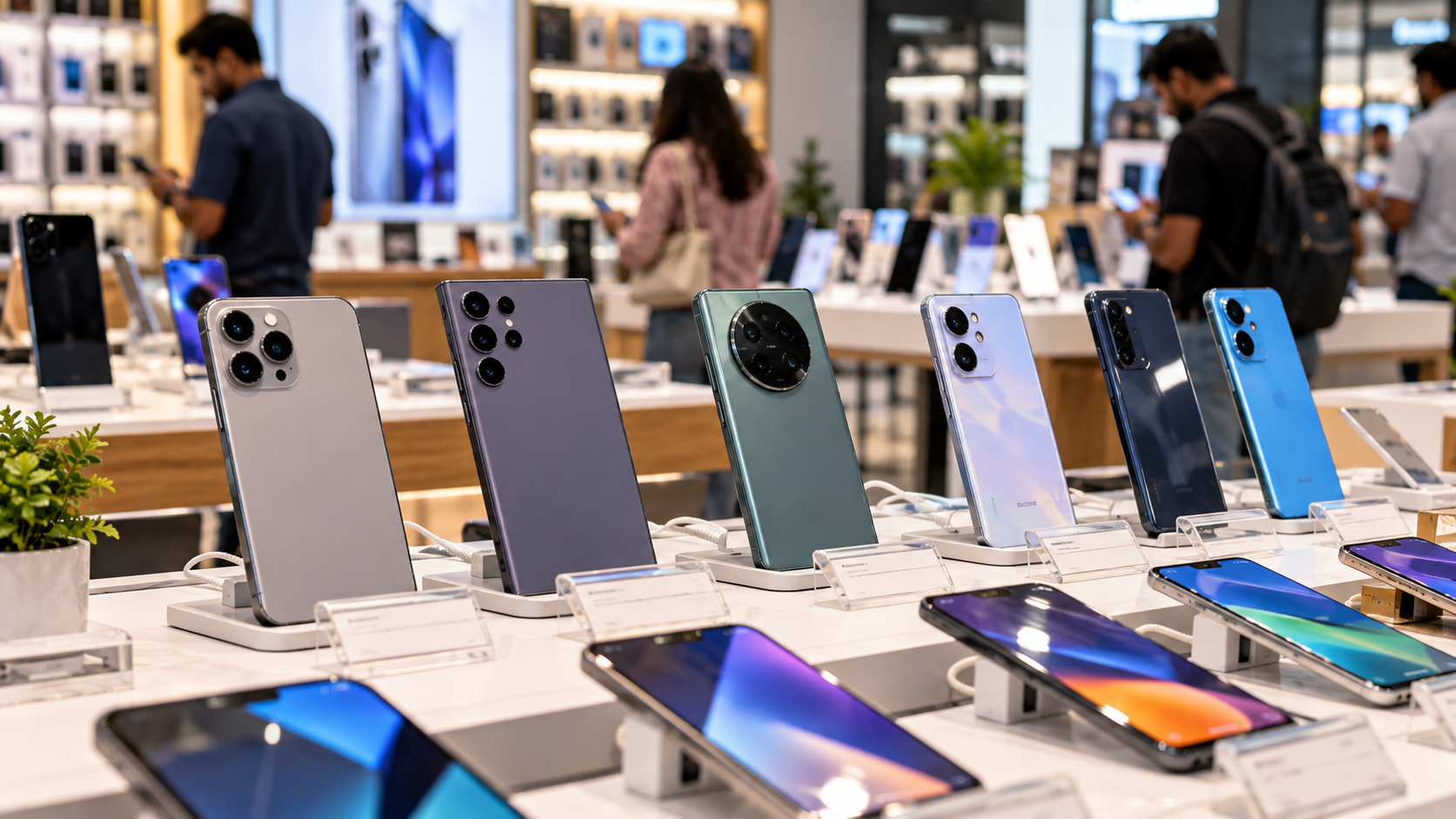
India’s smartphone shipments are expected to fall around 20% year-on-year in the third quarter of 2026 as rising component costs push up handset prices and weaken demand, especially in price-sensitive segments.
New Delhi, October 13 — India’s smartphone market is facing a sharp slowdown, with shipments expected to decline around 20% year-on-year in Q3 2026, according to preliminary estimates cited by Hindustan Times. The broader global smartphone market also fell 20% during the quarter, marking its weakest third quarter in 14 years.
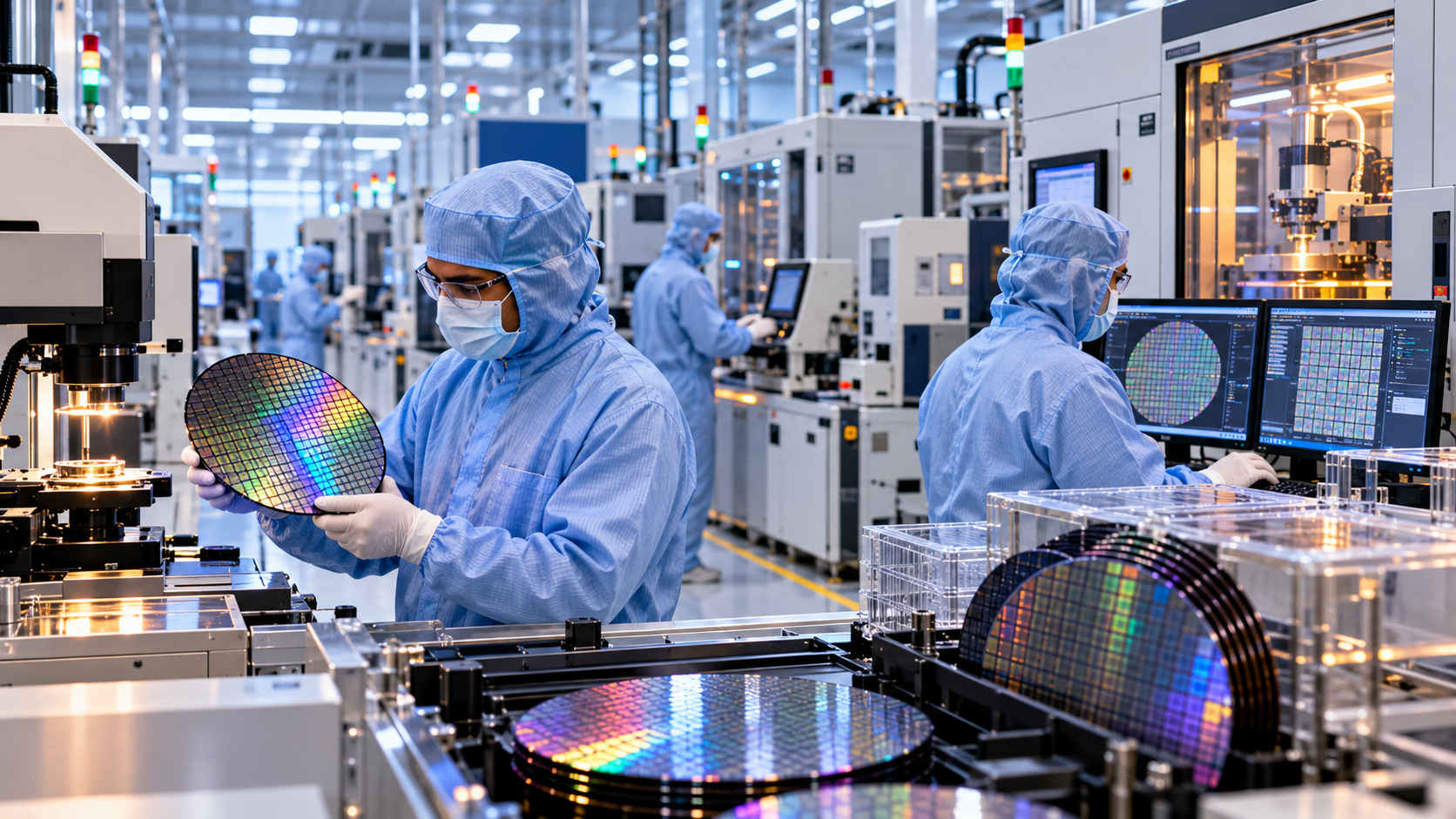
The slowdown has been driven largely by higher component costs, which smartphone makers have increasingly passed on to consumers. Counterpoint Research data cited in the report showed that average smartphone retail prices have risen about 20% so far in 2026.
The pressure is particularly visible in more affordable segments, where buyers are highly sensitive to price increases. Counterpoint Research Director Tarun Pathak said mid-premium and premium smartphones have remained relatively more resilient, while budget-focused categories have faced the greatest stress.
The Q3 decline follows an 11% drop in Q2 2026 and a 6% decline in Q1, highlighting continued weakness through the year. The report said Q2 shipments were already at their lowest level for that quarter since 2013.
Among major smartphone brands, Samsung led the global market with a 23% share, followed closely by Apple at 22%. Xiaomi held around 10%, Oppo 9% and Vivo 8%. Xiaomi’s shipments fell 30% year-on-year, while Oppo and Vivo each recorded declines of around 20%.
Samsung’s shipments fell by about 3%, but the company benefited from demand for its Galaxy Z Fold8 and stable component supply for its mid-range A-series devices. Apple, meanwhile, crossed 20% market share for the first time in Q3, despite lower year-on-year shipment volumes.
The outlook for the rest of 2026 remains challenging. Pathak said the next quarter could be even weaker as Apple and Samsung begin cutting production orders. He added that supply constraints have increasingly been replaced by broader concerns over consumer sentiment, macroeconomic pressure and economic uncertainty.
With component prices still elevated, smartphone manufacturers are increasingly focusing on protecting profitability rather than chasing shipment growth. A meaningful recovery in volumes may remain difficult until input costs begin to ease.