Infosys co-founder Nandan Nilekani has said exam paper leaks can be tackled through a systematic, technology-driven approach, including last-minute question paper generation from large question banks and wider use of computer-based testing.
New Delhi, October 13 — Infosys co-founder Nandan Nilekani, who heads the high-powered task force on exam reforms, said on Tuesday that question paper leaks are a “solvable” problem and can be addressed through a systematic use of technology.
Speaking at the Bloomberg New Economy Forum 2026, Nilekani said the key is to identify the root causes behind leaks and redesign the examination system in a way that reduces the incentive and opportunity for malpractice.
One of the ideas being considered is to move away from a fixed question paper altogether. Nilekani said exams could instead use a large bank of questions, with the final paper generated only at the last moment. This, he argued, would reduce the economic incentive to steal or sell a paper in advance.
He said the task force is also examining the use of artificial intelligence to generate question papers on the day of the examination, provided the system is designed and controlled properly.
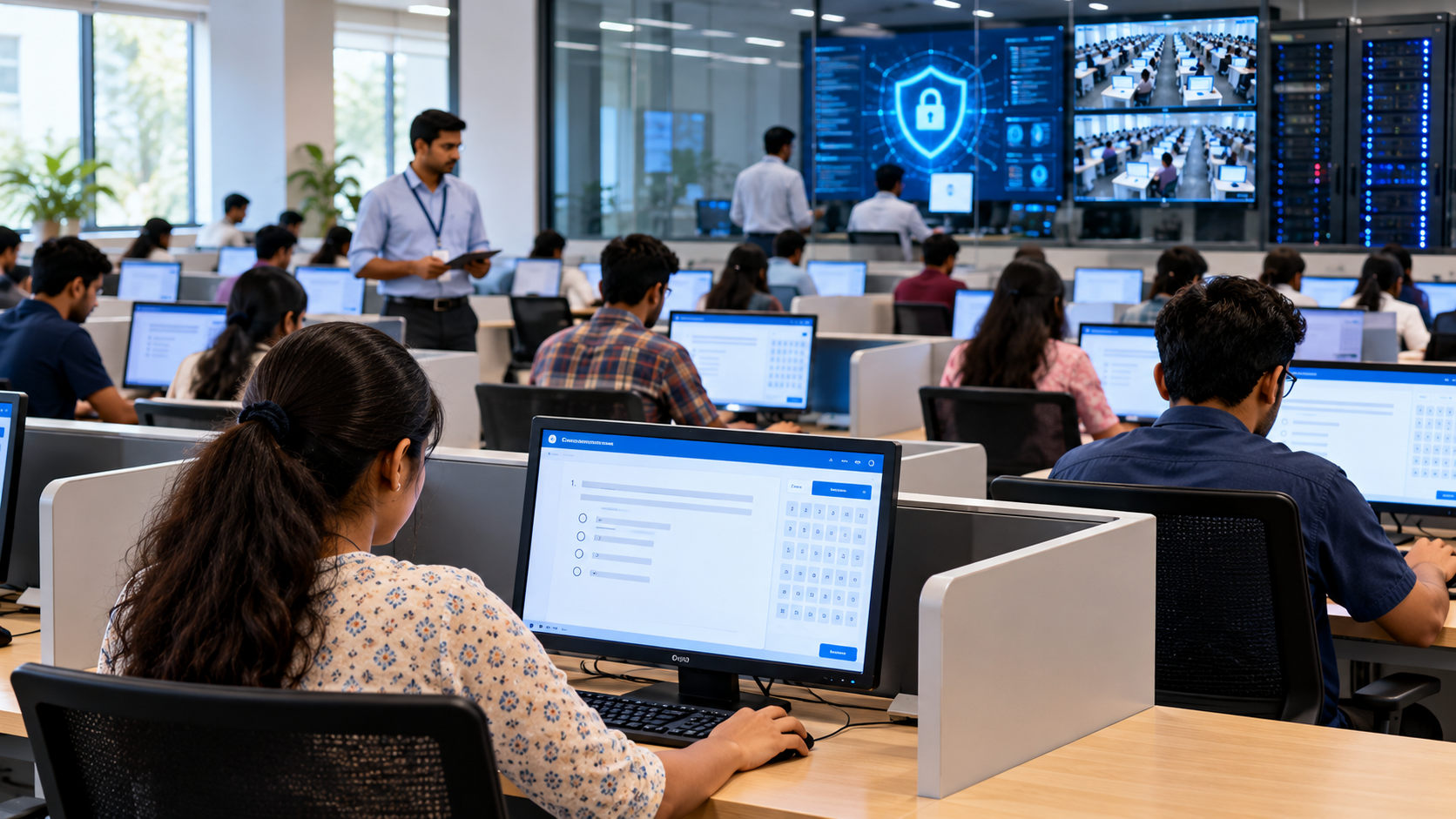
Another major proposal is to expand computer-based testing. Nilekani said this would require increasing the number of centres capable of conducting such exams. At present, around 1.5 lakh locations are available for computer-based tests, and a broader network would be needed to support exams at scale.
The task force was set up after the leak of the NEET-UG question paper in May, which led to cancellation of the medical entrance examination and a re-test. The episode also triggered weeks of student protests.
Nilekani said the committee would focus on systemic reforms rather than isolated fixes and added that Prime Minister Narendra Modi was keen on implementing the panel’s recommendations.
The Infosys co-founder, who also served as the founding chairman of UIDAI and led the creation of the Aadhaar system, said that when technology is deployed at scale, the focus should be on creating a “win-win” outcome for users.
The proposals indicate a push toward redesigning India’s examination infrastructure around digital systems, dynamic question generation and broader computer-based testing to reduce the risks associated with pre-set physical question papers.