Prime Minister Narendra Modi said India’s economic rise is built on strong fundamentals, financial resilience and sustained reforms, while stressing that the country seeks to grow with the world rather than at the expense of other nations.
New Delhi, October 13 — Prime Minister Narendra Modi said India’s economic growth is anchored in strong fundamentals, financial stability and continued reforms, positioning the country as a global economic and technology power that can contribute to wider prosperity.
Addressing the Bloomberg New Economy Forum, Modi said, “We do not grow at anyone’s cost. We grow with the world, and for the world.” He said India’s growing economic and technological capabilities can help address global challenges at a time of geopolitical tensions, supply-chain disruptions and increasing competition over strategic resources.
The Prime Minister highlighted India’s 7.8% economic growth in the April-June quarter, foreign-exchange reserves exceeding $700 billion, and reforms covering taxation, insolvency and labour laws as signs of the economy’s resilience.
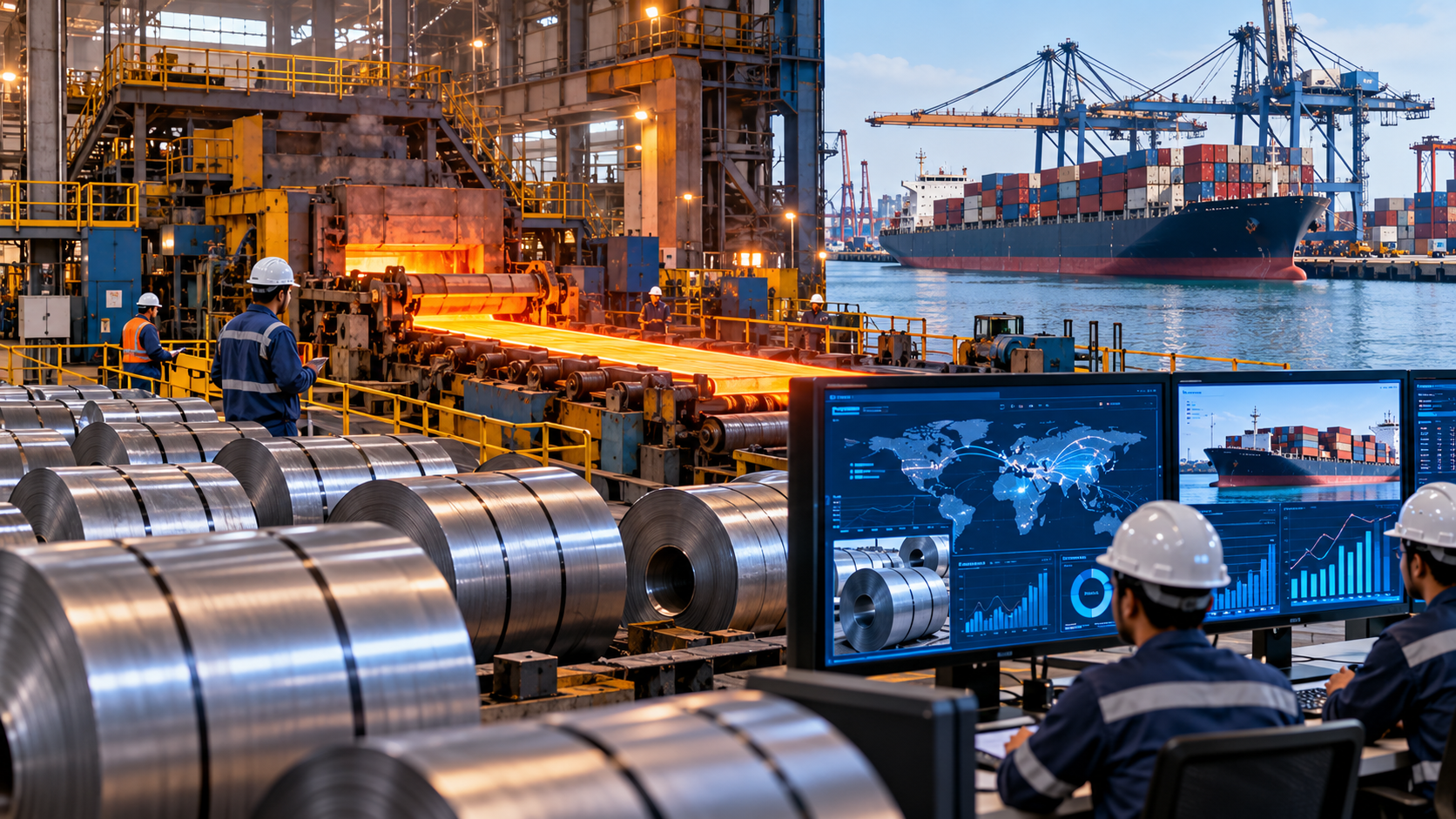
He said India offers reliability and stability in an uncertain global environment, while its manufacturing expansion and growing role in global supply chains are strengthening the country’s position in the world economy.
Modi also highlighted India’s digital public infrastructure, affordable mobile data, digital payments and direct benefit transfers. He said technology should be used to empower people rather than control them and pointed to India’s experience in sharing digital infrastructure with other countries, particularly in the Global South.
The Prime Minister said India’s startup ecosystem has grown from a few hundred ventures before 2014 to more than 2.5 lakh startups, with nearly half located in smaller cities and towns. More than 45% of startups have at least one woman director or partner, according to his remarks.
On poverty reduction, Modi said 25 crore people have moved out of poverty over the past decade, supported by technology-enabled welfare delivery and digital payment infrastructure.
He also warned that supply chains, energy, critical minerals, payment systems and technology are increasingly being used as instruments of geopolitical pressure. India, he said, wants to offer an alternative based on cooperation and shared prosperity.
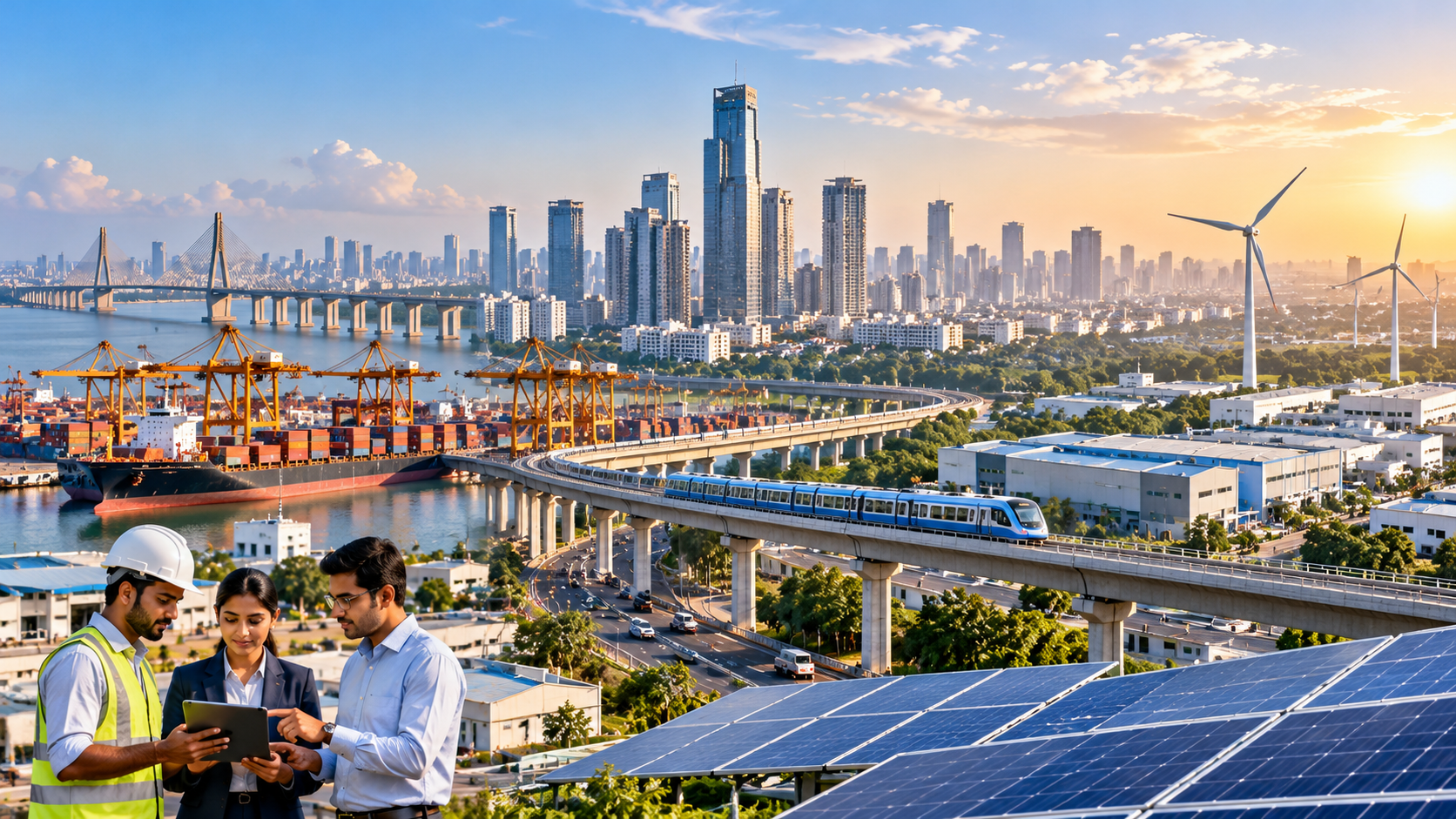
Modi further highlighted India’s clean-energy progress, saying renewable energy capacity has risen from around 75 GW in 2014 to nearly 300 GW, while the country achieved its 40% non-fossil electricity capacity target well ahead of the 2030 deadline.
He added that reforms remain central to India’s growth strategy, citing GST, insolvency reforms, labour-law consolidation and the decriminalisation of hundreds of minor business-related offences.