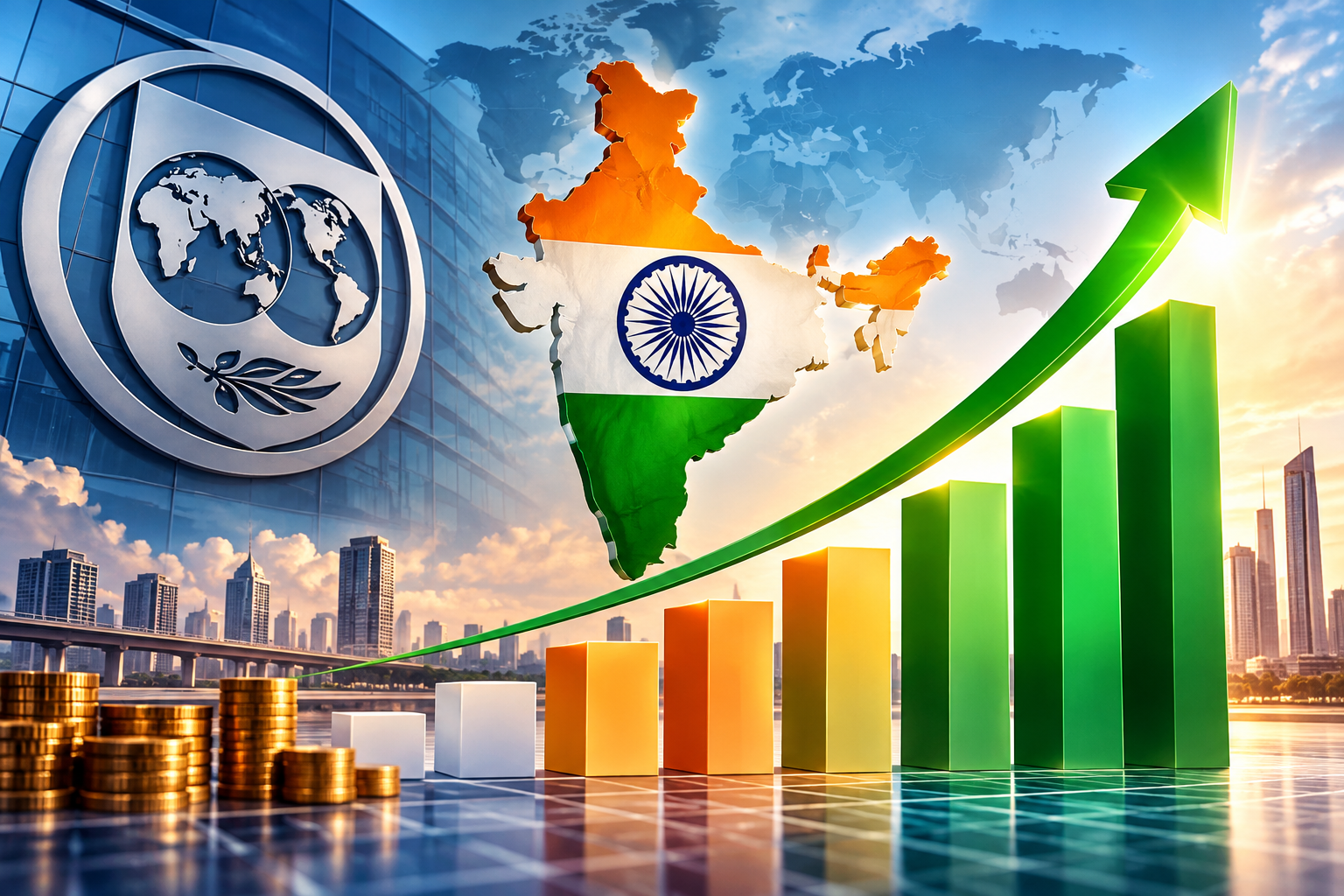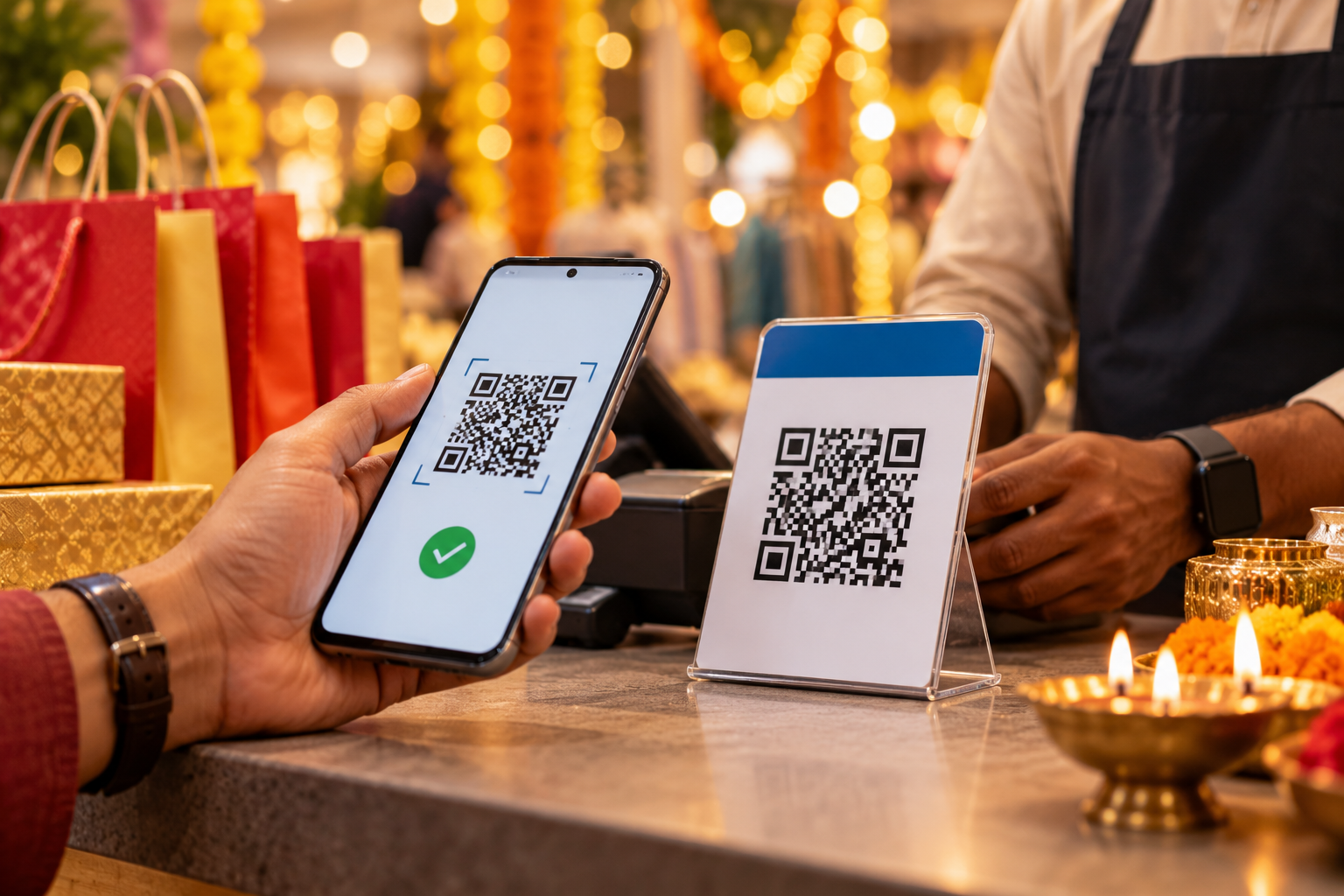
NPCI has postponed the proposed 0.4% merchant discount rate on select UPI payments above Rs 2,000, originally scheduled for October 15. The new implementation date will be announced separately.
Highlights
- NPCI postpones UPI MDR charges until after Diwali 2026.
- The proposed 0.4% fee applies to select merchant payments above Rs 2,000.
- Charges were originally scheduled to begin on October 15.
- A maximum MDR of Rs 300 is proposed for eligible large transactions.
UPI MDR Charges Delayed Until After Diwali: What It Means for Customers and Merchants
New Delhi, October 13, 2026: The National Payments Corporation of India (NPCI) has postponed the implementation of Merchant Discount Rate (MDR) charges on select Unified Payments Interface (UPI) transactions until after Diwali, providing relief to merchants ahead of the festive shopping season.
The proposed 0.4% MDR on eligible person-to-merchant (P2M) UPI transactions exceeding Rs 2,000 was originally scheduled to take effect on October 15, 2026.
However, the UPI and Services Steering Committee decided on Tuesday to defer implementation, considering the ongoing festive season. NPCI confirmed that the charges would be introduced after Diwali, with a revised date to be announced separately.
Why Has NPCI Delayed UPI MDR Charges?
The decision comes after merchant associations, fintech companies and payment service providers raised concerns about introducing additional transaction costs during the festive shopping period.
Diwali is one of India’s busiest shopping seasons, with consumers spending heavily on electronics, clothing, jewellery and household products.
Businesses had also requested more time to prepare their payment systems and understand how different transaction categories would be charged.
The postponement gives merchants and payment companies additional time to make the necessary adjustments.
How Much Will Merchants Pay Under the New MDR?
Under the proposed framework, eligible merchant UPI transactions exceeding Rs 2,000 will attract a 0.4% MDR, subject to a maximum charge of Rs 300.
For example, a qualifying Rs 5,000 transaction would attract an MDR of Rs 20, while a Rs 10,000 payment would attract a charge of Rs 40.
For transactions worth Rs 75,000 or more, the charge will be capped at Rs 300.
However, the MDR is a processing fee paid by merchants to the payment ecosystem, rather than a direct charge on customers.
Will Customers Have to Pay Extra for UPI Transactions?
Customers using UPI applications such as PhonePe, Google Pay and Paytm will not have to pay the proposed MDR directly.
Person-to-person transfers will continue to remain free, irrespective of the amount transferred. Merchant transactions of up to Rs 2,000 will also remain outside the proposed fee.
Small merchants receiving up to Rs 1 lakh per month through eligible UPI QR payments will continue to be exempt under the proposed framework.
According to the government, approximately 96% of UPI merchant transactions are expected to remain unaffected by the new charges.
When Will the New UPI Charges Start?
NPCI has confirmed that the proposed MDR will be implemented after Diwali, which falls on November 8 this year.
Although earlier reports suggested that implementation could be postponed until January 2027, NPCI has not announced a specific revised date.
The decision means merchants can continue accepting UPI payments under the existing MDR arrangement during the festive period.
For consumers, regular UPI payments will remain unaffected by the proposed merchant fee. Businesses and payment service providers will now await NPCI’s official notification confirming when the new framework will take effect.