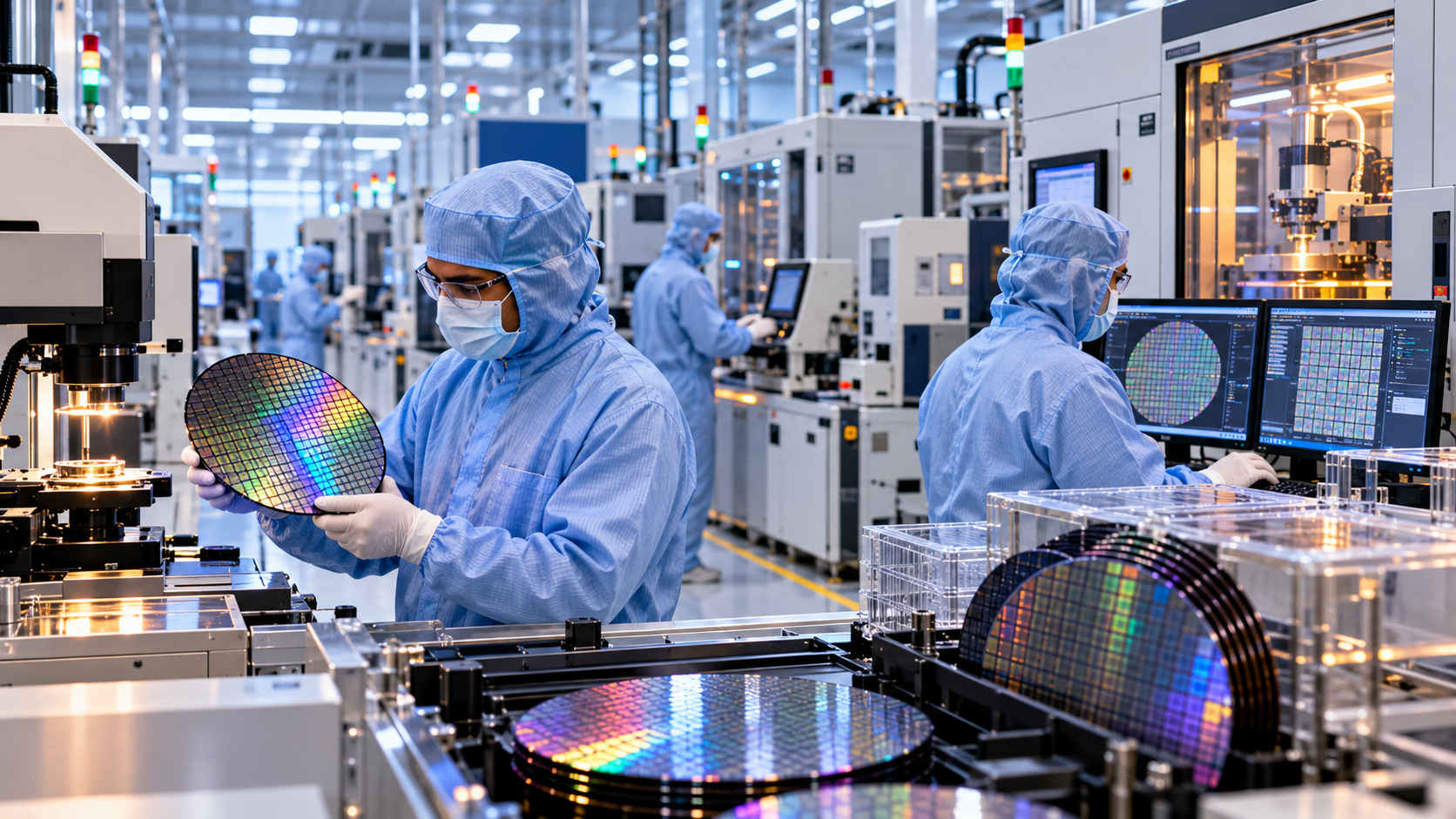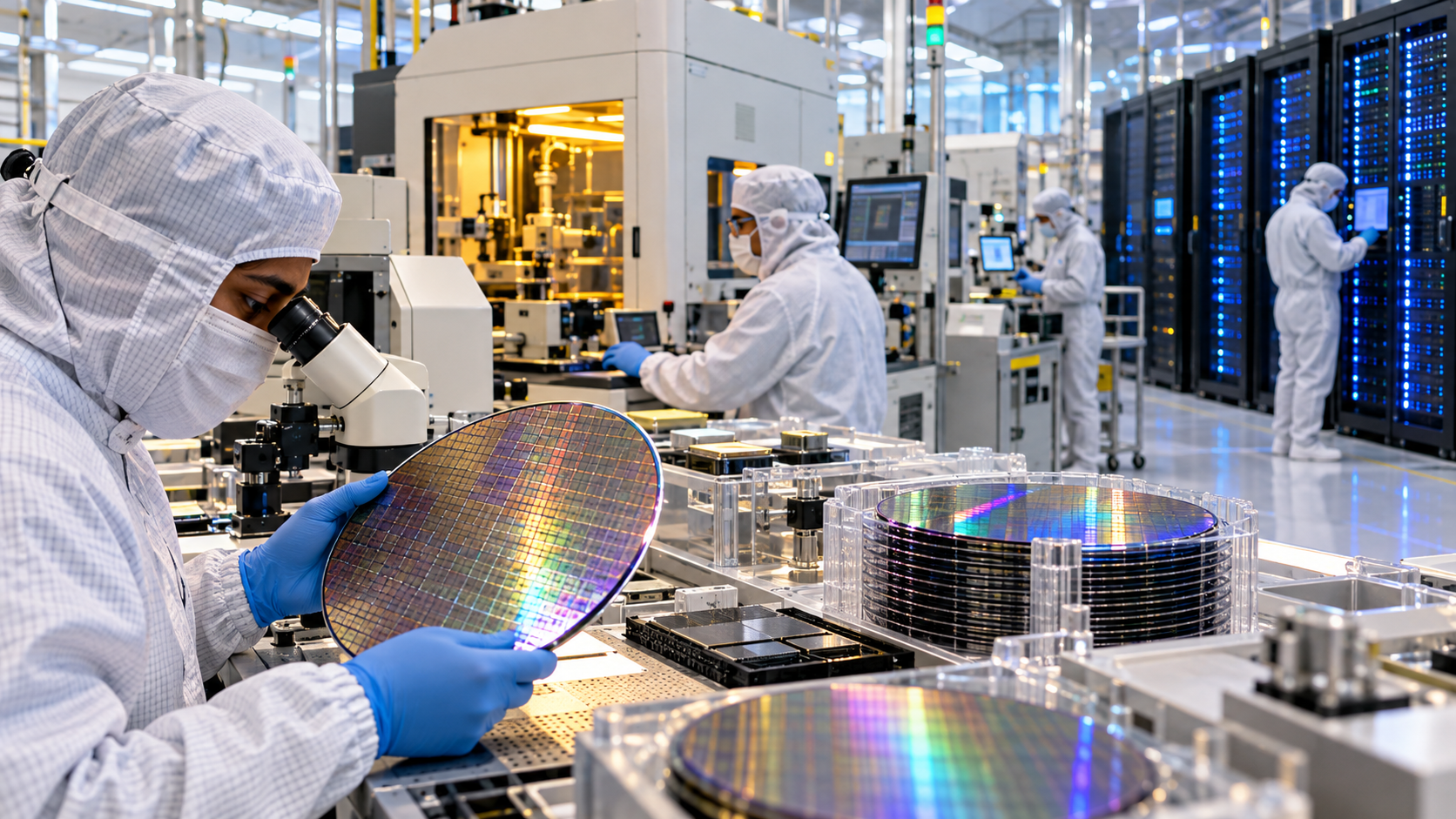
India’s semiconductor push is moving the country from being largely a chip consumer to an emerging producer, with indigenous chips, supercomputing systems and research institutions helping build a more self-reliant electronics ecosystem.
New Delhi, October 14 — India is entering what the author describes as a “Chip Revolution”, with growing domestic capabilities in semiconductor design, manufacturing, supercomputing and electronic components creating new opportunities for self-reliance and exports.
The article argues that just as the Green and White Revolutions transformed food and dairy security, India now needs a similar technological transformation in semiconductors. It says the country is no longer only a consumer in the global chip market and is increasingly developing Made in India chips for domestic as well as international demand.
At Semicon 2026, the author saw several low-cost chips developed by Indian companies. One example was a chip priced at around ₹100, designed for Wi-Fi-related electronic devices used in homes and offices. Such chips were previously imported, but domestic companies have now started producing and exporting them.
The article also highlights the growing importance of chips in everyday electronics. Modern vehicles, smartphones, laptops, household appliances, healthcare devices and AI systems all depend on semiconductors for processing and decision-making.
Government-backed institutions are also playing a major role. At the C-DAC stall, the Param Vidya supercomputer and the Indian server Rudra were showcased. The article says India is moving closer to complete self-reliance in supercomputing, with future indigenous microprocessors expected to make such systems fully Indian.
Research institutions such as C-MET are working on advanced materials used in semiconductor manufacturing. The article highlights hafnium, whose oxides are used as insulators in memory chips, as one material where domestic capability could help reduce import dependence.
Several Indian companies are also developing chips for Internet of Things applications. Examples mentioned include chips for smart curtains, AI-enabled residential surveillance and systems that can detect driver drowsiness and issue alerts.
The article says India’s semiconductor ecosystem could eventually support not only domestic requirements but also exports of chips and electronic products to global markets. The India Semiconductor Mission 2 is presented as a key part of this push toward technological self-reliance.
The broader argument is that India’s semiconductor strategy can create jobs, strengthen electronics manufacturing, reduce import dependence and help position the country as a responsible technology power in the AI era.