Palm oil: Why India is on slippery ground

• India is the world’s largest importer of palm oil, and imports have grown by 20 times over the past 25 years.
• Palm oil accounts for around 60% of India’s edible oil imports, with Indonesia and Malaysia being the major source countries for the commodity.
• Reduction in duties on refined palm oil compounded problems for domestic processors and packers, as it has impacted their capacity utilisation. The government has now imposed a 5% safeguard duty on refined palm oil from Malaysia.
• The government is encouraging private participation to promote large oil palm plantations, since domestic production at around 200,000 tonnes per annum is still way below the actual demand.
Palm_oil_TPCI

Image source: Shutterstock

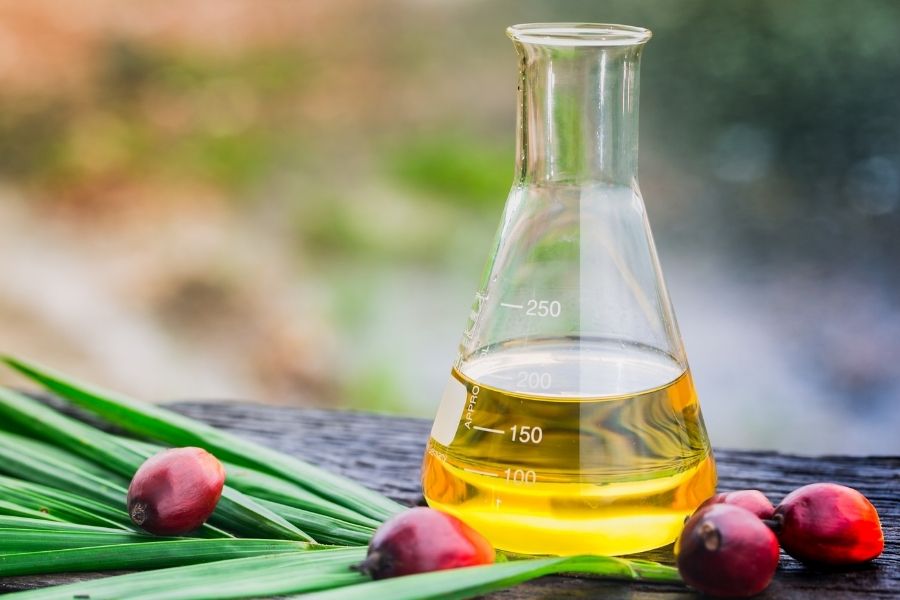
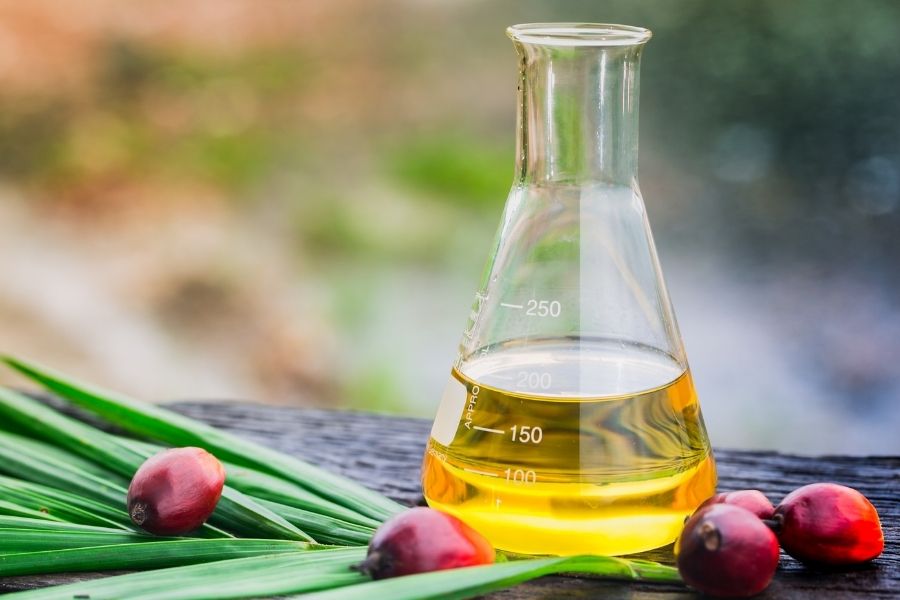
Palm oil is among the most commonly used vegetable oils in the world, as it is deemed as the most efficient and economical source of vegetable oil till date. Even if it is not a part of your kitchen shelves, an average consumer will be surprised to know that palm oil is a key ingredient in a number of packaged products on the supermarket shelves – be it pizza dough, instant noodles, shampoos, cosmetics, detergents, margarine, chocolates and ice cream.

India’s palm oil imports have increased at a brisk pace from Indonesia and Malaysia, especially since the conclusion of the India-ASEAN agreement in 2009. India’s imports of palm oil and its derivatives (HS Code 1511) rose by a sharp 58.03% YoY in 2009-10 to reach US$ 4.04 billion. Indonesia took the lead with exports of US$ 3.2 billion followed by Malaysia with imports of US$ 750.4 million. They reached a peak of US$ 7.2 billion in 2011-12, after which growth has been erratic.

In 2018-19, imports were recorded at US$ 5.23 billion, a decline by 22.73% YoY, with Indonesia still in the lead at US$ 3.36 billion and Malaysia at US$ 1.44 billion. Palm oil continues to heavily dominate India’s edible oil imports, and India is the largest importer of this product globally. Imports of palm oil (crude + refined) accounted for 60% of India’s total edible oil imports in 2018-19 (April-Jan). Out of the 73.21 lakh tonnes of palm oil imported during this period, 73.7% was crude, while the rest was refined.

The government reduced duties on crude palm oil (from 44% to 40%) and refined palm oil (from 54% to 45% for Malaysia and 50% for other ASEAN countries) effective from January 1 this year. The special reduction for Malaysia was done under the provisions of the India-Malaysia CECA Agreement signed in 2010-11.

The Solvent Extractors Association has noted a sharp increase in the imports of refined palm oil since the reduction of duty. They have requested the government to hike the duty on refined, bleached and de-odorised (RBD) palmolein or refined palm oil. According to the association, imports of refined palm oil increased from 1.3 lakh tonnes in December 2018 to 3.71 lakh tonnes in May 2019 the highest monthly figure since May 2013. During November 2018 to July 2019, imports of RBD palmolein have increased to 20.9 lakh tonnes, growing by 40% YoY. As a consequence of the duty advantage, Malaysia’s share in India’s palm oil imports has increased to 52% in the first half of 2019 compared to 30% last year.

While Indonesia is also asking for a similar favour, SEA has complained that due to the rise in imports of RBD palmolein, operations of domestic refiners have been impacted and their capacity utilisation has come down. Even oil processors like Adani Wilmar have become packers as they are simply importing refined palm oil and selling in the domestic market.

In response to the industry’s demands, the government imposed 5% safeguard duty on refined palm oil from Malaysia on August 26, so that imports of the product can be curbed.

Meeting the huge demand

Consumption of edible oil in India is estimated to be rising at a rate of 3.5% per annum, but production is not rising at the same rate. The government is making efforts to boost oilseed cultivation. Add to this the problem of excess supply of edible oils in the overseas market, due to which prices have dropped by 8-20% over the past year.

Palm oil represents a major policy conundrum for India. Consumption of this product has increased by over 230% in India since 2001. The government had anticipated this demand surge way back in the 1980s and set up a committee to identify potential regions for cultivation. By 2012, 2 million hectares were identified, for which the government provided training to farmers apart from inputs and subsidised plant materials. Even private companies were encouraged to set up factories for processing in oil palm cultivation areas.

Twelve states were covered under the National Mission on Oilseeds and Oil Palm (NMOOP) in the 12th Five Year Plan (2012-17) to expand the area under oil palm cultivation. However, the project has not progressed as anticipated and the expansion has consistently fallen short of the target. As a consequence, imports of palm oil have increased by over 20 times in the past 25 years.

One major cause for this shortfall is that palm oil is not as lucrative for farmers with small landholdings. They require high maintenance and a long gestation period of at least 5-6 years before giving commercial returns. Moreover, the palm oil market is vulnerable to sharp price fluctuations that can be devastating for these farmers. While the NMOOP proposes and provides subsidy for intercropping, farmers have also argued that it could result in lower yields.

In 2017, the government took further measures for boosting cultivation. The land ceiling limit on assistance for oil palm cultivation has been relaxed to over 25 hectares to attract more corporate interest as well as leverage maximum benefit from 100% FDI. Considering the limitations of promoting the programme in individual farmers’ fields, the government is counting on participation of private entrepreneurs, cooperative bodies and joint ventures to promote large-scale plantations.

In the current fiscal year, the government plans to add 25,000 ha under oil palm plantations to the existing 325,000 hectares. While this will provide some results in the coming five to six years, they will not address the demand-supply gap in the immediate future, considering that domestic production of palm oil is just around 200,000 tonnes compared to imports of around 8-9 million tonnes. The government has addressed the duty issue between basic and refined palm oil for the benefit of processors, but addressing the import dependence will require much more.

Previous Post
Next Post

Most Recent Posts

  • All Post
  • 8th Pay Commission
  • Aadhar
  • Aditya Birla Capital
  • Advertising Standards
  • Affordable Housing
  • Agriculture
  • Agriculture & Food
  • AI in Healthcare
  • AI Technology
  • Airlines
  • alcohol industry
  • Android
  • APEDA
  • Apple
  • Artificial Intelligence
  • Ashwini Vaishnaw
  • asian para games
  • Asset Management
  • Atmanirbhar Bharat
  • Audio Devices
  • Audio Products
  • Auto Industry
  • Automobile
  • Automobiles
  • Automotive
  • Automotive Industry
  • Aviation
  • Bain Healthcare Report 2026
  • Bank
  • Banking
  • Banking Technology
  • Battery Industry
  • Beverage Industry
  • Beverages
  • Bihar
  • biotechnology
  • Bitcoin
  • BMW Group India
  • Brand Insight
  • BRICS
  • Bullion Market
  • Business
  • Business & Economy
  • Business & Trade
  • Business Leadership Post COVID-19
  • Business News
  • Business Terminology
  • Business Utilities
  • Buyback
  • Capital Goods
  • Capital Markets
  • CarsBusiness
  • CBIC
  • CCI
  • chemicals
  • Child Investment
  • China
  • China technology news
  • Citizen Services
  • Clean Energy
  • Clean Technology
  • Cloud Computing
  • coal
  • Commerce
  • Commerce and Industry
  • Commercial Real Estate
  • Commercial Vehicles
  • Commodities
  • Communications
  • Companies
  • Competition Law
  • Compliance
  • Computer Accessories
  • connected cars
  • Consumer
  • Consumer Affairs
  • Consumer Electronics
  • Consumer Finance
  • Consumer Goods
  • Consumer Health
  • Consumer Markets
  • Consumer News
  • Consumer Protection,
  • Consumer Rights
  • Consumer Spending
  • Consumer Trends
  • Content Creation
  • Copper
  • Corporate
  • corporate affairs
  • Corporate Earnings
  • Corporate Governance
  • Corporate News
  • Corporate Social Responsibility
  • Cost of Living
  • Country
  • CRED
  • Credit Cards
  • CREDIT RATING
  • crime
  • Crude Oil
  • Cryptocurrency
  • CSR
  • Culture
  • Currency
  • Customs Duty
  • Cyber Security
  • Cybersecurity
  • Dairy Industry
  • Data & Analytics
  • Defence
  • Delhi Government
  • Delhi-NCR
  • Demographics
  • Derivatives
  • DGCA
  • DGFT
  • DigiLocker
  • Digital Assets
  • Digital Economy
  • Digital Health India
  • Digital Identity
  • Digital India
  • Digital Infrastructure
  • Digital passport for robots
  • Digital Payments
  • Digital Platforms
  • digital services
  • Diplomacy
  • Dixon Technologies
  • DPIIT
  • E Commerce
  • E-commerce
  • E-Governance
  • Ease of Doing Business
  • Economic Growth
  • Economy
  • Edible Oil Industry
  • Editor Choice
  • EdTech
  • Education
  • Electric Mobility
  • Electric Vehicles
  • Electronics
  • Employment
  • ENERGY
  • Engineering
  • Entertainment
  • Environment
  • EPFO
  • Ethanol Economy
  • EV Industry
  • EV Technology
  • Exports
  • EXTER
  • Farmers
  • Fashion
  • festive offers
  • FINANCE
  • Finance Ministry,
  • Financial Marketing
  • Financial Markets
  • Financial News
  • Financial Planning
  • Financial Results
  • Financial Services
  • Fintech
  • FnTech
  • Food & Beverage
  • Food & Beverages
  • Food Exports
  • Food Industry
  • Food Manufacturing
  • Food Processing
  • Food Regulations
  • food safety
  • Foreign Exchange
  • Foreign Investment
  • Foreign Policy
  • Foreign Trade
  • Forex Reserves
  • fssai
  • FTA
  • Fuel
  • Fuel Prices
  • Future Energy
  • Gadgets
  • Gadgets & Apps
  • Gaming
  • GDP
  • Generative AI Healthcare
  • Geopolitics
  • GI Products
  • Global Brand Alliance
  • Global Economy
  • Global Markets
  • Global Politics
  • Global Tech
  • Global Trade Policy
  • Global Trends\
  • Gold
  • Gold Market
  • Gold Prices
  • Gols & Silver
  • Government
  • Government & Policy
  • Government Affairs
  • Government Bonds
  • Government Data
  • Government Initiatives
  • Government Policy
  • Government Policy & Regulation
  • Government Scheme
  • Government Schemes
  • Government Services
  • Green Energy
  • Green Mobility
  • GroupGlobal
  • GST
  • GST Council
  • GST Counsil
  • Hair Care
  • Hardware
  • Hatchback Segment
  • Health Supplements,
  • Horticulture
  • Housing
  • HSBC
  • Human Resources
  • humanoid robot market
  • Hyundai
  • IBT Infographics
  • iinvestment
  • Imports & Exports
  • Income Tax
  • India
  • India Auto Market
  • India Business News
  • India Inc
  • India News
  • India Retail
  • India-Canada Relations
  • India-China
  • India-Japan Relations
  • India-Russia Relations
  • India-South Korea Relations
  • India-US Relations
  • Indian Economy
  • Indian Navy
  • Industrial Pollution
  • Inflation
  • Infra
  • Infrastructure
  • Innovation
  • Instagram
  • Insurance
  • international
  • International Affairs
  • International Cooperation
  • International Relations
  • International Trade
  • Internet & Connectivity
  • Internet Policy
  • Internet Regulation
  • Interview
  • Investing
  • Investment News
  • Investments
  • iPhone News
  • IPO
  • IT Industry
  • Jewellery
  • Jio Platforms
  • JioBlackRock
  • Jobs & Careers
  • Joint Ventures
  • Kim Kardashian
  • Labour
  • Latest
  • Launches
  • Leadership
  • Leaderspeak
  • Lending
  • Lifestyle
  • Lifestyle Tech
  • List
  • Loans & Credit
  • Local News
  • Logistics
  • LPG
  • Luxury Cars
  • Machinery
  • Macroeconomics
  • Macroeconomy
  • maharashtra
  • Maharashtra News
  • Make in India
  • Makhana
  • Manufacturing
  • Market Outlook
  • Markets
  • Maruti Suzuki
  • Mergers & Acquisitions
  • Meta
  • Microsoft
  • Middle East
  • Mobile Apps
  • Mobile Industry
  • Mobile Launch
  • Mobility
  • Monetary Policy
  • Monsoon
  • MoSPI
  • MSME
  • Mutual Funds
  • Nano Tech
  • National
  • National news
  • NEET 2026
  • NewsElectric
  • NewsTata
  • NPCI
  • NPS Vatsalya
  • Office Market
  • Oil & Gas
  • Oil and Gas
  • Others
  • OTT
  • Packaged Drinking Water
  • Packaged Foods
  • Packaging Industry
  • Packaging Innovation
  • para archery
  • Passenger Vehicles
  • Paytm
  • Pension & Retirement
  • Pensions
  • Personal Care
  • Personal Finance
  • Perspectives
  • Petroleum
  • PFRDA
  • Pharmaceuticals
  • PM Modi
  • PMAY-G
  • PMAY-U
  • PMAY,
  • PMI
  • policy
  • Population
  • PORTS
  • Positive News
  • PPF
  • Precious Metals
  • Pricing
  • Product Labeling
  • Product Labelling
  • Product Launch
  • Property Market
  • PSU
  • PSU Banks
  • Public Health
  • Public Policy
  • Public Safety
  • Public Sector
  • Public Services
  • Public Welfare
  • Quarterly Results
  • Railways
  • Rajasthan
  • Raksha Bandhan
  • Raksha Bandhan Gifts
  • Rare Earths
  • RBI
  • Real Estate & Realty Sector
  • Recycling
  • Regulation
  • Regulatory Action
  • Regulatory Affairs
  • Regulatory Updates
  • REIT
  • Reliance Industries
  • Renewable Energy
  • RERA
  • Research
  • Retail
  • Retirement Planning
  • Road Infrastructure
  • Robotics & Automation
  • robotics standards
  • Rupee
  • Rural Development
  • Rural Housing
  • SAIL
  • Salaries
  • Samsung
  • Savings
  • Science & Technology
  • Sebi
  • Security
  • Semiconductor
  • Services Sector,
  • SHIPPING
  • Silver Prices
  • Skill Development
  • Skills Development
  • Small Business
  • Smart Devices
  • Smart Home
  • Smart Mobility
  • Smartphones
  • Social Impact
  • Social Media
  • Society
  • Software Development
  • Solar Energy
  • Space Technology
  • sports
  • Startups
  • Statistics
  • Steel Industry
  • Stock Market
  • stocks
  • streaming
  • Sugar Industry
  • Sukanya Samriddhi Yojana
  • Sustainability
  • SUV
  • Tamil Nadu Pollution Board
  • Tariffs
  • Tariffs & Duties
  • Tata Group
  • Tata Motors
  • Tata Sons
  • Tax Planning
  • Taxation
  • Tech
  • Tech Branding
  • Technology
  • Telecom & Technology
  • Telecom Industry
  • television
  • Top Story
  • Tourism
  • Trade
  • Trade Agreement
  • Trade Basket
  • Trade Partner
  • Trade Policy,
  • Transportation
  • Travel
  • Trending
  • Two-Wheelers
  • UIDAI
  • UPI
  • Urban Development
  • US-Iran Conflict Economic Impact
  • US–India Relations
  • Uttar Pradesh
  • VehiclesLuxury
  • vivo
  • Wastewater Management
  • Water Quality,
  • Wealth Management
  • Wearables
  • Wellness
  • WhatsApp
  • Wheat
  • Workplace
  • World
  • World News
  • Worldview
  • Yamaha
  • zLead Slider
    •   Back
    • Healthcare
    • Auto
    • Fmcg
    • Hospitality
    •   Back
    • Cash Crop
    • Organic
    • New Era Agri
    • Processed Food
    •   Back
    • Construction
    • Power
    • Mining
    • Telecom
    •   Back
    • ENERGY
    •   Back
    • Export/Import
    • Trade Deal
    • Trade Fair
    •   Back
    • Policies
    • Industry
    • Finance
    •   Back
    • Others technology
    • Mobile phone
    • Gadgets
    •   Back
    • Manufacturing
    • Services
    • Startup

India Business & Trade is a national media platform decoding the ideas, decisions and shifts shaping India’s growth story—across plicy, business, global commerce and a rapidly evolving marketplace.

Reach Us

India Business & Trade
M-62, Saket, New Delhi-110064, India

Subscribe To Newsletter

Stay ahead in the dynamic world of trade and commerce with India Business & Trade’s weekly newsletter.

Copyright © 2026 India Business & Trade. All Rights Reserved