“Millennials will continue responding positively to electric vehicles”

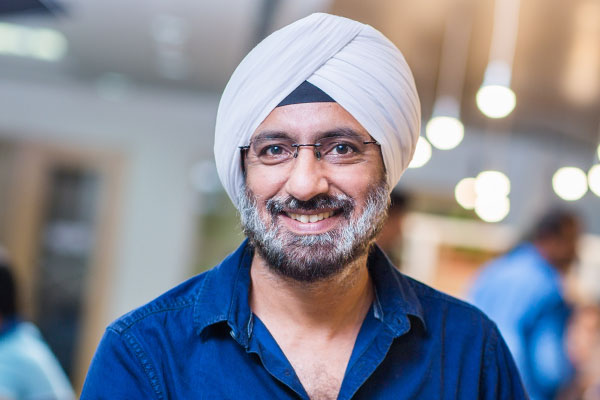
In this exclusive interaction with TPCI, Ravneet Phokela, Chief Business Officer, Ather Energy speaks about the future of EVs in India, the scope for their expansion, the challenges to their proliferation and so forth.

Q1. Is the Government of India’s vision of making the country a 100% EV nation by 2030 a realistic one?

Ravneet Phokela (RP): The government’s announcement to fully transition to electric vehicles by 2030 is an ambitious but achievable target according to us. The government and the automobile sector are working out different strategies to push for faster EV adoption.

EV sales in India crossed the 7.5 lakh mark in FY 2019, almost a triple digit growth for the industry compared to the previous year. The government is starting to see this opportunity, which is why there are demand side incentives carved out in the recent budget and the EV sector has been declared as a sunrise industry. OEMs are starting to see this and are now building their portfolios as well. All these developments will help in achieving the goal of having 100% EVs by 2030.

Q2. Given factors like the enhanced availability of public transportation system and the decline in auto purchase by millennials, do you think that Indian consumers are ready to embrace this switch to EVs? Why/why not?

RP: Electric vehicles offer better performance and lower cost of ownership, which makes them a much better alternative to petrol vehicles. We believe that the growth of public transportation will not have a big impact on the sales of two-wheelers as is evident in the estimate about the scooters segment to alone grow to 16 million by 2025. In the 2W segment in particular, there’s been little change in technology and hence the products haven’t changed drastically in over two decades. Thus, customers will respond positively to electric vehicles and we expect this trend to grow many folds this year onwards.

In the cities we operate, we have observed high consumer traction especially from petrol scooter owners seeking to replace their existing vehicles. Majority of our customers fall in the age group between 25 to 35 years. We observed that our customers majorly include those who already owned two-wheelers and were seeking an upgrade. Another key trend is of motorcycle owners shifting to scooters as they value the convenience & performance offered by Ather scooters. Though shared mobility is also introducing new ownership patterns, we believe it will be a game-changer for the four wheeler industry rather than two wheelers because the cost saving in using two-wheelers shared mobility isn’t as dramatic as that in car ride sharing. Thus, we expect customers, especially millennials, will continue responding positively to electric vehicles, especially two wheelers and this is likely to grow many folds this year onwards.

Q3. What challenges exist in the adoption of EVs as a popular mode of commuting in India? How can these be addressed?
RP: The biggest challenges to adoption are the initial high cost of electric vehicles and lack of choice of near-equal performance products. As government interventions, financial instruments and a wide variety of high performing products step in, India will see the two wheeler EV adoption accelerating.

The EV ecosystem in India is at a nascent stage. The hindrance for customers in the adoption of EVs lies in the lack of information about the sector. Educating consumers about how EVs are a great alternative to the ICE counterparts is thus a huge challenge.

The EV industry has been the victim of poor design and manufacturing. Therefore, building an ecosystem is a big challenge in a market like India that’s in the early stages of development.

Q4. What lessons can the Indian automotive industry take from its international counterparts to bolster EVs?

RP: The Indian automotive industry can learn a lot from its international counterparts, especially from Norway. Policy measures (e.g. tax exemptions, toll exemptions and other incentives) adopted by Norway have been effective in promoting electric cars. The country imposes hefty vehicle import duties and car registration taxes, but the same are waived off for electric vehicles. By waiving these duties for electric vehicles, Norway is effectively subsidising EV purchases.

Q5. Is India capable of manufacturing EVs on its own or will it depend on countries like China and Japan to meet its technological and other production related requirements? If it is dependent on other nations, what can be done to make the industry self-reliant?

RP: We believe that India has the potential to develop an indigenous EV ecosystem. As the EV industry scales up, our supplier ecosystem will build up. As more indigenous players enter the market, we will witness greater diversity and healthy competition in the industry, which will eventually reduce our dependence on other countries for imports. We believe:

a) Designing products for Indian consumers will limit dependence on imports.
b) Since it is a new industry, there is huge potential to build IP and value which will allow Indian manufacturers to define standards.

The major issues are focused on battery and charging infrastructure. When it comes to battery technology, India already has the technology to manufacture battery packs, with new players being added everyday. However the cell manufacturing industry still needs to be developed and for that, cell design needs to take Indian conditions into consideration. This requires a lot of investment and long term policy support from the government.

The move to reduce GST on electric vehicles from 12% to 5% and an allocation of Rs 1,000 crores for charging infrastructure shows the seriousness on the government’s side to drive the electric shift, though the industry will need greater clarity on the criteria and process to avail these benefits.

Standardisation of charging protocols and connectors for similar class of vehicles will add to the convenience of the EV vehicle owners. Common standards lead to interoperability and better utilization of the infrastructure, eventually leading to a faster path to profitability.

Q6. Do you think the government’s FAME 2 scheme is a step in the right direction? If not, what suggestions do you have for the government?

RP: The FAME II scheme focuses on key consumer adoption drivers, and encourages serious automakers to create a conducive ecosystem. A NITI Aayog study reports that if FAME II and other government measures are successful, India could realize EV sales penetration of 80% of two-wheelers by 2030.

The emphasis on local R&D and support for domestic manufacturing is much needed and will help Indian automakers build vehicles locally. The validity of the ‘Phased Manufacturing Program’ until 2022, along with the significant budget allocation, and the incremental scale of import duty from 5% to 15% on Li-ion batteries at the end of 2022, will drive OEMs to fast-track their investments into infrastructure and R&D now. The government’s emphasis on local sourcing and manufacturing aligns with the “Make in India” agenda.

Aside from the manufacturing support rolled out, the Indian Government needs to support the industry ground up, right from the R&D phase. Indian EVs require a new approach to the design involved in the core components like the motor, Li-ion cells & batteries. Incentivising efforts to build products that perform well under our thermal conditions, and the stop and start traffic will lead to better quality products for the consumer.

Q 7. What are the factors that have led to the de-growth of automotive sales in India? What are the impacts that it is likely to have? What can the government do to correct this situation?

The automobile sector is experiencing an overall slowdown and this has intensified in the past month as the industry is witnessing a low customer buying sentiment and postponement of purchases as well. Industry leaders have added that the high insurance costs, rise in taxes and liquidity crunch across the non-banking finance segment, tightening of lending norms have significantly affected the domestic sales in the last few months.
Also from April 2020, automobiles will have to be compliant with Bharat Stage VI, an emission control standard that will replace the existing Bharat Stage IV norms and bring India on par with advanced countries such as those in Europe and the US. The cost of meeting the new regulations and other safety norms will be higher and will also increase the acquisition cost of vehicles.


An alumnus of IMT, Ravneet heads the Marketing, Sales, After Sales & Customer Service and Charging Infrastructure verticals at Ather. He has worked with an array of top brands including Whirlpool, Nokia India, PAYBACK India and Flipkart in the past. He was also a leading face in the government’s ambitious flagship programme, Make in India.

Ather Energy was co-founded in 2013 by IIT graduates – Tarun Mehta and Swapnil Jain. It is one of the few hardware startups in India and built the country’s first truly intelligent electric scooters. It is funded by the founders of Flipkart, Tiger Global and Hero Motocorp.
Previous Post
Next Post

Most Recent Posts

  • All Post
  • 8th Pay Commission
  • Aadhar
  • Aditya Birla Capital
  • Advertising Standards
  • Affordable Housing
  • Agriculture
  • Agriculture & Food
  • AI in Healthcare
  • AI Technology
  • Airlines
  • alcohol industry
  • Android
  • APEDA
  • Apple
  • Artificial Intelligence
  • Ashwini Vaishnaw
  • asian para games
  • Asset Management
  • Atmanirbhar Bharat
  • Audio Devices
  • Audio Products
  • Auto Industry
  • Automobile
  • Automobiles
  • Automotive
  • Automotive Industry
  • Aviation
  • Bain Healthcare Report 2026
  • Bank
  • Banking
  • Banking Technology
  • Battery Industry
  • Beverage Industry
  • Beverages
  • Bihar
  • biotechnology
  • Bitcoin
  • BMW Group India
  • Brand Insight
  • BRICS
  • Bullion Market
  • Business
  • Business & Economy
  • Business & Trade
  • Business Leadership Post COVID-19
  • Business News
  • Business Terminology
  • Business Utilities
  • Buyback
  • Capital Goods
  • Capital Markets
  • CarsBusiness
  • CBIC
  • CCI
  • chemicals
  • Child Investment
  • China
  • China technology news
  • Citizen Services
  • Clean Energy
  • Clean Technology
  • Cloud Computing
  • coal
  • Commerce
  • Commerce and Industry
  • Commercial Real Estate
  • Commercial Vehicles
  • Commodities
  • Communications
  • Companies
  • Competition Law
  • Compliance
  • Computer Accessories
  • connected cars
  • Consumer
  • Consumer Affairs
  • Consumer Electronics
  • Consumer Finance
  • Consumer Goods
  • Consumer Health
  • Consumer Markets
  • Consumer News
  • Consumer Protection,
  • Consumer Rights
  • Consumer Spending
  • Consumer Trends
  • Content Creation
  • Copper
  • Corporate
  • corporate affairs
  • Corporate Earnings
  • Corporate Governance
  • Corporate News
  • Corporate Social Responsibility
  • Cost of Living
  • Country
  • CRED
  • Credit Cards
  • CREDIT RATING
  • crime
  • Crude Oil
  • Cryptocurrency
  • CSR
  • Culture
  • Currency
  • Customs Duty
  • Cyber Security
  • Cybersecurity
  • Dairy Industry
  • Data & Analytics
  • Defence
  • Delhi Government
  • Delhi-NCR
  • Demographics
  • Derivatives
  • DGCA
  • DGFT
  • DigiLocker
  • Digital Assets
  • Digital Economy
  • Digital Health India
  • Digital Identity
  • Digital India
  • Digital Infrastructure
  • Digital passport for robots
  • Digital Payments
  • Digital Platforms
  • digital services
  • Diplomacy
  • Dixon Technologies
  • DPIIT
  • E Commerce
  • E-commerce
  • E-Governance
  • Ease of Doing Business
  • Economic Growth
  • Economy
  • Edible Oil Industry
  • Editor Choice
  • EdTech
  • Education
  • Electric Mobility
  • Electric Vehicles
  • Electronics
  • Employment
  • ENERGY
  • Engineering
  • Entertainment
  • Environment
  • EPFO
  • Ethanol Economy
  • EV Industry
  • EV Technology
  • Exports
  • EXTER
  • Farmers
  • Fashion
  • festive offers
  • FINANCE
  • Finance Ministry,
  • Financial Marketing
  • Financial Markets
  • Financial News
  • Financial Planning
  • Financial Results
  • Financial Services
  • Fintech
  • FnTech
  • Food & Beverage
  • Food & Beverages
  • Food Exports
  • Food Industry
  • Food Manufacturing
  • Food Processing
  • Food Regulations
  • food safety
  • Foreign Exchange
  • Foreign Investment
  • Foreign Policy
  • Foreign Trade
  • Forex Reserves
  • fssai
  • FTA
  • Fuel
  • Fuel Prices
  • Future Energy
  • Gadgets
  • Gadgets & Apps
  • Gaming
  • GDP
  • Generative AI Healthcare
  • Geopolitics
  • GI Products
  • Global Brand Alliance
  • Global Economy
  • Global Markets
  • Global Politics
  • Global Tech
  • Global Trade Policy
  • Global Trends\
  • Gold
  • Gold Market
  • Gold Prices
  • Gols & Silver
  • Government
  • Government & Policy
  • Government Affairs
  • Government Bonds
  • Government Data
  • Government Initiatives
  • Government Policy
  • Government Policy & Regulation
  • Government Scheme
  • Government Schemes
  • Government Services
  • Green Energy
  • Green Mobility
  • GroupGlobal
  • GST
  • GST Council
  • GST Counsil
  • Hair Care
  • Hardware
  • Hatchback Segment
  • Health Supplements,
  • Horticulture
  • Housing
  • HSBC
  • Human Resources
  • humanoid robot market
  • Hyundai
  • IBT Infographics
  • iinvestment
  • Imports & Exports
  • Income Tax
  • India
  • India Auto Market
  • India Business News
  • India Inc
  • India News
  • India Retail
  • India-Canada Relations
  • India-China
  • India-Japan Relations
  • India-Russia Relations
  • India-South Korea Relations
  • India-US Relations
  • Indian Economy
  • Indian Navy
  • Industrial Pollution
  • Inflation
  • Infra
  • Infrastructure
  • Innovation
  • Instagram
  • Insurance
  • international
  • International Affairs
  • International Cooperation
  • International Relations
  • International Trade
  • Internet & Connectivity
  • Internet Policy
  • Internet Regulation
  • Interview
  • Investing
  • Investment News
  • Investments
  • iPhone News
  • IPO
  • IT Industry
  • Jewellery
  • Jio Platforms
  • JioBlackRock
  • Jobs & Careers
  • Joint Ventures
  • Kim Kardashian
  • Labour
  • Latest
  • Launches
  • Leadership
  • Leaderspeak
  • Lending
  • Lifestyle
  • Lifestyle Tech
  • List
  • Loans & Credit
  • Local News
  • Logistics
  • LPG
  • Luxury Cars
  • Machinery
  • Macroeconomics
  • Macroeconomy
  • maharashtra
  • Maharashtra News
  • Make in India
  • Makhana
  • Manufacturing
  • Market Outlook
  • Markets
  • Maruti Suzuki
  • Mergers & Acquisitions
  • Meta
  • Microsoft
  • Middle East
  • Mobile Apps
  • Mobile Industry
  • Mobile Launch
  • Mobility
  • Monetary Policy
  • Monsoon
  • MoSPI
  • MSME
  • Mutual Funds
  • Nano Tech
  • National
  • National news
  • NEET 2026
  • NewsElectric
  • NewsTata
  • NPCI
  • NPS Vatsalya
  • Office Market
  • Oil & Gas
  • Oil and Gas
  • Others
  • OTT
  • Packaged Drinking Water
  • Packaged Foods
  • Packaging Industry
  • Packaging Innovation
  • para archery
  • Passenger Vehicles
  • Paytm
  • Pension & Retirement
  • Pensions
  • Personal Care
  • Personal Finance
  • Perspectives
  • Petroleum
  • PFRDA
  • Pharmaceuticals
  • PM Modi
  • PMAY-G
  • PMAY-U
  • PMAY,
  • PMI
  • policy
  • Population
  • PORTS
  • Positive News
  • PPF
  • Precious Metals
  • Pricing
  • Product Labeling
  • Product Labelling
  • Product Launch
  • Property Market
  • PSU
  • PSU Banks
  • Public Health
  • Public Policy
  • Public Safety
  • Public Sector
  • Public Services
  • Public Welfare
  • Quarterly Results
  • Railways
  • Rajasthan
  • Raksha Bandhan
  • Raksha Bandhan Gifts
  • Rare Earths
  • RBI
  • Real Estate & Realty Sector
  • Recycling
  • Regulation
  • Regulatory Action
  • Regulatory Affairs
  • Regulatory Updates
  • REIT
  • Reliance Industries
  • Renewable Energy
  • RERA
  • Research
  • Retail
  • Retirement Planning
  • Road Infrastructure
  • Robotics & Automation
  • robotics standards
  • Rupee
  • Rural Development
  • Rural Housing
  • SAIL
  • Salaries
  • Samsung
  • Savings
  • Science & Technology
  • Sebi
  • Security
  • Semiconductor
  • Services Sector,
  • SHIPPING
  • Silver Prices
  • Skill Development
  • Skills Development
  • Small Business
  • Smart Devices
  • Smart Home
  • Smart Mobility
  • Smartphones
  • Social Impact
  • Social Media
  • Society
  • Software Development
  • Solar Energy
  • Space Technology
  • sports
  • Startups
  • Statistics
  • Steel Industry
  • Stock Market
  • stocks
  • streaming
  • Sugar Industry
  • Sukanya Samriddhi Yojana
  • Sustainability
  • SUV
  • Tamil Nadu Pollution Board
  • Tariffs
  • Tariffs & Duties
  • Tata Group
  • Tata Motors
  • Tata Sons
  • Tax Planning
  • Taxation
  • Tech
  • Tech Branding
  • Technology
  • Telecom & Technology
  • Telecom Industry
  • television
  • Top Story
  • Tourism
  • Trade
  • Trade Agreement
  • Trade Basket
  • Trade Partner
  • Trade Policy,
  • Transportation
  • Travel
  • Trending
  • Two-Wheelers
  • UIDAI
  • UPI
  • Urban Development
  • US-Iran Conflict Economic Impact
  • US–India Relations
  • Uttar Pradesh
  • VehiclesLuxury
  • vivo
  • Wastewater Management
  • Water Quality,
  • Wealth Management
  • Wearables
  • Wellness
  • WhatsApp
  • Wheat
  • Workplace
  • World
  • World News
  • Worldview
  • Yamaha
  • zLead Slider
    •   Back
    • Healthcare
    • Auto
    • Fmcg
    • Hospitality
    •   Back
    • Cash Crop
    • Organic
    • New Era Agri
    • Processed Food
    •   Back
    • Construction
    • Power
    • Mining
    • Telecom
    •   Back
    • ENERGY
    •   Back
    • Export/Import
    • Trade Deal
    • Trade Fair
    •   Back
    • Policies
    • Industry
    • Finance
    •   Back
    • Others technology
    • Mobile phone
    • Gadgets
    •   Back
    • Manufacturing
    • Services
    • Startup

India Business & Trade is a national media platform decoding the ideas, decisions and shifts shaping India’s growth story—across plicy, business, global commerce and a rapidly evolving marketplace.

Reach Us

India Business & Trade
M-62, Saket, New Delhi-110064, India

Subscribe To Newsletter

Stay ahead in the dynamic world of trade and commerce with India Business & Trade’s weekly newsletter.

Copyright © 2026 India Business & Trade. All Rights Reserved