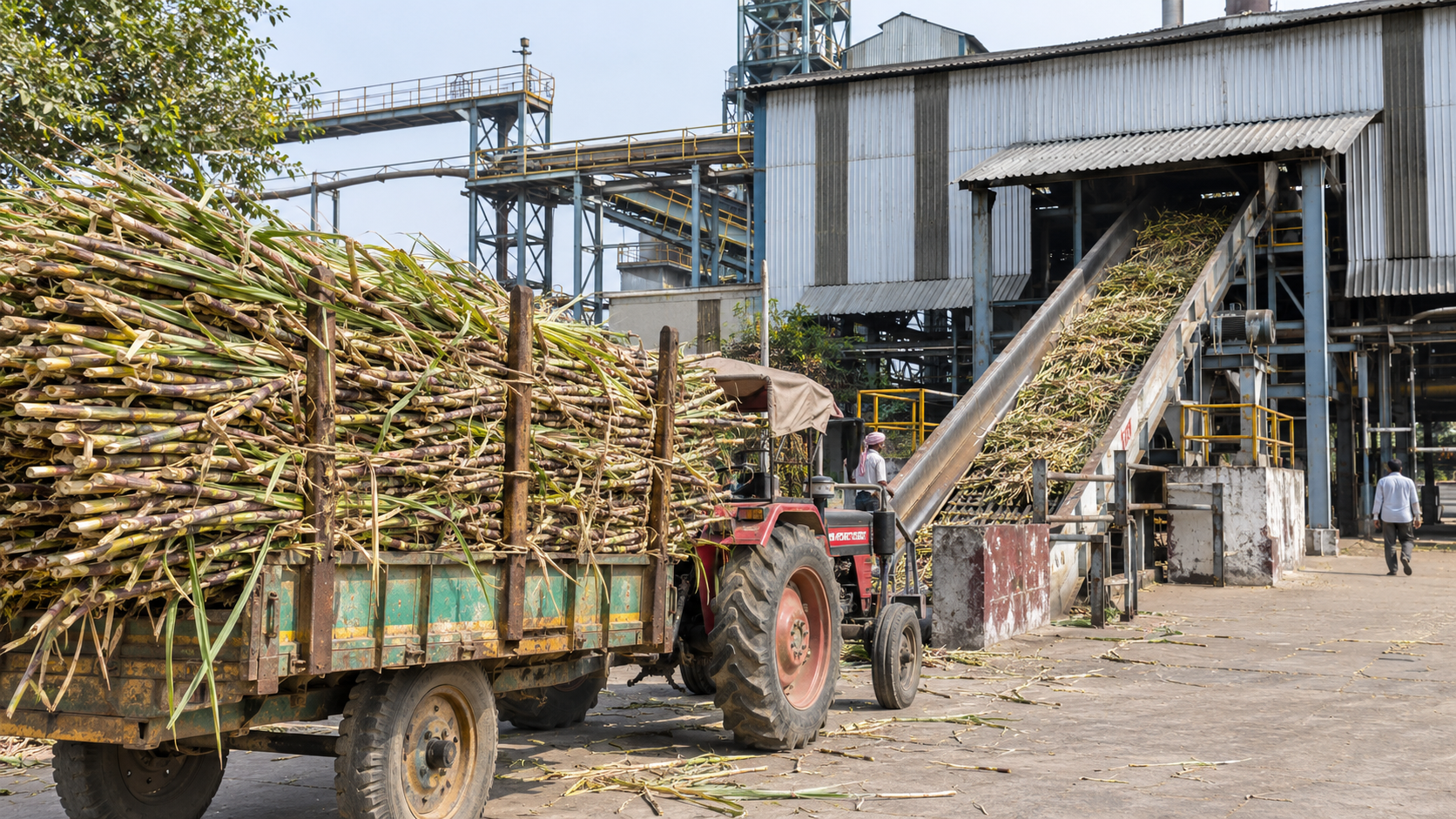
India’s trade remedies authority has launched a suo motu anti-dumping investigation into aluminium products imported from China, Malaysia, Vietnam and Thailand. The probe follows complaints from domestic manufacturers that a sharp increase in cheap imports is hurting Indian producers, particularly MSMEs.
New Delhi, November 10 — The Directorate General of Trade Remedies (DGTR) has initiated an anti-dumping investigation into imports of certain aluminium products from China, Malaysia, Vietnam and Thailand, as India seeks to protect domestic manufacturers from allegedly dumped imports.
Unlike most anti-dumping investigations, which begin after a formal application from domestic producers, the DGTR has initiated this probe suo motu, or on its own initiative.
The move follows representations from the Aluminium Extrusion Manufacturers Association of India (ALEMAI), which represents 228 manufacturers of aluminium extrusion profiles, structures and articles.
The industry has claimed that domestic manufacturers are suffering injury due to a significant increase in allegedly dumped imports from the four countries.
Products used across multiple industries
The products covered by the investigation have applications across a wide range of sectors.
Aluminium extrusion products are used in windows, doors, curtain walls, partitions, railings, lighting profiles, industrial framing and solar mounting structures.
They are also used in ladders, furniture, kitchen and wardrobe profiles and bicycle parts, besides several transport, electrical and engineering applications.
The DGTR said it decided to initiate the investigation after examining information submitted by ALEMAI and its member manufacturers.
What will DGTR investigate?
The DGTR will determine the existence, degree and impact of the alleged dumping and assess whether imports have caused material injury to the domestic industry.
If the investigation establishes that dumped imports have harmed Indian manufacturers, the DGTR could recommend an anti-dumping duty sufficient to address the injury.
However, the DGTR itself does not impose the duty. The Finance Ministry takes the final decision on whether the recommended anti-dumping duty should be implemented.
Why anti-dumping duties are imposed
Anti-dumping investigations are conducted when authorities suspect foreign manufacturers are exporting products at unfairly low prices and damaging domestic producers.
Such duties are permitted under the framework of the World Trade Organization (WTO) and are intended to provide a level playing field between domestic manufacturers and foreign exporters.
China, Malaysia, Vietnam and Thailand are all WTO members.
India has already imposed anti-dumping duties on several products imported from different countries, including China.
The source notes that rising global economic uncertainty and excess manufacturing capacity in some economies have increased the risk of surplus goods being sold in overseas markets at artificially low prices.
Cheap imports themselves are not automatically considered problematic and can benefit consumers through lower prices. However, they become a trade-remedy concern when authorities determine that they are causing material injury to domestic producers or threatening the viability of domestic industries.