Governments worldwide are investing heavily in developing their bioeconomies, with India emerging as the clearest example of demand and supply expanding together, according to a World Economic Forum report. India also has the highest combined share of major bioeconomy policy instruments among the countries studied.
New Delhi, November 10 — India has emerged as a leading example of rapid bioeconomy development, with government policies supporting both demand and production capacity, according to a new report by the World Economic Forum (WEF).
The Bioeconomy Policy Index report, prepared by the WEF in collaboration with Capgemini Invent, examined 935 bioeconomy policy instruments across seven major economies — India, China, Japan, the United Kingdom, Germany, the United States and Brazil.
The report said India’s policy framework places a strong emphasis on research and development, enabling conditions and institutional capacity.
India has most cross-cutting policy portfolio
According to the WEF, India has the most cross-cutting bioeconomy policy portfolio among the countries examined.
Around 48% of India’s policy instruments support enabling conditions, including R&D, tax incentives and institutional capacity, rather than focusing on individual sectors.
The country also recorded the highest combined share of commonly used policy instruments at 76%, followed by the UK at 69%, Brazil at 68% and the US at 67%.
India’s rapidly expanding bioeconomy is being supported by targeted national initiatives, including the Biotechnology for Economy, Environment and Employment (BioE3) Policy.
Ethanol programme highlighted
The WEF identified India as the clearest example among the countries studied where demand and supply have expanded together.
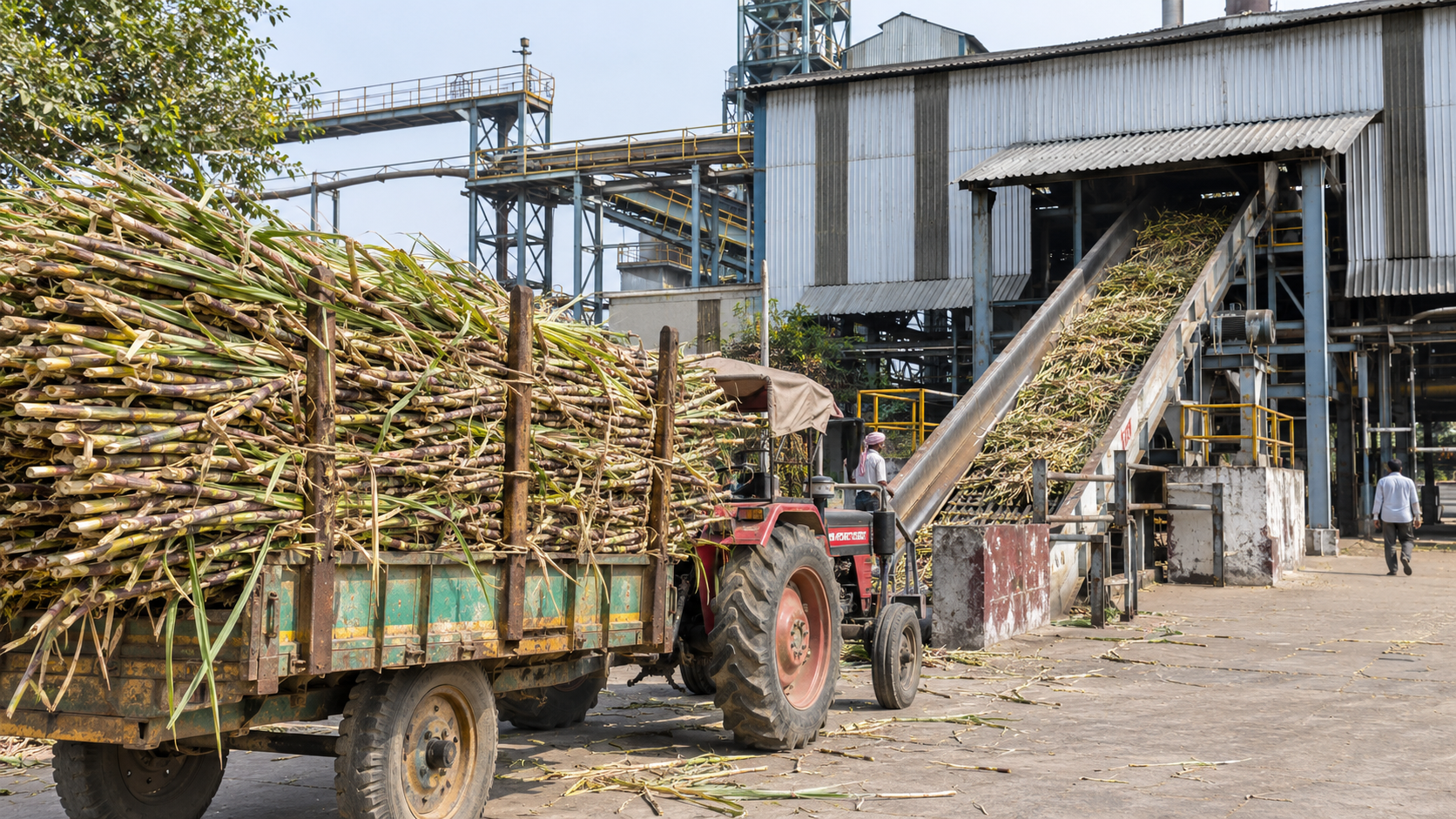
The report highlighted India’s Ethanol Blended Petrol Programme as an example.
Mandated demand for ethanol-blended fuel was accompanied by concessional financing for additional distillery capacity through the Ethanol Interest Subvention Scheme.
As production capacity increased alongside demand, India achieved 20% ethanol blending five years ahead of the original 2030 target, according to the report.
The Ministry of Petroleum and Natural Gas has reported cumulative emissions savings of around 95.2 million tonnes of carbon dioxide from the programme.
However, the WEF report noted that this emissions-saving figure has not been independently evaluated.
WEF calls for better policy measurement
The report also recommended that governments design bioeconomy policies to generate demand while tackling specific barriers to commercialisation.
It called for common reporting standards so that the outcomes of different policy instruments can be compared across countries, sectors and programmes.
The findings suggest that India’s approach combines policies aimed at building scientific and institutional capabilities with measures that create commercial demand.
The ethanol programme provides a notable example of this strategy, where government-backed expansion of production capacity was accompanied by mandated demand for the final product.
As countries increase investment in biotechnology and bio-based industries, the WEF report positions India as a prominent example of how coordinated policy interventions can support the expansion of a national bioeconomy.