The IMF expects Asia’s economy to grow faster than the global average over the next two years. However, rising oil prices and inflation risks could force central banks to increase interest rates.
Highlights
- IMF expects Asian economies to outperform global growth over the next two years.
- Rising crude oil prices due to the Middle East conflict threaten inflation stability.
- IMF advises Asian central banks to prioritise controlling inflation.
- Interest rate hikes may be necessary if inflation pressures persist.
- India’s economic growth forecast has been raised to 7% for 2026.
- Uneven technology gains and fiscal constraints could affect regional growth.
IMF Sees Stronger Growth in Asia, Warns Central Banks Over Rising Inflation Risks
New Delhi, October 15, 2026: The International Monetary Fund (IMF) expects Asian economies to grow faster than the global average over the next two years. However, the global financial institution has warned that rising oil prices and inflationary pressures could create challenges for central banks across the region.
The IMF has urged policymakers to maintain price stability as the ongoing Middle East conflict pushes energy prices higher. Increasing fuel costs could raise transportation, manufacturing and household expenses, affecting businesses and consumers.
IMF Advises Central Banks to Control Inflation
Krishna Srinivasan, Director of the IMF’s Asia and Pacific Department, said monetary authorities must remain focused on controlling inflation despite the region’s positive economic outlook.
Speaking at a press briefing in Bangkok during the IMF-World Bank Annual Meetings, Srinivasan highlighted the importance of maintaining credible monetary policies.
He said central banks should consider increasing interest rates where inflation expectations are becoming unstable or price pressures remain persistent.
Higher interest rates can help control inflation by reducing borrowing and spending. However, they may also increase loan costs for households and businesses, potentially slowing economic activity.
Rising Oil Prices Pose Major Economic Risk
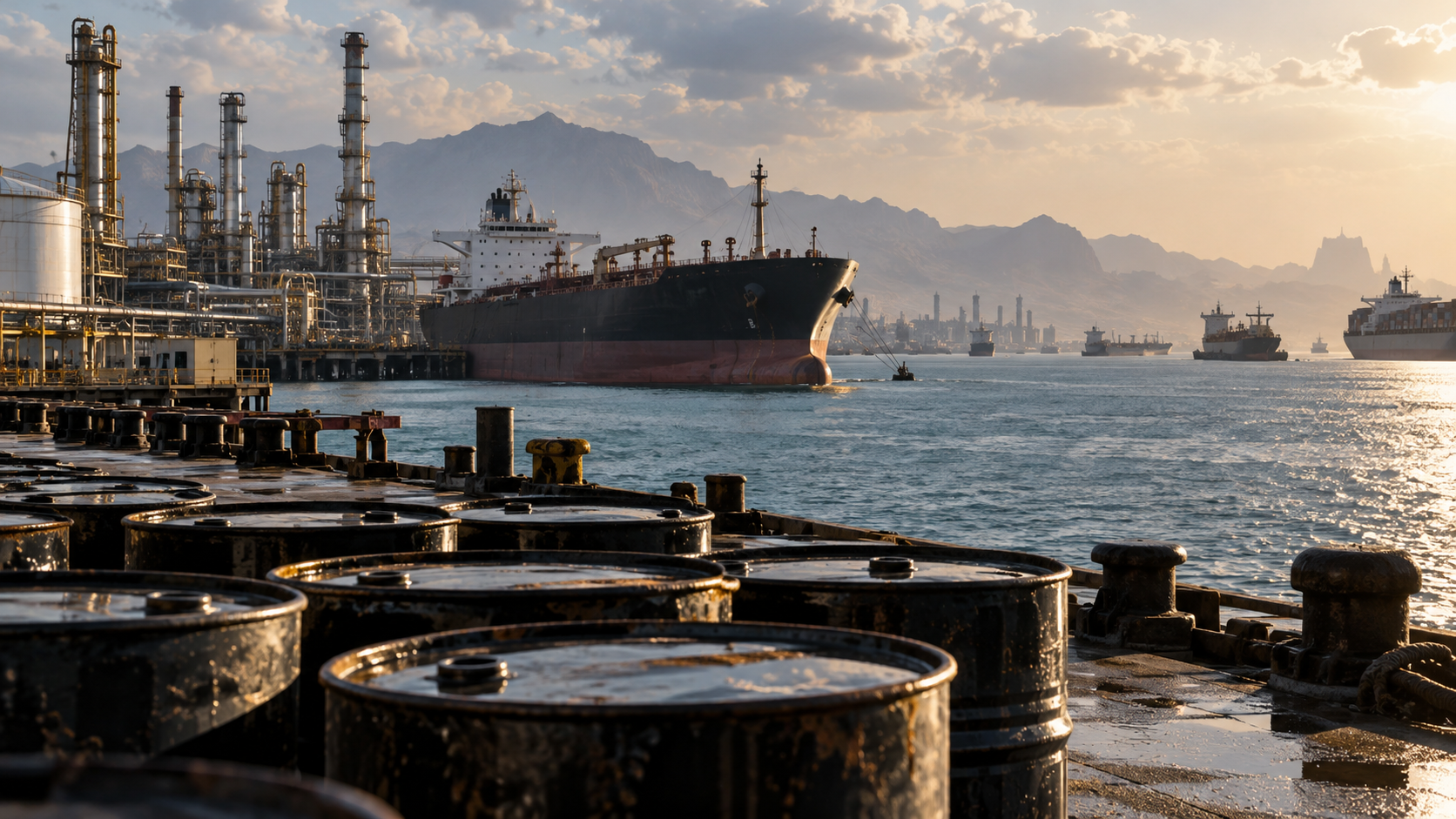
The ongoing conflict in the Middle East has created uncertainty in global energy markets. Higher crude oil prices could increase inflation across Asian economies, particularly those dependent on imported energy.
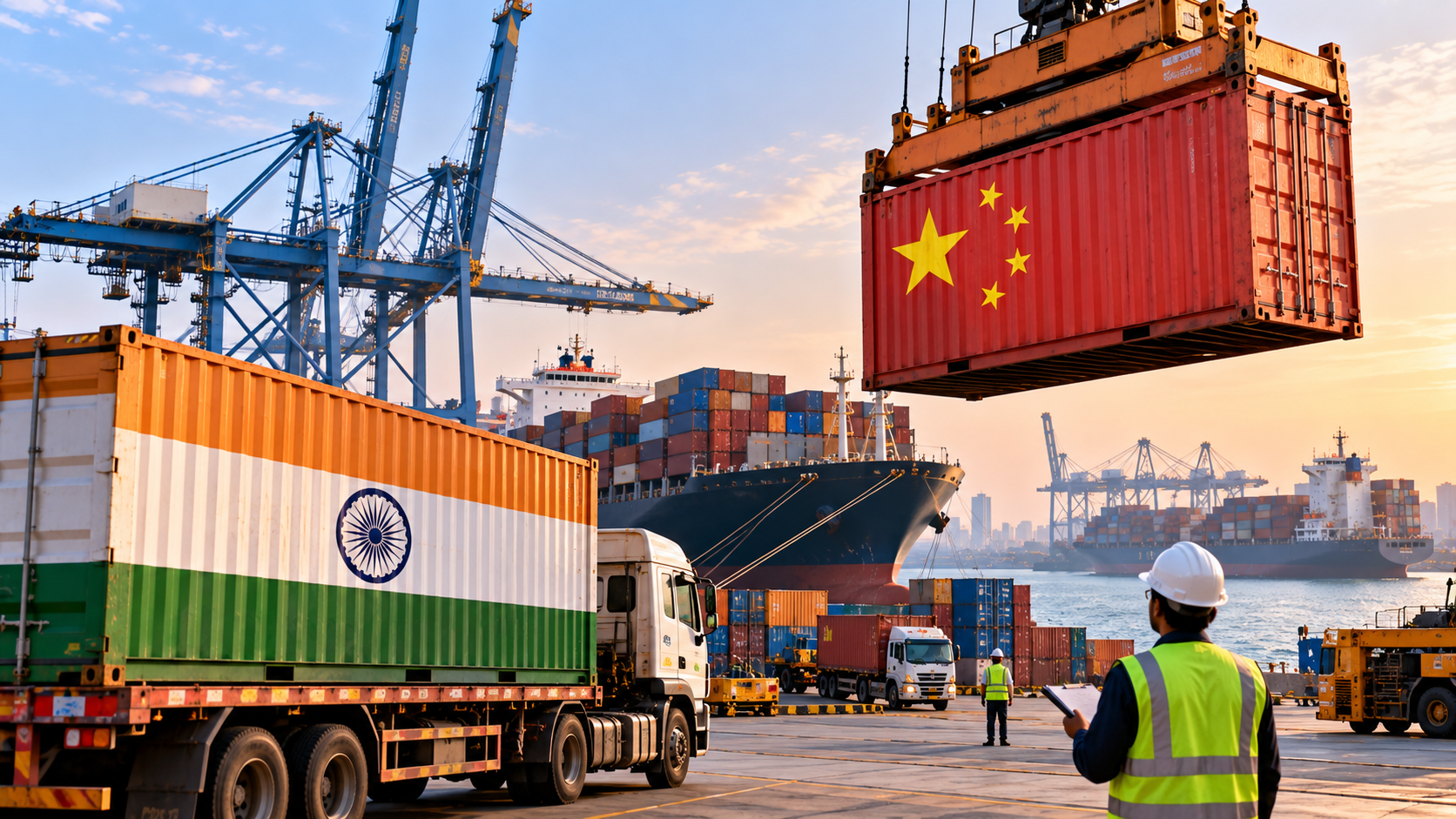
Countries such as India, which import significant quantities of crude oil, could face additional pressure from rising fuel costs.
Expensive oil can increase transportation and production expenses, eventually affecting the prices consumers pay for everyday goods and services.
India’s Growth Outlook Remains Positive
Despite global economic uncertainties, India’s growth outlook remains strong.
The IMF has raised India’s economic growth forecast to 7% for 2026, reflecting expectations of continued economic expansion.
However, rising energy costs, global trade uncertainty and inflationary pressures remain important risks to the country’s economic outlook.
Technology and Fiscal Challenges Ahead
The IMF also highlighted uneven benefits from technological advancements and limited fiscal flexibility as challenges facing Asian economies.
While technological innovation could improve productivity and support long-term growth, its economic benefits may not be distributed equally across countries.
Governments facing budget constraints may also have limited capacity to respond to unexpected economic shocks.
The IMF’s latest assessment suggests that Asia will remain an important driver of global economic growth, but maintaining inflation control will be essential for sustaining economic stability.