Exiting the lockdown: Journey from life to livelihood

• After 21 days of a tough nation-wide lockdown, the economic hardship for India has been quite unimaginable, particularly for the poor.
• At the same time, opening up the economy when new cases are still hovering around the 1,000 mark everyday would mean giving up on hard-won gains against the spectre of Covid-19.
• The government has framed guidelines for phased opening up in non-containment zones. Activities being allowed seem to cater in particular to the welfare of farmers and wage earners, while focussing on essential sectors.
• Companies and individuals may have to adjust to new ways of working as they return to ‘normal life’. Stringent enforcement of norms, however inconvenient, will be key.

The air is a lot cleaner, the earth is a lot greener, and mankind may have got a lot wiser with the onset of Covid-19. There could be several ways in which we envision a new future for the world after the Coronavirus, which is no less than a world war (thankfully, one where mankind isn’t in conflict with itself). There would certainly be a rethink on healthcare systems, preparedness for such disasters, risk assessment and planning for businesses, insurance underwriting, decentralisation of economies, and even possibly a whole new paradigm shift for the remote working phenomenon. Global supply chains are certainly expected to undergo major disruptions, and a crisis like this may bring a whole new meaning to ‘indigenisation’. Another key question would be whether the world reverses its movement towards protectionism or hurtles towards it again with renewed vigour post-Covid-19.

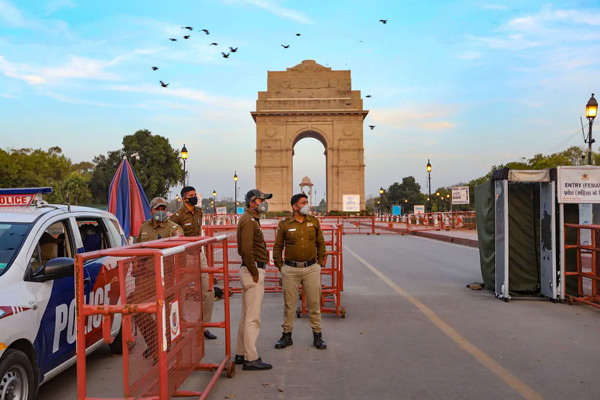
But this kind of introspection is more suited for the medium to long-term outlook. At present, the question that governments across the world are grappling with is when and how to come back to normal life. The same dilemma faces India at present. After 21 days of a tough lockdown, the economic hardship has been quite unimaginable, particularly for the poor. Every passing day makes it harder. At the same time, opening up the economy when new daily cases are still hovering around the 1,000 mark would mean the risk of giving up on hard-won gains against the spectre of Covid-19.

The solution has to be a very well conceptualised and nuanced approach, which balances these two contrarian objectives. The World Health Organisation has prepared a framework for economies to decide when and how to lift lockdown restrictions. This involves the following key considerations:

• Transmission of the coronavirus must be controlled.
• Health system capacities are in place to detect, test, isolate and treat every case and every contact.
• Outbreak risks are minimized in special settings like health facilities and nursing homes.
• Preventive measures are in place in workplaces, schools and other essential places.
• Importation risks can be managed.
• Communities are fully educated, engaged and empowered to adjust to the “new norm”.

Country Confirmed Covid-19 cases per million as on April 15, 2020
US 1,841.42
China 57.91
Canada 716.6
Brazil 118.85
Russia 144.6
South Africa 40.72
India 8.29
UK 1,382.80
Australia 251.61
Italy 2,687.45
Germany 1,522.77
France 1,586.75
Spain 3,690.34

India’s current rate of Covid-19 infection provides some insights on how the pandemic is progressing. Data shows that 92% of countries took less days than India to reach the 1st 1,000 cases. From 1,000 to 5,000 cases, 45% of countries took less days. India has taken relatively much longer time to reach from 5,000 to 10,000 cases, since 68% of countries reached that dreaded mark earlier. However, it may also be noted that India is among just 22 countries to have reported more than 10,000 Covid-19 cases. If the lockdown had not been implemented, this number could have reached around 8.2 lakh by April 15.

India vs Corona 2.0

Even as PM Shri Narendra Modi announced an extension of the lockdown till May 3, the government is now preparing itself for calibrated opening up of the economy. Firstly, the government is zeroing in on hotspots in the country by state, city, district and down to localities. According to a recent assessment, the Health Ministry has identified 170 hotspots among 736 districts in India. Tamil Nadu has the maximum such hotspots at 22, followed by Maharashtra at 14.

These are the districts where testing will need to be increased manifold, and the authorities will include even those with influenza systems or breathlessness. Quarantining will continue in all districts till April 20. After that, restrictions will be eased depending on the progress of new cases in each district.

On April 9, the government has sanctioned ₹15,000 crore towards the ‘India Covid-19 Emergency Response and Health System Preparedness Package.’ The Health Ministry asserts that it has followed a principle of over-preparedness for Covid-19. For instance, at a stage where 1,671 beds were needed (April 12), India had over 105,000 beds available. Testing capacity has spread to 219 labs including 68 from the private sector. It is further adding to the capacity by including private/public medical colleges, along with 14 mental health institutes. This added capacity will come in handy, in case there are some nasty surprises, especially once restrictions start getting lifted up.

Even from an economic perspective, India needs to muster every ounce of its capabilities that management jargon identifies as ‘constrained optimisation’ (or jugaad) to ensure that the pandemic is controlled well enough to avoid overburdening of either the healthcare system or the fiscal balance. Technology and innovation can prove to be positive x factors in this battle, be it the launch of the Arogya Setu app by the government that warns people if they have contacted a Covid-19 patient; use of robots for contact less cleaning of Covid-19 patient areas by AIIMs, or symptom-based evaluation to narrow down cases needing assistance, checking and quarantine as implemented in Bhilwara. Similarly, foot soldiers like the army of 1 million ASHA (Accredited Social Health Activist) workers can help in contact tracing to the last mile.

The government has divided districts into three categories:

Red: Either the number of cases is high or rate of growth of COVID-19 cases is high (i.e. the doubling time of cases is low).

Orange: Districts which are not hot spots but where cases have been reported

Green: No cases reported.

According to the Home Ministry’s guidelines released on April 15, select activities will be allowed across India after April 20; with the exception of containment zones, which will be demarcated within ‘hotspots’ by states/UTs/District administrations as per MOHFW guidelines. These activities will include broad areas including health services, agriculture, social services, MNREGA works, public utilities, manufacture/supply chain of essential items, all modes of goods transport, manufacturing in select sectors and even construction activities.

Returning to the ‘new normal’

In the first phase, the easing of restrictions appears to be particularly focused on reviving the economy in rural India, especially since the onset of the harvest season. Industrial units are being opened closer to rural areas, and construction activity will be restarted as well. This should provide some succour to wage earners.

It so happens that a number of manufacturing units are in orange (relatively fewer cases) and red (many Covid-19 cases) zones. India Inc has requested the government to divide districts into smaller production zones and further link production at factories to the risk of Covid-19 infection in these zones.

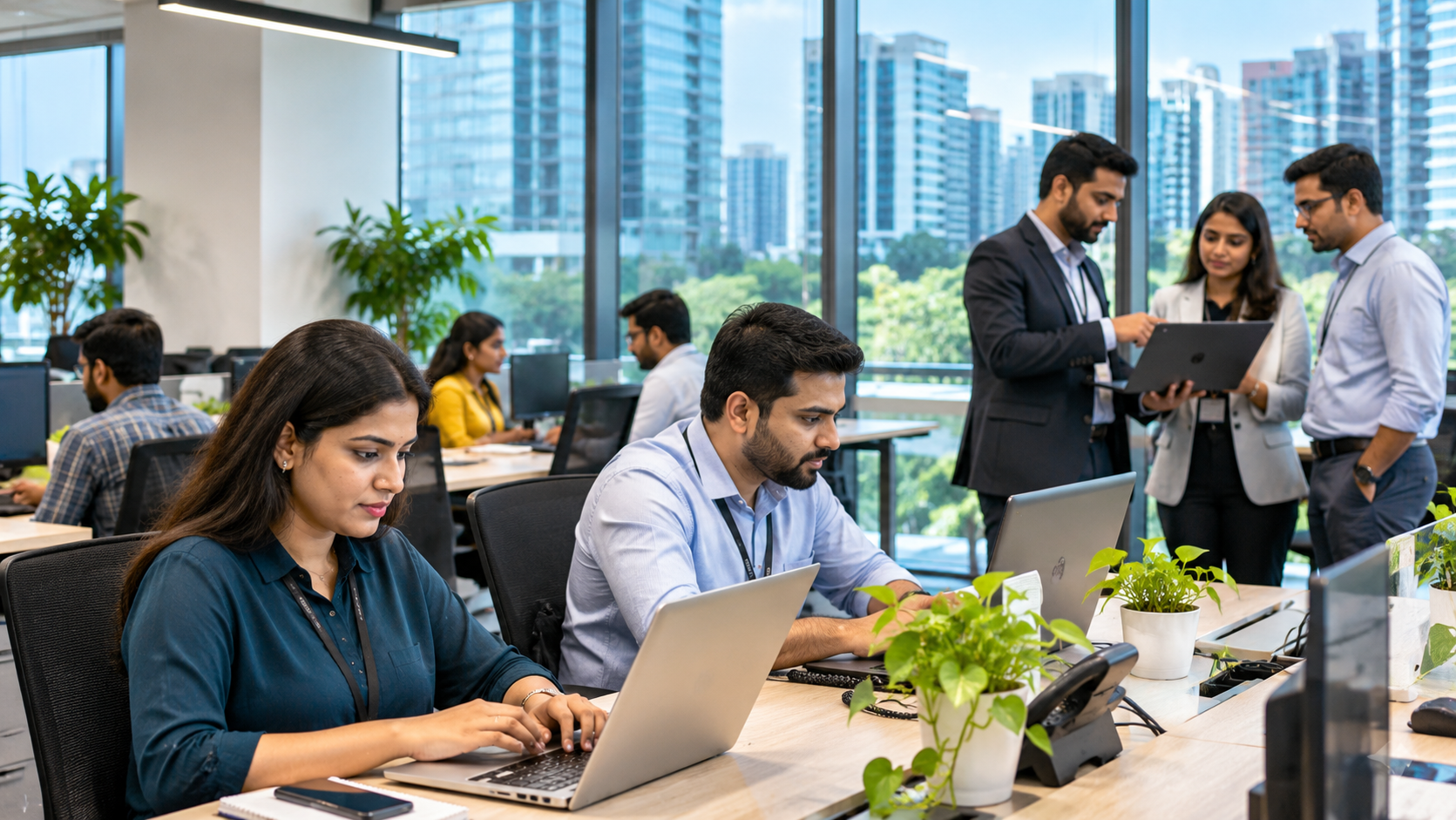
However, this opening up of restrictions comes with a strong catch. Both establishments and individuals may need to adjust to a completely new normal way of working, at least till the Covid-19 threat perists. Social distancing needs to be maintained through measures like staggered lunch breaks, seating at least 6 feet away from each other, discouraging meetings of 10 or more people and transportation facilities for workers (with 30-40% passenger capacity). Workplaces need to be sanitised – mandatory spraying of vehicles/machinery entering premises, touch-free mechanism at entry-exit points, mandatory thermal scanning of all visitors, etc.

Companies are already contemplating possible scenarios and how to minimise risk. Remote working may continue, for instance, where feasible for company operations. Proper sanitisation will certainly be accorded high priority. Clear guidelines and communication will be extremely necessary to ensure that everyone is cognisant of their safety as well as their co-workers and the general public. Another suggestion is to move paper-based processes online, where possible. Where paper is necessary, a separate set of guidelines could be framed.

The coming months entail a difficult and hard-earned return to ‘normalcy’ for people and organisations across India. It will continue severely test our patience as a country, but is the most feasible way forward in the absence of a permanent cure to the Covid-19 pandemic so far.
Previous Post
Next Post

Most Recent Posts

  • All Post
  • 8th Pay Commission
  • Aadhar
  • Aditya Birla Capital
  • Advertising Standards
  • Affordable Housing
  • Agriculture
  • Agriculture & Food
  • AI in Healthcare
  • AI Technology
  • Airlines
  • alcohol industry
  • Android
  • APEDA
  • Apple
  • Artificial Intelligence
  • Ashwini Vaishnaw
  • asian para games
  • Asset Management
  • Atmanirbhar Bharat
  • Audio Devices
  • Audio Products
  • Auto Industry
  • Automobile
  • Automobiles
  • Automotive
  • Automotive Industry
  • Aviation
  • Bain Healthcare Report 2026
  • Bank
  • Banking
  • Banking Technology
  • Battery Industry
  • Beverage Industry
  • Beverages
  • Bihar
  • biotechnology
  • Bitcoin
  • BMW Group India
  • Brand Insight
  • BRICS
  • Bullion Market
  • Business
  • Business & Economy
  • Business & Trade
  • Business Leadership Post COVID-19
  • Business News
  • Business Terminology
  • Business Utilities
  • Buyback
  • Capital Goods
  • Capital Markets
  • CarsBusiness
  • CBIC
  • CCI
  • chemicals
  • Child Investment
  • China
  • China technology news
  • Citizen Services
  • Clean Energy
  • Clean Technology
  • Cloud Computing
  • coal
  • Commerce
  • Commerce and Industry
  • Commercial Real Estate
  • Commercial Vehicles
  • Commodities
  • Communications
  • Companies
  • Competition Law
  • Compliance
  • Computer Accessories
  • connected cars
  • Consumer
  • Consumer Affairs
  • Consumer Electronics
  • Consumer Finance
  • Consumer Goods
  • Consumer Health
  • Consumer Markets
  • Consumer News
  • Consumer Protection,
  • Consumer Rights
  • Consumer Spending
  • Consumer Trends
  • Content Creation
  • Copper
  • Corporate
  • corporate affairs
  • Corporate Earnings
  • Corporate Governance
  • Corporate News
  • Corporate Social Responsibility
  • Cost of Living
  • Country
  • CRED
  • Credit Cards
  • CREDIT RATING
  • crime
  • Crude Oil
  • Cryptocurrency
  • CSR
  • Culture
  • Currency
  • Customs Duty
  • Cyber Security
  • Cybersecurity
  • Dairy Industry
  • Data & Analytics
  • Defence
  • Delhi Government
  • Delhi-NCR
  • Demographics
  • Derivatives
  • DGCA
  • DGFT
  • DigiLocker
  • Digital Assets
  • Digital Economy
  • Digital Health India
  • Digital Identity
  • Digital India
  • Digital Infrastructure
  • Digital passport for robots
  • Digital Payments
  • Digital Platforms
  • digital services
  • Diplomacy
  • Dixon Technologies
  • DPIIT
  • E Commerce
  • E-commerce
  • E-Governance
  • Ease of Doing Business
  • Economic Growth
  • Economy
  • Edible Oil Industry
  • Editor Choice
  • EdTech
  • Education
  • Electric Mobility
  • Electric Vehicles
  • Electronics
  • Employment
  • ENERGY
  • Engineering
  • Entertainment
  • Environment
  • EPFO
  • Ethanol Economy
  • EV Industry
  • EV Technology
  • Exports
  • EXTER
  • Farmers
  • Fashion
  • festive offers
  • FINANCE
  • Finance Ministry,
  • Financial Marketing
  • Financial Markets
  • Financial News
  • Financial Planning
  • Financial Results
  • Financial Services
  • Fintech
  • FnTech
  • Food & Beverage
  • Food & Beverages
  • Food Exports
  • Food Industry
  • Food Manufacturing
  • Food Processing
  • Food Regulations
  • food safety
  • Foreign Exchange
  • Foreign Investment
  • Foreign Policy
  • Foreign Trade
  • Forex Reserves
  • fssai
  • FTA
  • Fuel
  • Fuel Prices
  • Future Energy
  • Gadgets
  • Gadgets & Apps
  • Gaming
  • GDP
  • Generative AI Healthcare
  • Geopolitics
  • GI Products
  • Global Brand Alliance
  • Global Economy
  • Global Markets
  • Global Politics
  • Global Tech
  • Global Trade Policy
  • Global Trends\
  • Gold
  • Gold Market
  • Gold Prices
  • Gols & Silver
  • Government
  • Government & Policy
  • Government Affairs
  • Government Bonds
  • Government Data
  • Government Initiatives
  • Government Policy
  • Government Policy & Regulation
  • Government Scheme
  • Government Schemes
  • Government Services
  • Green Energy
  • Green Mobility
  • GroupGlobal
  • GST
  • GST Council
  • GST Counsil
  • Hair Care
  • Hardware
  • Hatchback Segment
  • Health Supplements,
  • Horticulture
  • Housing
  • HSBC
  • Human Resources
  • humanoid robot market
  • Hyundai
  • IBT Infographics
  • iinvestment
  • Imports & Exports
  • Income Tax
  • India
  • India Auto Market
  • India Business News
  • India Inc
  • India News
  • India Retail
  • India-Canada Relations
  • India-China
  • India-Japan Relations
  • India-Russia Relations
  • India-South Korea Relations
  • India-US Relations
  • Indian Economy
  • Indian Navy
  • Industrial Pollution
  • Inflation
  • Infra
  • Infrastructure
  • Innovation
  • Instagram
  • Insurance
  • international
  • International Affairs
  • International Cooperation
  • International Relations
  • International Trade
  • Internet & Connectivity
  • Internet Policy
  • Internet Regulation
  • Interview
  • Investing
  • Investment News
  • Investments
  • iPhone News
  • IPO
  • IT Industry
  • Jewellery
  • Jio Platforms
  • JioBlackRock
  • Jobs & Careers
  • Joint Ventures
  • Kim Kardashian
  • Labour
  • Latest
  • Launches
  • Leadership
  • Leaderspeak
  • Lending
  • Lifestyle
  • Lifestyle Tech
  • List
  • Loans & Credit
  • Local News
  • Logistics
  • LPG
  • Luxury Cars
  • Machinery
  • Macroeconomics
  • Macroeconomy
  • maharashtra
  • Maharashtra News
  • Make in India
  • Makhana
  • Manufacturing
  • Market Outlook
  • Markets
  • Maruti Suzuki
  • Mergers & Acquisitions
  • Meta
  • Microsoft
  • Middle East
  • Mobile Apps
  • Mobile Industry
  • Mobile Launch
  • Mobility
  • Monetary Policy
  • Monsoon
  • MoSPI
  • MSME
  • Mutual Funds
  • Nano Tech
  • National
  • National news
  • NEET 2026
  • NewsElectric
  • NewsTata
  • NPCI
  • NPS Vatsalya
  • Office Market
  • Oil & Gas
  • Oil and Gas
  • Others
  • OTT
  • Packaged Drinking Water
  • Packaged Foods
  • Packaging Industry
  • Packaging Innovation
  • para archery
  • Passenger Vehicles
  • Paytm
  • Pension & Retirement
  • Pensions
  • Personal Care
  • Personal Finance
  • Perspectives
  • Petroleum
  • PFRDA
  • Pharmaceuticals
  • PM Modi
  • PMAY-G
  • PMAY-U
  • PMAY,
  • PMI
  • policy
  • Population
  • PORTS
  • Positive News
  • PPF
  • Precious Metals
  • Pricing
  • Product Labeling
  • Product Labelling
  • Product Launch
  • Property Market
  • PSU
  • PSU Banks
  • Public Health
  • Public Policy
  • Public Safety
  • Public Sector
  • Public Services
  • Public Welfare
  • Quarterly Results
  • Railways
  • Rajasthan
  • Raksha Bandhan
  • Raksha Bandhan Gifts
  • Rare Earths
  • RBI
  • Real Estate & Realty Sector
  • Recycling
  • Regulation
  • Regulatory Action
  • Regulatory Affairs
  • Regulatory Updates
  • REIT
  • Reliance Industries
  • Renewable Energy
  • RERA
  • Research
  • Retail
  • Retirement Planning
  • Road Infrastructure
  • Robotics & Automation
  • robotics standards
  • Rupee
  • Rural Development
  • Rural Housing
  • SAIL
  • Salaries
  • Samsung
  • Savings
  • Science & Technology
  • Sebi
  • Security
  • Semiconductor
  • Services Sector,
  • SHIPPING
  • Silver Prices
  • Skill Development
  • Skills Development
  • Small Business
  • Smart Devices
  • Smart Home
  • Smart Mobility
  • Smartphones
  • Social Impact
  • Social Media
  • Society
  • Software Development
  • Solar Energy
  • Space Technology
  • sports
  • Startups
  • Statistics
  • Steel Industry
  • Stock Market
  • stocks
  • streaming
  • Sugar Industry
  • Sukanya Samriddhi Yojana
  • Sustainability
  • SUV
  • Tamil Nadu Pollution Board
  • Tariffs
  • Tariffs & Duties
  • Tata Group
  • Tata Motors
  • Tata Sons
  • Tax Planning
  • Taxation
  • Tech
  • Tech Branding
  • Technology
  • Telecom & Technology
  • Telecom Industry
  • television
  • Top Story
  • Tourism
  • Trade
  • Trade Agreement
  • Trade Basket
  • Trade Partner
  • Trade Policy,
  • Transportation
  • Travel
  • Trending
  • Two-Wheelers
  • UIDAI
  • UPI
  • Urban Development
  • US-Iran Conflict Economic Impact
  • US–India Relations
  • Uttar Pradesh
  • VehiclesLuxury
  • vivo
  • Wastewater Management
  • Water Quality,
  • Wealth Management
  • Wearables
  • Wellness
  • WhatsApp
  • Wheat
  • Workplace
  • World
  • World News
  • Worldview
  • Yamaha
  • zLead Slider
    •   Back
    • Healthcare
    • Auto
    • Fmcg
    • Hospitality
    •   Back
    • Cash Crop
    • Organic
    • New Era Agri
    • Processed Food
    •   Back
    • Construction
    • Power
    • Mining
    • Telecom
    •   Back
    • ENERGY
    •   Back
    • Export/Import
    • Trade Deal
    • Trade Fair
    •   Back
    • Policies
    • Industry
    • Finance
    •   Back
    • Others technology
    • Mobile phone
    • Gadgets
    •   Back
    • Manufacturing
    • Services
    • Startup

India Business & Trade is a national media platform decoding the ideas, decisions and shifts shaping India’s growth story—across plicy, business, global commerce and a rapidly evolving marketplace.

Reach Us

India Business & Trade
M-62, Saket, New Delhi-110064, India

Subscribe To Newsletter

Stay ahead in the dynamic world of trade and commerce with India Business & Trade’s weekly newsletter.

Copyright © 2026 India Business & Trade. All Rights Reserved