
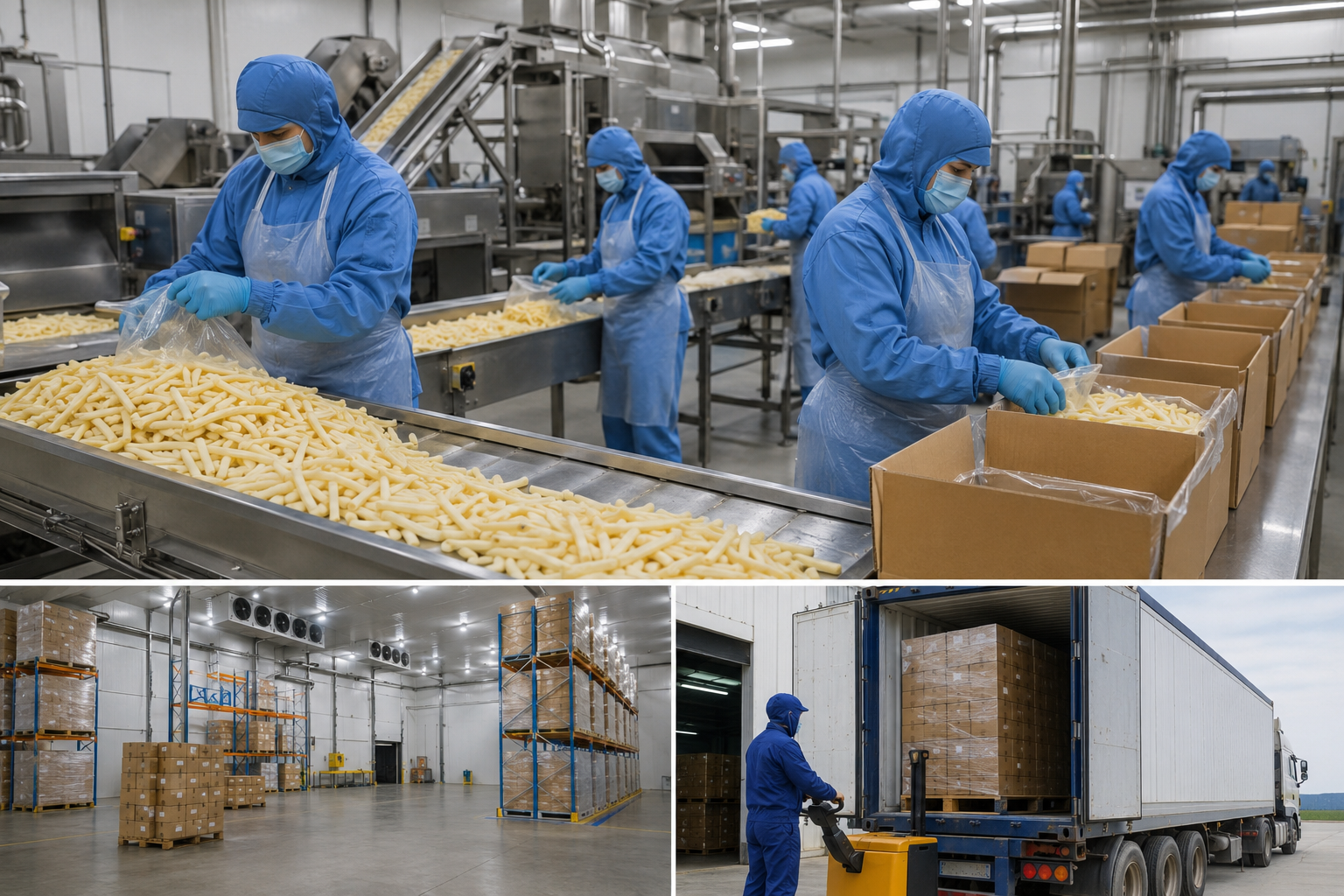
APEDA facilitates Uttarakhand’s first export of frozen French fries to Iraq, boosting value-added agricultural exports and expanding global opportunities for Indian processed food products. Key Highlights New Delhi: India has achieved another milestone in agricultural exports as the Agricultural and Processed Food Products Export Development Authority (APEDA) facilitated the first export of 24 tonnes of frozen French fries from Kashipur in Uttarakhand to Iraq. The shipment, exported by Virun Global Trade Pvt. Ltd., marks Uttarakhand’s entry into the global market for value-added processed potato products. The export is expected to strengthen India’s processed food exports while creating new international business opportunities for exporters from the state. The company expressed confidence that the high quality of the product would result in repeat orders and help establish long-term trade relationships in overseas markets. APEDA has actively supported the exporter by enabling participation in major international food exhibitions such as SIAL, Gulfood, IndusFood and World Food India, helping the company connect with global buyers and expand its international presence. India continues to strengthen its position in the global processed food market. During 2025-26, the country exported 7.26 lakh metric tonnes of processed vegetables worth USD 932.25 million. Among these, value-added potato products accounted for 2.77 lakh metric tonnes valued at USD 289.40 million, while processed fruits and vegetables contributed nearly 10% of APEDA’s scheduled exports. APEDA Chairman Abhishek Dev highlighted that logistics costs remain a major challenge for landlocked states like Uttarakhand. He said APEDA is working closely with the state government on implementing the State Agri Export Policy, including transport assistance measures to improve export competitiveness and provide better market access for exporters. The growing processed food industry in Uttarakhand is also expected to create stronger demand for quality agricultural produce, encourage value addition at the source, strengthen export-oriented supply chains and improve farmers’ incomes through better market access. APEDA reaffirmed its commitment to working with state governments, exporters, Farmer Producer Organizations (FPOs) and food processors to strengthen export infrastructure and promote value-added agricultural products from India across global markets.
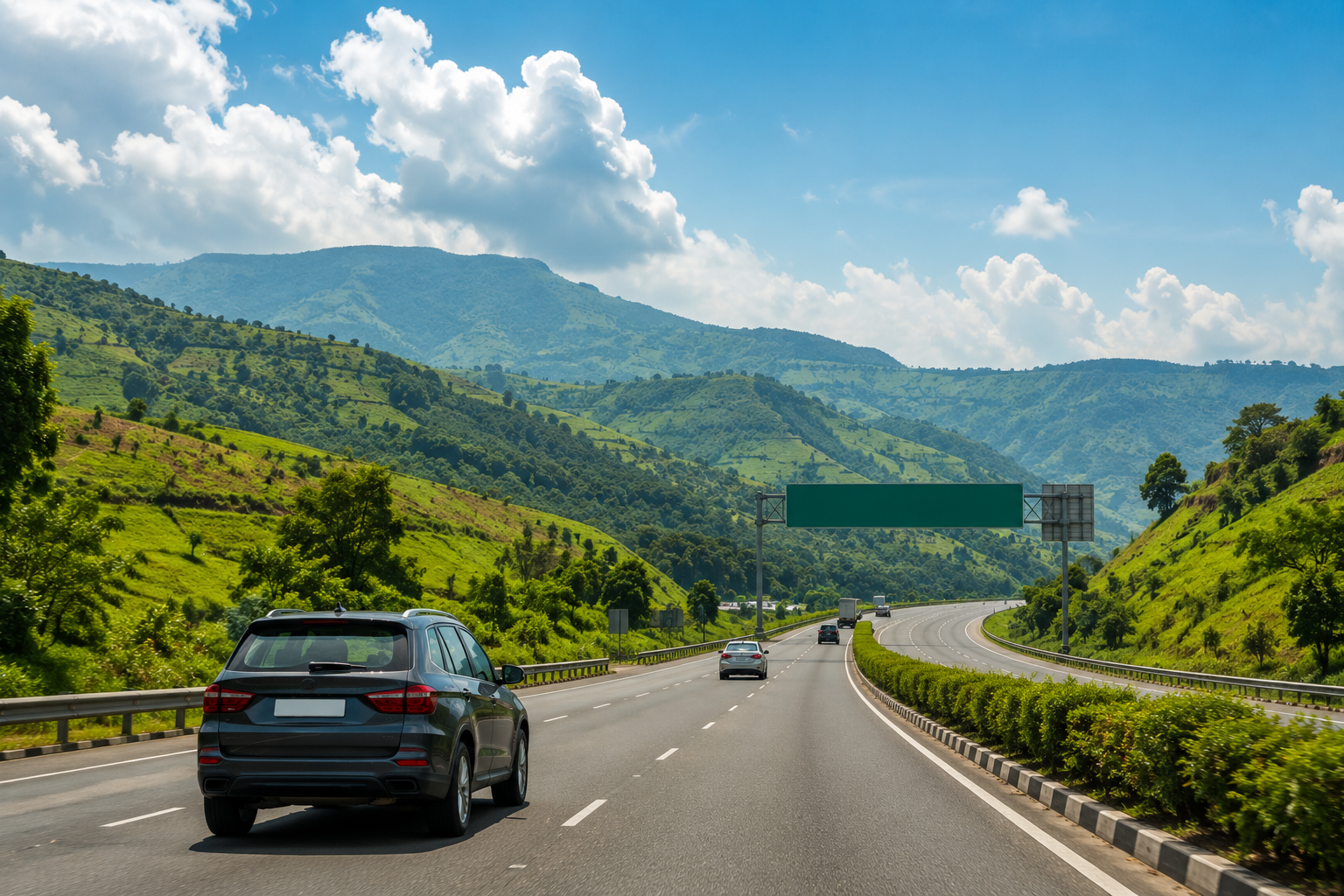
India’s Road Trips Gain Momentum
Uber Intercity Travel Index highlights rising demand for regional road travel as improved highways, safer mobility options and long weekend tourism reshape travel preferences across India. Key Highlights New Delhi: India’s improving highway infrastructure is transforming the way people travel, with road trips becoming increasingly popular for both leisure and weekend getaways. According to Uber’s Intercity Travel Index (April–June 2026), travellers are now exploring more regional destinations as faster roads and improved connectivity make intercity journeys more convenient. Among the country’s busiest travel corridors, Mumbai–Pune, Delhi–Agra, Bengaluru–Mysuru, Lucknow–Kanpur, and Ahmedabad–Vadodara remained the most travelled routes during the quarter. At the same time, routes such as Delhi–Dehradun, Chennai–Puducherry, Bengaluru–Mysuru, Delhi–Chandigarh, and Ahmedabad–Vadodara recorded the fastest year-on-year growth, highlighting increasing demand for regional road travel. The report also showed rising interest in heritage, pilgrimage and leisure destinations during the summer season. Cities including Agra, Mysuru, Prayagraj, Ajmer and Udaipur attracted large numbers of travellers, while destinations such as Dehradun, Puducherry, Kochi, Nashik and Aurangabad emerged as popular choices for weekend escapes. Long weekends continued to play an important role in travel demand. Uber recorded a significant surge in bookings around the May Day and Bakrid holiday weekends, with some users completing nearly 30 intercity trips and others travelling close to 1,500 kilometres over the three-month period. According to Uber India & South Asia, the combination of expanding highway infrastructure and safer intercity mobility services is encouraging more Indians to choose road travel instead of conventional transport options. The trend is no longer limited to metro cities, with Tier-2 city connections now contributing significantly to overall growth. To improve accessibility, Uber has introduced Call2Ride (C2R), allowing customers to book intercity rides simply by calling a dedicated phone number without using the mobile application. The company also reported increasing demand for round-trip bookings, which provide travellers with greater convenience by eliminating the need to arrange return transportation separately. Uber added that technology-driven safety features, including 24×7 Safety Line, RideCheck, Audio Recording, Share Your Trip and expanded intercity route availability, have further strengthened customer confidence in long-distance road travel. With better highways, growing tourism demand and digital mobility solutions, India’s intercity travel ecosystem continues to evolve rapidly, making road trips an increasingly preferred choice for leisure and regional connectivity.

Gold, Silver Outlook Mixed
Bullion prices remain under pressure as easing geopolitical tensions, stronger US dollar and Fed policy expectations weigh on gold, while silver continues to find support from industrial demand. Key Highlights New Delhi: Gold and silver prices are witnessing mixed trends in the global bullion market as investors assess easing geopolitical tensions, expectations around US Federal Reserve policy decisions and the movement of the US dollar. While gold continues to face selling pressure, silver has shown comparatively better resilience, supported by strong industrial demand. Market analysts believe that the recent decline in geopolitical risks has reduced the demand for gold as a traditional safe-haven asset. Investors are increasingly shifting their focus towards economic indicators and the likely direction of interest rates in the United States. A stronger US dollar has also weighed on bullion prices. Since gold is priced in dollars, an appreciating US currency generally makes the precious metal more expensive for international buyers, reducing demand and limiting upward price movement. Silver, however, continues to receive support from industrial consumption. Apart from being a precious metal, silver is widely used in sectors such as electronics, solar energy, electric vehicles and advanced manufacturing. Growing industrial demand has helped silver outperform gold during periods of market uncertainty. Experts say investors are closely monitoring upcoming economic data, inflation trends and comments from Federal Reserve officials for further signals on future interest rate decisions. Any indication of monetary policy easing could improve sentiment in the bullion market. Despite the short-term volatility, analysts believe that precious metals remain an important part of diversified investment portfolios. Global economic uncertainty, inflation risks and central bank buying continue to provide long-term support for both gold and silver prices. Market participants expect bullion prices to remain range-bound in the near term, with movements largely influenced by global macroeconomic developments, currency trends and geopolitical events.

Nestlé India Q1 Profit Surges
Nestlé India reports a strong first-quarter performance with 48% profit growth, robust sales expansion and higher exports driven by strong consumer demand. Key Highlights New Delhi: FMCG major Nestlé India reported a strong financial performance for the first quarter of FY27, with consolidated net profit rising 48.3% year-on-year to ₹958.68 crore, supported by healthy volume growth, higher sales and a sharp increase in exports. The company had posted a consolidated net profit of ₹646.59 crore during the corresponding quarter of the previous financial year. Revenue from the sale of products increased 25.4% to ₹6,363.27 crore, compared with ₹5,073.96 crore in the same period last year. Total income also climbed 25.5% to ₹6,400.65 crore, reflecting strong demand across its product portfolio. Commenting on the results, Nestlé India Chairman and Managing Director Manish Tiwary said the company delivered a strong quarter backed by healthy volume growth and continued consumer confidence in its brands. He added that exports remained a major growth driver despite ongoing geopolitical uncertainties, recording an impressive 35.6% increase during the quarter. Domestic sales also showed healthy momentum, rising 25% year-on-year to ₹6,073.05 crore, indicating sustained demand across the Indian market. The company continued investing heavily in brand building during the quarter. Advertising and promotional expenditure increased by more than 40%, while operational cost-saving initiatives helped maintain profitability. As a result, Nestlé India reported a healthy EBITDA margin of 24.2%, highlighting the company’s ability to balance growth investments with operational efficiency. Total expenses increased 20.7% to ₹5,070.03 crore, primarily due to higher operating costs associated with business expansion and increased marketing investments. However, the strong growth in revenue and volumes more than offset the higher expenditure. The robust quarterly performance reflects Nestlé India’s continued focus on strengthening its product portfolio, expanding market reach and enhancing consumer engagement. The company remains optimistic about future growth opportunities, supported by rising demand, premiumisation trends and continued investments in innovation and brand development. With strong domestic consumption, improving exports and disciplined operational execution, Nestlé India has started FY27 on a positive note, reinforcing its position as one of India’s leading FMCG companies.
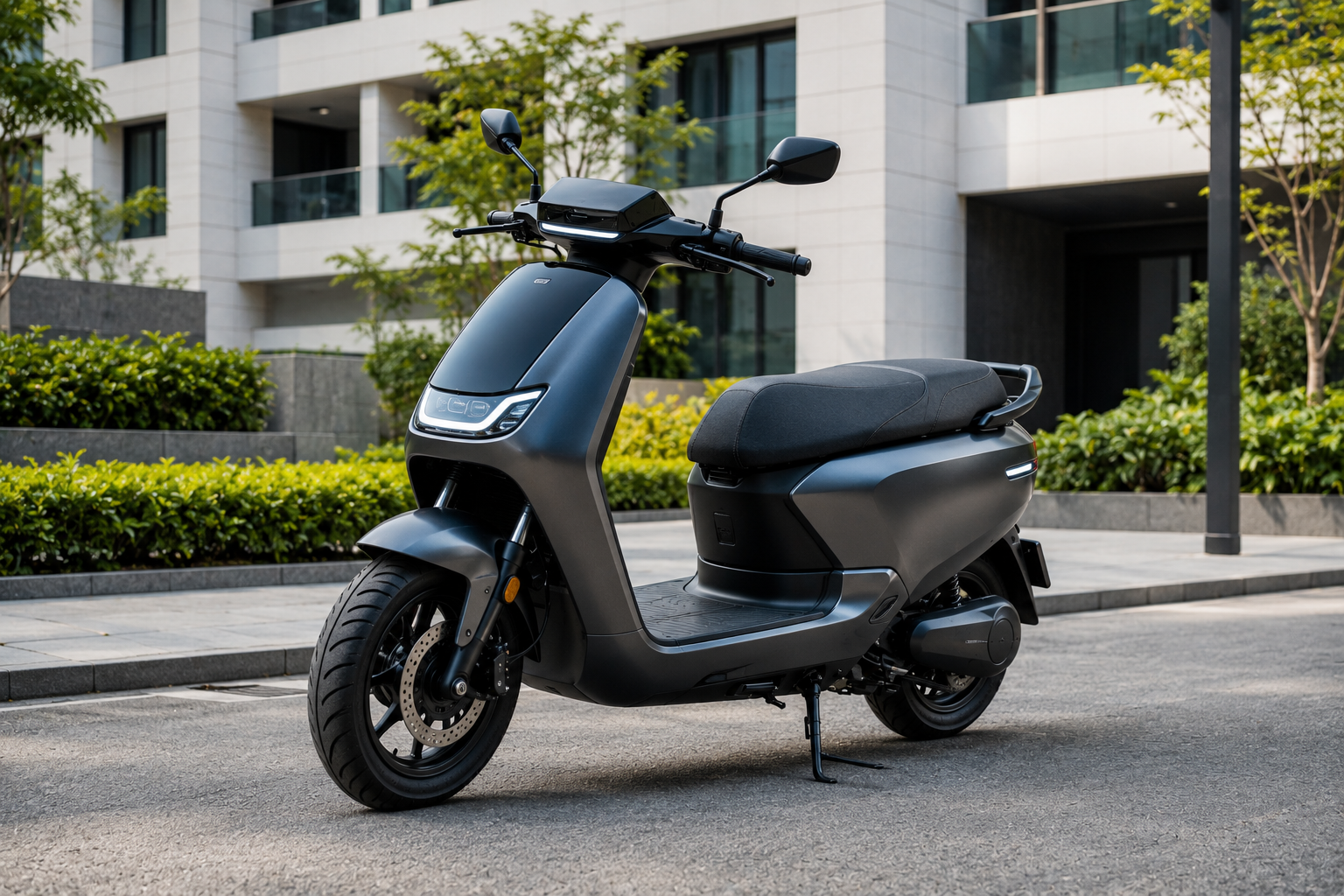
Simple Energy Family EV Debut
Simple Energy to unveil its first family electric scooter on September 2, expanding its product portfolio with a focus on practicality, technology and everyday commuting. Key Highlights New Delhi: Bengaluru-based electric two-wheeler manufacturer Simple Energy has announced that it will unveil its first family electric scooter on September 2, marking its entry into one of India’s fastest-growing EV segments. The launch represents the company’s next phase of expansion as it broadens its product lineup beyond performance-focused electric scooters. According to the company, the upcoming scooter has been developed through several years of in-house research, engineering and product development. It has been specifically designed to meet the daily mobility needs of families by combining practicality, modern technology and rider comfort. Simple Energy said the new scooter reflects its philosophy of building products from first principles, with an emphasis on engineering excellence and long-term reliability. The company aims to offer a differentiated ownership experience by integrating advanced features with a user-friendly design suited for everyday commuting. The launch follows the company’s recent introduction of the Simple Ultra, an electric scooter that offers an IDC-certified range of 400 kilometres, one of the highest claimed ranges in the Indian electric scooter market. With the family scooter, the company plans to bring the same engineering approach to a wider customer base. Simple Energy highlighted that its research and development capabilities extend across proprietary software, vehicle technologies and advanced engineering solutions. The company also claims to be the first Indian original equipment manufacturer (OEM) to commercially manufacture heavy rare earth-free electric motors, supporting greater sustainability and reduced dependence on critical imported materials. The upcoming family scooter is expected to strengthen the company’s position in India’s rapidly expanding electric mobility market, where demand for practical, affordable and feature-rich scooters continues to rise. Increasing consumer awareness, government incentives and improvements in charging infrastructure are further driving EV adoption across the country. While the company has not yet disclosed detailed specifications or pricing, it stated that the new model has been engineered to deliver a balance of performance, efficiency and convenience for everyday users. With the September launch, Simple Energy aims to compete in the highly competitive family scooter segment and expand its footprint in India’s electric two-wheeler industry through innovation, locally developed technology and customer-focused product design.

Vivo Launches T5 Lite 44W
vivo introduces the T5 Lite 44W 5G in India with a 6,500mAh battery, MediaTek Dimensity 6300 chipset, AI-powered features and attractive launch offers. Key Highlights New Delhi: vivo India has officially started the sale of its latest smartphone, the vivo T5 Lite 44W 5G, bringing a feature-packed device aimed at users looking for long battery life, AI-powered productivity and reliable everyday performance. The smartphone is now available across the vivo India e-store, Flipkart and authorised retail outlets nationwide. Designed for young consumers, the vivo T5 Lite 44W 5G combines premium features with durability. One of its biggest highlights is the 6,500mAh long-lasting battery, supported by 44W FlashCharge, enabling users to quickly recharge the device and stay connected throughout the day. The smartphone is powered by the MediaTek Dimensity 6300 5G processor, delivering smooth multitasking, efficient power management and seamless 5G connectivity. The company has also included several AI-based features to improve productivity and user experience. On the photography front, the device features a 50MP Sony IMX852 primary camera, designed to capture detailed photos in different lighting conditions. The smartphone also includes vivo’s AI imaging capabilities to further enhance image quality. Apart from camera improvements, vivo has integrated a range of AI-powered utilities including AI Creation, AI Captions, AI Transcript Assist, vivo DocMaster, AI Screen Translation and Google Gemini. These features are intended to simplify daily tasks, improve productivity and provide a smarter smartphone experience. The vivo T5 Lite 44W 5G also focuses on durability. It comes with Military-Grade Durability, Triple Anti-Drop SGS Certification and an IP65 rating for dust and water resistance, making it suitable for everyday use in different environments. For entertainment, the smartphone offers a 17.13 cm display, which vivo claims is among the brightest in its segment. The display is designed to provide an enhanced viewing experience for streaming, gaming and day-to-day usage. The smartphone is available in Twilight Shadow and Wave Blue colour options. To celebrate the launch, vivo is offering attractive introductory benefits. Customers purchasing the device using eligible HDFC Bank, SBI Bank and Axis Bank cards can avail an instant discount of ₹1,500. The company is also providing up to three months of No-Cost EMI, making the smartphone more accessible for buyers. These launch offers are available for a limited period and are subject to applicable terms and conditions. With its combination of a large battery, fast charging, AI-powered software features, durable design and 5G connectivity, the vivo T5 Lite 44W 5G aims to strengthen the company’s presence in India’s competitive mid-range smartphone segment.
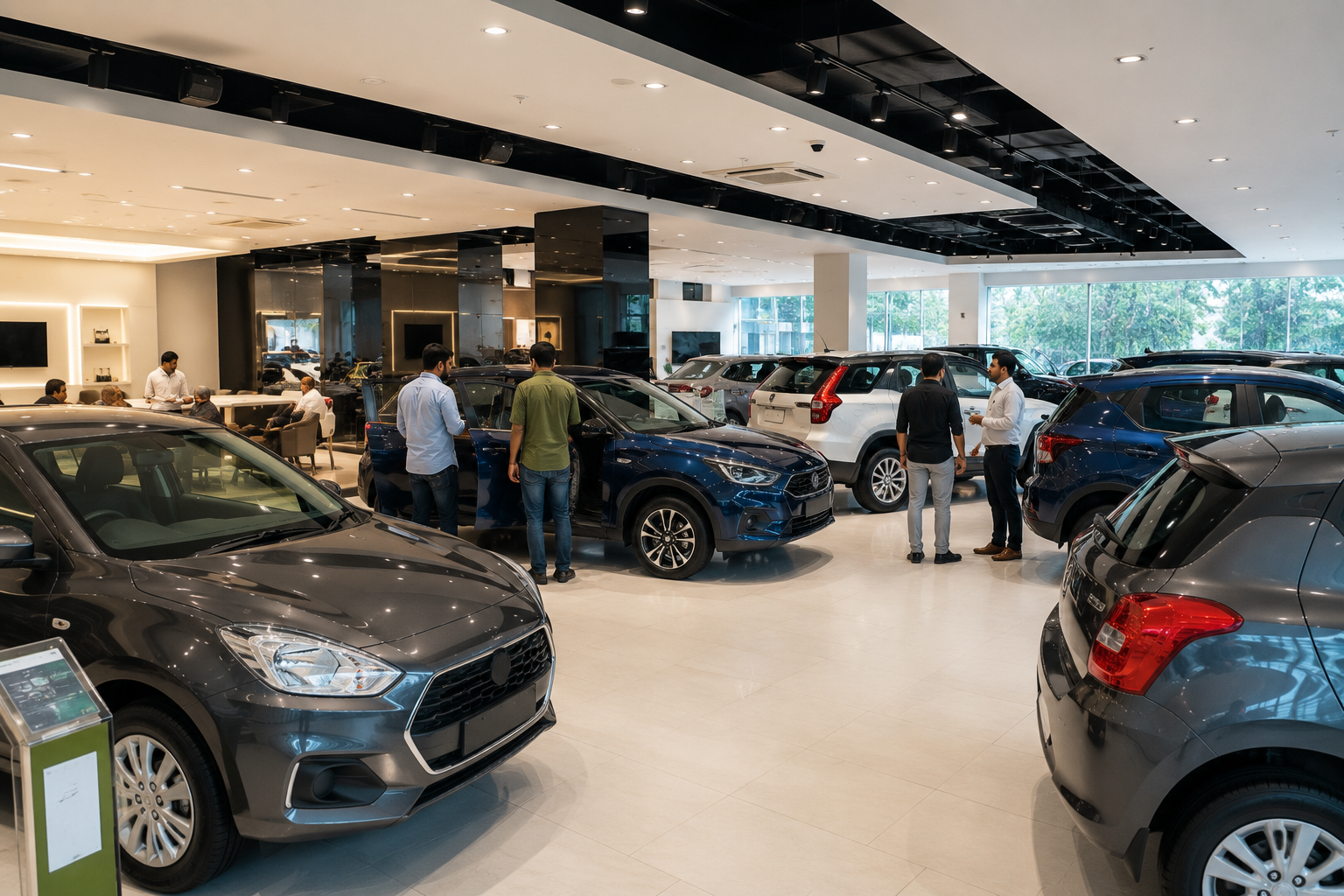
Maruti Hikes Car Prices Again
Sub Heading Maruti Suzuki to increase prices of all models by up to ₹30,000 from August 2026, citing rising input costs. Key Highlights Maruti Suzuki India has announced a fresh price hike across its entire passenger vehicle lineup, with prices set to increase by up to ₹30,000 from August 2026. The company said the revision will vary across different models and variants. The country’s largest passenger vehicle manufacturer informed stock exchanges about the decision through a regulatory filing, stating that the price increase has become necessary due to rising input and operational costs. According to the company, while it has made continuous efforts to optimise costs and improve operational efficiency, it has not been possible to absorb the entire increase in production expenses. As a result, a portion of the additional cost is being passed on to customers through revised vehicle prices. This marks Maruti Suzuki’s second price revision in just two months, reflecting persistent cost pressures faced by the automobile industry. The company did not disclose the exact increase for individual models, saying the final price adjustment will depend on the specific variant. The latest revision comes at a time when automakers continue to deal with fluctuations in raw material prices, logistics expenses and component costs. Industry experts believe the move could prompt other manufacturers to review their pricing strategies in the coming weeks. With the revised prices taking effect from August, customers planning to purchase a Maruti Suzuki vehicle may consider booking before the new rates are implemented.
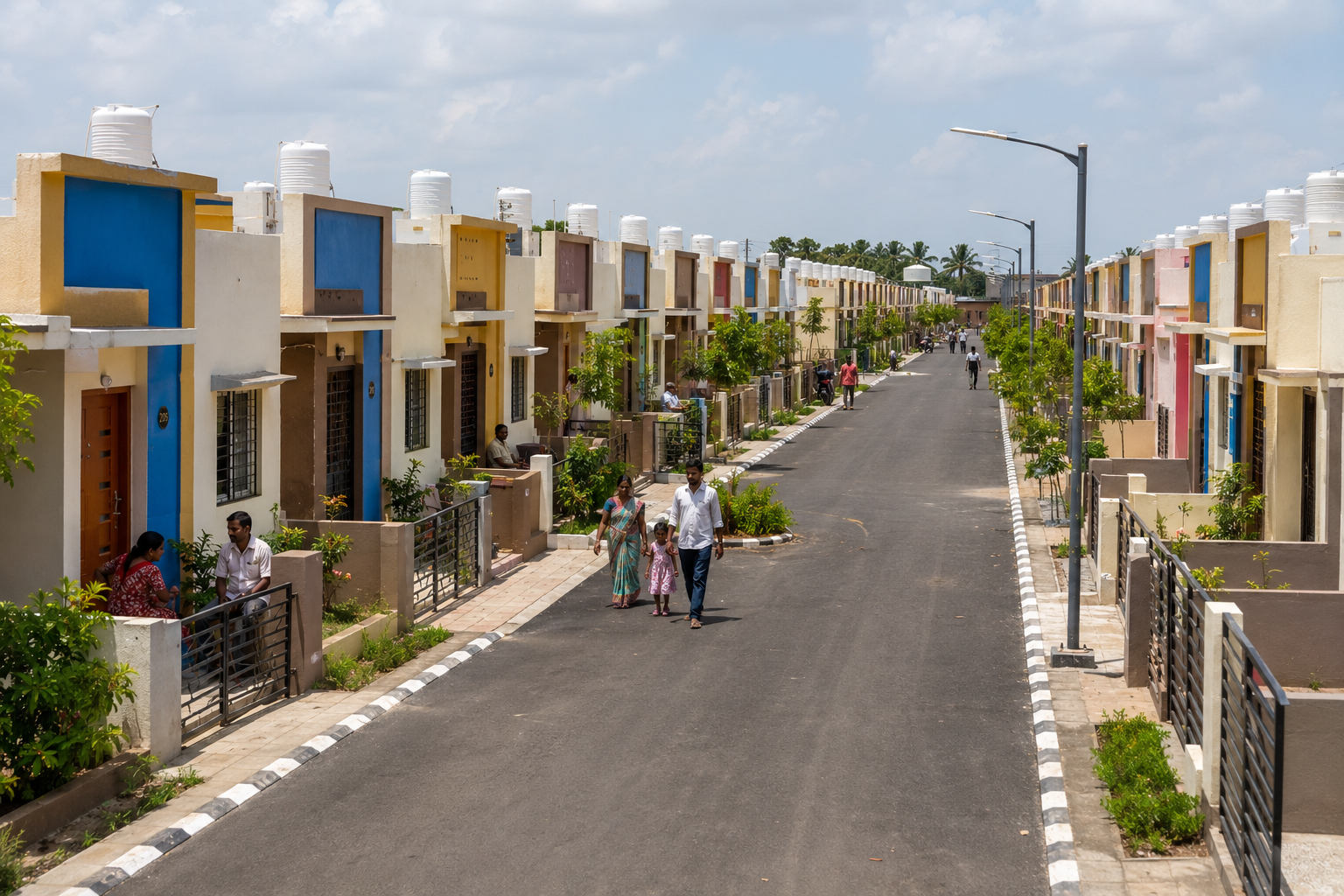
PMAY Crosses 4 Crore Homes
Government completes over 4 crore homes under PMAY, while housing support continues across rural and urban India. Key Highlights The Government of India has shared the latest progress under the Pradhan Mantri Awas Yojana (PMAY), revealing that more than 4 crore houses have been completed across rural and urban areas. The scheme continues to improve access to affordable housing while providing basic civic amenities to eligible beneficiaries. Under Pradhan Mantri Awas Yojana-Gramin (PMAY-G), 3.10 crore houses have been completed so far. The government has sanctioned 3.92 crore houses against an overall target of 4.8 crore, leaving around 1.08 crore houses yet to be constructed. Over the past five years, the Centre has released ₹1.34 lakh crore for the rural housing programme. In addition to housing, rural beneficiaries have also received supporting infrastructure, including 2.90 crore LPG connections, 2.43 crore tap water connections, and 3.08 crore household toilets. Under Pradhan Mantri Awas Yojana-Urban (PMAY-U), 99.07 lakh houses have already been completed. Construction has started on 1.2 crore houses, while approvals have been granted for more than 1.27 crore homes. The government has also extended the scheme until September 30, 2026, to accelerate the completion of remaining projects. Homes built under PMAY-U are equipped with essential amenities such as electricity, water supply and other basic civic infrastructure, improving the quality of life for urban beneficiaries. Eligibility Criteria The government has also reiterated the key eligibility conditions for availing benefits under PMAY: The latest figures highlight the government’s continued focus on expanding affordable housing while improving access to essential public services across both rural and urban India.
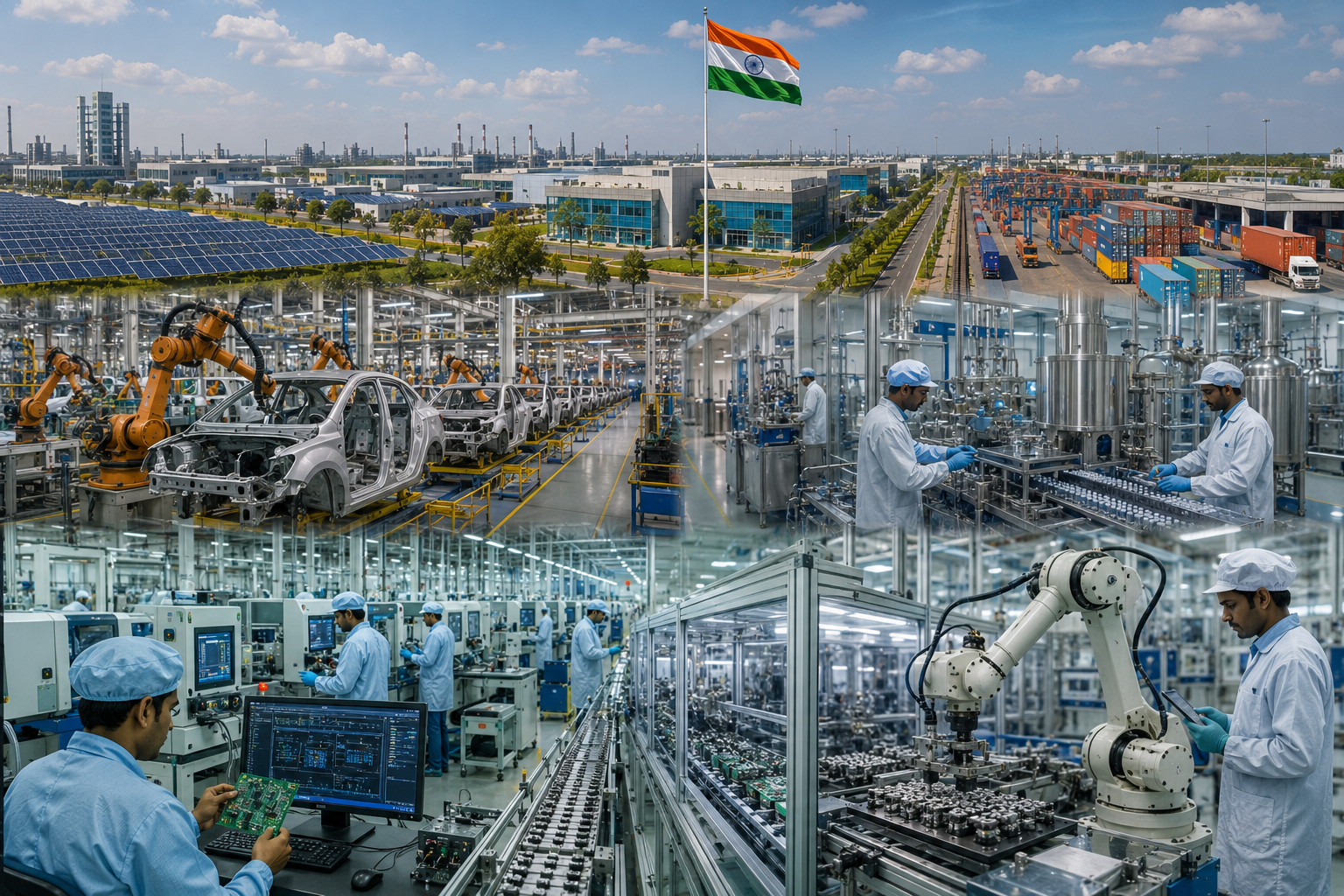
PLI Schemes Draw ₹2.4 Lakh Crore Investment
Government says PLI schemes have generated over 14 lakh jobs, boosted exports and strengthened India’s manufacturing ecosystem across key sectors. Key Highlights News India’s Production Linked Incentive (PLI) schemes have attracted actual investments exceeding ₹2.40 lakh crore and generated over 14.15 lakh direct and indirect jobs as of March 31, 2026, the Central Government informed Parliament on Tuesday. In a written reply to the Lok Sabha, Minister of State for Commerce and Industry Jitin Prasada said the flagship manufacturing incentive programme has also enabled exports worth more than ₹15.2 lakh crore, reflecting India’s growing role in global manufacturing and supply chains. Among all sectors, high-efficiency solar PV modules attracted the highest investment of ₹64,873 crore. The pharmaceutical sector followed with investments of ₹45,158 crore, while the automobile industry received ₹44,326 crore. Investments also remained strong in speciality steel at ₹23,896 crore and large-scale electronics manufacturing at ₹20,580 crore. The government also highlighted progress under the Startup India Seed Fund Scheme. As of June 30, 2026, 219 operational incubators had been selected, with ₹945 crore approved under the scheme. Out of this, ₹650 crore has already been disbursed to support early-stage startups across the country. Sharing data on overseas investments, the minister said Indian companies invested USD 15.9 billion in the United States between 2021 and 2026, including over USD 4 billion during the last financial year alone. On foreign direct investment (FDI) in the retail sector, the government reiterated that 100% FDI is permitted under the automatic route in single-brand retail trading, while 51% FDI is allowed under the government approval route in multi-brand retail trading, subject to existing conditions. The government further stated that cumulative FDI inflows into single-brand retail trading reached USD 1.53 billion between April 2021 and March 2026. Meanwhile, multi-brand retail trading attracted USD 34.38 million during the same period, with annual inflows showing gradual improvement. The latest figures indicate that the PLI scheme continues to play a significant role in expanding domestic manufacturing, attracting private investments, generating employment and strengthening India’s export competitiveness across strategic industries.
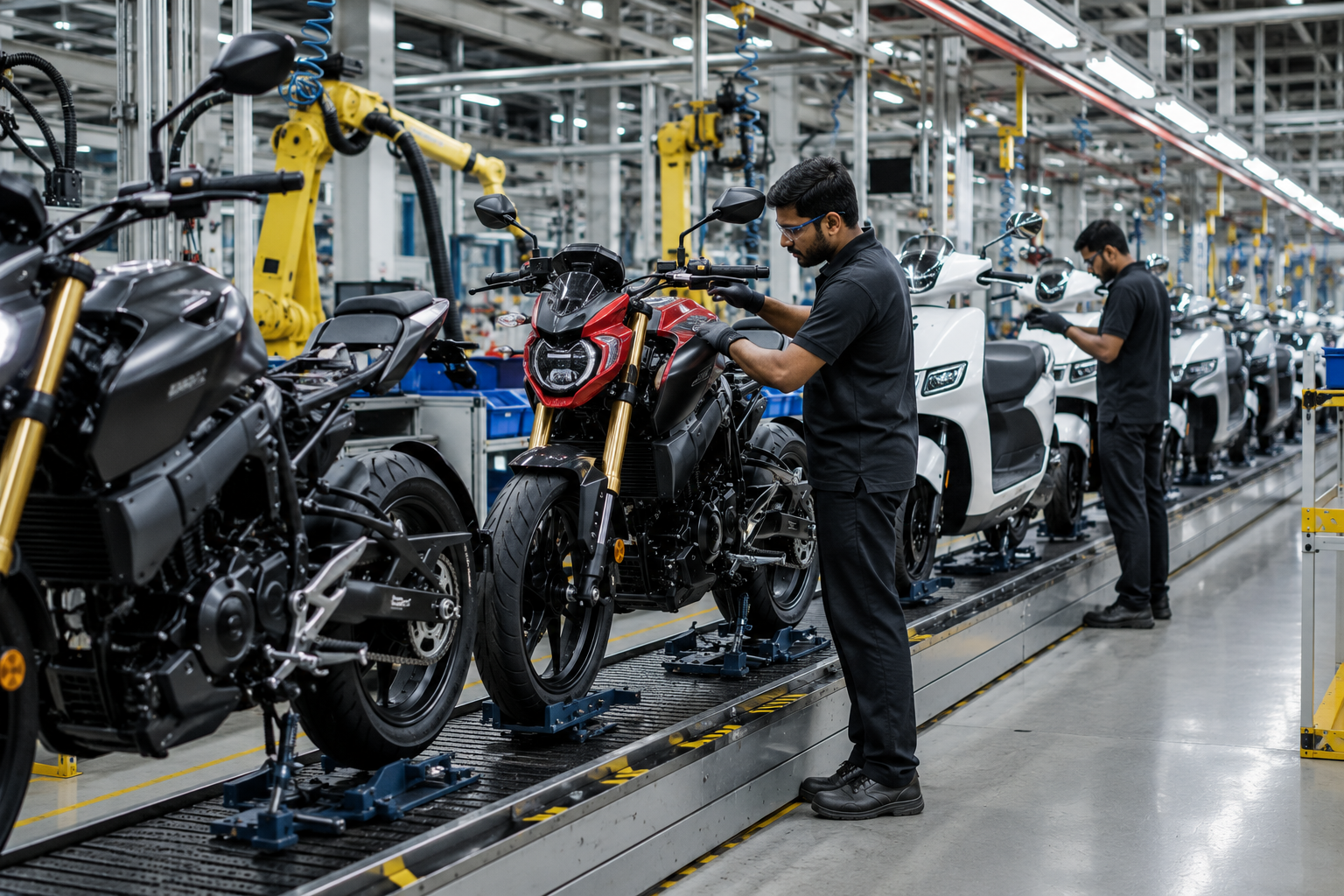
Bajaj Auto Q1 Profit Soars
Bajaj Auto reported a 42% jump in standalone Q1 FY27 profit, driven by record exports, robust domestic demand and rapid growth in its electric vehicle business. Key Highlights Record Quarter Across Business Segments Bajaj Auto posted a strong performance for the first quarter of FY27, reporting a 42% year-on-year rise in standalone net profit to ₹2,982.84 crore, compared with ₹2,095.98 crore in the same quarter last year. The company’s standalone revenue from operations also grew 37% to ₹17,243.72 crore, supported by higher vehicle sales, strong export demand and continued expansion of its electric vehicle portfolio. Exports And EV Business Lead Growth The automaker recorded its highest-ever quarterly export performance, with overseas shipments rising 54% and crossing the 7 lakh-unit milestone for the first time. Overall vehicle sales increased 29% to 14.38 lakh units, while domestic sales grew 11% on the back of healthy demand across both two-wheelers and three-wheelers. Bajaj Auto’s electric vehicle business continued its rapid expansion, with EV revenues nearly doubling from a year earlier despite supply constraints. EVs now contribute nearly 30% of the company’s domestic revenue. Consolidated Revenue Sees Sharp Rise On a consolidated basis, the company reported a 46% increase in profit after tax to ₹3,225.63 crore, while revenue from operations surged 64% to ₹22,376.69 crore during the April–June quarter. The strong performance reflects growth across domestic operations, exports and subsidiary businesses. Premium Brands Continue Momentum Bajaj Auto said its premium motorcycle brands, KTM and Triumph, continued to deliver strong results, with domestic revenue from the two brands increasing 60% year-on-year. The company stated that FY27 has begun on a strong note, with record quarterly performance across sales volumes, revenue and profitability, supported by sustained demand in both Indian and international markets.
