Banks directed to strengthen counterfeit note screening Key Highlights The Reserve Bank of India (RBI) has issued fresh directions to banks to strengthen their systems for detecting counterfeit currency, particularly in districts located along India’s international borders. The central bank has instructed all banks operating in these regions to install note authentication and sorting machines to improve the identification of Fake Indian Currency Notes (FICNs). The move comes after RBI’s internal review found that several banks were not adequately detecting, impounding, and reporting counterfeit notes despite comprehensive guidelines issued earlier in April 2026. The latest directive seeks to tighten compliance and improve the overall security of India’s currency circulation. According to the RBI, every banknote received at designated branches must now be verified using authentication or sorting machines before being recirculated. Any counterfeit note identified during the verification process must be immediately impounded. Banks have also been instructed not to return fake notes to customers or destroy them under any circumstances. The central bank has further directed that all detected Fake Indian Currency Notes be reported strictly in accordance with existing RBI reporting procedures. The objective is to improve monitoring of counterfeit currency circulation and enable timely enforcement action wherever required. As part of the new measures, RBI has asked banks to strengthen employee training programmes. Every staff member involved in cash handling must receive training on identifying genuine currency security features and detecting counterfeit notes. Banks have been given time until October 31, 2026, to complete the training of all relevant employees. In addition, RBI has instructed banks’ Forged Note Vigilance (FNV) Cells to play a more proactive role by analysing counterfeit currency data, identifying high-risk locations, monitoring emerging trends, and focusing awareness programmes in vulnerable areas. The regulator believes these steps will significantly improve banks’ preparedness against counterfeit currency threats, particularly in border districts where the risk of fake note circulation is considered higher due to cross-border activities. The strengthened framework is expected to enhance public confidence in the banking system, improve currency verification standards, and support law enforcement agencies in combating counterfeit currency networks across the country.
ITR Filings Cross 5.5 Crore
Taxpayers Rush Before Deadline Key Highlights The Income Tax Department has announced that more than 5.5 crore Income Tax Returns (ITRs) have been filed for the Assessment Year (AY) 2026–27, reflecting a sharp rise in submissions as taxpayers rushed to complete the process before the July 31 deadline. According to the department, over 42 lakh returns were filed on July 30 alone, making it one of the busiest days of the filing season. The surge highlights the annual trend of last-minute compliance, with millions of taxpayers waiting until the final days to submit their returns. The last date for filing ITR-1 (Sahaj) and ITR-2 for AY 2026–27 is July 31, 2026. With the deadline approaching, the Income Tax Department urged taxpayers who have not yet filed their returns to complete the process promptly to avoid delays caused by heavy traffic on the e-filing portal. In a message shared on social media platform X, the department noted that more than 5.5 crore returns had already been received and encouraged taxpayers to “File now, File calmly,” advising them not to wait until the final hours. ITR-1, popularly known as Sahaj, is designed for resident individuals with an annual income of up to ₹50 lakh. The form is applicable to taxpayers earning income from salary or pension, one house property, interest income and agricultural income up to ₹5,000. It remains the most commonly used return form for salaried employees and pensioners across the country. ITR-2 is applicable to individuals and Hindu Undivided Families (HUFs) who do not have income from business or profession but earn income from capital gains, multiple house properties or other specified sources. Taxpayers whose income profile falls outside the scope of ITR-1 are generally required to file this form. The department has advised taxpayers to carefully verify all information before submitting their returns, including personal details, bank account information, tax deductions and income disclosures. Officials also reminded filers that an ITR is treated as complete only after it has been successfully verified through approved methods such as Aadhaar OTP, net banking, digital signature or other authorised verification modes. Tax experts believe the increasing adoption of digital filing, improved compliance awareness and simplified return forms have contributed to the steady rise in ITR filings over the past few years. The government has also introduced several technological improvements to make online filing faster and more user-friendly. However, authorities warned that filing returns during peak hours on the final day could result in slower portal response times due to exceptionally high user traffic. Taxpayers were therefore encouraged to complete both filing and verification well before the deadline. Failure to file an income tax return within the prescribed timeline may attract penalties, interest on outstanding tax liabilities and restrictions on carrying forward certain losses under the provisions of the Income Tax Act, wherever applicable. With the filing deadline ending on July 31, the Income Tax Department expects another significant surge in return submissions before the portal closes. Officials reiterated that timely filing not only helps taxpayers avoid penalties but also ensures quicker processing of refunds and smoother tax compliance.
Govt Plans Wider Trusted Hardware Rules
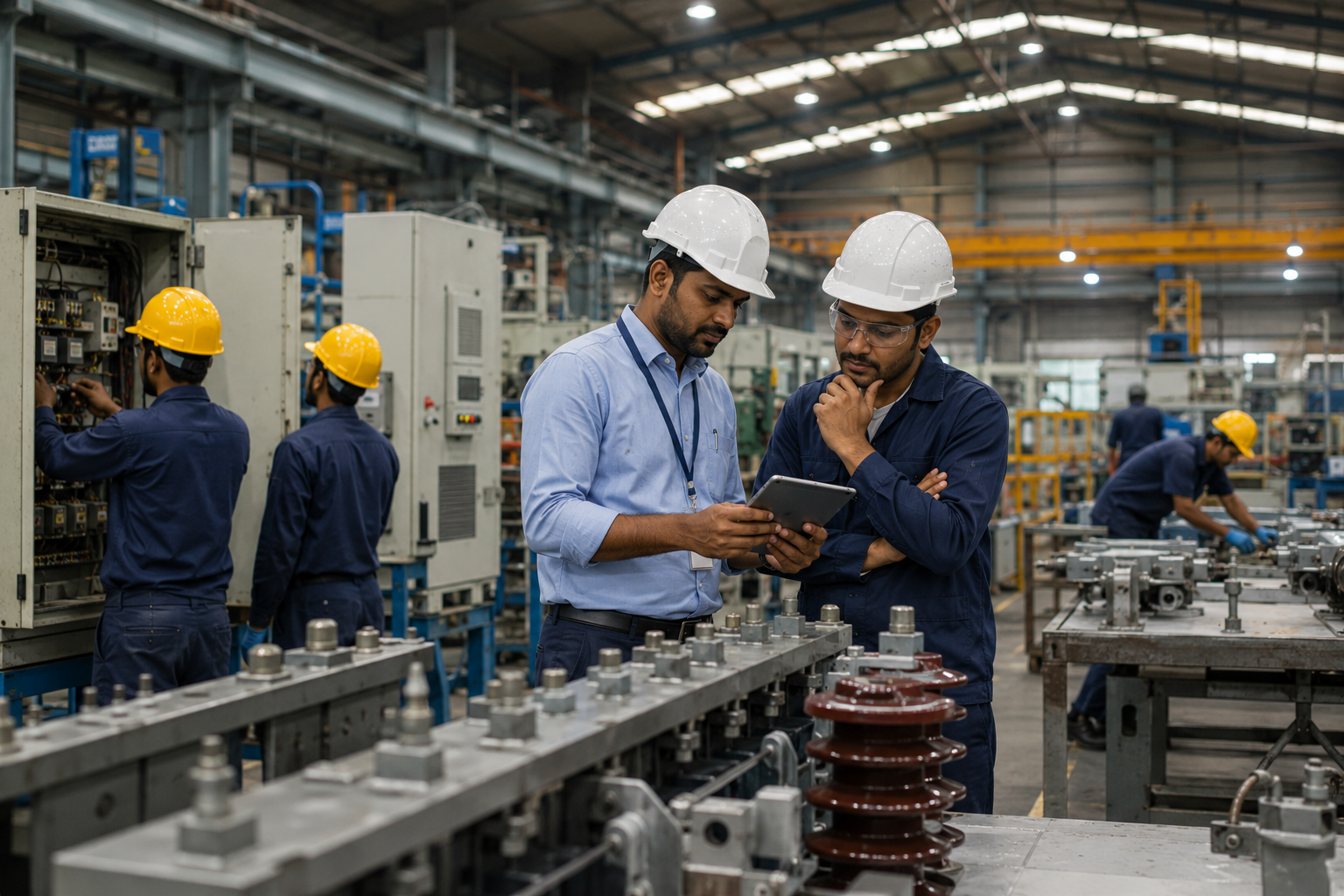
Secure Chip Ecosystem Focus Key Highlights The Government of India is preparing to widen its trusted hardware strategy beyond CCTV cameras to other security-sensitive sectors as part of a broader effort to strengthen the country’s semiconductor ecosystem and reduce dependence on non-trusted technology sources. Speaking at a Confederation of Indian Industry (CII) event on semiconductors, Electronics and Information Technology Secretary S. Krishnan said the government is evaluating how the security-driven approach adopted for CCTV cameras can be replicated across additional sectors where trusted hardware and secure supply chains are essential. The government had earlier restricted the sale and deployment of CCTV cameras imported from non-trusted countries over concerns that certain electronic components and chips could contain vulnerabilities capable of transmitting sensitive information through unauthorized channels. Although the move initially faced resistance from industry, domestic manufacturers adapted by increasing local production and sourcing trusted components. Krishnan said the experience gained through the CCTV policy has demonstrated that security-focused regulations can simultaneously strengthen domestic manufacturing while protecting critical infrastructure. According to him, similar measures may now be extended to other sectors involving sensitive electronic equipment and strategic technologies. He noted that while India continues to expand semiconductor manufacturing capabilities, creating sufficient domestic demand for locally designed chips remains equally important. A secure and trusted supply chain, he said, is essential not only for economic growth but also for national security, particularly as advanced electronics become increasingly integrated into public infrastructure, defence systems, telecommunications and critical digital networks. The official highlighted that companies supported under the government’s Design Linked Incentive (DLI) Scheme have already started developing semiconductor chips specifically for CCTV cameras in collaboration with Indian manufacturers. These initiatives are helping create indigenous technology solutions while reducing dependence on imported electronic components. Going forward, the government plans to encourage Indian semiconductor designers to develop advanced chips that can support secure, end-to-end domestic manufacturing ecosystems. Such efforts are expected to complement the Semicon India Programme, Production Linked Incentive (PLI) schemes and other initiatives aimed at making India a global electronics manufacturing hub. India has significantly expanded investments in semiconductor fabrication, chip design and electronics manufacturing over the past few years. Several global and domestic companies have announced new investments in semiconductor fabrication units, packaging facilities and component manufacturing under government incentive programmes. Industry experts believe trusted hardware policies could become increasingly important as cybersecurity threats, data privacy concerns and geopolitical risks reshape global technology supply chains. Countries worldwide are now prioritising secure sourcing of electronic components used in telecommunications, surveillance systems, financial infrastructure and government networks. The government also sees trusted semiconductor manufacturing as a key pillar of India’s long-term digital economy strategy. By promoting indigenous chip design and expanding secure manufacturing capabilities, policymakers aim to improve technological self-reliance while creating high-value employment opportunities across the semiconductor value chain. As India accelerates its ambitions of becoming a global semiconductor hub, the proposed expansion of trusted hardware regulations is expected to encourage greater investment in domestic chip development, strengthen national cybersecurity, and enhance confidence in India’s electronics manufacturing ecosystem.
Apple Reports Record June Revenue
India Drives Global Growth Key Highlights Apple has delivered its strongest-ever June quarter performance, reporting record revenue of USD 109.4 billion, a 16 per cent increase compared with the same period last year, as demand for iPhones, Macs and premium devices remained robust across both developed and emerging markets. India continued to be one of Apple’s fastest-growing markets, contributing significantly to the company’s record-breaking quarterly results. During the earnings announcement, Apple CEO Tim Cook said the company achieved June quarter revenue records across every geographic segment, highlighting strong performances in the United States, Europe, China, Japan, Southeast Asia and India. According to Cook, the company witnessed double-digit growth in most emerging markets, reflecting sustained consumer demand despite an uncertain global economic environment. Apple’s flagship iPhone business remained the biggest contributor to revenue, with sales climbing 21.7 per cent year-on-year to USD 54.25 billion. The Mac lineup also posted impressive growth, with revenue increasing 28.7 per cent to USD 10.35 billion, supported by strong demand for the recently launched MacBook Neo and continued upgrades by existing customers. Chief Financial Officer Kevan Parekh said India, Latin America and Southeast Asia continued to deliver strong double-digit growth, while customer demand for Apple’s Mac products reached record levels. The company also reported exceptionally high customer satisfaction levels, particularly for Mac devices, as consumers increasingly upgraded to Apple’s latest hardware. Apple’s wearables, home and accessories business also expanded during the quarter, while iPad sales recorded a modest decline compared to the previous year. Despite the overall positive performance, the company acknowledged that increasing component costs—particularly memory chips—remain a major concern. Tim Cook noted that Apple paid significantly higher prices for memory chips during the June quarter compared to previous quarters. While inventory purchased earlier helped offset some of these costs, the benefit is expected to diminish in the coming months. The company anticipates memory prices to continue rising beyond September, potentially placing additional pressure on margins. Apple has already increased the prices of several MacBook and iPad models worldwide, including in India, by between 20 per cent and 42 per cent following the surge in semiconductor memory costs. Industry analysts believe further pricing adjustments across Apple products cannot be ruled out if component prices remain elevated. According to market research firm IDC, India has once again emerged as one of Apple’s brightest growth markets. Analysts attribute the company’s success to expanding retail presence, improved financing options, increasing premium smartphone demand and the growing share of locally manufactured iPhones. Industry estimates suggest nearly one-fourth of iPhones sold globally are now assembled in India, reinforcing the country’s strategic importance in Apple’s global manufacturing network. Counterpoint Research also believes Apple’s premium product strategy continues to resonate with consumers despite broader economic uncertainties. Strong demand for premium smartphones and laptops, coupled with improving local manufacturing capabilities, is expected to support Apple’s long-term growth in India. Looking ahead, Apple remains optimistic about demand across its product portfolio but acknowledged that global semiconductor supply constraints and higher memory costs could impact financial performance over the next few quarters. Even so, the company believes its diversified product ecosystem, loyal customer base and expanding presence in high-growth markets position it well for sustained long-term growth.
Samsung Warns Chip Shortage Till 2028
Samsung Electronics has projected that the global semiconductor shortage will persist until 2028, highlighting the sustained surge in demand for artificial intelligence (AI) infrastructure as the primary driver behind tightening chip supplies worldwide.
MP Farmers End Protest
The prolonged farmers’ protest in Bhopal has officially ended after the Madhya Pradesh government agreed to several key demands related to moong procurement and fertiliser distribution, bringing relief to thousands of cultivators across the state.
Government Tests E-25 Petrol
The Centre has confirmed that it is currently testing E-25 petrol but has ruled out any immediate plans for its commercial launch until extensive scientific evaluations and safety assessments are completed.
PLI Schemes Power India’s Electronics Boom
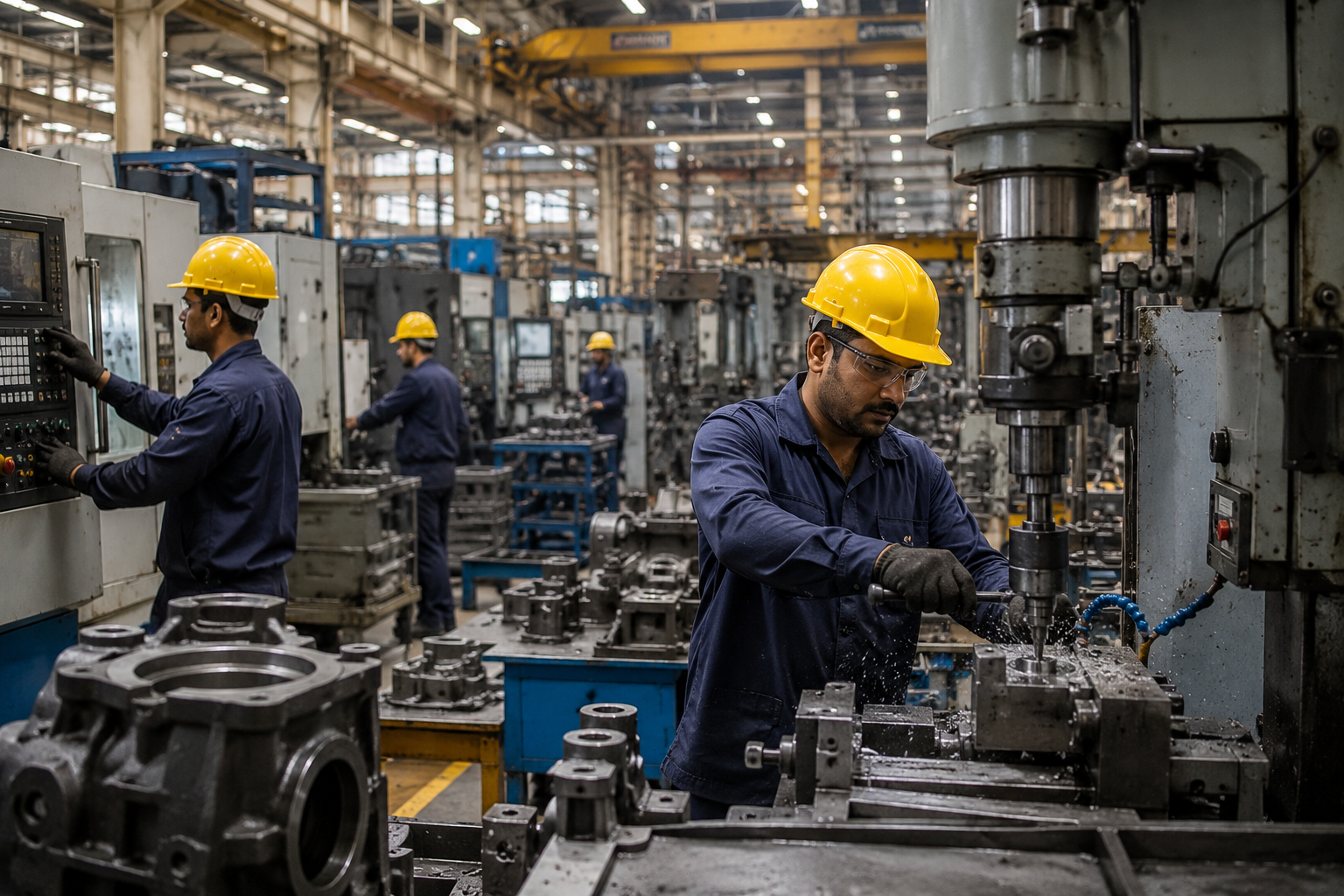
India’s electronics manufacturing industry has emerged as one of the country’s biggest industrial success stories, with Production Linked Incentive (PLI) schemes significantly accelerating domestic production, exports, investment and employment over the past 12 years.
Services Production Index Records Strong Growth
The Ministry of Statistics and Programme Implementation (MoSPI) has released the second trial edition of India’s Index of Services Production (ISP), showing continued strength across the country’s formal services sector during May 2026.
AI Could Affect Up to 12% of India’s Non-Farm Jobs
Generative artificial intelligence could transform India’s labour market over the coming decade, with up to 12% of the country’s non-agricultural workforce facing automation risks, according to a new Goldman Sachs report.