
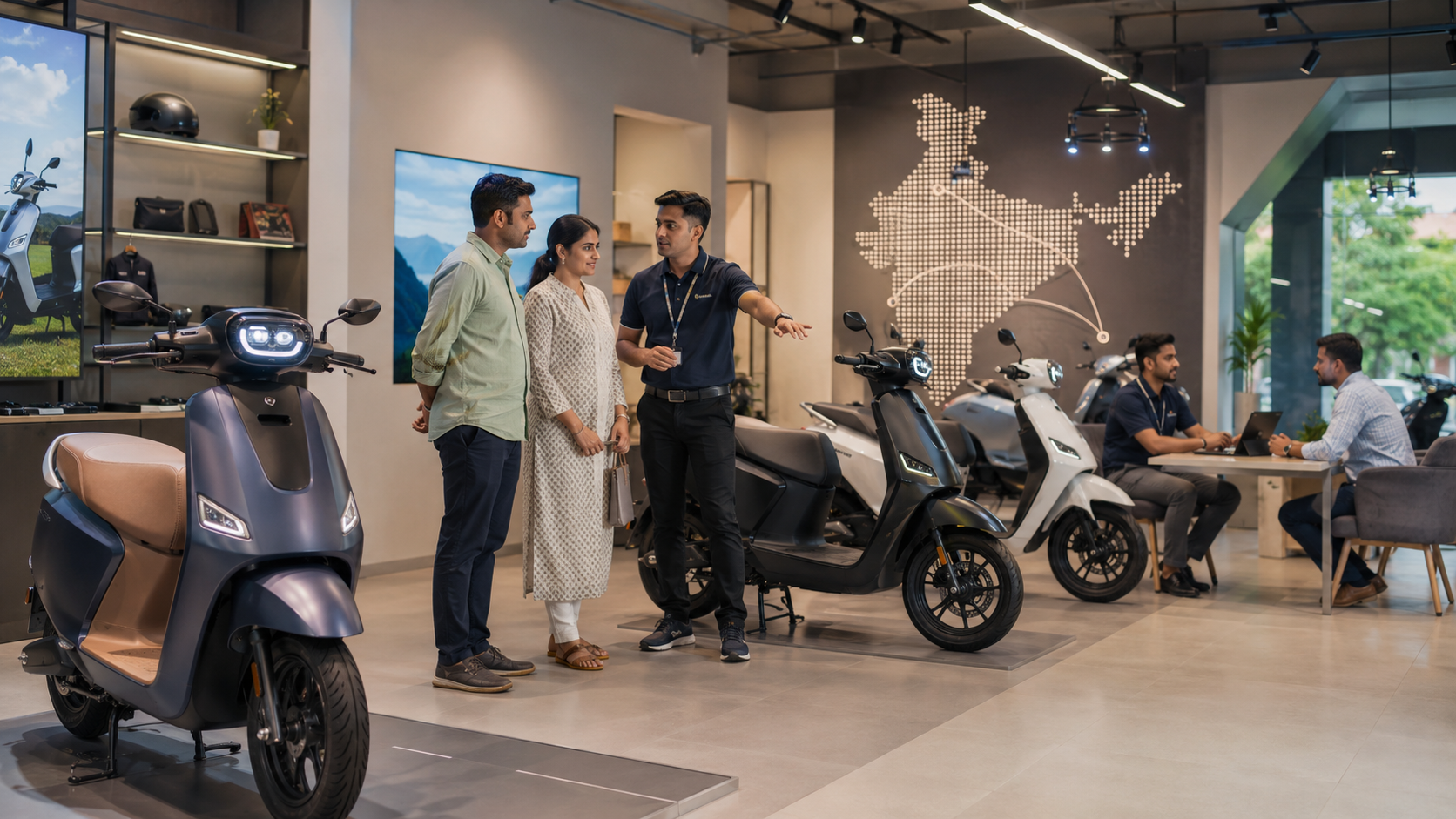
A modern Ola Electric dealership featuring electric scooters and customers, representing the company’s transition towards a nationwide dealer-partner retail network.
Whales: Giants of the Ocean
Whales: Giants of the Ocean Whales are among the largest and most remarkable animals on Earth. These marine mammals live in oceans around the world, from warm tropical waters to the cold seas surrounding the poles. Life Beneath the Surface Although whales spend their lives in water, they breathe air through blowholes located on top of their heads. They must regularly return to the surface to breathe before diving again in search of food or traveling through the ocean. Whales are warm-blooded, give birth to live young, and nurse their calves with milk. A thick layer of fat called blubber helps protect them from cold water and stores energy during long migrations. Two Main Groups Whales are generally divided into baleen whales and toothed whales. Baleen whales filter small animals from the water using flexible plates inside their mouths. This group includes blue whales, humpback whales, and gray whales. Toothed whales use teeth to catch fish, squid, and other prey. Many of them also use echolocation, producing sounds and listening for returning echoes to understand their surroundings. Sperm whales, belugas, and orcas belong to this group. The Blue Whale The blue whale is the largest known animal to have ever lived. An adult can grow longer than a city bus and weigh well over one hundred tonnes. Despite its enormous size, it feeds mainly on tiny crustaceans called krill. Communication and Migration Whales communicate using clicks, whistles, pulses, and complex songs. Some sounds can travel across great distances underwater. Humpback whales are especially famous for their long, patterned songs. Many species migrate thousands of kilometres each year. They often feed in cold, nutrient-rich waters before traveling to warmer regions where they mate and give birth. Protecting Whales Commercial hunting once caused severe declines in many whale populations. Today, whales also face threats from fishing gear, ship collisions, underwater noise, pollution, and changes to ocean ecosystems. Conservation programs, safer fishing practices, protected habitats, and international cooperation can help whale populations recover. Protecting whales also supports healthier oceans because these animals play an important role in marine food webs and nutrient cycles.
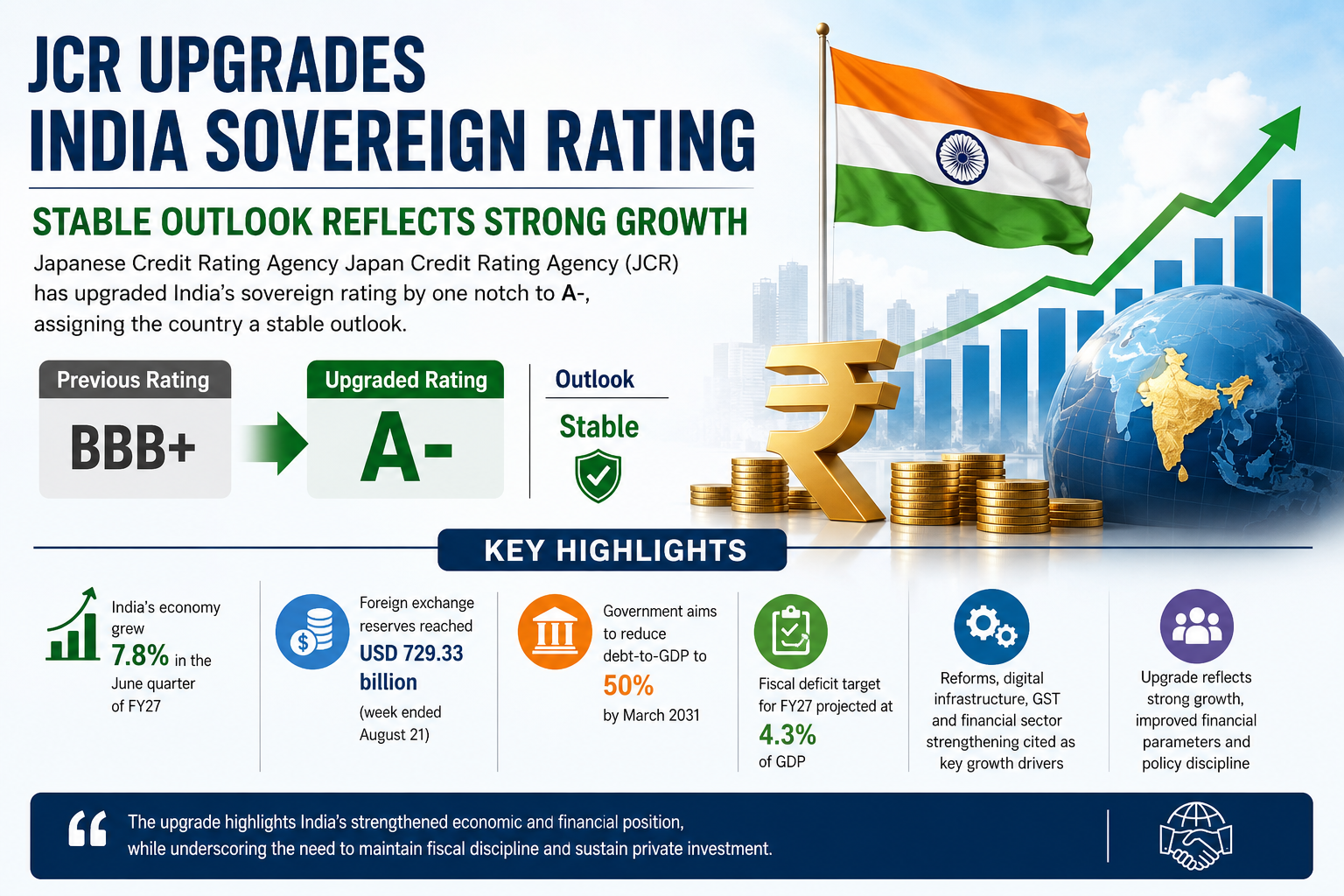
JCR Upgrades India Sovereign Rating
Stable Outlook Reflects Strong Growth Key Highlights Japanese credit rating agency Japan Credit Rating Agency has upgraded India’s sovereign rating by one notch to A-, assigning the country a stable outlook. The agency cited India’s solid economic growth, stronger financial parameters and improvements in the foundations supporting long-term economic development. JCR had previously assigned India a BBB+ rating. The upgrade places the country in a higher rating category and reflects the agency’s assessment that India has strengthened its economic and financial position. JCR said India, with a population exceeding 140 crore and nominal GDP of approximately USD 3.9 trillion, is expected to maintain a high growth rate of more than 6% during the current fiscal year. The agency noted that the Indian economy has maintained growth of around 7%, supported by robust private consumption and public investment. Economic reforms and policy measures have also strengthened the country’s growth foundations. JCR specifically pointed to digital public infrastructure and the implementation of the Goods and Services Tax as important developments. The agency also highlighted improvements in the financial position of the non-banking financial sector, saying these developments have contributed to greater soundness across the financial system. India’s economy grew 7.8% in the April-June quarter of FY27, exceeding the Reserve Bank of India’s earlier growth estimate of 7%. The economy had also expanded 7.8% during FY26. JCR acknowledged that India continues to face structural fiscal challenges. These include elevated fiscal deficits, fiscal transfers aimed at reducing disparities among states and the potential impact of electoral cycles on fiscal management. However, the agency noted that the government has restrained growth in current expenditure, including subsidies, while placing greater emphasis on capital expenditure, particularly infrastructure investment. According to JCR, this shift has improved the quality of fiscal expenditure. The government has also established a medium-term objective of placing central government debt on a declining path as a percentage of GDP. The FY27 Budget estimated the debt-to-GDP ratio at 55.6%, compared with 56.1% at the end of FY26. The government has set a longer-term objective of reducing the debt-to-GDP ratio to 50% by March 2031. The fiscal deficit target for FY27 has been projected at 4.3% of GDP under the Budget estimates, although the revised GDP series affects the corresponding ratio calculation. JCR said India’s external position also remains relatively strong. The country’s current account deficit remains contained, supported by a surplus in services. Foreign exchange reserves are ample and significantly exceed short-term external debt. India’s foreign exchange reserves reached a record USD 729.33 billion in the week ended August 21. The rating agency said it will continue to monitor whether government capital expenditure can stimulate private investment and reduce the economy’s dependence on government spending while maintaining strong growth. The upgrade follows recent assessments by other major rating agencies. S&P and Fitch had both maintained India’s investment-grade rating last month, citing the strength and dynamism of the economy, policy stability and infrastructure investment. The latest JCR decision could strengthen international investor confidence in India’s sovereign credit profile while highlighting the importance of maintaining fiscal discipline and sustaining private-sector investment.

ICICI Bank Mobilises $17.88 Billion
ICICI Bank mobilised USD 17.88 billion through FCNR(B) deposits under the RBI’s special foreign currency swap facility.
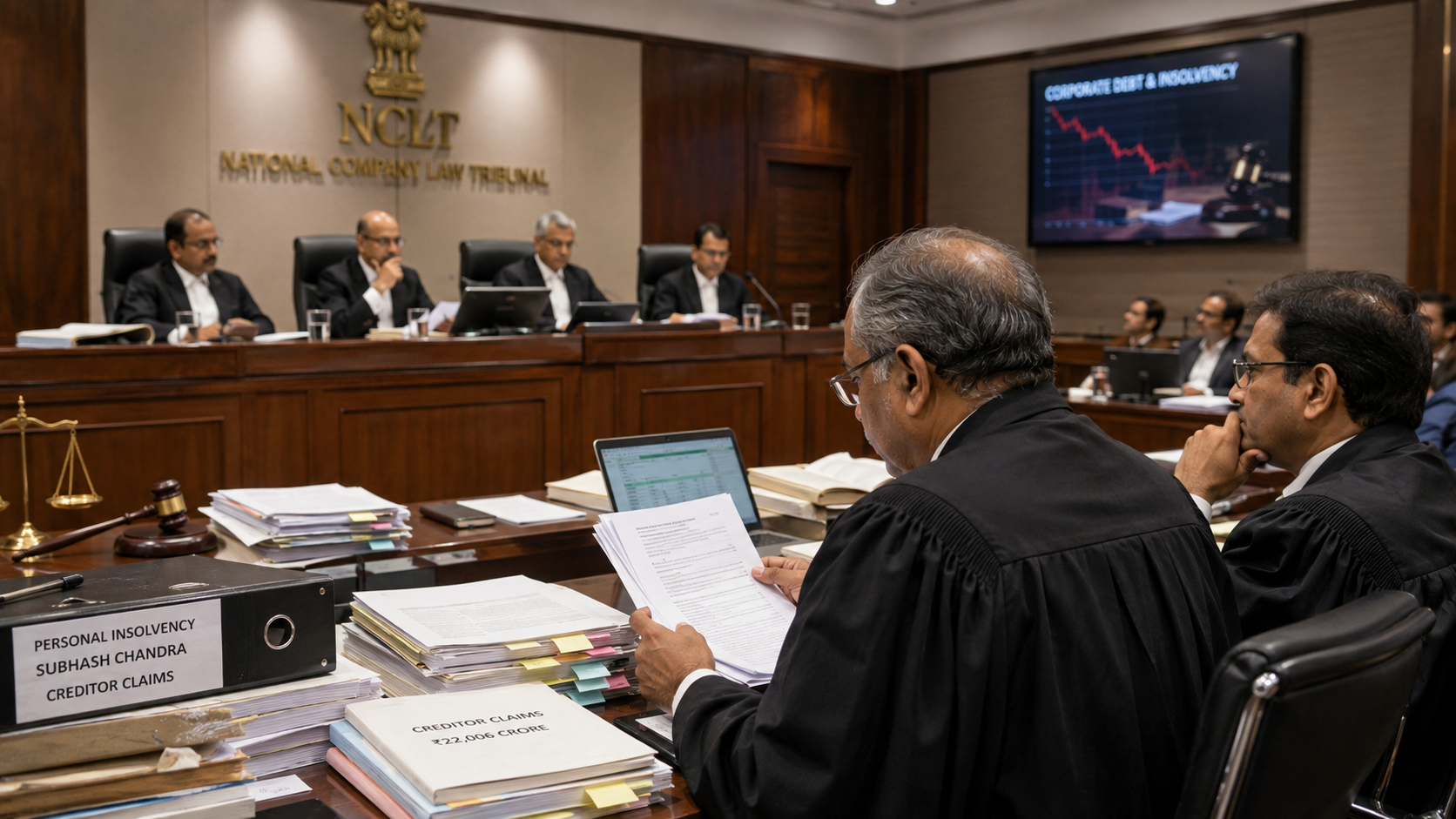
IFFCO-TOKIO Names Fujimoto CEO
Tatsuya Fujimoto has been appointed Managing Director and CEO of IFFCO-TOKIO General Insurance after serving in senior operational and risk-management roles.
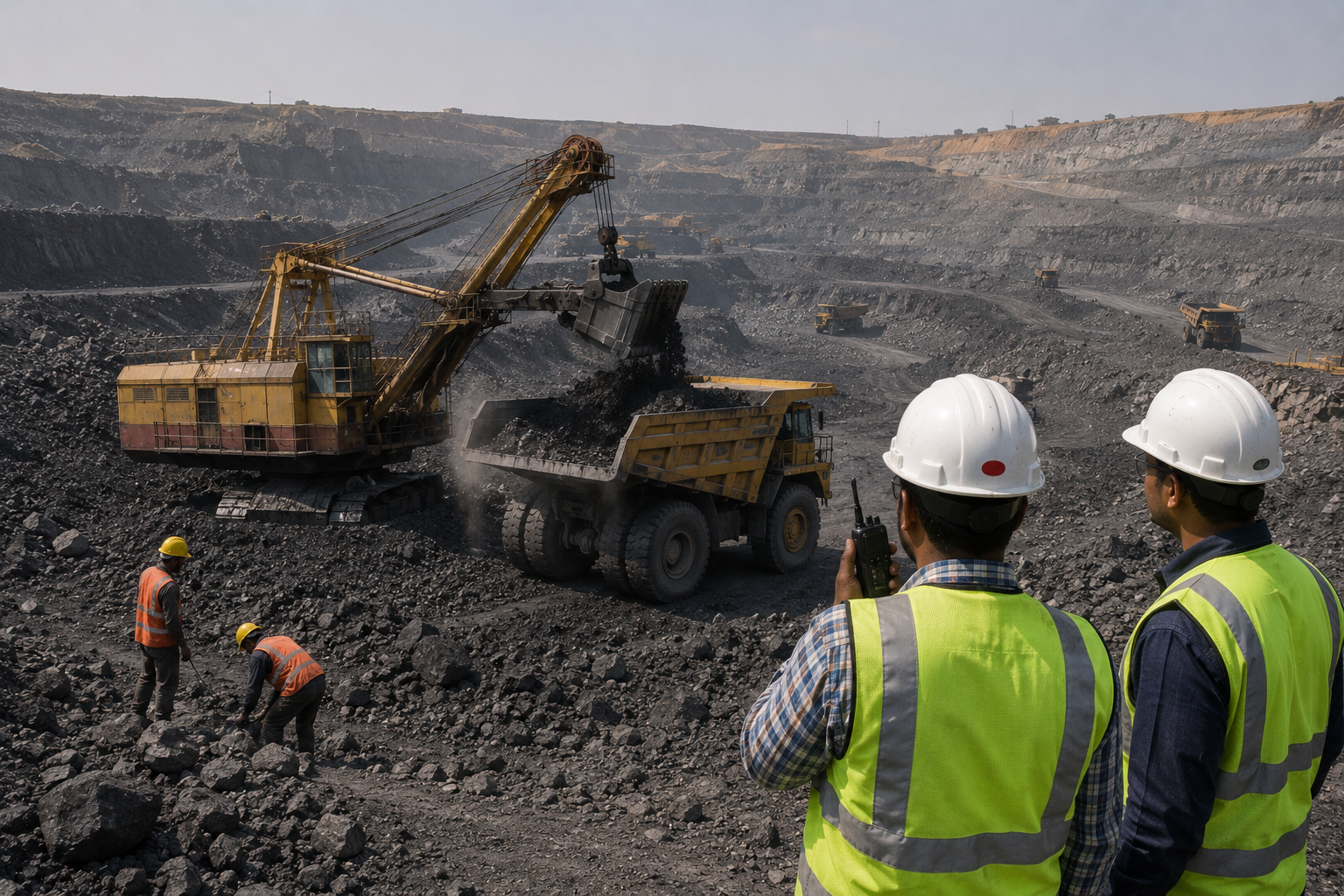
Mahanadi Coalfields Files IPO Papers
Coal India Plans Ten Percent Stake Key Highlights Updated News Article Mahanadi Coalfields Ltd has filed preliminary papers with market regulator Sebi for an initial public offering through which its parent company Coal India Ltd plans to sell a 10% stake. According to the draft red herring prospectus dated August 31, the proposed IPO will consist entirely of an offer for sale of up to 66,18,36,300 equity shares by Coal India. Since the issue contains no fresh share component, Mahanadi Coalfields itself will not receive any funds from the IPO. The entire proceeds from the share sale will accrue to Coal India as the selling shareholder. The proposed listing is part of Coal India’s broader strategy of unlocking value from its subsidiaries through the capital markets. Coal India has already taken two of its subsidiaries to the stock market this year. Bharat Coking Coal Ltd was listed in January, while Central Mine Planning & Design Institute Ltd was listed in March. Coal India Chairman and Managing Director B Sairam recently indicated that the IPOs of South Eastern Coalfields Ltd and Mahanadi Coalfields would be completed during the current financial year, although the exact timing would depend on market conditions and government directions. Coal India’s board had earlier approved in-principle plans to divest up to 25% of the equity in both MCL and SECL through the offer-for-sale route. Mahanadi Coalfields is one of the most important subsidiaries of Coal India. Incorporated in 1992, the Odisha-based company produced 218.31 million tonnes of coal during fiscal 2026. According to information cited in the draft papers, this represented around 22.4% of India’s total non-coking coal production. MCL also accounted for approximately 28% of Coal India’s overall coal production during the year. Coal India remains the dominant producer in India’s domestic coal sector, accounting for more than 80% of the country’s domestic coal output. MCL’s proposed listing therefore represents a significant transaction for the country’s primary capital market and could provide investors with direct exposure to one of India’s largest coal-producing businesses. The company had 17 operational mines as of June 30, 2026, including 14 opencast mines and three underground mines. For the quarter ended June 2026, MCL reported revenue from operations of Rs 8,034 crore, compared with Rs 7,548.3 crore during the corresponding quarter of the previous year. Net profit, however, declined slightly to Rs 2,399 crore from Rs 2,448.3 crore in the year-ago period. MCL was granted Miniratna Category-I status in 2019 and remains a wholly owned subsidiary of Coal India. The proposed IPO comes at a time when investors are closely watching government-led divestments and listings of large public-sector subsidiaries. Such transactions can help parent companies unlock value while giving investors access to individual businesses within large corporate groups. The issue is being managed by SBI Capital Markets, Axis Capital, BOB Capital Markets, IDBI Capital Markets & Securities and IIFL Capital Services. KFin Technologies has been appointed as the registrar.

Subhash Chandra Challenges NCLT Bench
Subhash Chandra’s personal insolvency dispute reaches the NCLAT as his legal team challenges the constitution of a five-member NCLT bench.
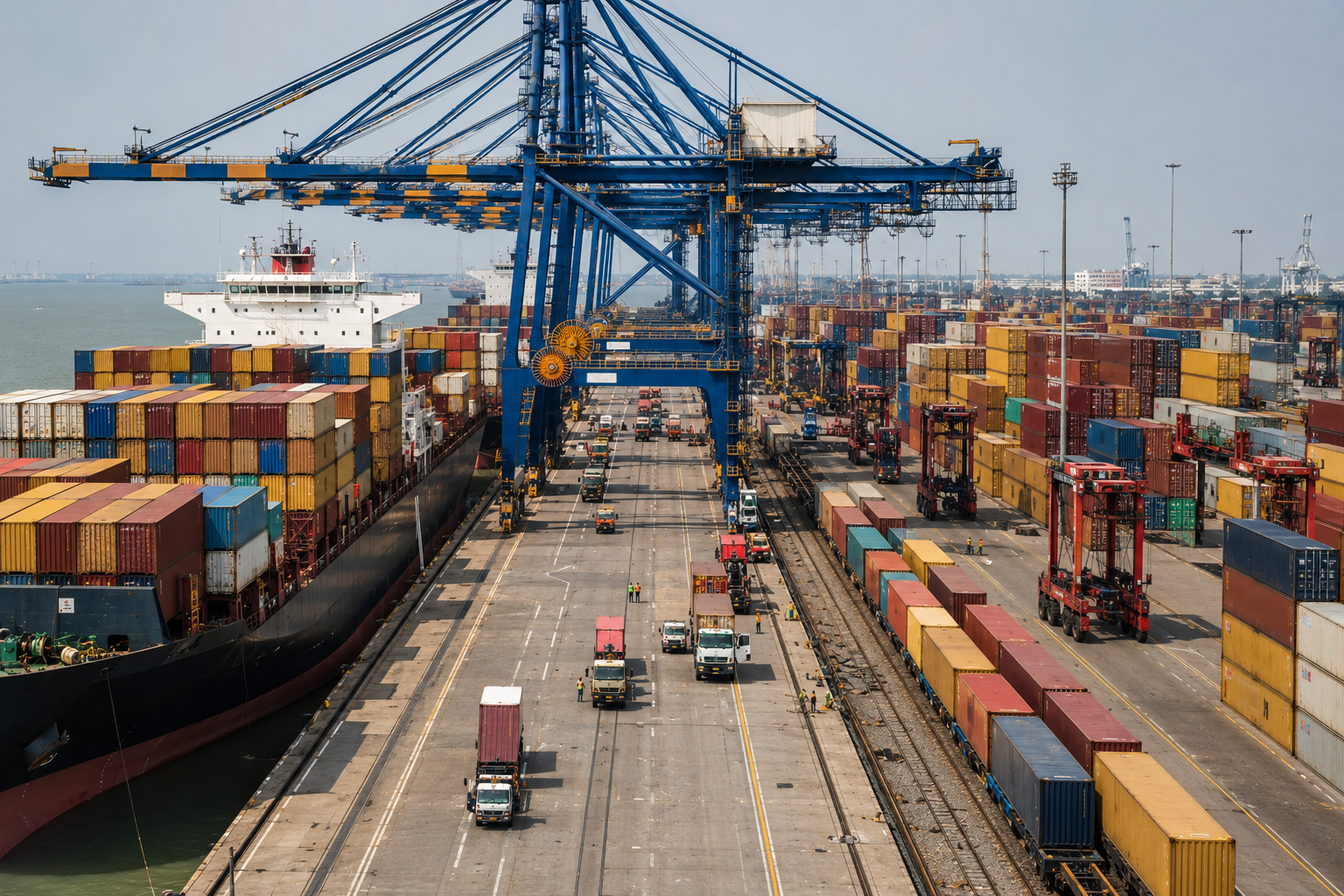
APSEZ Cargo Hits Record High
August Throughput Crosses 50 Million Key Highlights Updated News Article Adani Ports and Special Economic Zone Ltd recorded its highest-ever monthly cargo throughput in August, handling 50 million tonnes as strong domestic activity, rising container trade and a diversified cargo mix supported volumes. The company said August cargo volumes increased 19% from 41.9 million tonnes recorded in the same month a year earlier. The growth was broad-based across cargo categories. Dry cargo volumes increased 25% year-on-year, while container volumes rose 15%. Shipments of commodities including coal, iron ore, limestone and other minerals also contributed to the increase. International operations provided additional support. North Queensland Export Terminal in Queensland, Australia, contributed to the overall volumes, while Colombo West International Terminal in Sri Lanka continued its ramp-up. Several major assets within APSEZ’s network also recorded growth. These included Mundra in Gujarat, Krishnapatnam in Andhra Pradesh and the company’s port operation at Dar es Salaam in Tanzania. The August record represents a strong start to FY27. APSEZ handled 43.1 million tonnes in April, followed by 48.3 million tonnes in May, 46.8 million tonnes in June and 46.3 million tonnes in July. With August’s performance included, cumulative cargo handled during the first five months of FY27 reached 234.4 million tonnes, representing a 16% increase over the corresponding period a year earlier. Dry cargo volumes during the period increased 17%, while container volumes rose 15%. The performance comes against the backdrop of resilient economic activity in India. The country’s real GDP expanded 7.8% in the April-June quarter of FY27, with manufacturing growth reaching 9.2% and services expanding 10%. At the same time, global shipping markets continue to face significant uncertainty. Geopolitical tensions, changing shipping routes and supply-chain restructuring are influencing the movement of goods between major trade corridors. These developments are increasing the importance of port operators that can provide access to multiple markets and cargo categories. APSEZ’s network of Indian and international gateways gives the company exposure to a broad range of commodities and trade routes. The company operates across ports, marine services and logistics, allowing cargo to move through multiple gateways as trade patterns evolve. Its logistics business also provides inland connectivity between ports and consumption and production centres. Rail volumes reached 54,131 twenty-foot equivalent units in August, up 6% from July. The company has been expanding its integrated logistics capabilities as part of a broader strategy to connect ports with industrial and consumption centres. The latest monthly record strengthens APSEZ’s position as India’s largest port operator and supports its longer-term growth ambitions. The company is targeting annual cargo handling capacity of one billion tonnes by FY31. Achieving that target will require continued investment in port capacity, logistics infrastructure and international operations. The August performance demonstrates the potential benefits of a diversified port network at a time when global trade routes are undergoing significant changes.

JioHotstar Expands Global Footprint
UK Canada Singapore Services Launch Key Highlights JioHotstar has expanded its international presence with the launch of its streaming service in the United Kingdom, Canada and Singapore, marking a significant step in the platform’s ambition to develop into a global entertainment destination. The platform, operated by JioStar, said its international offering will provide access to more than 1,60,000 hours of content across more than 12 languages. The expansion is aimed primarily at the South Asian diaspora while also seeking to attract a broader international audience interested in Indian entertainment and stories from across the region. JioHotstar said the service will combine its extensive content catalogue with personalised recommendations, interactive features and flexible subscription options. The platform also plans to introduce more than 30,000 hours of fresh content annually across the three markets. The offering will include original productions, established entertainment franchises and television programming. The company believes that demand for Indian entertainment extends beyond the South Asian diaspora as international audiences increasingly seek stories and cultural content from markets outside their own. Amit Malhotra, Head of International Business at JioStar, said the streaming industry had traditionally competed largely on the size of content libraries, while the next opportunity lies in changing how audiences discover and engage with entertainment. The international expansion gives JioHotstar an opportunity to build a presence in markets where Indian-language entertainment already has an established audience base. The United Kingdom, Canada and Singapore are home to significant South Asian communities, creating a natural customer base for Indian television, films and original programming. At the same time, the platform’s strategy extends beyond simply exporting an Indian streaming product. JioStar said it wants to develop a broader entertainment proposition for international audiences. The launch comes after the creation of JioStar through the merger of Reliance’s media business with the India business of global entertainment company Walt Disney. The combination brought together significant television, digital and entertainment assets. JioHotstar already has a large domestic user base, with the company stating that it has more than 500 million active users. Its international rollout represents an effort to leverage that scale and content ecosystem in overseas markets. Personalisation is expected to be a major component of the service. As streaming competition increases globally, platforms are increasingly relying on recommendation systems and interactive experiences to help viewers discover content. JioHotstar’s international launch also comes at a time when streaming services are increasingly looking beyond domestic audiences for growth. Content produced in one country can now reach viewers across multiple regions, particularly when supported by subtitles, dubbing and multilingual catalogues. The company’s planned addition of more than 30,000 hours of fresh content every year is expected to help maintain engagement and strengthen the platform’s competitive position. The success of the international expansion will depend on subscriber acquisition, pricing, content localisation and the platform’s ability to compete with established global streaming services. For JioStar, however, the launch represents an important step toward building a global entertainment business around Indian content and the growing international demand for South Asian stories.
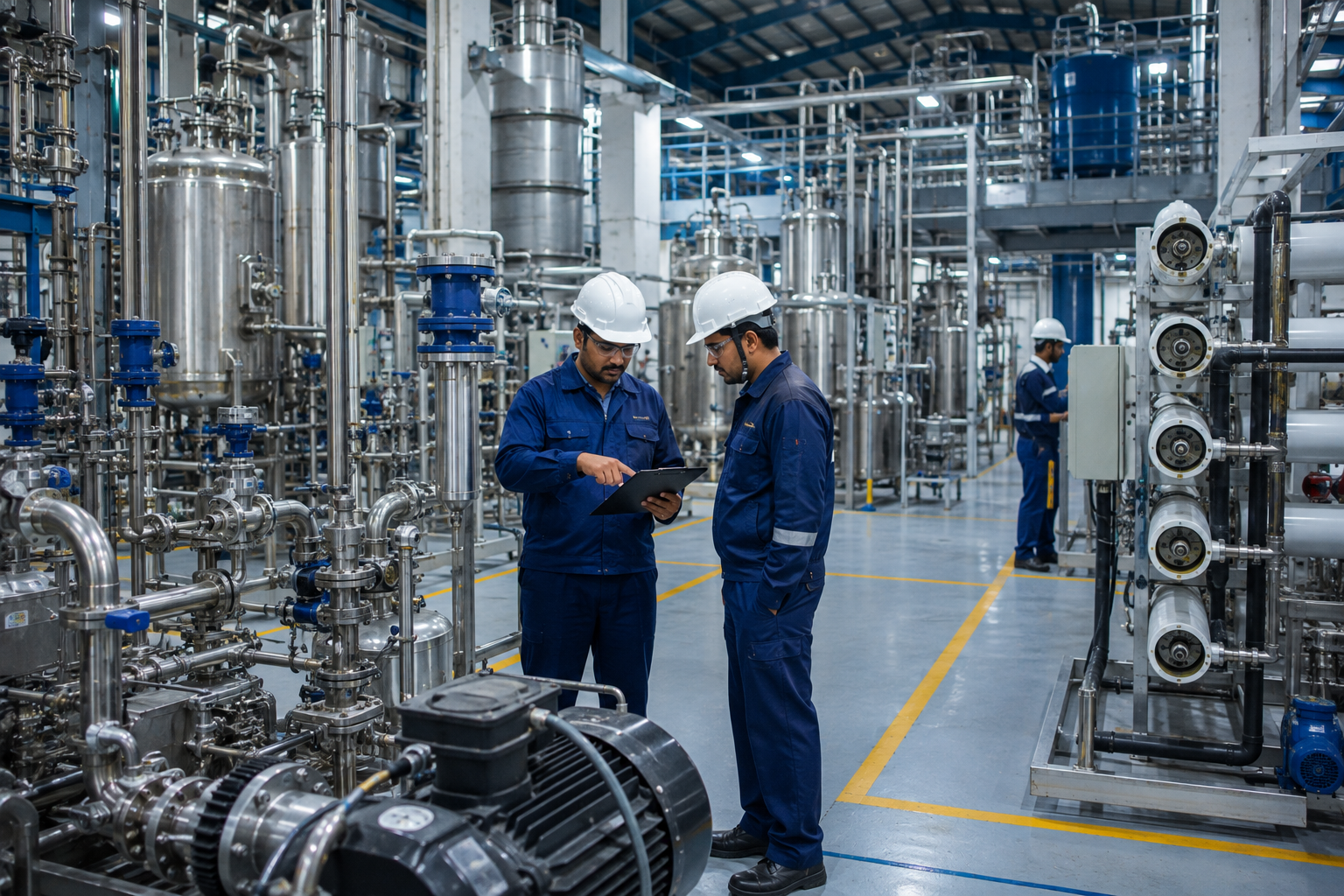
Novonesis Plans Rs 6,600 Crore
Patalganga Plant Gets Major Expansion Key Highlights Updated News Article Danish biosolutions company Novonesis has announced a Rs 6,600 crore investment to expand its enzyme manufacturing facility at Patalganga in Maharashtra, strengthening its production capabilities to serve growing demand across emerging markets. The expansion is expected to take place over the next four years, with the upgraded facility projected to become fully operational by 2030. The expanded plant will manufacture enzymes used across several industries, including biofuels, household care, food and beverages. Novonesis said the project will help the company meet increasing demand from emerging markets, particularly India, South Asia, the Middle East and Africa. Novonesis President and Chief Executive Ester Baiget said these markets represent an increasingly important and growing part of the company’s business and are expected to expand faster than developed markets in the coming years. The company’s Chief Operating Officer Anders Lund said the Patalganga facility would bring production closer to customers while improving scale, operational resilience, efficiency and supply flexibility. The investment also reflects the growing importance of biotechnology-based industrial solutions. Enzymes have applications across a wide range of industries, including food processing, detergents, biofuel production and industrial manufacturing. Novonesis plans to incorporate resource-efficient technologies into the expanded facility. Freshwater recycling will reduce the amount of water drawn by the plant, while integrated heat pumps will help lower energy consumption. The company’s regional President for the Middle East, India and Africa, Krishna Mohan Puvvada, highlighted India’s BioE3 policy, describing it as an important step toward unlocking the economic, social and environmental potential of biosolutions. The Patalganga facility has an established manufacturing history. It was originally commissioned in 2019 by Novozymes. Novozymes later merged with Chr. Hansen, resulting in the creation of Novonesis in 2024. Patalganga is located near Mumbai and has developed into a major industrial cluster. The area houses several chemical, pharmaceutical and petrochemical operations, making it an important manufacturing location in Maharashtra. The new investment could strengthen the state’s industrial ecosystem while creating additional opportunities for engineering, logistics, technology and industrial-service providers. Novonesis has previously invested in manufacturing expansions in markets including Thailand, the United States and Brazil as part of its broader capital expenditure programme. The company’s latest commitment to Maharashtra comes as global manufacturers increasingly look to establish resilient supply chains closer to high-growth markets. India’s expanding industrial base and large consumer market make the country an increasingly attractive location for manufacturing and technology investments. For Novonesis, the Patalganga expansion is expected to provide additional production capacity while improving access to customers across India and neighbouring markets. The emphasis on lower water and energy consumption also reflects the increasing importance of sustainability in industrial investment. As manufacturers face growing pressure to improve resource efficiency, technologies such as water recycling and heat recovery are becoming increasingly relevant. The expanded plant is expected to become a significant part of Novonesis’ regional manufacturing network once it reaches full operational capacity. Novonesis investment India, Rs 6600 crore investment, Patalganga enzyme plant, Novonesis Maharashtra, biotechnology India, enzyme manufacturing India, BioE3 policy, industrial investment Maharashtra, sustainable manufacturing India, Novonesis plant expansion
