“Rural India has remained a provider of raw materials so far”

Dr. Ramappa K B, Institute for Social and Economic Change (ISEC), Bangalore, opines that Covid-19 has brought urban India to a sudden grinding halt or in other words, it suddenly lost its ‘pull force’ ; leaving the migrants to fend for themselves. In no time, migrants have realized that urban centres minus the employment have suddenly become hostile to them and are forced to return back to their roots.

TPCI: What, in your opinion, are the reasons responsible for the large-scale exodus of migrants from cities like villages? How do you view the near-term impact of this on India’s urban economy after the lockdown is lifted?  

Prof. Ramappa K B (RKB): The sheer size of migrants in urban centers indicates the shrinking of the livelihood support base of Indian villages. From self-sustaining economies, Indian villages appear to have become only production centres to cater to urban India, with its enormous ‘pull’ factor sucking all the workforce from villages. Covid-19 has brought this urban India to a sudden grinding halt or in other words, it suddenly lost its ‘pull force’, leaving migrants to fend themselves. In no time, migrants have realized that urban centers minus the employment have suddenly become hostile to them and are forced to return back to their roots. Some of the reasons are:

a. Absence of work lead to difficulty in earnings for day-to-day bread and butter for the family.
b. Non-availability of basic needs.
c. Higher cost of living due to scarcity of basic needs.
d. Difficulty in spending time without work.
e. Fear of getting disease and no one to look after in cities.
f. Homesick due to fear of joblessness.

The lockdown has an impact on both urban and rural economies. Regarding its near-term impact on India’s urban economy; there will be an initial reluctance of this group to return to cities at least for a period of six months. Further, with onset of monsoon, increased farm labour demand may also delay the return of this labour force to urban India. Some of the major repercussions are as follows:

a. Temporary shortage of unskilled labour.
b. Higher cost of production of goods and services.
c. Difficult to run small-scale industries.
d. Increased workload on the existing workforce.
e. Decrease in both public and private investment.

TPCI: The large-scale migration appears to support the view in favour of large-scale decentralisation of the Indian economy, so that people in remote areas need not migrate to cities. What is your perspective on this?

RKB: Yes. Decentralization of employment opportunities is most welcome for India. However, it is easier said than done. Most of the migrant labour belongs to un-skilled to semi-skilled groups and engaging this group in remote areas requires a paradigm shift in planning process. But better late than never.

TPCI: How can rural India’s contribution to current GVA be augmented? And what role do you see for rural India in the development of the economy, in farm and non-farm sectors?

RKB: The contribution of farm GVA can be augmented through the following measures:

a. Improvement of technology and promotion of its adoption.
b. Creation of better irrigation facilities.
c. Diversification in agriculture.
d. Promotion of value addition in agriculture.
e. Better price realization through government support.
f. Arrangements to purchase of agricultural products through regulated markets and MSP.
g. Cluster level officers of agriculture should disseminate information on production, demand and supply of agricultural produces during these emergencies.
h. Facilitation of regulated markets for agriculture through improvements in infrastructure and promotion of alternative channels.
i. Promotion of FPOs and SHGs in rural areas.
j. Promotion of agriculture and allied activities through a greater number of trainings.

Both farm and non-farm sectors plays an important role in the development of the economy as they act as supplementary sources of employment and income to the farm households in general, and small and marginal farmers in particular. Moreover, they help in reducing the income inequalities and rural-urban migration.

TPCI: What should be done to facilitate the industrialisation and development of rural regions in India? What are the key sectors that should be developed to promote gainful employment?

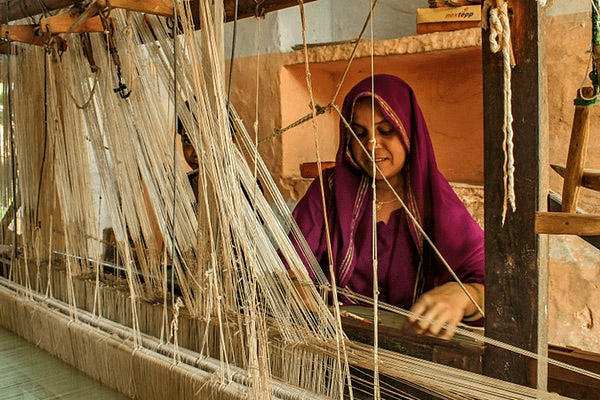
RKB: Rural India, so far, has remained as a provider of raw materials only, be it food grains or coffee beans or fruits and vegetables. Limited value addition on these items, if any, is taking place in urban centers. This practice puts unwanted pressure on civic infrastructure of urban India. On the other hand, these value addition processes can be shifted to the place of production, it would be a win-win situation for both urban and rural India. For the former, it would reduce the burden on its infrastructure and for latter, it cuts down the cost of unit production and thus adds an advantage to Indian products internationally even.

Following are the key sectors through which we can promote gainful employment in farm and non-farm sectors:

Farm sector:

a. Livestock rearing enterprises
b. Dairy products
c. Food processing activities
d. Value addition activities in agriculture.
e. Seeds industries
f. Feed and fodder industries

Non-farm sector:

a. Garment industries
b. Facilitating self-employment
c. Plastic industries
d. Chemical and pesticide industries

TPCI: What suggestions would you like to offer to the government or private players to make sure that the rural economy becomes as vibrant and attractive for jobseekers?

RKB: There are several schemes initiated by government of India to promote the interests of the rural population such as entrepreneurship, innovations, technology development, etc. However, it was observed that most of the instances, these initiatives were captured either by rural elite or urban community. Therefore, entities like SHGs, FPOs should only be promoted.

TPCI: Is there an international model of rural development that can be emulated by India? Please elaborate.

RKB: There are several models that are immensely successful in different parts of the world. At the same time, we should not forget that our own model in India is very good with reference to Indian context as it was successful in supporting our civilization since ages. Under these testing times, it would be inappropriate to discuss about those models which have been successful elsewhere. Circumstance demand that all energies should be focused to control the epidemic and to reduce the severity of problems that Covid-19 has created for every citizen.


Dr. Ramappa K B is an Associate Professor, Agricultural Development and Rural Transformation Centre (ADRTC), Institute for Social and Economic Change (ISEC), Bangalore. His areas of specialization include agribusiness, agricultural marketing, agricultural economics and rural development.


Previous Post
Next Post

Most Recent Posts

  • All Post
  • 8th Pay Commission
  • Aadhar
  • Aditya Birla Capital
  • Advertising Standards
  • Affordable Housing
  • Agriculture
  • Agriculture & Food
  • AI in Healthcare
  • AI Technology
  • Airlines
  • alcohol industry
  • Android
  • APEDA
  • Apple
  • Artificial Intelligence
  • Ashwini Vaishnaw
  • asian para games
  • Asset Management
  • Atmanirbhar Bharat
  • Audio Devices
  • Audio Products
  • Auto Industry
  • Automobile
  • Automobiles
  • Automotive
  • Automotive Industry
  • Aviation
  • Bain Healthcare Report 2026
  • Bank
  • Banking
  • Banking Technology
  • Battery Industry
  • Beverage Industry
  • Beverages
  • Bihar
  • biotechnology
  • Bitcoin
  • BMW Group India
  • Brand Insight
  • BRICS
  • Bullion Market
  • Business
  • Business & Economy
  • Business & Trade
  • Business Leadership Post COVID-19
  • Business News
  • Business Terminology
  • Business Utilities
  • Buyback
  • Capital Goods
  • Capital Markets
  • CarsBusiness
  • CBIC
  • CCI
  • chemicals
  • Child Investment
  • China
  • China technology news
  • Citizen Services
  • Clean Energy
  • Clean Technology
  • Cloud Computing
  • coal
  • Commerce
  • Commerce and Industry
  • Commercial Real Estate
  • Commercial Vehicles
  • Commodities
  • Communications
  • Companies
  • Competition Law
  • Compliance
  • Computer Accessories
  • connected cars
  • Consumer
  • Consumer Affairs
  • Consumer Electronics
  • Consumer Finance
  • Consumer Goods
  • Consumer Health
  • Consumer Markets
  • Consumer News
  • Consumer Protection,
  • Consumer Rights
  • Consumer Spending
  • Consumer Trends
  • Content Creation
  • Copper
  • Corporate
  • corporate affairs
  • Corporate Earnings
  • Corporate Governance
  • Corporate News
  • Corporate Social Responsibility
  • Cost of Living
  • Country
  • CRED
  • Credit Cards
  • CREDIT RATING
  • crime
  • Crude Oil
  • Cryptocurrency
  • CSR
  • Culture
  • Currency
  • Customs Duty
  • Cyber Security
  • Cybersecurity
  • Dairy Industry
  • Data & Analytics
  • Defence
  • Delhi Government
  • Delhi-NCR
  • Demographics
  • Derivatives
  • DGCA
  • DGFT
  • DigiLocker
  • Digital Assets
  • Digital Economy
  • Digital Health India
  • Digital Identity
  • Digital India
  • Digital Infrastructure
  • Digital passport for robots
  • Digital Payments
  • Digital Platforms
  • digital services
  • Diplomacy
  • Dixon Technologies
  • DPIIT
  • E Commerce
  • E-commerce
  • E-Governance
  • Ease of Doing Business
  • Economic Growth
  • Economy
  • Edible Oil Industry
  • Editor Choice
  • EdTech
  • Education
  • Electric Mobility
  • Electric Vehicles
  • Electronics
  • Employment
  • ENERGY
  • Engineering
  • Entertainment
  • Environment
  • EPFO
  • Ethanol Economy
  • EV Industry
  • EV Technology
  • Exports
  • EXTER
  • Farmers
  • Fashion
  • festive offers
  • FINANCE
  • Finance Ministry,
  • Financial Marketing
  • Financial Markets
  • Financial News
  • Financial Planning
  • Financial Results
  • Financial Services
  • Fintech
  • FnTech
  • Food & Beverage
  • Food & Beverages
  • Food Exports
  • Food Industry
  • Food Manufacturing
  • Food Processing
  • Food Regulations
  • food safety
  • Foreign Exchange
  • Foreign Investment
  • Foreign Policy
  • Foreign Trade
  • Forex Reserves
  • fssai
  • FTA
  • Fuel
  • Fuel Prices
  • Future Energy
  • Gadgets
  • Gadgets & Apps
  • Gaming
  • GDP
  • Generative AI Healthcare
  • Geopolitics
  • GI Products
  • Global Brand Alliance
  • Global Economy
  • Global Markets
  • Global Politics
  • Global Tech
  • Global Trade Policy
  • Global Trends\
  • Gold
  • Gold Market
  • Gold Prices
  • Gols & Silver
  • Government
  • Government & Policy
  • Government Affairs
  • Government Bonds
  • Government Data
  • Government Initiatives
  • Government Policy
  • Government Policy & Regulation
  • Government Scheme
  • Government Schemes
  • Government Services
  • Green Energy
  • Green Mobility
  • GroupGlobal
  • GST
  • GST Council
  • GST Counsil
  • Hair Care
  • Hardware
  • Hatchback Segment
  • Health Supplements,
  • Horticulture
  • Housing
  • HSBC
  • Human Resources
  • humanoid robot market
  • Hyundai
  • IBT Infographics
  • iinvestment
  • Imports & Exports
  • Income Tax
  • India
  • India Auto Market
  • India Business News
  • India Inc
  • India News
  • India Retail
  • India-Canada Relations
  • India-China
  • India-Japan Relations
  • India-Russia Relations
  • India-South Korea Relations
  • India-US Relations
  • Indian Economy
  • Indian Navy
  • Industrial Pollution
  • Inflation
  • Infra
  • Infrastructure
  • Innovation
  • Instagram
  • Insurance
  • international
  • International Affairs
  • International Cooperation
  • International Relations
  • International Trade
  • Internet & Connectivity
  • Internet Policy
  • Internet Regulation
  • Interview
  • Investing
  • Investment News
  • Investments
  • iPhone News
  • IPO
  • IT Industry
  • Jewellery
  • Jio Platforms
  • JioBlackRock
  • Jobs & Careers
  • Joint Ventures
  • Kim Kardashian
  • Labour
  • Latest
  • Launches
  • Leadership
  • Leaderspeak
  • Lending
  • Lifestyle
  • Lifestyle Tech
  • List
  • Loans & Credit
  • Local News
  • Logistics
  • LPG
  • Luxury Cars
  • Machinery
  • Macroeconomics
  • Macroeconomy
  • maharashtra
  • Maharashtra News
  • Make in India
  • Makhana
  • Manufacturing
  • Market Outlook
  • Markets
  • Maruti Suzuki
  • Mergers & Acquisitions
  • Meta
  • Microsoft
  • Middle East
  • Mobile Apps
  • Mobile Industry
  • Mobile Launch
  • Mobility
  • Monetary Policy
  • Monsoon
  • MoSPI
  • MSME
  • Mutual Funds
  • Nano Tech
  • National
  • National news
  • NEET 2026
  • NewsElectric
  • NewsTata
  • NPCI
  • NPS Vatsalya
  • Office Market
  • Oil & Gas
  • Oil and Gas
  • Others
  • OTT
  • Packaged Drinking Water
  • Packaged Foods
  • Packaging Industry
  • Packaging Innovation
  • para archery
  • Passenger Vehicles
  • Paytm
  • Pension & Retirement
  • Pensions
  • Personal Care
  • Personal Finance
  • Perspectives
  • Petroleum
  • PFRDA
  • Pharmaceuticals
  • PM Modi
  • PMAY-G
  • PMAY-U
  • PMAY,
  • PMI
  • policy
  • Population
  • PORTS
  • Positive News
  • PPF
  • Precious Metals
  • Pricing
  • Product Labeling
  • Product Labelling
  • Product Launch
  • Property Market
  • PSU
  • PSU Banks
  • Public Health
  • Public Policy
  • Public Safety
  • Public Sector
  • Public Services
  • Public Welfare
  • Quarterly Results
  • Railways
  • Rajasthan
  • Raksha Bandhan
  • Raksha Bandhan Gifts
  • Rare Earths
  • RBI
  • Real Estate & Realty Sector
  • Recycling
  • Regulation
  • Regulatory Action
  • Regulatory Affairs
  • Regulatory Updates
  • REIT
  • Reliance Industries
  • Renewable Energy
  • RERA
  • Research
  • Retail
  • Retirement Planning
  • Road Infrastructure
  • Robotics & Automation
  • robotics standards
  • Rupee
  • Rural Development
  • Rural Housing
  • SAIL
  • Salaries
  • Samsung
  • Savings
  • Science & Technology
  • Sebi
  • Security
  • Semiconductor
  • Services Sector,
  • SHIPPING
  • Silver Prices
  • Skill Development
  • Skills Development
  • Small Business
  • Smart Devices
  • Smart Home
  • Smart Mobility
  • Smartphones
  • Social Impact
  • Social Media
  • Society
  • Software Development
  • Solar Energy
  • Space Technology
  • sports
  • Startups
  • Statistics
  • Steel Industry
  • Stock Market
  • stocks
  • streaming
  • Sugar Industry
  • Sukanya Samriddhi Yojana
  • Sustainability
  • SUV
  • Tamil Nadu Pollution Board
  • Tariffs
  • Tariffs & Duties
  • Tata Group
  • Tata Motors
  • Tata Sons
  • Tax Planning
  • Taxation
  • Tech
  • Tech Branding
  • Technology
  • Telecom & Technology
  • Telecom Industry
  • television
  • Top Story
  • Tourism
  • Trade
  • Trade Agreement
  • Trade Basket
  • Trade Partner
  • Trade Policy,
  • Transportation
  • Travel
  • Trending
  • Two-Wheelers
  • UIDAI
  • UPI
  • Urban Development
  • US-Iran Conflict Economic Impact
  • US–India Relations
  • Uttar Pradesh
  • VehiclesLuxury
  • vivo
  • Wastewater Management
  • Water Quality,
  • Wealth Management
  • Wearables
  • Wellness
  • WhatsApp
  • Wheat
  • Workplace
  • World
  • World News
  • Worldview
  • Yamaha
  • zLead Slider
    •   Back
    • Healthcare
    • Auto
    • Fmcg
    • Hospitality
    •   Back
    • Cash Crop
    • Organic
    • New Era Agri
    • Processed Food
    •   Back
    • Construction
    • Power
    • Mining
    • Telecom
    •   Back
    • ENERGY
    •   Back
    • Export/Import
    • Trade Deal
    • Trade Fair
    •   Back
    • Policies
    • Industry
    • Finance
    •   Back
    • Others technology
    • Mobile phone
    • Gadgets
    •   Back
    • Manufacturing
    • Services
    • Startup

India Business & Trade is a national media platform decoding the ideas, decisions and shifts shaping India’s growth story—across plicy, business, global commerce and a rapidly evolving marketplace.

Reach Us

India Business & Trade
M-62, Saket, New Delhi-110064, India

Subscribe To Newsletter

Stay ahead in the dynamic world of trade and commerce with India Business & Trade’s weekly newsletter.

Copyright © 2026 India Business & Trade. All Rights Reserved