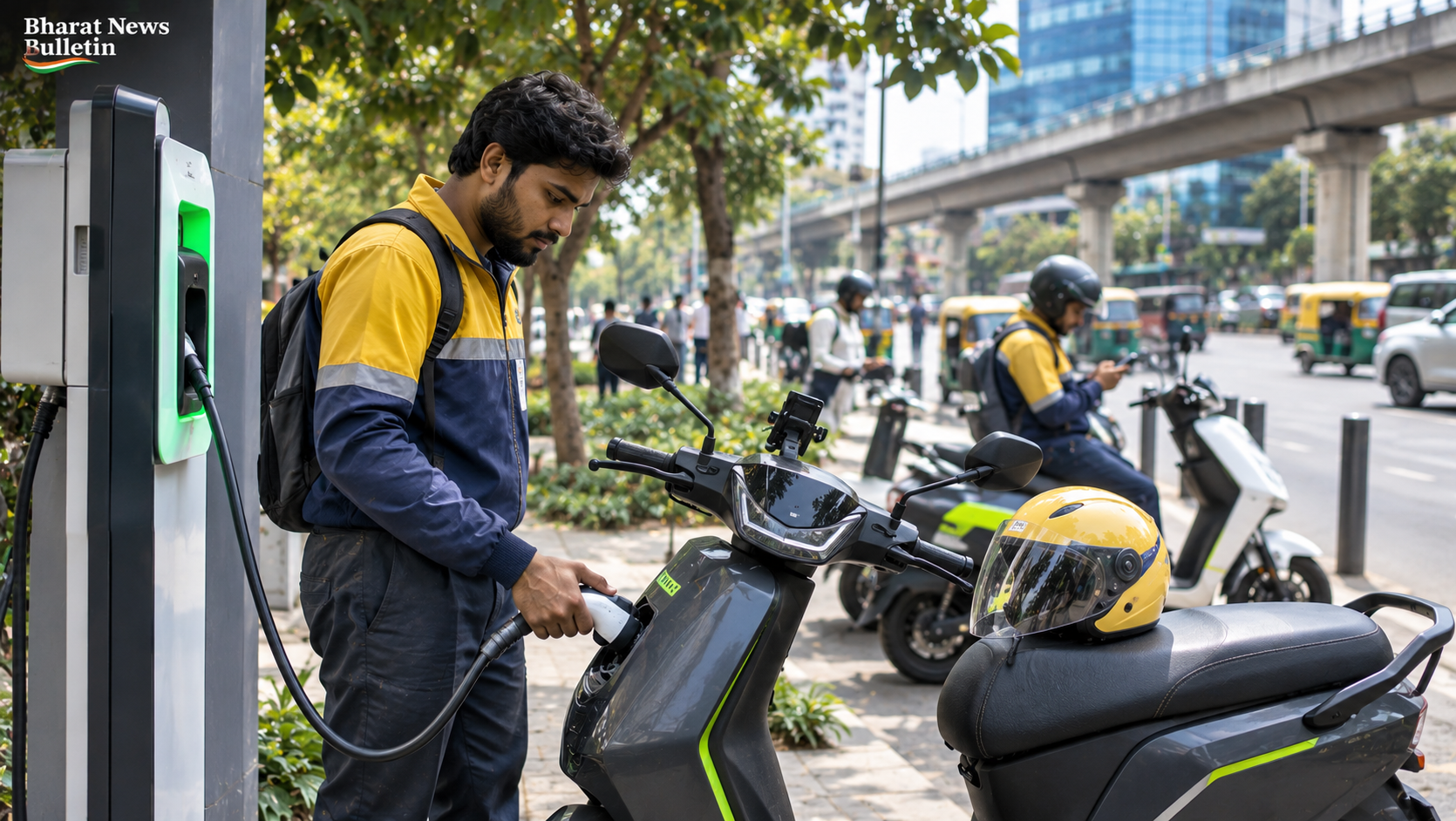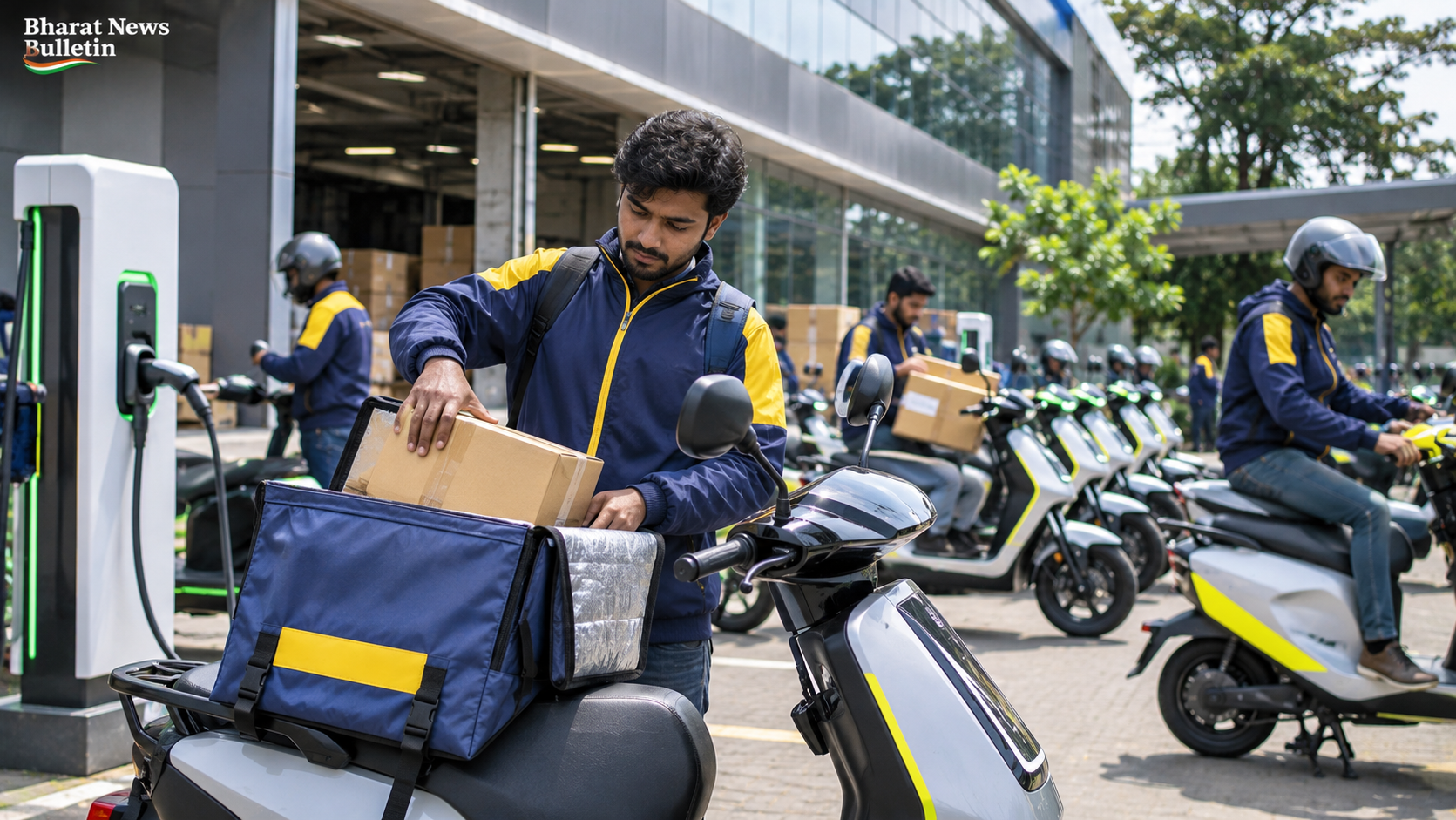
Flipkart has doubled its last-mile electric vehicle fleet to 42,000 during the 2026 festive season, compared with more than 20,000 vehicles in 2025, as the e-commerce company accelerates its transition towards fully electric deliveries by 2030.
Highlights:
- Flipkart expands its last-mile electric fleet to 42,000 vehicles.
- The fleet has doubled from over 20,000 vehicles in 2025.
- Around 77% of electric two-wheelers serve Flipkart Minutes.
- Another 20% operate across the company’s wider delivery network.
- Bengaluru, Mumbai, Chennai, Pune and Gurugram recorded the highest fleet expansion.
- The company aims to achieve a fully electric delivery fleet by 2030.
Flipkart on Monday announced that it has doubled its last-mile electric vehicle fleet to 42,000 during the 2026 festive season, strengthening its efforts to transition towards sustainable delivery operations.
The expansion represents a significant increase from more than 20,000 electric vehicles in 2025 and forms part of the company’s commitment to make its delivery fleet fully electric by 2030 under the Climate Group’s EV100 initiative.
Flipkart Minutes accounts for majority of electric two-wheelers
According to the company, electric two-wheelers serving Flipkart Minutes account for approximately 77 per cent of its electric vehicle fleet.
Another 20 per cent of the vehicles operate across the company’s wider delivery network.
The fleet has expanded significantly in Bengaluru, Mumbai, Chennai, Pune and Gurugram, which recorded the highest growth in electric delivery vehicles.
The expansion reflects the increasing role of electric mobility in supporting e-commerce deliveries and quick-commerce operations.
Survey highlights rising interest in electric vehicles
Flipkart also shared findings from a survey of more than 9,400 delivery partners, known as Wishmasters, covering riders using both electric vehicles and internal combustion engine (ICE) vehicles.
The survey found that the intention to switch to electric vehicles was nearly four times higher among respondents who had already experienced riding one.
Among delivery partners currently using electric vehicles, 59 per cent identified cost savings as a major motivation for adopting the technology.
However, access to charging infrastructure remains an important operational requirement for electric vehicle users.
Financial support could encourage more delivery partners to switch
The survey also highlighted the importance of financial assistance in encouraging delivery partners who currently use petrol-powered vehicles to adopt electric alternatives.
Around 55 per cent of ICE vehicle riders said financial support could encourage them to make the transition.
Suggested forms of assistance included EMI-based loans, down-payment support and daily EMI payment options.
The findings indicate that affordability and charging accessibility remain important factors influencing electric vehicle adoption among delivery partners.
Flipkart targets fully electric fleet by 2030
Flipkart’s electric fleet expansion is part of its broader sustainability commitment under the Climate Group’s EV100 initiative.
By targeting a fully electric delivery fleet by 2030, the company aims to increase the use of cleaner transportation across its last-mile logistics network.
The latest expansion highlights the growing adoption of electric mobility in India’s e-commerce industry, particularly as companies scale delivery operations to meet rising consumer demand.