Sub-headline: Reports suggest that the Reserve Bank of India could introduce 200 crore polymer notes under a pilot project aimed at improving currency durability and reducing replacement costs. However, official confirmation of the rollout date is awaited.
Highlights
- ₹10 and ₹20 plastic notes could be introduced from April 1, 2027.
- Reports suggest a pilot rollout involving 200 crore polymer notes.
- Existing paper currency notes are expected to remain valid.
- Polymer notes are designed to resist moisture, tearing and everyday damage.
- The initiative could reduce the cost of replacing worn-out currency.
- No official confirmation of the proposed launch date has been established.
RBI May Introduce ₹10 and ₹20 Plastic Notes From April 2027
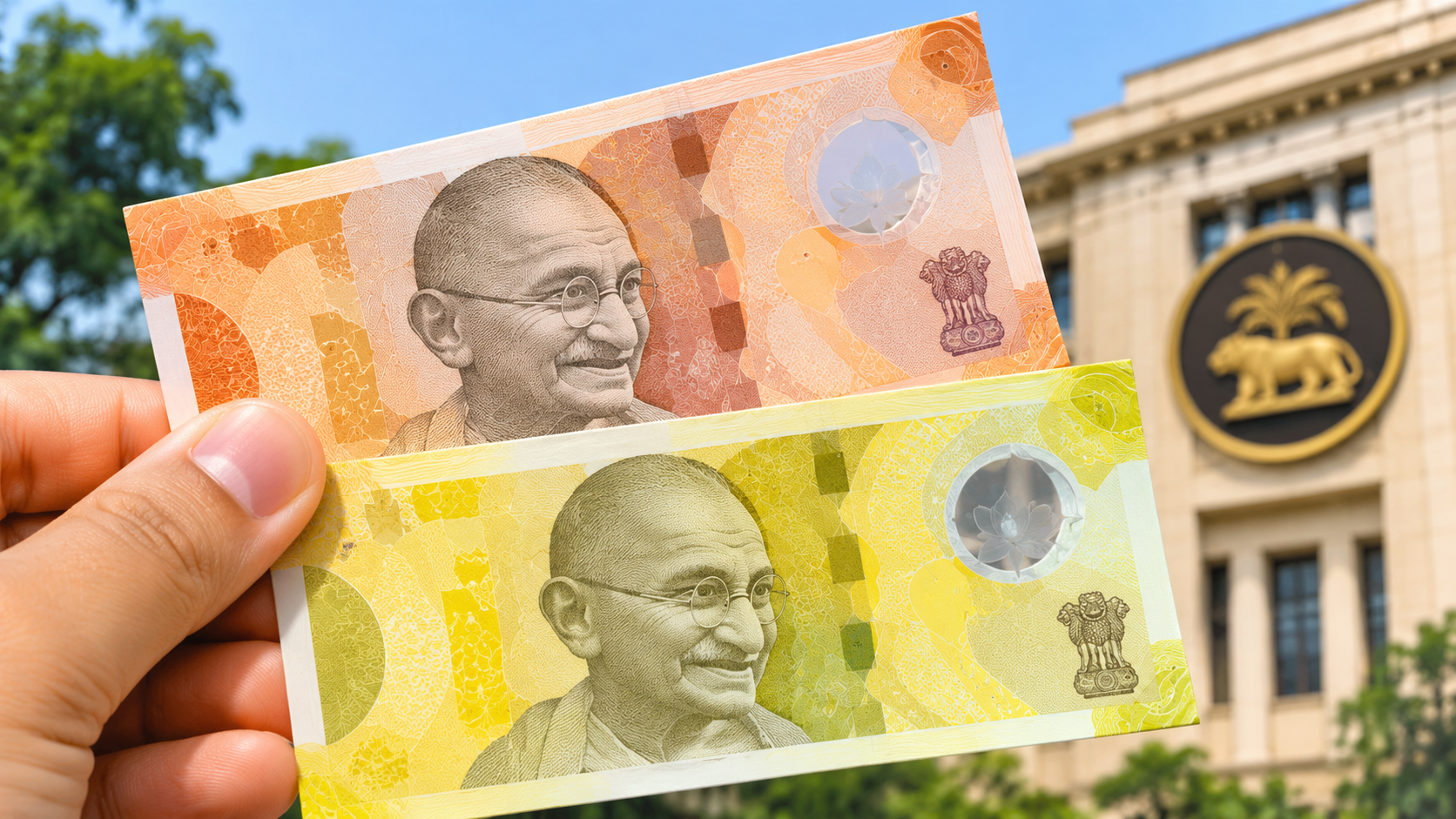
New Delhi, November 3: The Reserve Bank of India (RBI) could introduce plastic currency notes in denominations of ₹10 and ₹20 from April 1, 2027, according to media reports. The proposed move is aimed at improving the durability of frequently used banknotes and reducing the costs associated with printing and replacing damaged currency.
A report published by Dainik Jagran on November 3 claimed that the central bank is preparing to introduce polymer-based currency notes under a pilot project. However, the reported rollout date and quantity of notes have not been independently verified through an official RBI announcement.
200 Crore Plastic Notes Under Proposed Pilot
According to the report, the proposed pilot project could involve the circulation of approximately 200 crore polymer notes, including 100 crore notes each in the ₹10 and ₹20 denominations.
Unlike conventional paper banknotes, polymer currency is manufactured using a specialised plastic material designed to withstand regular handling, moisture and physical wear.
Several countries, including Australia, Canada and the United Kingdom, already use polymer banknotes because of their durability and advanced security features.
Will Existing ₹10 and ₹20 Notes Become Invalid?
One of the biggest concerns for consumers is whether the introduction of plastic currency would make existing paper notes invalid.
According to the report, existing ₹10 and ₹20 notes would continue to remain legal tender alongside any newly introduced polymer notes.
The report also suggests that the proposed notes would retain their existing dimensions, potentially reducing the need for changes to cash-handling equipment.
However, these arrangements would need to be confirmed by the RBI before implementation.
Why Is RBI Considering Plastic Currency?
Lower-denomination notes generally experience significant wear because they are frequently exchanged in everyday transactions, including local markets, public transport and small retail purchases.
Polymer notes typically last longer than conventional paper-based currency, potentially reducing replacement frequency and long-term currency management expenses.
They can also incorporate security features that make counterfeiting more difficult.
What About ₹100, ₹200 and ₹500 Notes?
The report suggests that the proposed initiative would initially focus on ₹10 and ₹20 denominations, with no immediate plans mentioned for higher-value polymer notes.
For now, consumers should treat the April 2027 launch date as a reported proposal rather than a confirmed RBI decision.