UPI Charges From October 15? New Report Recommends Lower MDR on Digital Payments
Highlights
- UPI Charges: Proposed 0.4% MDR on certain merchant payments above ₹2,000 remains under discussion.
- New Recommendation: A report recommends reducing the proposed rate to 0.08%.
- Customer Impact: MDR is paid by merchants or payment providers, not automatically charged to UPI users.
- Implementation Date: October 15 has been discussed, but official confirmation is awaited.
UPI Charges: Will Digital Payments Become Costlier From October 15?
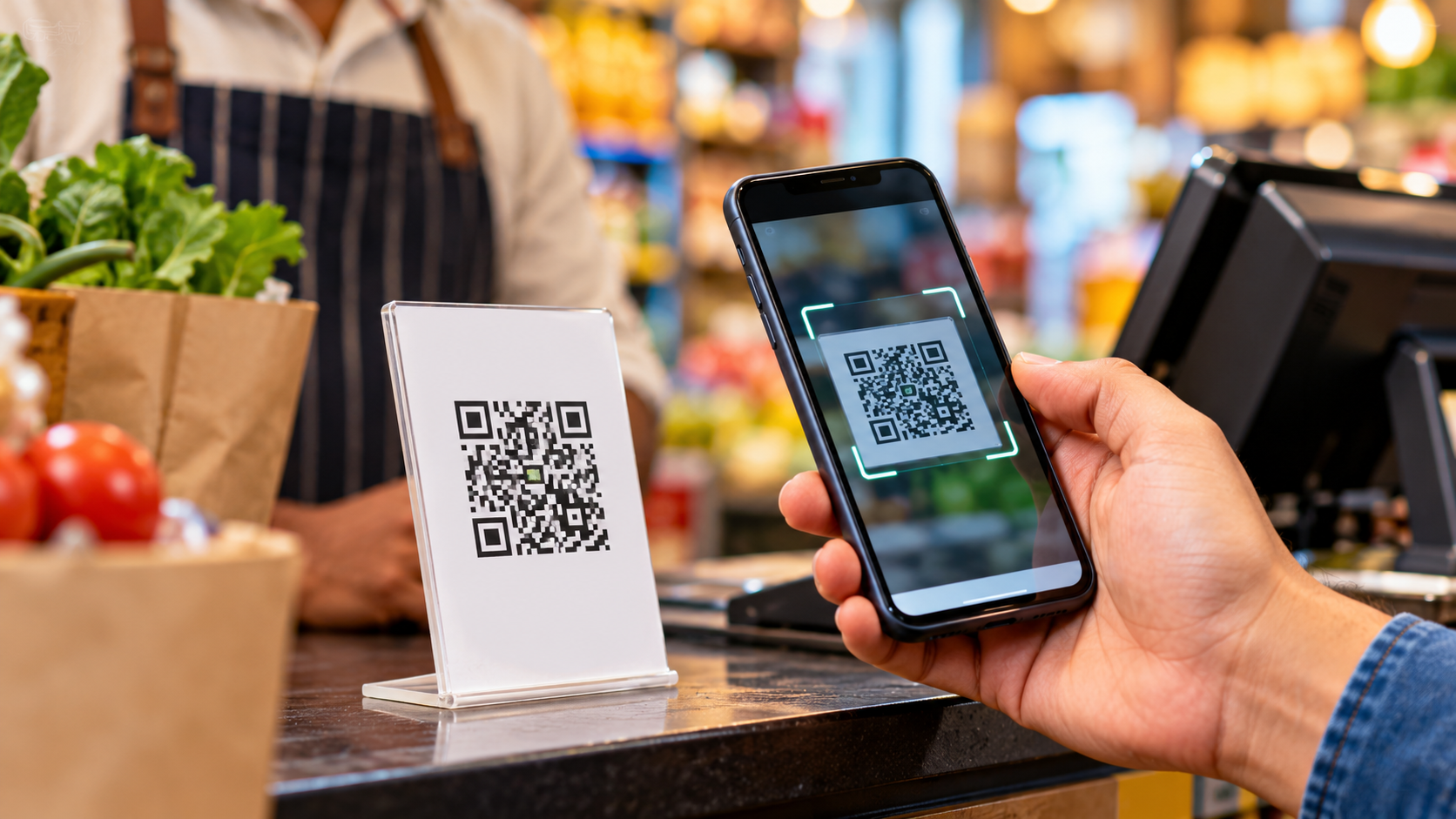
Millions of Indians use Unified Payments Interface (UPI) every day to pay for groceries, shopping, food delivery, electricity bills and other services. Now, a proposal to introduce a Merchant Discount Rate (MDR) on certain UPI payments has raised questions about whether digital transactions could become more expensive.
The proposed framework reportedly involves a 0.4% MDR on selected merchant transactions exceeding ₹2,000. However, the implementation timeline remains uncertain, and customers should not assume that new charges will automatically apply from October 15, 2026.
What Is the Proposed UPI Charge?
Merchant Discount Rate is a fee associated with processing digital payments. It is generally borne by merchants rather than being directly collected from customers.
Under the proposal being discussed, a transaction of ₹5,000 would attract an MDR of ₹20 at a rate of 0.4%, where applicable.
This does not mean that a customer transferring ₹5,000 through UPI would automatically pay an additional ₹20.
New Report Suggests Lower MDR
A report highlighted on October 11 has recommended reducing the proposed MDR from 0.4% to 0.08%.
At 0.08%, the processing charge on a ₹5,000 eligible merchant transaction would be ₹4 instead of ₹20.
The recommendation reflects concerns that higher transaction costs could discourage some merchants from accepting digital payments, particularly smaller businesses operating on narrow profit margins.
Will Regular UPI Users Have to Pay?
There is currently no confirmed general charge on ordinary person-to-person UPI transfers under this proposal.
Payments made to friends, relatives or family members are different from commercial merchant transactions.
Even where merchant MDR applies, it should not be confused with a direct transaction fee imposed on every customer.
However, businesses facing higher payment-processing expenses could potentially adjust their pricing over time.
Could Implementation Be Delayed?
Although October 15 has been discussed as a possible implementation date, reports have suggested that the rollout could be postponed, potentially until January 2027.
No revised implementation date should be treated as final without an official announcement from the relevant authorities.
What Should UPI Users Do?
For now, consumers can continue using UPI for their regular transactions. There is no reason to assume that all payments above ₹2,000 will attract additional customer charges.
Users should follow official announcements from the government, RBI and NPCI rather than relying on unverified social media messages.
The Bottom Line: The proposed MDR is primarily a merchant-payment issue. Whether it is introduced, at what rate and from which date remains the key question for India’s digital payment ecosystem.