“When farmers lead, incomes rise by 30%: Grassroots model for ethical food”

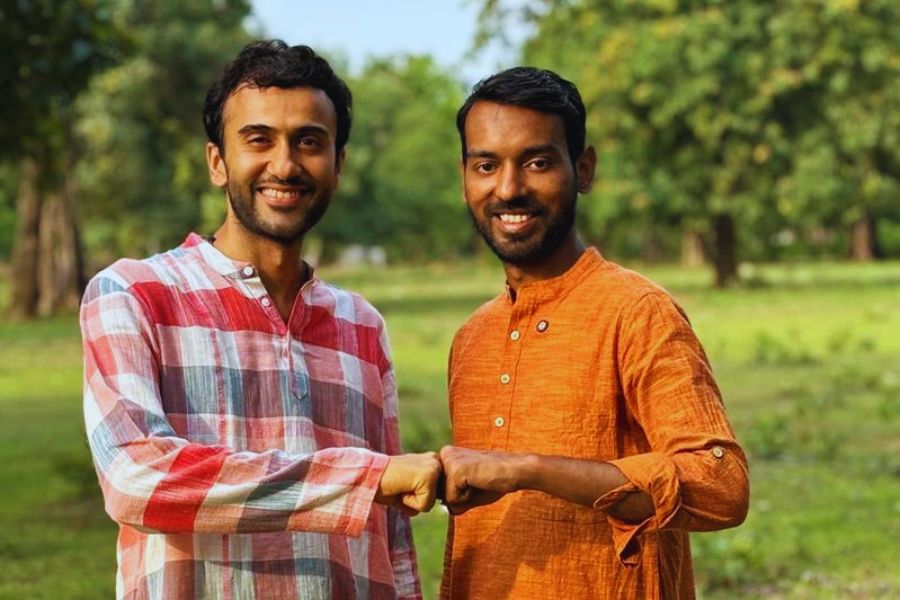
IBT interacted with Raj and Divish, the founders of Swadesiway—a movement-driven organic food venture working directly with small farmer collectives across India. In this conversation, they share how authentic farmer-led change, consumer education, and community building are at the heart of their mission to make organic food accessible, ethical, and rooted in Indian tradition.


IBT: How directly do you work with farmers, and what kind of support do you offer them?

Raj and Divish: We work directly and exclusively with organic small farmer collectives or FPOs—these are grassroots organisations formed by farmers themselves, focused on nurturing the soil and uplifting entire communities.

While India has around 10,000 FPOs, the reality is that 99% exist only on paper. We’ve spent time identifying some of the strongest, most authentic FPOs in the country—ones where even the smallest landholding farmer truly benefits from the collective’s success.

One example is the Bhoomgaadi Farmers’ Collective in Dantewada, Chhattisgarh—one of the most remote and underdeveloped regions of India. Over the past 10 years, they’ve brought together around 3,100 farmers across 110 villages, all of which are now fully organic. The impact is massive—more than 8,500 farmers and over 56,000 acres are now certified under the PGS-India organic system.

We currently work with nine such collectives, each with nearly a decade of grassroots work behind them, and a deep commitment to real, farmer-led change. That said, two major challenges keep coming up: market linkage and consumer awareness.

And that’s where we come in. We educate consumers about why it matters to support these collectives, and we create a platform to bring their organic produce to market. One thing we’re proud of—we never bargain with our collectives. We pay a fair price that allows them to, in turn, pay their member farmers what their organic produce truly deserves.

IBT: Have your farmer partners seen a clear income or quality-of-life boost since joining you?

Raj and Divish: We believe that lasting change for native farmers doesn’t come from urban outsiders—it comes from within the communities themselves. When farmers unite as collectives, that’s when real transformation begins.

The collectives we work with have already made significant strides. For instance, member farmers of the Bhoomgaadi collective have seen their incomes rise by an average of 30%. That said, the baseline is still modest—most farmer families earn around ₹10,000 to ₹15,000 per month. The biggest challenge these collectives face is selling large volumes at fair prices.

We’re still a young company, but our purchase volumes from these collectives are steadily increasing. We estimate that it will take around three more years of consistent growth across multiple cities before we can buy at the scale that truly moves the needle for these communities.

IBT: What’s the biggest roadblock in scaling — policy, logistics, or consumer awareness?

Raj and Divish: We’re currently seeing around 25% month-on-month growth, and a lot of that is thanks to consumer education. Our content focuses purely on awareness. One of our most successful ads, for example, didn’t even mention a product—it just explained the science behind organic versus chemically grown food using the analogy of how a pickle is made. That kind of honest storytelling really connects.

If we had to name one major roadblock, though, it would be pricing. We’re not a profit-driven venture. Our model ensures that 60% of the revenue goes directly to farmer collectives, and we price our products to just cover costs. This is a conscious choice—we want chemical-free, healthy food to be accessible to more people. Despite this, we’re often compared to conventionally grown, mass-market food on price.

The real solution here is scale—not just for us, but for the entire organic ecosystem. As volume grows, prices can come down, and the benefits can spread wider. On the policy side, the imbalance is stark. For every $1,000 invested in sustainable agriculture, about $100,000 in subsidies still go to chemical-based farming. That’s a legacy of the Green Revolution, and it’s led to long-term soil degradation and a cycle of debt for small farmers.

What we really need now is for more people to understand this problem—and demand organic food at scale. That’s how real change will happen.

IBT: Are you exploring any innovations in packaging, sourcing, or product design to stay competitive?

Raj and Divish: We’re not innovating to compete—we’re innovating to stay true to our values. For us, the real shift is that we’re building a movement, not just a brand.

Our content isn’t designed to sell products. It’s focused entirely on education—on helping consumers understand why organic food from verified farmer collectives is a win-win for their health, the planet, and the livelihoods of small farmers. This approach is resonating. We’ve built a growing WhatsApp community called Swadesi Hearts, with 300+ conscious consumers who stay closely connected with us. The power of this community has been incredible in helping us grow organically.

We’ve also begun collaborating with social media creators who focus on sustainability and conscious living. So far, five creators have come on board as partners—purely because they believe in our story. No payments, no pitches—just shared values and radical transparency. That’s the kind of innovation we care about. It’s not about flashy packaging or gimmicks. It’s about building trust, staying honest, and growing something meaningful together.

IBT: How do you stay authentic to Indian tradition while competing in a modern wellness market?

Raj and Divish: Modern wellness often overlooks a fundamental truth—how your food is grown. There’s a deep connection between soil bacteria and our gut bacteria, and yet no one talks about it. We believe that when it comes to food, ancient wisdom offers the clearest path to a better future.

While agri-tech, AI, and innovation sound exciting, the real, on-ground work is still about soil, seeds, water, pests, weeds, and local biodiversity. It’s about engaging with a living ecosystem. And our farmers already carry generations of knowledge on how to work in harmony with it—how to grow nourishing food without disturbing the balance of nature. The heart of our work with collectives is about reviving this ancient wisdom in a research-backed, scientific way—so it’s not lost, but refined for the present.

In India, we’re fortunate that people still resonate with this idea. When we say that “our grandparents’ wellness methods” are treasures we’re at risk of losing, people understand. When we speak of farmers as knowledge keepers of ancient traditions, there’s a natural sense of respect and curiosity. That helps us stay rooted in tradition while connecting meaningfully with the modern wellness movement.

IBT: If you had strong trade or government support, what would you scale first — and why?

Raj and Divish: If we had strong trade or government support, we’d scale B2B partnerships first. Market access is the biggest hurdle for farmer collectives—especially in the B2B space, where large buyers like conscious corporates, institutional kitchens, wellness brands, and premium retailers can create consistent, high-volume demand.

But unlocking this channel at scale takes more than just good intent. It requires trust, credibility, logistical strength, and the ability to meet institutional procurement standards. That’s where government or trade support could make a real difference—by backing traceability and certification, building matchmaking platforms, or opening up procurement pathways.

With the right backing, we could connect thousands of small organic farmers directly to high-value buyers who are willing to pay fair prices. That would drive real, large-scale impact—both economically for farmers and ecologically for our food systems.


Divish Gupta,  CEO, Co-founder

Divish Gupta, a 2015 graduate of IIT-Delhi, has extensive experience in farming, food, and sustainability. He worked at Digital Green for 2.5 years and volunteered in Auroville for two years, experiences that deeply shaped his commitment to sustainable food systems. Passionate about personal growth, Divish practices Non-Violent Communication and Yoga. He is also an Acumen Fellow for 2024, bringing a strong network and a deep understanding of impact-driven business.

Raj Vithalani, CMO, Co-founder

Raj Vithalani transitioned from a filmmaker to a social media strategist after a journey of realization about the exploitation of the planet and farmers. He previously led content and social media at Satvic Movement, a non-profit focused on health education, growing their social media presence by millions. Raj’s creative background as an artist brings a unique touch to Swadesi Way’s branding and communication.

Previous Post
Next Post

Most Recent Posts

  • All Post
  • 8th Pay Commission
  • Aadhar
  • Aditya Birla Capital
  • Advertising Standards
  • Affordable Housing
  • Agriculture
  • Agriculture & Food
  • AI in Healthcare
  • AI Technology
  • Airlines
  • alcohol industry
  • Android
  • APEDA
  • Apple
  • Artificial Intelligence
  • Ashwini Vaishnaw
  • Asset Management
  • Atmanirbhar Bharat
  • Audio Devices
  • Audio Products
  • Auto Industry
  • Automobile
  • Automobiles
  • Automotive
  • Automotive Industry
  • Aviation
  • Bain Healthcare Report 2026
  • Bank
  • Banking
  • Banking Technology
  • Battery Industry
  • Beverage Industry
  • Beverages
  • Bihar
  • biotechnology
  • Bitcoin
  • BMW Group India
  • Brand Insight
  • BRICS
  • Bullion Market
  • Business
  • Business & Economy
  • Business & Trade
  • Business Leadership Post COVID-19
  • Business News
  • Business Terminology
  • Business Utilities
  • Buyback
  • Capital Goods
  • Capital Markets
  • CarsBusiness
  • CBIC
  • CCI
  • chemicals
  • Child Investment
  • China
  • China technology news
  • Citizen Services
  • Clean Energy
  • Clean Technology
  • Cloud Computing
  • coal
  • Commerce
  • Commerce and Industry
  • Commercial Real Estate
  • Commercial Vehicles
  • Commodities
  • Communications
  • Companies
  • Competition Law
  • Compliance
  • Computer Accessories
  • connected cars
  • Consumer
  • Consumer Affairs
  • Consumer Electronics
  • Consumer Finance
  • Consumer Goods
  • Consumer Health
  • Consumer Markets
  • Consumer News
  • Consumer Protection,
  • Consumer Rights
  • Consumer Spending
  • Consumer Trends
  • Content Creation
  • Copper
  • Corporate
  • corporate affairs
  • Corporate Earnings
  • Corporate Governance
  • Corporate News
  • Corporate Social Responsibility
  • Cost of Living
  • Country
  • CRED
  • Credit Cards
  • CREDIT RATING
  • Crude Oil
  • Cryptocurrency
  • CSR
  • Culture
  • Currency
  • Customs Duty
  • Cyber Security
  • Cybersecurity
  • Dairy Industry
  • Data & Analytics
  • Defence
  • Delhi Government
  • Delhi-NCR
  • Demographics
  • Derivatives
  • DGCA
  • DGFT
  • DigiLocker
  • Digital Assets
  • Digital Economy
  • Digital Health India
  • Digital Identity
  • Digital India
  • Digital Infrastructure
  • Digital passport for robots
  • Digital Payments
  • Digital Platforms
  • digital services
  • Diplomacy
  • Dixon Technologies
  • DPIIT
  • E Commerce
  • E-commerce
  • E-Governance
  • Ease of Doing Business
  • Economic Growth
  • Economy
  • Edible Oil Industry
  • Editor Choice
  • EdTech
  • Education
  • Electric Mobility
  • Electric Vehicles
  • Electronics
  • Employment
  • ENERGY
  • Engineering
  • Entertainment
  • Environment
  • EPFO
  • Ethanol Economy
  • EV Industry
  • EV Technology
  • Exports
  • EXTER
  • Farmers
  • Fashion
  • FINANCE
  • Finance Ministry,
  • Financial Marketing
  • Financial Markets
  • Financial News
  • Financial Planning
  • Financial Results
  • Financial Services
  • Fintech
  • FnTech
  • Food & Beverage
  • Food & Beverages
  • Food Exports
  • Food Industry
  • Food Manufacturing
  • Food Processing
  • Food Regulations
  • food safety
  • Foreign Exchange
  • Foreign Investment
  • Foreign Policy
  • Foreign Trade
  • Forex Reserves
  • fssai
  • FTA
  • Fuel
  • Fuel Prices
  • Future Energy
  • Gadgets
  • Gadgets & Apps
  • Gaming
  • GDP
  • Generative AI Healthcare
  • Geopolitics
  • GI Products
  • Global Brand Alliance
  • Global Economy
  • Global Markets
  • Global Politics
  • Global Tech
  • Global Trade Policy
  • Global Trends\
  • Gold
  • Gold Market
  • Gold Prices
  • Gols & Silver
  • Government
  • Government & Policy
  • Government Affairs
  • Government Bonds
  • Government Data
  • Government Initiatives
  • Government Policy
  • Government Policy & Regulation
  • Government Scheme
  • Government Schemes
  • Government Services
  • Green Energy
  • Green Mobility
  • GroupGlobal
  • GST
  • GST Council
  • GST Counsil
  • Hair Care
  • Hardware
  • Hatchback Segment
  • Health Supplements,
  • Horticulture
  • Housing
  • HSBC
  • Human Resources
  • humanoid robot market
  • Hyundai
  • IBT Infographics
  • iinvestment
  • Imports & Exports
  • Income Tax
  • India
  • India Auto Market
  • India Business News
  • India Inc
  • India News
  • India Retail
  • India-Canada Relations
  • India-China
  • India-Japan Relations
  • India-Russia Relations
  • India-South Korea Relations
  • India-US Relations
  • Indian Economy
  • Indian Navy
  • Industrial Pollution
  • Inflation
  • Infra
  • Infrastructure
  • Innovation
  • Instagram
  • Insurance
  • international
  • International Affairs
  • International Cooperation
  • International Relations
  • International Trade
  • Internet & Connectivity
  • Internet Policy
  • Internet Regulation
  • Interview
  • Investing
  • Investment News
  • Investments
  • iPhone News
  • IPO
  • IT Industry
  • Jewellery
  • Jio Platforms
  • JioBlackRock
  • Jobs & Careers
  • Joint Ventures
  • Kim Kardashian
  • Labour
  • Latest
  • Launches
  • Leadership
  • Leaderspeak
  • Lending
  • Lifestyle
  • Lifestyle Tech
  • List
  • Loans & Credit
  • Local News
  • Logistics
  • LPG
  • Luxury Cars
  • Machinery
  • Macroeconomics
  • Macroeconomy
  • maharashtra
  • Maharashtra News
  • Make in India
  • Makhana
  • Manufacturing
  • Market Outlook
  • Markets
  • Maruti Suzuki
  • Mergers & Acquisitions
  • Meta
  • Microsoft
  • Middle East
  • Mobile Apps
  • Mobile Industry
  • Mobile Launch
  • Mobility
  • Monetary Policy
  • Monsoon
  • MoSPI
  • MSME
  • Mutual Funds
  • Nano Tech
  • National
  • National news
  • NEET 2026
  • NewsElectric
  • NewsTata
  • NPCI
  • NPS Vatsalya
  • Office Market
  • Oil & Gas
  • Oil and Gas
  • Others
  • OTT
  • Packaged Drinking Water
  • Packaged Foods
  • Packaging Industry
  • Packaging Innovation
  • Passenger Vehicles
  • Paytm
  • Pension & Retirement
  • Pensions
  • Personal Care
  • Personal Finance
  • Perspectives
  • Petroleum
  • PFRDA
  • Pharmaceuticals
  • PM Modi
  • PMAY-G
  • PMAY-U
  • PMAY,
  • PMI
  • policy
  • Population
  • PORTS
  • Positive News
  • PPF
  • Precious Metals
  • Pricing
  • Product Labeling
  • Product Labelling
  • Product Launch
  • Property Market
  • PSU
  • PSU Banks
  • Public Health
  • Public Policy
  • Public Safety
  • Public Sector
  • Public Services
  • Public Welfare
  • Quarterly Results
  • Railways
  • Rajasthan
  • Raksha Bandhan
  • Raksha Bandhan Gifts
  • Rare Earths
  • RBI
  • Real Estate & Realty Sector
  • Recycling
  • Regulation
  • Regulatory Action
  • Regulatory Affairs
  • Regulatory Updates
  • REIT
  • Reliance Industries
  • Renewable Energy
  • RERA
  • Research
  • Retail
  • Retirement Planning
  • Road Infrastructure
  • Robotics & Automation
  • robotics standards
  • Rupee
  • Rural Development
  • Rural Housing
  • SAIL
  • Salaries
  • Samsung
  • Savings
  • Science & Technology
  • Sebi
  • Security
  • Semiconductor
  • Services Sector,
  • SHIPPING
  • Silver Prices
  • Skill Development
  • Skills Development
  • Small Business
  • Smart Devices
  • Smart Home
  • Smart Mobility
  • Smartphones
  • Social Impact
  • Social Media
  • Society
  • Software Development
  • Solar Energy
  • Space Technology
  • Startups
  • Statistics
  • Steel Industry
  • Stock Market
  • stocks
  • streaming
  • Sugar Industry
  • Sukanya Samriddhi Yojana
  • Sustainability
  • SUV
  • Tamil Nadu Pollution Board
  • Tariffs
  • Tariffs & Duties
  • Tata Group
  • Tata Motors
  • Tata Sons
  • Tax Planning
  • Taxation
  • Tech
  • Tech Branding
  • Technology
  • Telecom & Technology
  • Telecom Industry
  • Top Story
  • Tourism
  • Trade
  • Trade Agreement
  • Trade Basket
  • Trade Partner
  • Trade Policy,
  • Transportation
  • Travel
  • Trending
  • Two-Wheelers
  • UIDAI
  • UPI
  • Urban Development
  • US-Iran Conflict Economic Impact
  • US–India Relations
  • Uttar Pradesh
  • VehiclesLuxury
  • vivo
  • Wastewater Management
  • Water Quality,
  • Wealth Management
  • Wearables
  • Wellness
  • WhatsApp
  • Wheat
  • Workplace
  • World
  • World News
  • Worldview
  • Yamaha
  • zLead Slider
    •   Back
    • Healthcare
    • Auto
    • Fmcg
    • Hospitality
    •   Back
    • Cash Crop
    • Organic
    • New Era Agri
    • Processed Food
    •   Back
    • Construction
    • Power
    • Mining
    • Telecom
    •   Back
    • ENERGY
    •   Back
    • Export/Import
    • Trade Deal
    • Trade Fair
    •   Back
    • Policies
    • Industry
    • Finance
    •   Back
    • Others technology
    • Mobile phone
    • Gadgets
    •   Back
    • Manufacturing
    • Services
    • Startup

India Business & Trade is a national media platform decoding the ideas, decisions and shifts shaping India’s growth story—across plicy, business, global commerce and a rapidly evolving marketplace.

Reach Us

India Business & Trade
M-62, Saket, New Delhi-110064, India

Subscribe To Newsletter

Stay ahead in the dynamic world of trade and commerce with India Business & Trade’s weekly newsletter.

Copyright © 2026 India Business & Trade. All Rights Reserved