The partnership will strengthen India’s automotive safety infrastructure through a new crash testing facility in Chakan, Pune, supporting electric and conventional vehicle development.
Škoda Auto Volkswagen India Private Limited (SAVWIPL) has partnered with the Automotive Research Association of India (ARAI) to strengthen automotive safety research and testing infrastructure in India through the development of an advanced crash test facility in Chakan, Pune.
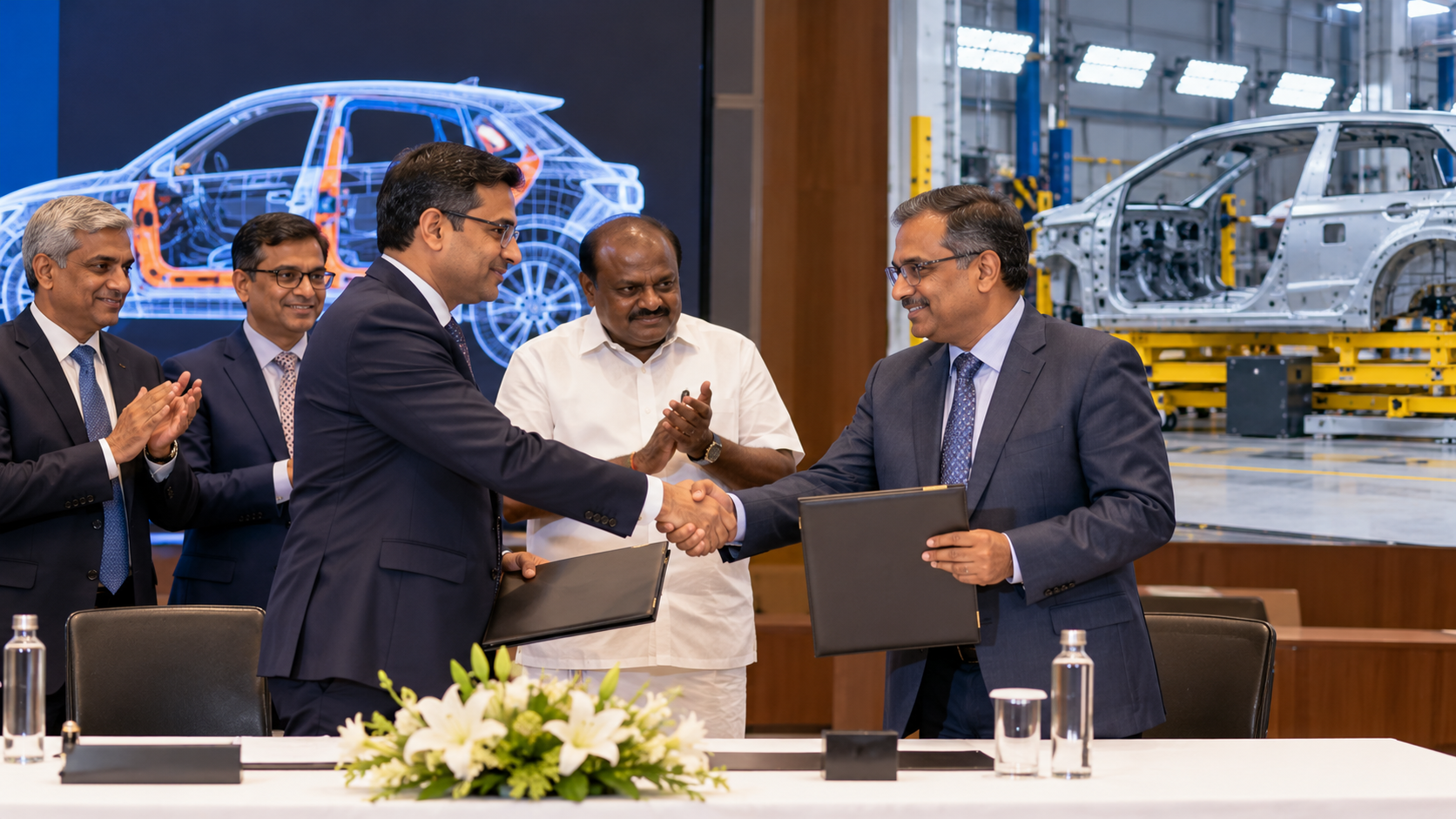
The two organisations exchanged a Memorandum of Understanding (MoU) in Pune on October 31, 2026, in the presence of Union Minister of Heavy Industries and Steel H.D. Kumaraswamy, SAVWIPL Managing Director and CEO Piyush Arora, and ARAI Director Dr. Reji Mathai.
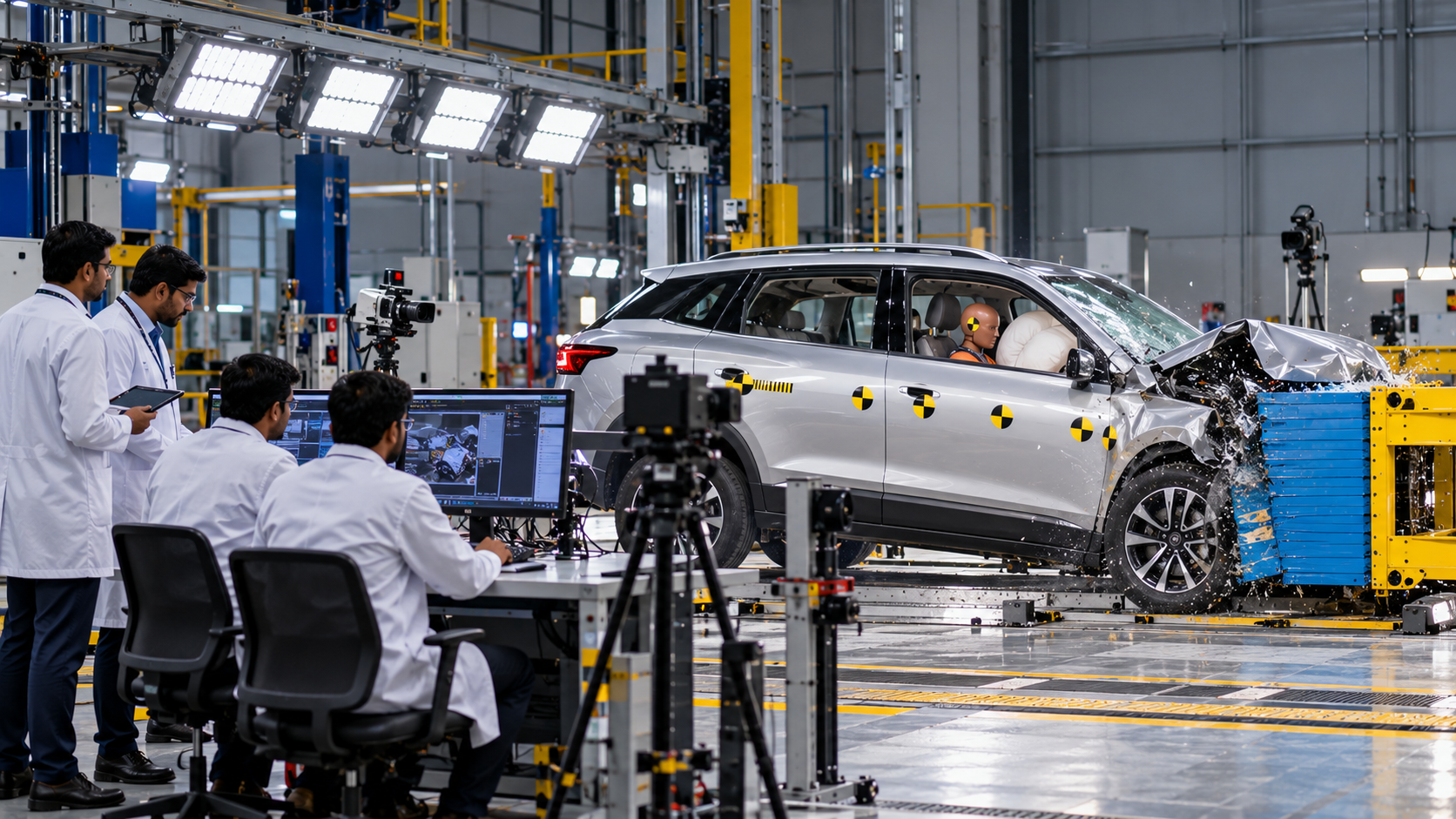
Under the agreement, SAVWIPL will transfer a strategic parcel of land to ARAI for establishing the new facility. Located adjacent to the company’s Chakan manufacturing plant, the proposed infrastructure will support crash testing and safety validation for future mobility vehicles, including battery electric vehicles (BEVs) and internal combustion engine (ICE) models.
The facility is expected to expand India’s domestic vehicle safety testing capabilities and enable more electric vehicle-specific assessments within the country. It will also support rigorous New Car Assessment Programme (NCAP) testing required for vehicles targeting international export markets.
Union Minister H.D. Kumaraswamy said expanding domestic research and safety testing infrastructure was essential as India’s automotive industry moves towards advanced mobility technologies. He added that the initiative would support future Bharat NCAP requirements and help manufacturers address India-specific road safety challenges.
SAVWIPL CEO Piyush Arora said the company had adjusted its future expansion plans to accommodate ARAI’s requirement for land near its Chakan facility. He highlighted the importance of strengthening local engineering capabilities and accelerating the development of safer vehicles.
ARAI Director Dr. Reji Mathai described the partnership as an important step towards building advanced automotive testing capabilities, particularly as vehicle technologies and regulatory requirements continue to evolve.
The collaboration is expected to strengthen India’s automotive research ecosystem, improve vehicle safety validation capabilities and support the development of globally competitive vehicles.